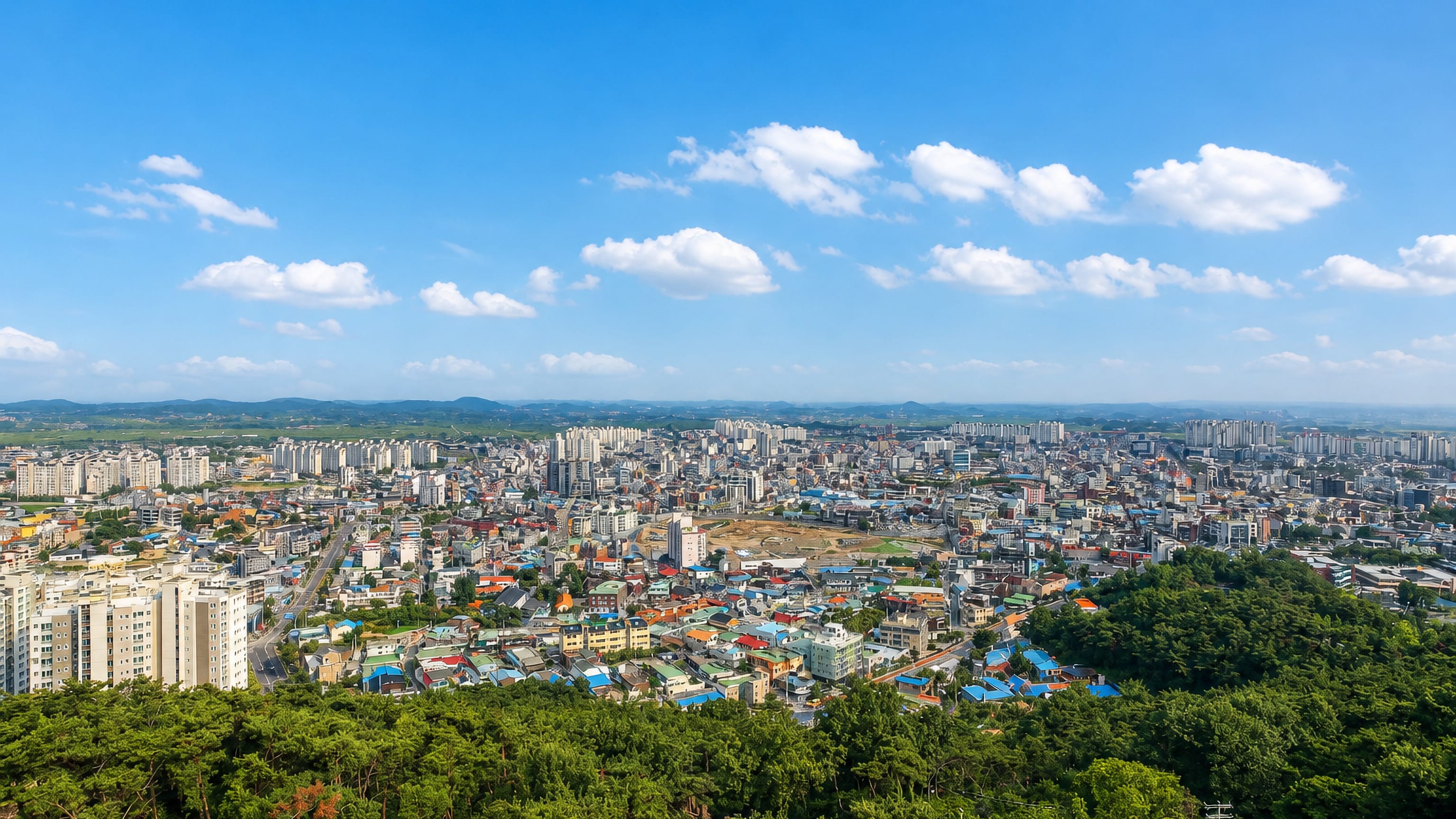
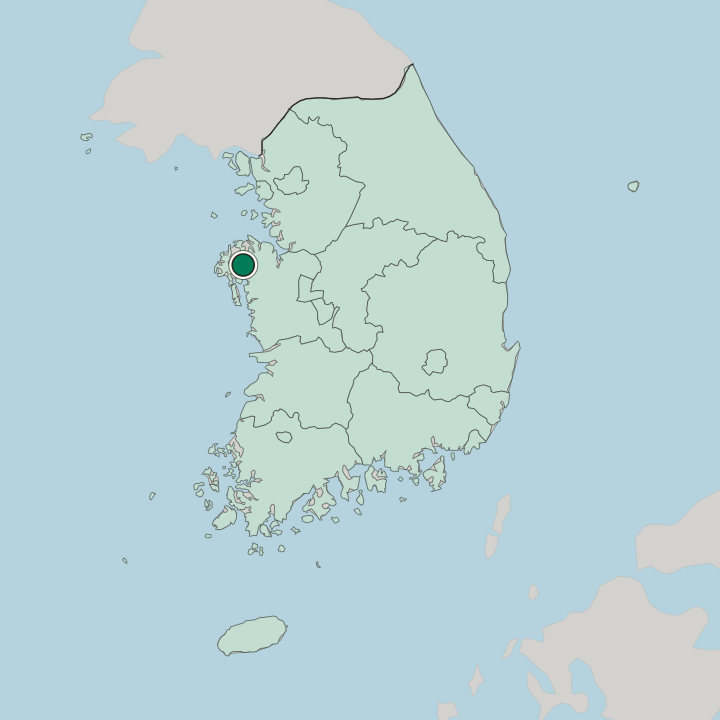
South Korea · Chungcheongnam-do
Where to Stay in Seosan, Chungcheongnam-do
Seosan is a South Chungcheong Province city on the Yellow Sea, holding the Bowonsaji temple ruins and the Yeonghyeon-ri Rock-carved Buddha Triad.
Hotel links are affiliate links: booking through them may earn us a commission, at no extra cost to you. It never affects how places are ranked. How this works


Where to stay in Seosan
How the choice of base plays out on the ground.
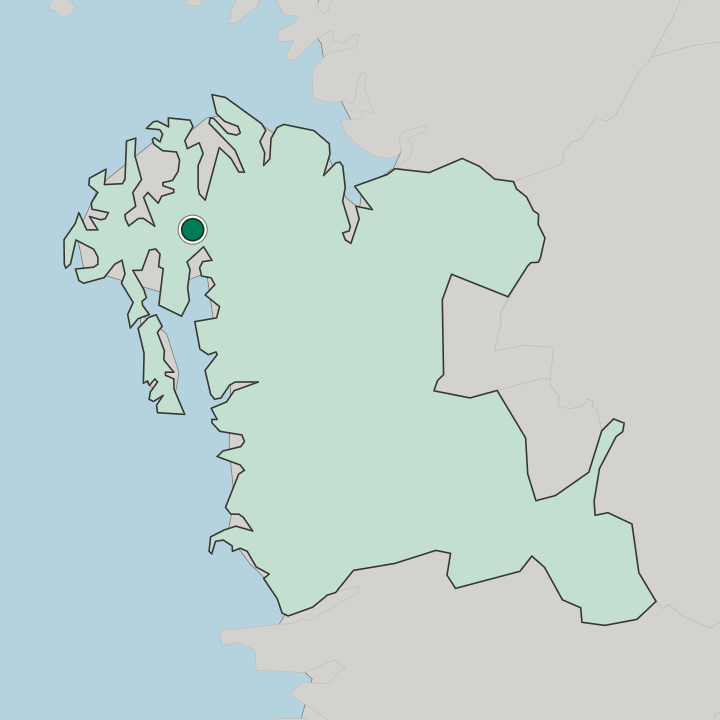
Seosan takes in a lot of land. The municipality covers roughly 740 square kilometres between the Yellow Sea and the inland county line, so the choice is less about districts than about which half of the city a visit is aimed at. Bowonsaji lies out of town.
Anyone coming for the temple ruins, Buseongsa or the Yeonghyeon-ri Rock-carved Buddha Triad is heading away from the built-up centre, since the older monuments sit outside the urban area. The centre works for everything else. Seosan Birdland and the Seosan Baseball Training Center are the kind of destination a town-centre bed serves without a long drive, and the Seosanhyanggyo ginkgo tree belongs to the same near side.
Roads make the difference. The Seohaean Expressway and the Daejeon-Dangjin Expressway both pass through, with National Highways 29, 32, 38 and 45 crossing here, so a room near an interchange suits a trip that treats Seosan as a stop rather than a destination. Neighbours offer alternatives.
Dangjin, Naepo New Town, Yesan-gun, Hongseong-gun and Taean-gun all border the city, and Naepo New Town sits 34 km away for anyone who would rather sleep there. The Yellow Sea is the western limit of all of it.
Find hotels in Seosan
Direct booking searches for these neighbourhoods.
Around Bowonsaji
The out-of-town temple ground at Bowonsaji, where five protected monuments share a single siteFind hotels in Around BowonsajiTravellers making the Baekje rock-carved triad the fixed point of the tripThe Yeonghyeon-ri side
The rural ground near the Yeonghyeon-ri Rock-carved Buddha Triad, well clear of the built-up centreFind hotels in The Yeonghyeon-ri sideTrips pairing Seosan Birdland with the Seosanhyanggyo ginkgo treeSeosan town centre
The urban core of Seosan, near Birdland, the ginkgo and the Seosan Baseball Training CenterFind hotels in Seosan town centreOvernight stops taken from the Seohaean or Daejeon-Dangjin expresswaysThe expressway crossing
The road side of Seosan, where the Seohaean Expressway and National Highways 29, 32, 38 and 45 crossFind hotels in The expressway crossingHotel links are affiliate links: booking through them may earn us a commission, at no extra cost to you. It never affects how places are ranked. How this works
About Seosan
The Baekje carving comes first.
What is Seosan known for?
Yeonghyeon-ri Rock-carved Buddha Triad, cut in the Baekje Dynasty, is considered important precisely for its unusual structure, and it sits away from the built-up part of Seosan. Bowonsaji supplies the rest. The Bowonsaji Ocheungseoktap stands among the ruins with Seosan Bowonsaji Flagpole Supports and the Seosan Bowonsaji stone basin, while Seosan Birdland handles migratory-bird displays for a different kind of trip.
What are the main landmarks in Seosan?
Bowonsaji carries most of the weight. The temple site holds Bowonsaji Ocheungseoktap together with Seosan Bowonsaji Flagpole Supports, Seosan Bowonsaji Stupa of Buddhist Monk Beopin, Seosan Bowonsaji Stele for Buddhist Monk Beopin and the Seosan Bowonsaji stone basin, five protected entries on one piece of ground. Others stand apart.
Buseongsa, Seosan Munsusa Geungnakbojeon Hall, King Myeongjong's placenta chamber and stele, the Seosanhyanggyo ginkgo tree and An Gyeon Memorial Hall are scattered across the municipality, and the Seosan Baseball Training Center is the one modern name among them.
What is the history of Seosan?
Baekje left the first mark. Yeonghyeon-ri Rock-carved Buddha Triad was cut under that dynasty and is judged important for a structure unlike other carvings of its kind, which places Seosan's record well before any municipal charter. Seosan's own start date is missing.
Bowonsaji records the next phase, its ruins holding Bowonsaji Ocheungseoktap, Seosan Bowonsaji Flagpole Supports and the paired Seosan Bowonsaji Stupa of Buddhist Monk Beopin and Seosan Bowonsaji Stele for Buddhist Monk Beopin. The whole early record is Buddhist, and it sits outside the modern town rather than under it. Temples kept the thread.
Buseongsa and the hall recorded as Seosan Munsusa Geungnakbojeon Hall belong to the same religious inheritance that Bowonsaji began, and King Myeongjong's placenta chamber and stele adds another protected monument to it. The ginkgo outlived them all. Seosanhyanggyo ginkgo tree is a living entry on the protected list rather than a built one, and An Gyeon Memorial Hall is a memorial hall among the same group.
Roads rewrote the map later. The Seohaean Expressway, the Daejeon-Dangjin Expressway and National Highways 29, 32, 38 and 45 turned a coastal county on the Yellow Sea into the transport hub of the west coast, 125 km from Seoul and 159 km from Daejeon.
Where is Seosan?
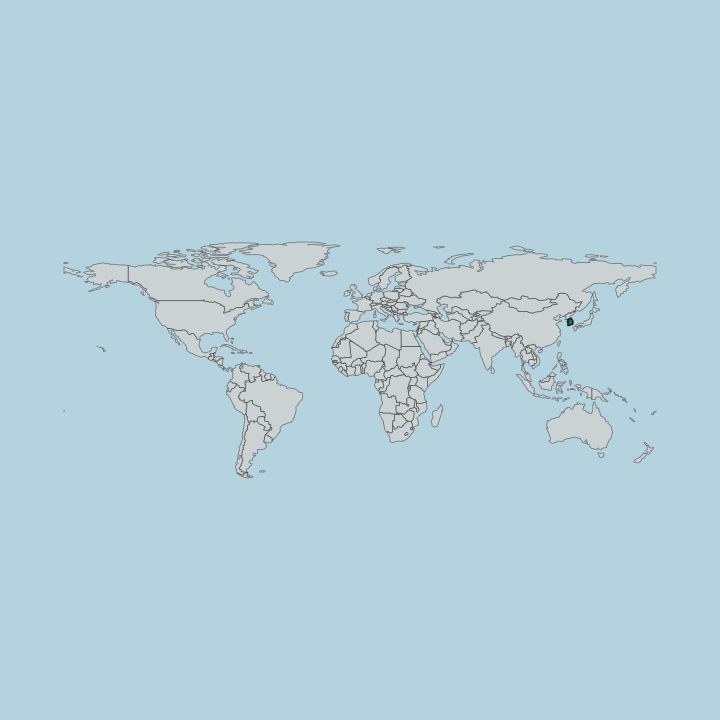
Roughly 740 square kilometres, sea on one side. Seosan runs from the Yellow Sea inland, bounded by Taean-gun on the west and by Dangjin, Naepo New Town, Yesan-gun and Hongseong-gun on the east. Seoul sits 125 km north.
Daejeon is 159 km away and Naepo New Town only 34 km, which puts the city within reach of the province's larger centres without belonging to any of them.
What is the climate of Seosan?
The Yellow Sea sets the terms. Open water on the western side moderates a temperate northern-hemisphere year, and the exposure that brings migratory birds to Seosan Birdland is the same exposure that gives the coast its weather. Inland is different.
The temple ground at Bowonsaji sits back from the water, out of the direct reach of anything the sea sends.
How do you get to Seosan?
Two expressways cross here. The Seohaean Expressway and the Daejeon-Dangjin Expressway intersect within Seosan, joined by National Highways 29, 32, 38 and 45, which is why the city functions as the transport hub of the west coast. Seoul is 125 km off.
Daejeon lies 159 km away, Naepo New Town 34 km, and the temple sites at Bowonsaji and Yeonghyeon-ri need a car once the highway is left behind.
Common questions
What is the best area to stay in Seosan?
Around Bowonsaji: Visits led by the Bowonsaji Ocheungseoktap and the ruins around it. The Yeonghyeon-ri side: Travellers making the Baekje rock-carved triad the fixed point of the trip. Seosan town centre: Trips pairing Seosan Birdland with the Seosanhyanggyo ginkgo tree. The expressway crossing: Overnight stops taken from the Seohaean or Daejeon-Dangjin expressways.
Good for
More cities in Chungcheongnam-do
Updated September 2026