South Korea · Chungcheongnam-do
Where to Stay in Gongju, Chungcheongnam-do
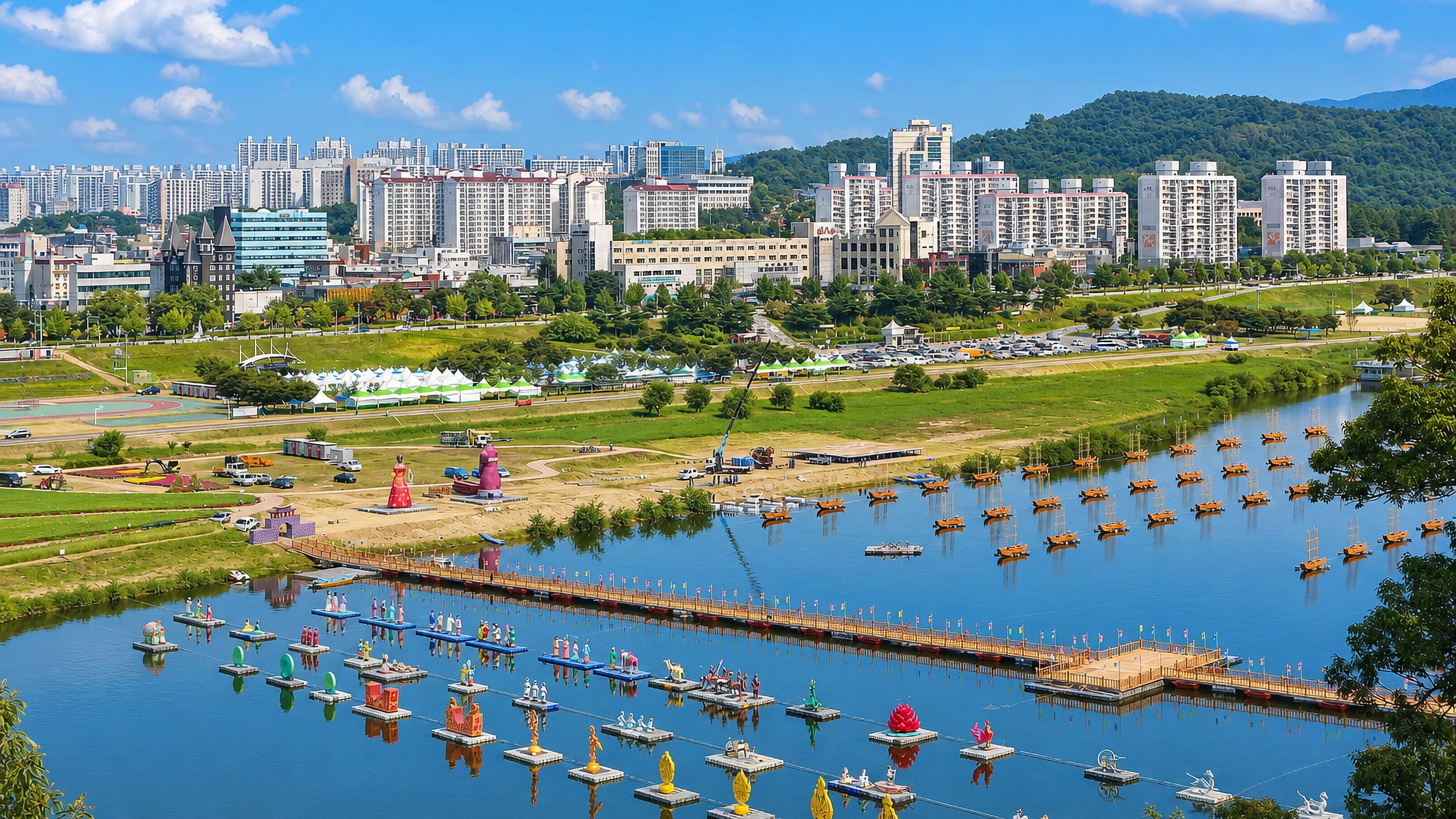
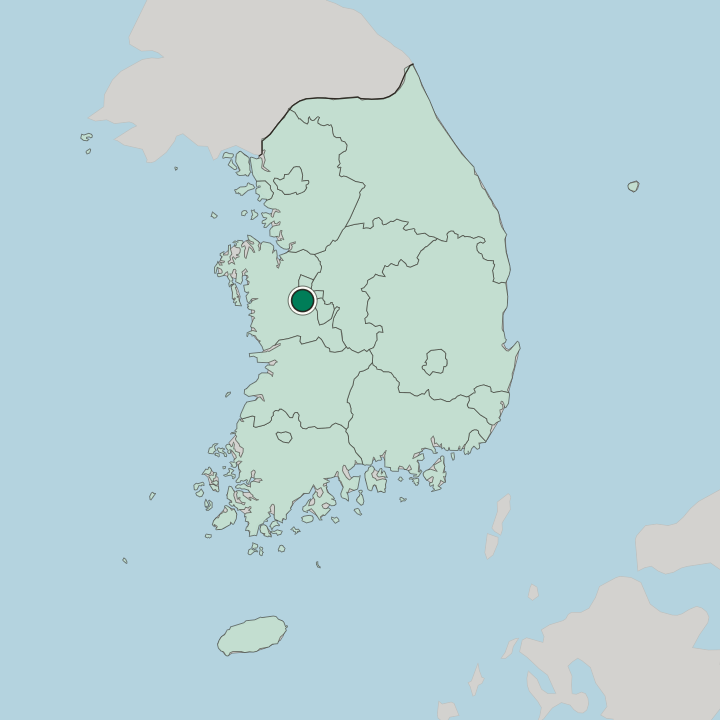
Gongju, once romanised Kongju, holds the Baekje Historic Areas and the Gongju National Museum among the heritage of South Chungcheong Province.
Hotel links are affiliate links: booking through them may earn us a commission, at no extra cost to you. It never affects how places are ranked. How this works


Where to stay in Gongju
Where the beds are, and what that means for the visit.
Heritage sets the map here. The Baekje Historic Areas and the Gongju National Museum are the two fixed points of any visit, and a bed placed between them turns a day of sites into walking rather than into a sequence of rides. Distance is the whole calculation.
Gongju spreads well past its heritage core, so rooms out at the edges cost time that a shorter stay cannot spare, and the difference shows on the first morning rather than the last. The museum quarter suits first visits. Anything within reach of the Gongju National Museum keeps the Baekje material and the interpretation of it in the same short radius, which matters more here than in cities where the sights explain themselves.
Two other pockets exist. The Chungcheongnam-do History Museum draws a slower, provincial-scale interest, and the Jeongjisan Relic Site sits on ground older than the kingdom that made the city's name, both of them quiet enough to leave the beds around them uncontested. Gongju Civic Stadium fills the last of them.
A fixture there is reason enough to sleep on that side of Gongju rather than in the heritage streets, and the trade is a shorter walk to the ground against a longer one to everything else.
Find hotels in Gongju
Direct booking searches for these neighbourhoods.
The Gongju National Museum quarter
The heritage core of Gongju, with the Gongju National Museum and the Baekje sites inside one walking radiusFind hotels in The Gongju National Museum quarterA provincial-scale look at Chungcheongnam-doAround the Chungcheongnam-do History Museum
Quieter blocks near the Chungcheongnam-do History Museum, off the path the Baekje visitors take. Few places to stay nearby — book ahead.Find hotels in Around the Chungcheongnam-do History MuseumNights built around a fixture at Gongju Civic StadiumThe Gongju Civic Stadium side
The working side of Gongju by Gongju Civic Stadium, a ride out from the museum quarter. Few places to stay nearby — book ahead.Find hotels in The Gongju Civic Stadium sideGround recorded from before the Baekje periodBy the Jeongjisan Relic Site
The outer margin of Gongju near the Jeongjisan Relic Site, where rooms are few and the traffic is local. Rooms are few around here — worth securing early.Find hotels in By the Jeongjisan Relic SiteHotel links are affiliate links: booking through them may earn us a commission, at no extra cost to you. It never affects how places are ranked. How this works
Things to do in Gongju
Ranked by global recognition; descriptions from Wikidata (CC0).
Museums & Galleries
2- Gongju National Museum
- Chungcheongnam-do History Museum
Castles & Historic Sites
2- Baekje Historic Areas UNESCO
- Jeongjisan Relic Site
Stadiums & Sports
1- Gongju Civic Stadium
worth knowingacross 3 categories in Gongju
About Gongju
Ancient kingdoms account for the visitors.
What is Gongju known for?
The Baekje Historic Areas put Gongju on the heritage map, and the Gongju National Museum holds the material that gives those sites their context. Two more collections back it up. The Chungcheongnam-do History Museum covers the province at large while the Jeongjisan Relic Site records occupation of this ground from far earlier, and Gongju Civic Stadium supplies the civic counterweight to all of it.
Gongju carries a steady share of the travellers moving through South Chungcheong Province, most of them here for what the Baekje ground left behind.
What are the main landmarks in Gongju?
Five names, and one dominates. The Baekje Historic Areas carry the reputation, while the Gongju National Museum holds the collection that keeps them legible. Scale steps down from there.
The Chungcheongnam-do History Museum widens the frame to the whole province, the Jeongjisan Relic Site records much older use of the same district, and Gongju Civic Stadium rounds off a register that is otherwise entirely about the past.
What is the history of Gongju?
Occupation runs deeper than the kingdom. The Jeongjisan Relic Site preserves ground used long before the name Baekje attached itself to this part of South Chungcheong Province, which makes the city's oldest layer an archaeological one rather than a dynastic one. Baekje changed that.
The Baekje Historic Areas mark the period Gongju is remembered for, and the weight of that inheritance is why a national collection sits here at all. Spelling records a later shift. The city was romanised as Kongju before the present form settled, a small change that dates any map or guidebook still carrying it.
Institutions came after. The Gongju National Museum and the Chungcheongnam-do History Museum both belong to the modern business of keeping what was dug up, one focused on this ground and the other on the province around it, while Gongju Civic Stadium answers a need that has nothing to do with either. Dates are the missing piece.
No founding year appears in the record for Gongju, though the ground at Jeongjisan and the Baekje sites both predate anything a charter could have fixed, and the layers themselves stand in for the chronology.
Where is Gongju?
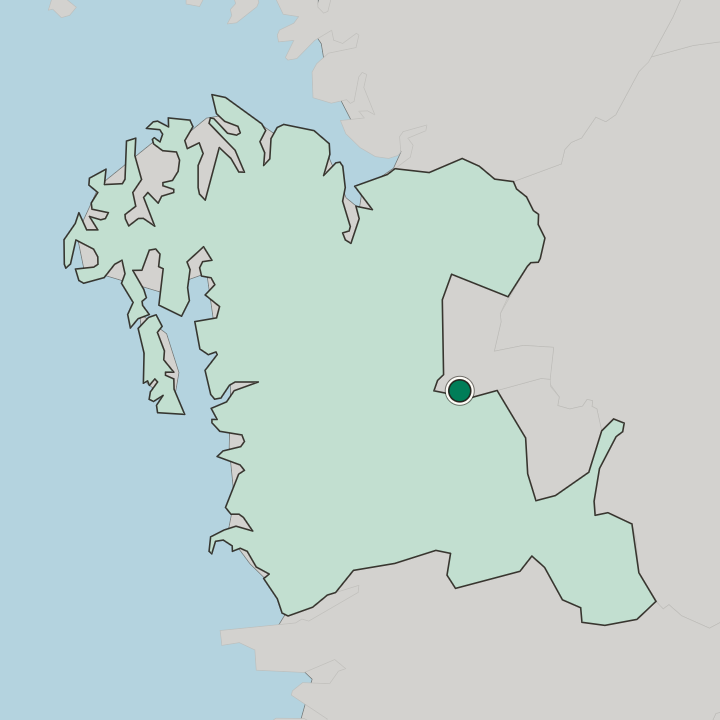
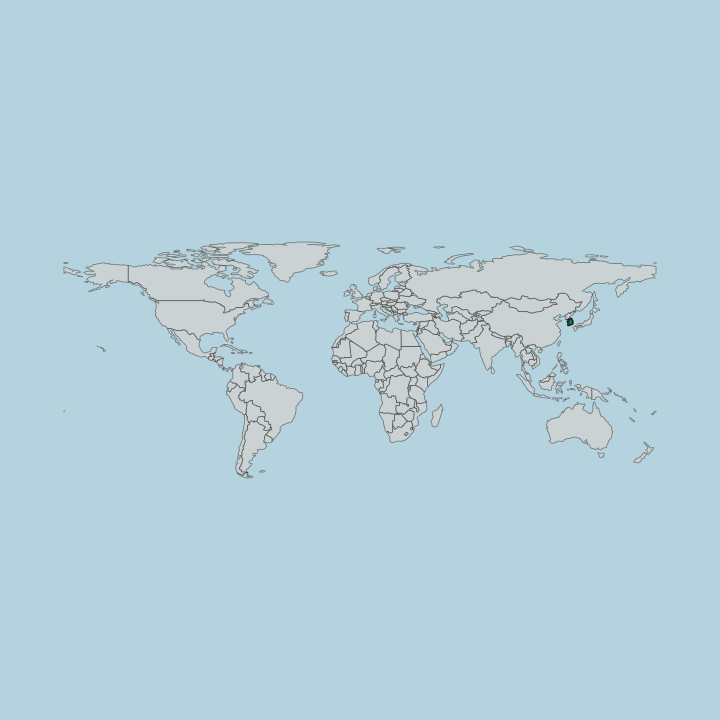
The city covers a lot of ground. Gongju spreads across a wide slice of South Chungcheong Province, its heritage concentrated in one quarter while the rest of the municipality runs out into open country, which is why the Baekje Historic Areas and the Jeongjisan Relic Site can share a city without sharing a view. Scale is the point.
A municipality this size holds the Gongju National Museum, the Chungcheongnam-do History Museum and Gongju Civic Stadium in separate parts of itself, and getting between them is a matter of crossing the city rather than a street.
What is the climate of Gongju?
Season decides how the sites read. The Baekje Historic Areas are open ground, so the months that suit walking them differ from the months that suit the Gongju National Museum and the Chungcheongnam-do History Museum, which keep their material indoors whatever the sky is doing. The year is temperate.
Shoulder weeks favour the walkers, when the Jeongjisan Relic Site and the open Baekje ground can be crossed without either the heat or the cold making the case for a roof.
How do you get to Gongju?
A good share of the traffic is day traffic. Gongju is a tourism drawcard within South Chungcheong Province, and visitors reach it both from the hot springs resort down the road and directly for the Baekje Historic Areas. Roads carry it.
Once inside the city, the Gongju National Museum, the Chungcheongnam-do History Museum and Gongju Civic Stadium sit far enough apart that a vehicle or a local bus decides how much of the list a single day can take in.
Common questions
What is the best area to stay in Gongju?
The Gongju National Museum quarter: A first visit anchored on the Baekje Historic Areas. Around the Chungcheongnam-do History Museum: A provincial-scale look at Chungcheongnam-do. The Gongju Civic Stadium side: Nights built around a fixture at Gongju Civic Stadium. By the Jeongjisan Relic Site: Ground recorded from before the Baekje period.
Good for
More cities in Chungcheongnam-do
Updated October 2026