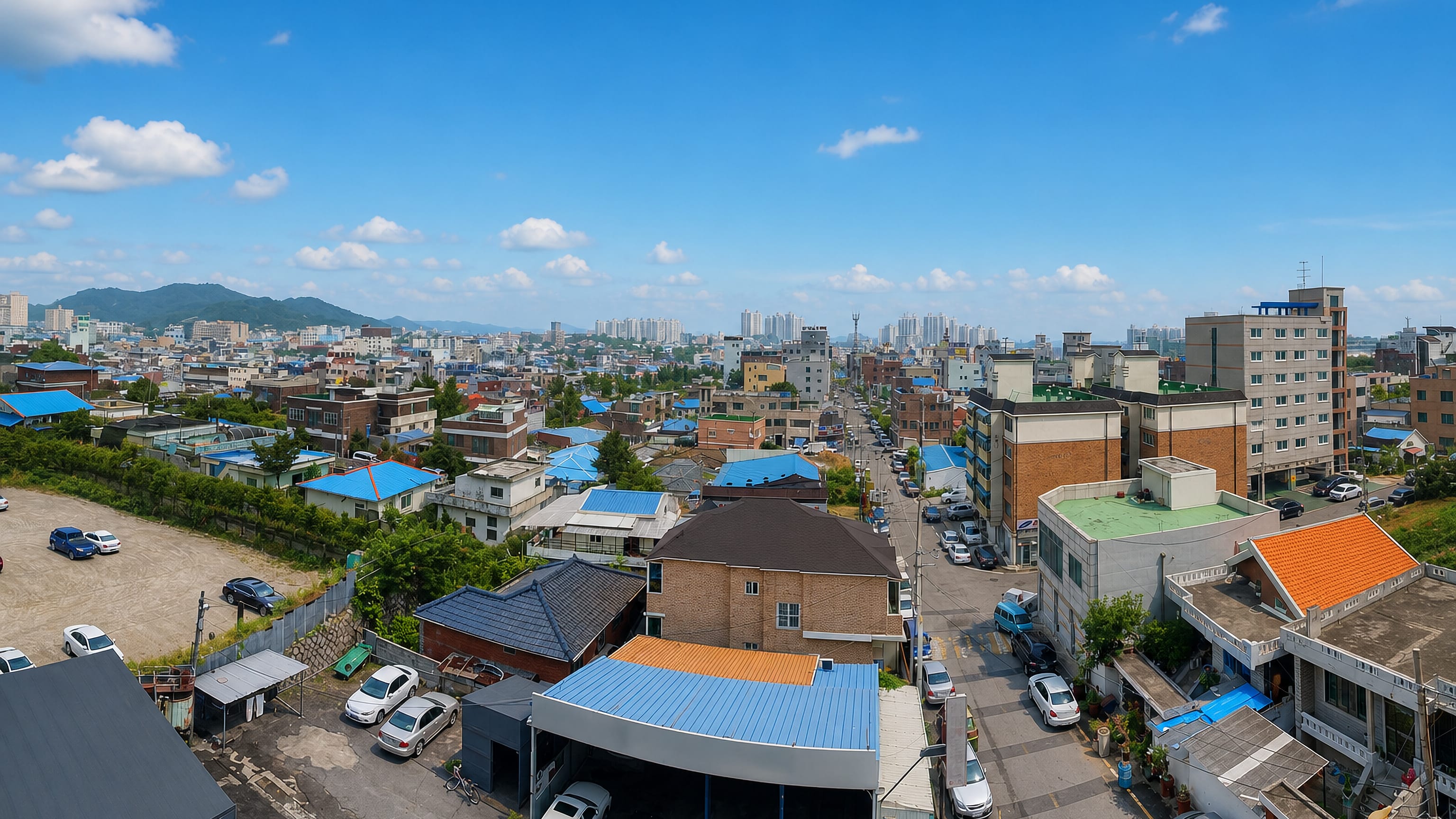
South Korea
Chungcheongnam-do, South Korea — Towns & Travel Guide
Chungcheongnam-do is South Korea's Yellow Sea province, where Baekje kings ruled from Gongju and Buyeo.
Hotel links are affiliate links: booking through them may earn us a commission, at no extra cost to you. It never affects how places are ranked. How this works


Towns & cities in Chungcheongnam-do
Pick a town or city — each links to where to stay.
 South Korea
Cheonan
Cheonan wears a name from King Taejo of Goryeo and stands as the largest city of South Chungcheong Province, bordered by Gyeonggi Province in the north.Where to stay →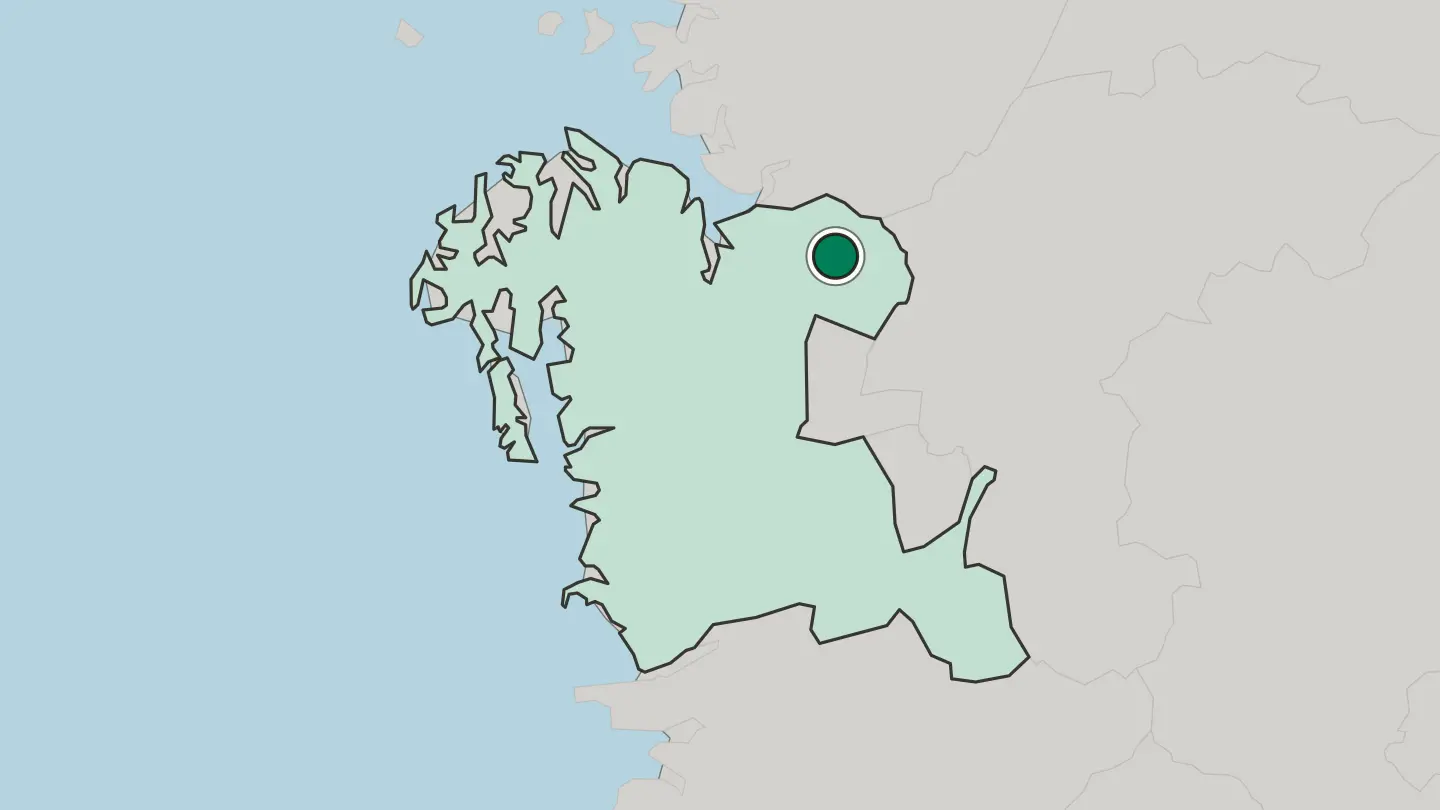
 South Korea
Asan
Asan holds the oldest hot springs in Korea at Onyang, a South Chungcheong Province city whose upper boundary meets the Seoul Capital Area.Where to stay →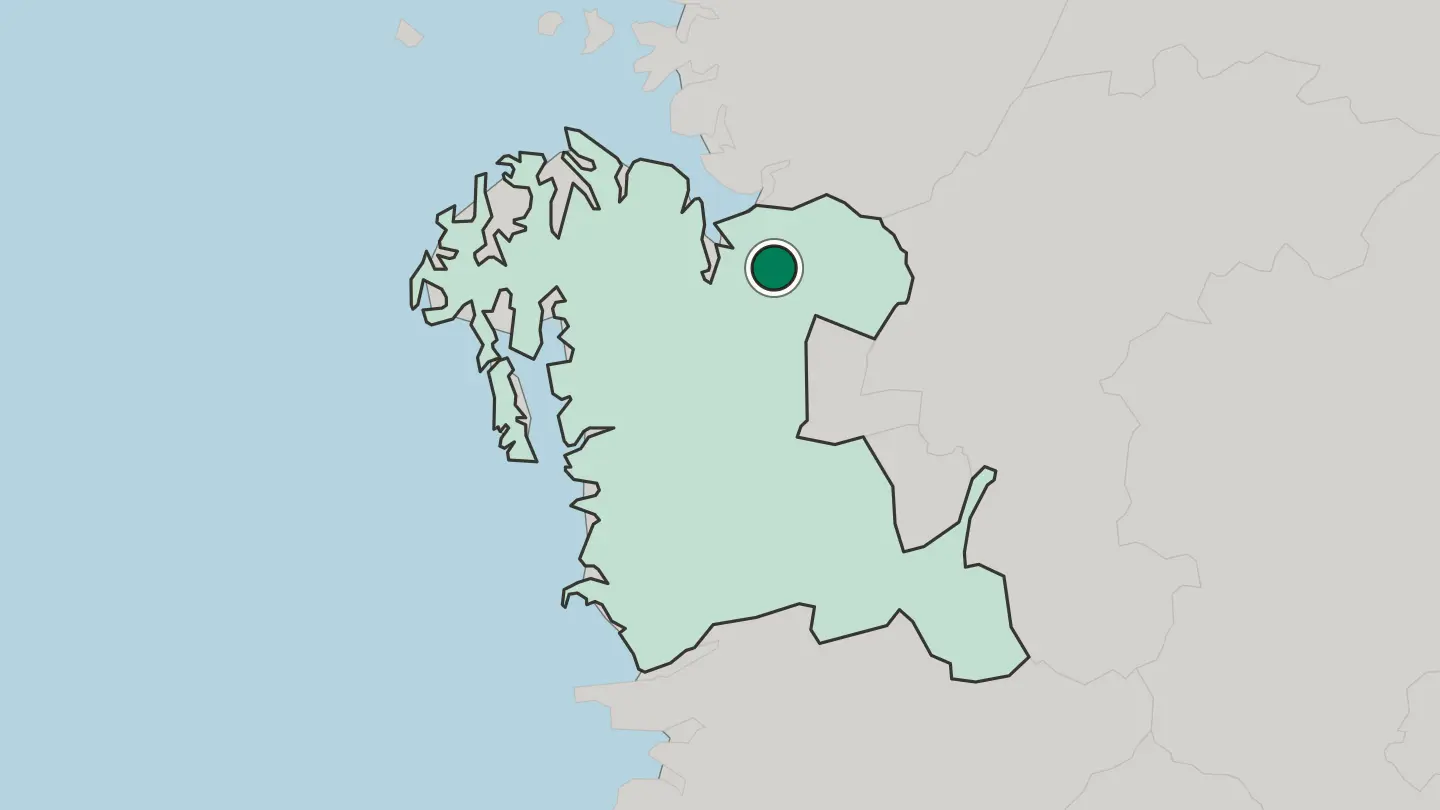
 South Korea
Seosan
Seosan is a South Chungcheong Province city on the Yellow Sea, holding the Bowonsaji temple ruins and the Yeonghyeon-ri Rock-carved Buddha Triad.Where to stay →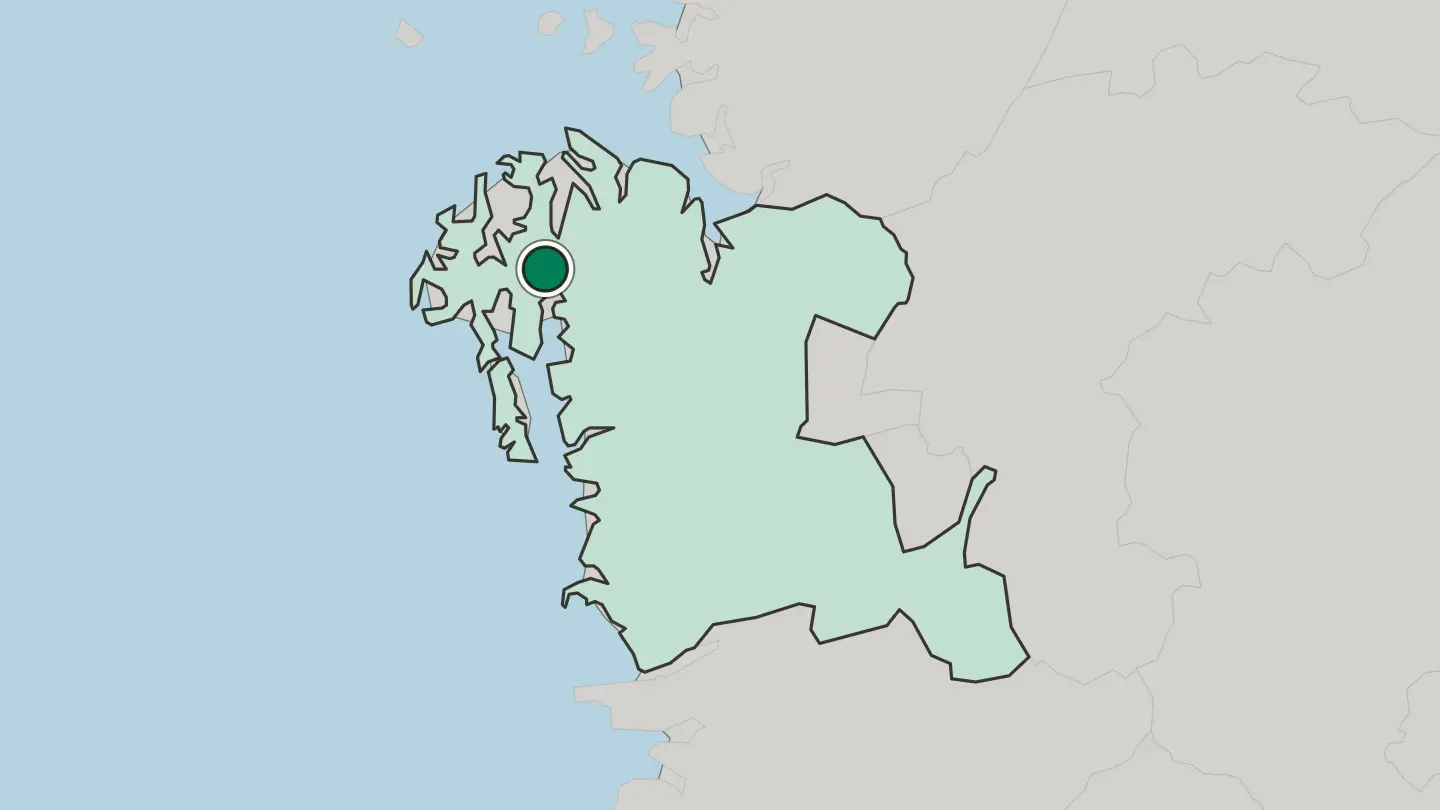
 South Korea
Gongju
Gongju, once romanised Kongju, holds the Baekje Historic Areas and the Gongju National Museum among the heritage of South Chungcheong Province.Where to stay →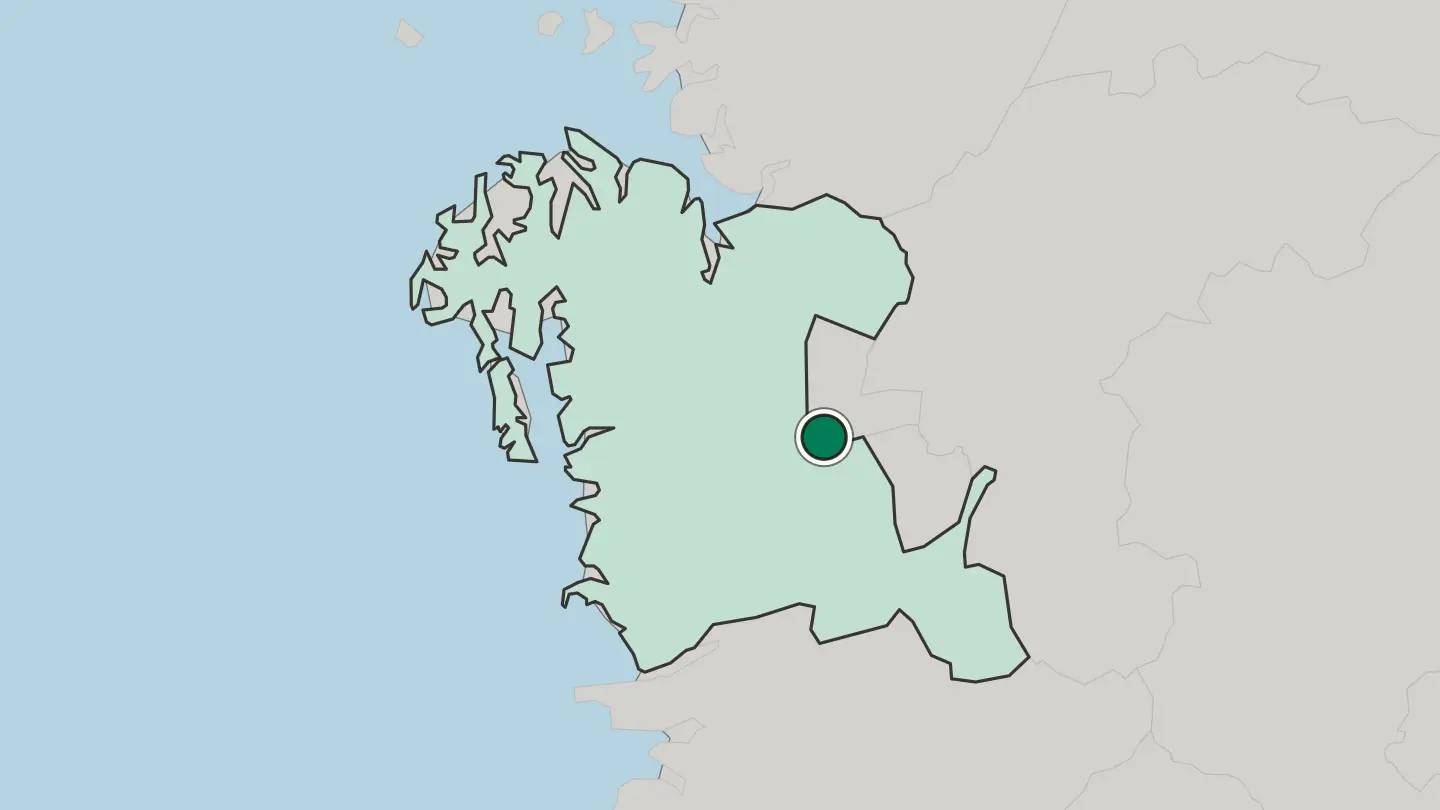
Hotel links are affiliate links: booking through them may earn us a commission, at no extra cost to you. It never affects how places are ranked. How this works
About Chungcheongnam-do
This is Baekje country.
What is Chungcheongnam-do known for?
Two ancient royal capitals sit here: Gongju, once called Ungjin, and Buyeo, once called Sabi, both part of the Baekje Historic Areas inscribed by UNESCO. Cheonan is the largest city, close enough to Seoul that a fast train covers the gap in about half an hour. The Yellow Sea rims the whole western edge, so beaches, tidal flats and salt farms run the length of the coast.
Inland, the Geum River loops through farmland toward the sea.
Where is Chungcheongnam-do?
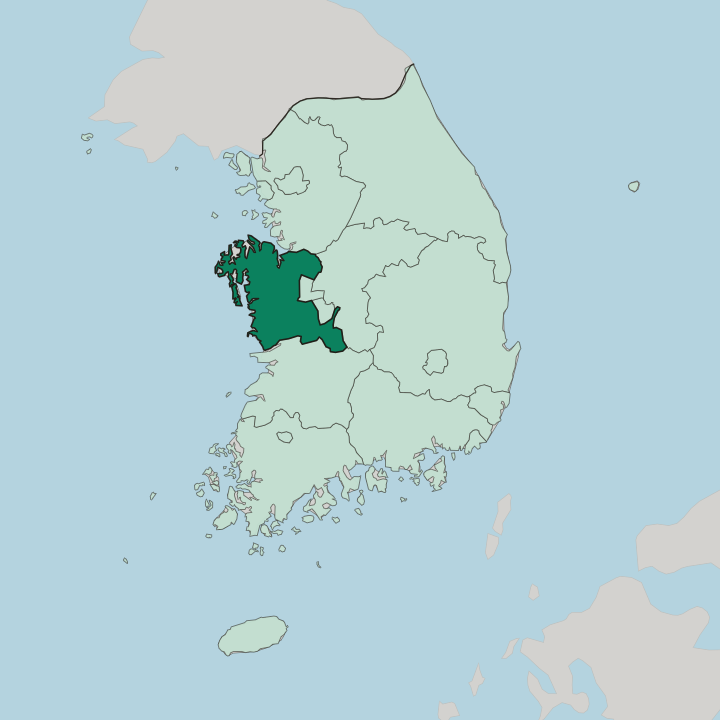
Chungcheongnam-do sits in the west-central part of South Korea, on the Hoseo side of the country. Its whole western flank is the Yellow Sea. The coast there is deeply indented, a run of peninsulas, bays and offshore islands, with the Taean peninsula pushing furthest out into the water.
Behind the shore the land is low. No summit in the province tops 1,000 metres, which makes it the flattest of Korea's provinces and leaves broad plains for rice. Gyeryongsan is the great exception, an 845-metre granite ridge on the eastern border whose crags rise straight out of that lowland.
The Geum River is the province's spine. It enters from North Chungcheong to the east, bends past the old Baekje capitals of Gongju and Buyeo, then runs south-west to empty into the Yellow Sea. Land borders wrap the rest.
Gyeonggi lies to the north, North Chungcheong to the east, and North Jeolla to the south, while Sejong and the metropolis of Daejeon are carved out of the province's eastern edge. Cheonan anchors the north, near enough to Seoul to work as an outer commuter town. The result is a province of two faces: a tidal, island-dotted coast on one side, and a river-fed farming interior on the other.
What is Chungcheongnam-do like?
Baekje still shapes how the province sees itself. That kingdom fell in 660, yet its refined court art, its gilt-bronze incense burner and gold ornaments dug from the tombs at Gongju and Buyeo, remains the region's proudest inheritance. Buyeo throws a Baekje festival each autumn to keep it alive.
The mood elsewhere is agricultural and unhurried. Chungnam, as Koreans shorten the name, has long carried a reputation for slow speech and mild manners, and its towns feel calmer than the country's industrial belts. Farming runs through the culture.
Geumsan is Korea's ginseng capital, its market the heart of a growing and trading tradition old enough to earn recognition as a globally important agricultural heritage system, and the tidal flats of the Yellow Sea coast still yield salt dried by sun and wind. Faith has deep roots here too. Gyeryongsan draws pilgrims and shamans who consider it one of the most spiritually charged mountains in Korea, and its national park is the busiest in the wider Chungcheong region.
Korean is the everyday language. Food leans on what the land and the tidal flats give, from ginseng to the shellfish and salt of the coast.
What is the history of Chungcheongnam-do?
The province's story turns on Baekje. When Goguryeo armies took the first Baekje capital near Seoul, the court fled south and rebuilt at Ungjin, modern Gongju, ruling from there between 475 and 538. King Seong then moved the seat downriver to Sabi, modern Buyeo, where Baekje held on until Silla and Tang forces destroyed it in 660.
Those two Geum River towns stayed royal capitals for the better part of two centuries. Much later the provincial government sat at Daejeon, until that city was split off and the seat moved to Hongseong.
What is the climate of Chungcheongnam-do?
Chungcheongnam-do has four sharp seasons. Summers are hot and humid, soaked by the East Asian monsoon that dumps most of the year's rain between June and August, while winters turn cold and dry under winds off the Asian mainland. The Yellow Sea softens the coast a little, keeping the Taean peninsula milder than the inland plains around Gongju.
Spring and autumn are the reward. Cherry blossom washes Seosan in spring, and the tulip fields of Taean draw crowds before the summer heat sets in.
How do you get to Chungcheongnam-do?
Most travellers come down from Seoul. The KTX high-speed line stops at Cheonan-Asan barely half an hour south of the capital, and that single station serves as the province's front door for almost everyone arriving from the north. From there rail and expressway fan out.
Ordinary trains and buses reach Gongju, Buyeo and the Yellow Sea coast. Reaching the Taean beaches means a bus or a car, since the peninsula never got a railway of its own.
Common questions
What is the best area to stay in Chungcheongnam-do?
Cheonan: arriving by train from Seoul. Gongju: walking through Baekje's royal past. Buyeo: the final Baekje capital. The Taean coast: west-coast beaches and sunsets.
Good for
More regions in South Korea
Updated September 2026