South Korea · Gangwon
Where to Stay in Sokcho, Gangwon
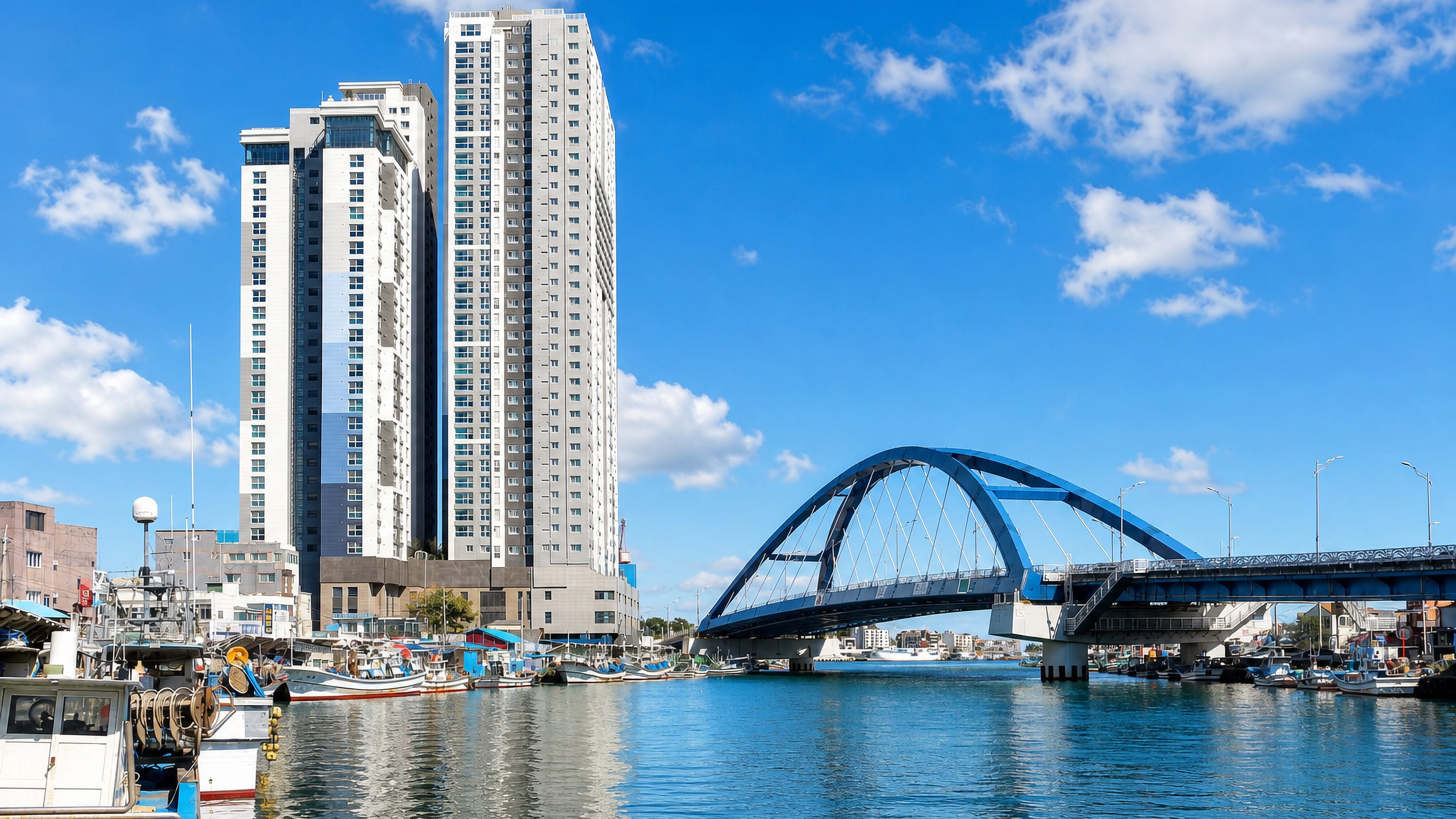
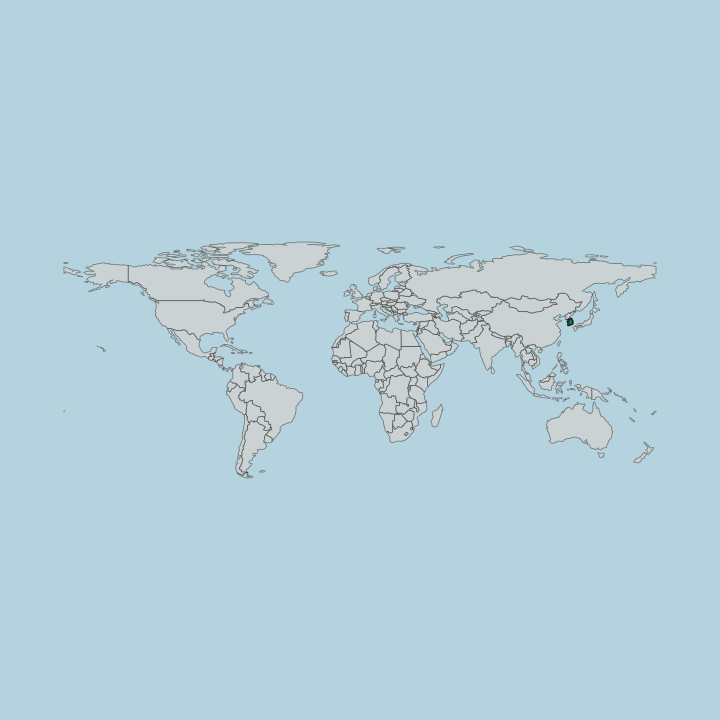
Sokcho faces the East Sea below Seoraksan, a Gangwon city whose buses run inland to the park and north toward the DMZ.
Hotel links are affiliate links: booking through them may earn us a commission, at no extra cost to you. It never affects how places are ranked. How this works


Where to stay in Sokcho
Where the beds are, and what that means for the visit.
Sokcho divides into a mountain side and a sea side. The central hub is where the Seoraksan National Park buses leave, about thirty minutes out to the park, and it is also where the northbound service toward the DMZ begins its hour-long run. That decides a lot.
Beds near the hub suit anyone whose days start early and end back in town, since both of the city's long-distance draws are reached from the same few stands rather than from the shore. The shore reads differently. Beaches run along the East Sea, or Sea of Japan, and a room facing that water trades the convenience of the bus stands for open horizon and quieter evenings.
Sokcho Public Stadium anchors the built ground behind it. Inland, the land climbs toward Seoraksan itself, and beds on that edge put Towangseong Falls and the park within the shortest reach of any part of the city, at the cost of everything else being a ride away. Rooms thin out there.
Two smaller sites fill the gaps between: the Seokbong Ceramic Museum, and the archaeological ground listed as Joyangdong prehistoric heritage in Sokcho, neither of which shapes where anyone sleeps. Hyangseongsaji Samcheungseoktap stands apart from all of it.
Find hotels in Sokcho
Direct booking searches for these neighbourhoods.
The central hub
The stands in Sokcho where the thirty-minute park service and the hour-long northbound run toward the DMZ both beginFind hotels in The central hubMornings that start on the sand rather than at a bus standThe East Sea beachfront
Sokcho's shore side, where the beaches front the East Sea, or Sea of Japan, behind Sokcho Public StadiumFind hotels in The East Sea beachfrontA first hour of daylight at Towangseong FallsThe Seoraksan edge
The inland margin of Sokcho, where the land climbs toward Seoraksan and rooms are few. Beds are limited here, so book early.Find hotels in The Seoraksan edgeHotel links are affiliate links: booking through them may earn us a commission, at no extra cost to you. It never affects how places are ranked. How this works
Things to do in Sokcho
Ranked by global recognition; descriptions from Wikidata (CC0).
Museums & Galleries
1- Seokbong Ceramic Museum
Castles & Historic Sites
1- Joyangdong prehistoric heritage in Sokcho Heritage
Nature & Outdoors
2- Seoraksan Heritage
- Towangseong Falls Heritage
Stadiums & Sports
1- Sokcho Public Stadium
worth knowingacross 4 categories in Sokcho
About Sokcho
The mountain does the pulling.
What is Sokcho known for?
Seoraksan rises inland from the city, and a bus of about thirty minutes carries visitors from the central hub in Sokcho up to Seoraksan National Park, which is the reason most people come at all. Water is the other half. Towangseong Falls drops within that same upland, while the beaches along the East Sea, or Sea of Japan, give the flat side of the city its own draw.
Quieter entries fill out the list: the Seokbong Ceramic Museum, and the ground recorded as Joyangdong prehistoric heritage in Sokcho.
What are the main landmarks in Sokcho?
Six entries make up the register. Seoraksan dominates it, with Towangseong Falls set inside the same upland and the park drawing most visitors past everything else the city lists. Stone comes next.
Hyangseongsaji Samcheungseoktap and Joyangdong prehistoric heritage in Sokcho hold the older end of the register, the pair of them marking ground that was in use long before the beaches and the trails drew anyone here. The Seokbong Ceramic Museum and Sokcho Public Stadium round out the list.
What is the history of Sokcho?
Occupation here predates the record. Joyangdong prehistoric heritage in Sokcho preserves the ground carrying the earliest evidence the city holds, set on a coast that people worked long before any of the later names on its heritage list were written down. Then comes the temple ground.
Hyangseongsaji Samcheungseoktap marks the next surviving layer, a designated monument standing on its own while the settlement around it left far less behind. The modern city reads from its edges. Sokcho occupies a strip of Gangwon between Seoraksan and the East Sea, with the DMZ an hour north by bus, and that position has shaped what the place became more than any single event inside it.
Visitors did the rest. Seoraksan National Park turned the central hub into a departure point, a ride of about thirty minutes from the park, and the beaches along the Sea of Japan gave the city a second season of its own. Later additions are civic rather than ancient.
The Seokbong Ceramic Museum and Sokcho Public Stadium belong to that stage, built for a city whose arrivals come for the mountain and the shore. No charter year appears in the record. What Sokcho documents instead is a sequence: prehistoric ground at Joyangdong, a stone marker at Hyangseongsaji Samcheungseoktap, and a tourist city facing open water.
Where is Sokcho?
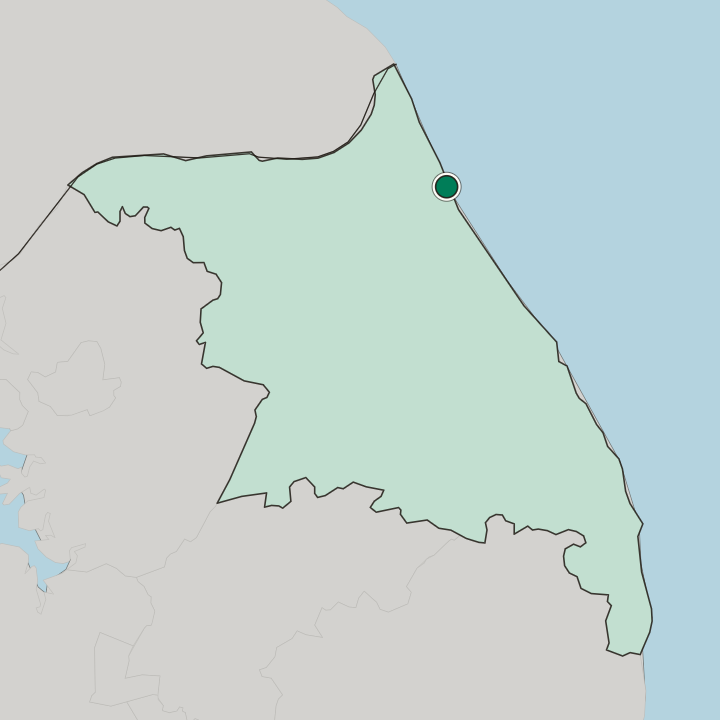
The city occupies a narrow strip. Mountains close it in from the inland side, where Seoraksan rises above the ground Sokcho stands on, and the East Sea, or Sea of Japan, takes the whole seaward edge in beaches and open water. Towangseong Falls drops out of that high ground.
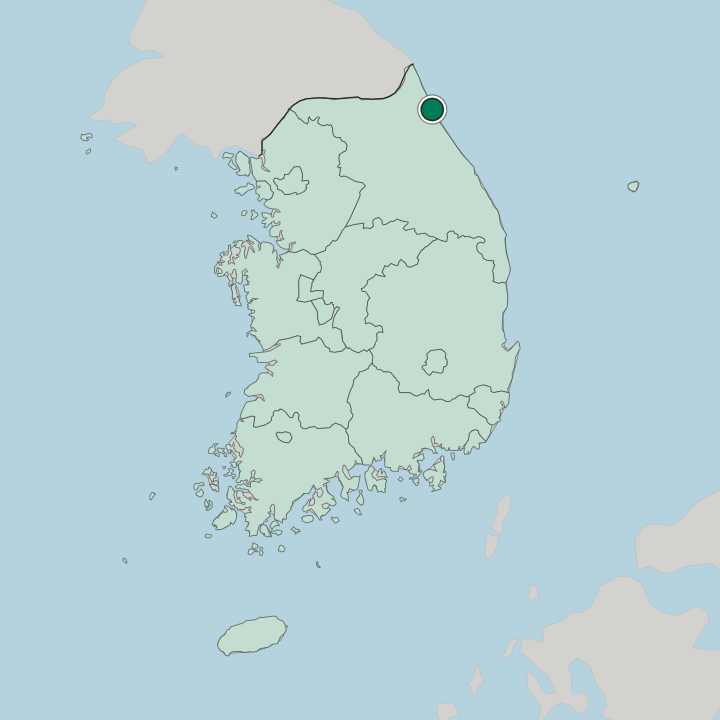
Within Gangwon this is a coastal position rather than an interior one, and the DMZ an hour north by bus sets the limit on how far the shore can be followed.
What is the climate of Sokcho?
Two agents set the terms. Seoraksan stands inland of the city and the East Sea lies open to the other side, so Sokcho keeps a temperate coastal year rather than the version found deeper inside Gangwon. Elevation splits the seasons.
What suits the trails above Towangseong Falls need not suit the beaches below, and a visit built around Seoraksan National Park will not want the same weeks as one built around the sand.
How do you get to Sokcho?
Buses carry almost everything. The central hub is the point of arrival and departure, with a service of about thirty minutes running out to Seoraksan National Park and another taking an hour north toward the DMZ. Sokcho is small enough to cross in a few minutes' ride.
Sokcho spreads over a strip narrow enough that the beaches on the East Sea, the Seokbong Ceramic Museum and Sokcho Public Stadium all sit within a short ride of the same stands.
Common questions
What is the best area to stay in Sokcho?
The central hub: Early departures on the Seoraksan National Park bus. The East Sea beachfront: Mornings that start on the sand rather than at a bus stand. The Seoraksan edge: A first hour of daylight at Towangseong Falls.
Good for
More cities in Gangwon
Updated September 2026