Morocco · Marrakesh-Safi
Where to Stay in Essaouira, Marrakesh-Safi
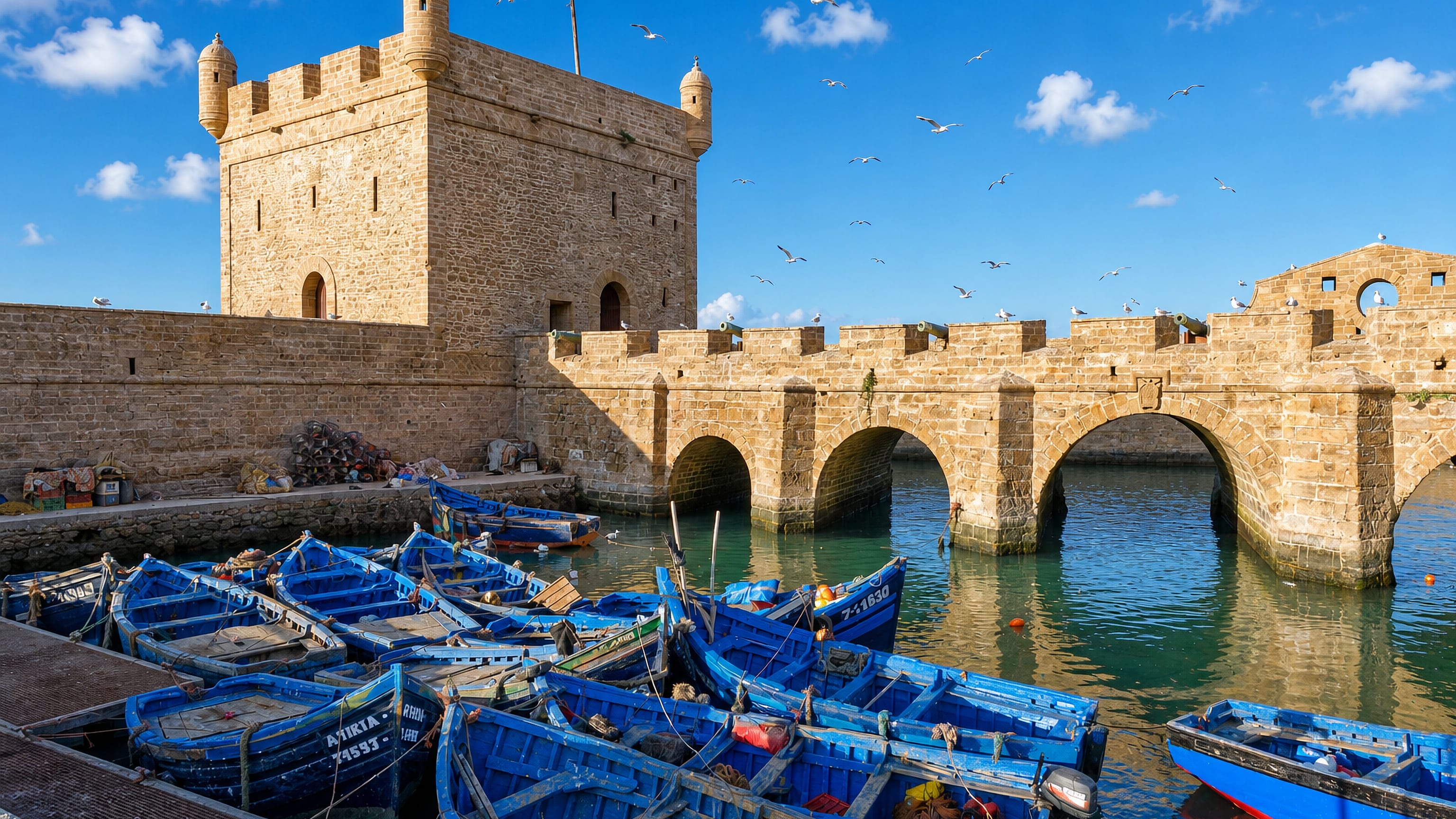
Sea wind scours the ramparts at Essaouira, a walled Atlantic port in Marrakesh-Safi, Morocco, known for its UNESCO medina, once called Mogador.
Hotel links are affiliate links: booking through them may earn us a commission, at no extra cost to you. It never affects how places are ranked. How this works


Where to stay in Essaouira
The practical side of choosing where to sleep.
Essaouira keeps most of its lodging inside the walls, where the medina is compact enough to cross on foot in minutes. Staying within the ramparts places you among riads set behind plain façades, a short walk from the fish harbour, the Sqala of the port, and the gate of Bab el-Marsa. The streets run straight here.
That regular plan, unusual for a Moroccan old town, makes the medina easier to navigate at night than most, and rooms range from simple guesthouses near Bab Doukkala to restored merchant houses by the Mellah. Beyond the walls, the beachfront to the south trades the maze for open sand and wind. Hotels line the bay toward Diabat, closer to the surf and kite schools than to the souks.
This edge suits families and water-sports travellers. From either base the Sqala of the Kasbah, the Sidi Mohammed ben Abdallah Museum, and the harbour ramparts stay within an easy walk, so choosing between the medina and the shore is mostly a choice between old stone and open coast.
Find hotels in Essaouira
Direct booking searches for these neighbourhoods.
Inside the ramparts
The straight-gridded old town puts riads a short walk from the Sqala of the port and the sea gate of Bab el-Marsa, easier to navigate after dark than most Moroccan medinas.Find hotels in Inside the rampartsFamilies and surf or kite travellers who want open sand over the souksThe beachfront toward Diabat
Hotels line the bay south of the walls near the surf and kite schools, with the Sqala of the Kasbah and Sidi Mohammed ben Abdallah Museum still within a walk back to the medina.Find hotels in The beachfront toward DiabatHotel links are affiliate links: booking through them may earn us a commission, at no extra cost to you. It never affects how places are ranked. How this works
Things to do in Essaouira
Ranked by global recognition; descriptions from Wikidata (CC0).
Museums & Galleries
2- Sidi Mohammed ben Abdallah Museum Heritage
- Bayt Dakira
Churches & Religious Sites
6- Chaim Pinto Synagogue Heritage
- Simon Attias Synagogue Heritage
- Kasbah Mosque Heritage
- Ben Youssef Mosque in Essaouira Heritage
- Portuguese Church of Essaouira Heritage
Show 1 more →
- Al-Shabanat Mosque Heritage
Landmarks & Notable Places
1- Touahen house
worth knowingacross 3 categories in Essaouira
About Essaouira
What is Essaouira known for?
Essaouira is known for its walled medina, its wind, and its working fishing port on the Atlantic. The old town keeps a grid of straight streets rare among Moroccan medinas, ringed by ramparts and sea bastions such as the Sqala of the Kasbah and the Sqala of the port. Blue boats crowd the harbour.
Strong trade winds off the ocean gave the place its old name of the Windy City and drew the surf and kite crowd, while a layered past survives in the Mellah and the Bayt Dakira heritage house.
What are the main landmarks in Essaouira?
The main landmarks in Essaouira are its sea walls and the buildings they enclose. The Sqala of the Kasbah and the Sqala of the port mount old cannon along the ocean front, pierced by the gates of Bab el-Marsa, Bab Doukkala, and Bab Marrakech. Faith left many marks.
The Chaim Pinto Synagogue, the Simon Attias Synagogue, the Portuguese Church of Essaouira, and the Kasbah Mosque stand within a few streets of one another, and the Sidi Mohammed ben Abdallah Museum gathers the town's history under one roof.
What is the history of Essaouira?
Essaouira grew from a fortified anchorage that Europeans knew for centuries as Mogador. A Moroccan sultan had the present town laid out in the eighteenth century as a planned royal port, hiring engineers who gave it the straight streets, sea bastions, and gates that still define the medina. The method was European, the purpose royal.
Trade flowed through the harbour toward Marrakech inland, and the sultan settled merchants, many of them Jewish, in the Mellah, whose synagogues and the Bayt Dakira heritage house record that community. The ramparts and the twin sqalas guarded that commerce against Atlantic raiders. Fortifications like the Sqala of the port and the outlying Borj Al Baroud belong to this era of open-sea defence.
The name changed from Mogador to Essaouira in the twentieth century. Its planned medina, one of the best-preserved fortified port towns of its kind, later joined the UNESCO World Heritage List for the completeness of that eighteenth-century design.
Where is Essaouira?
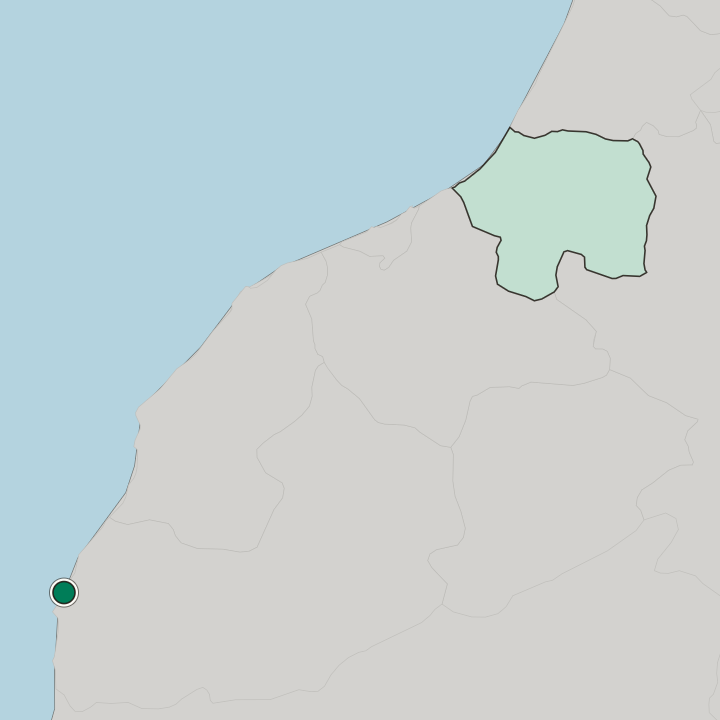
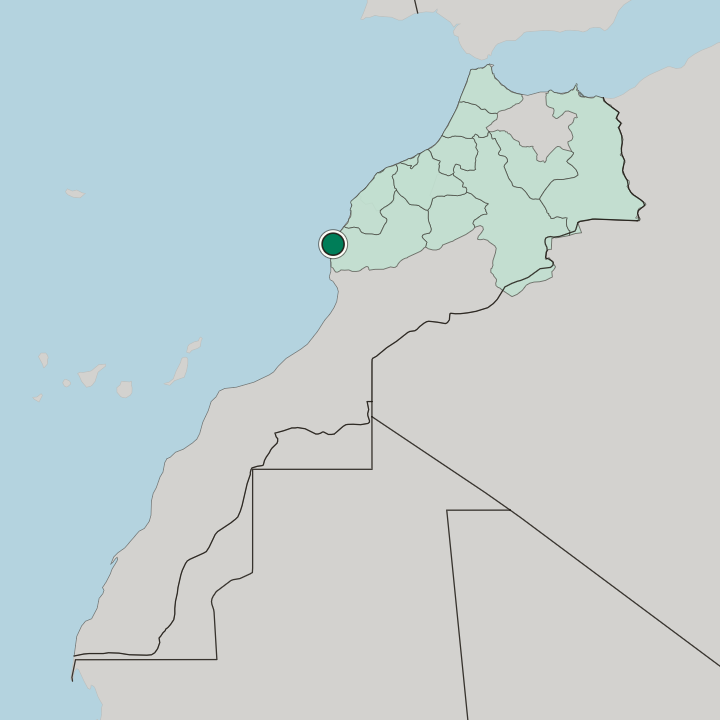
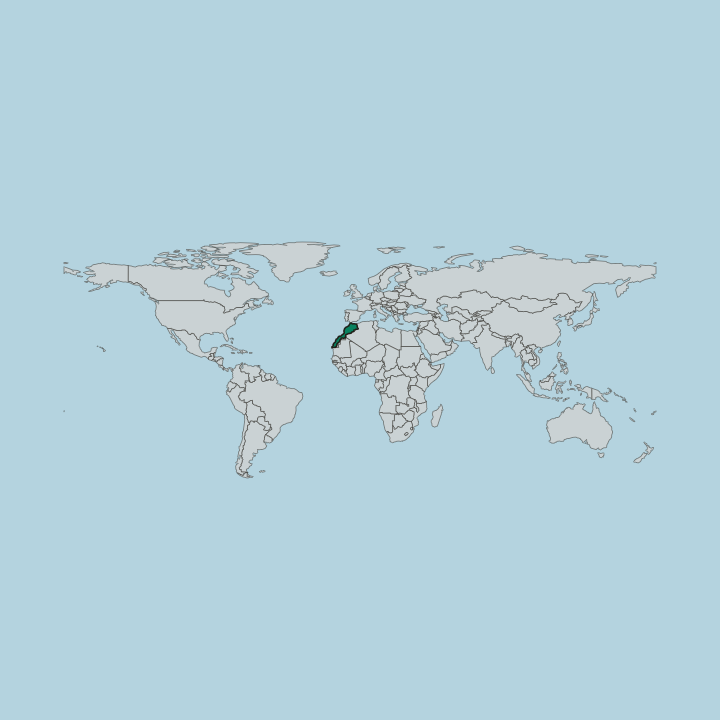
Essaouira stands on the Atlantic coast of Marrakesh-Safi, on a low, exposed point where the shore turns to face the open ocean. A sheltering island lies just off the harbour, breaking the swell that the trade winds drive onshore. The land is flat and sandy here.
Wide beaches run south from the walls toward Diabat, while Marrakech sits inland to the east across the plain, the historic destination of the goods that once passed through the port.
What is the climate of Essaouira?
Essaouira has a mild, wind-tempered climate cooled year-round by the Atlantic. Its old name, the Windy City, comes from steady trade winds that hold summer heat well below inland Marrakech and keep the air fresh off the ocean. Winters stay gentle.
Rain falls mostly in the cooler months, and thick morning cloud often burns off the coast by midday, so the town rarely sees the extremes felt across the plain toward Marrakech.
How do you get to Essaouira?
Essaouira is reached most often by road from Marrakech, a straightforward drive west across the plain to the Atlantic coast. Buses and shared taxis run the route daily, arriving near Bab Doukkala at the edge of the medina. A small airport lies just outside town.
It handles a handful of seasonal flights, though the majority of visitors still come overland from Marrakech or up the coast from other ports of Marrakesh-Safi.
Common questions
What is the best area to stay in Essaouira?
Inside the ramparts: First-time visitors who want to sleep in the walled medina by the fish harbour. The beachfront toward Diabat: Families and surf or kite travellers who want open sand over the souks.
Good for
More cities in Marrakesh-Safi
Updated September 2026