Morocco
Marrakesh-Safi, Morocco — Towns & Travel Guide
Marrakesh-Safi runs from the red walls of Marrakech across the Haouz plain to the Atlantic ramparts of Essaouira and Safi.
Hotel links are affiliate links: booking through them may earn us a commission, at no extra cost to you. It never affects how places are ranked. How this works


Towns & cities in Marrakesh-Safi
Pick a town or city — each links to where to stay.
 Morocco
Marrakesh
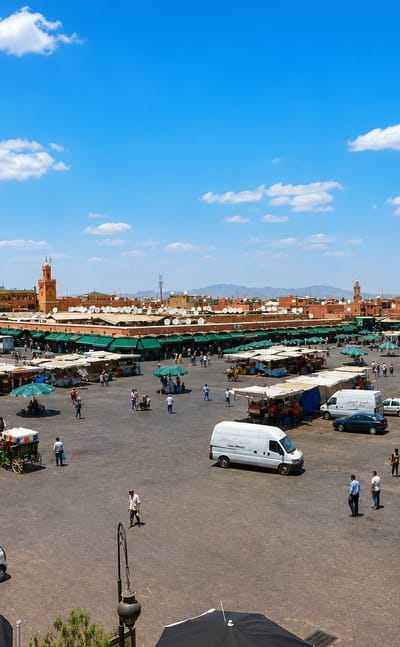
Marrakesh is an imperial city in Marrakesh-Safi, Morocco, set west of the Atlas Mountains and known for the Bahia Palace.Where to stay →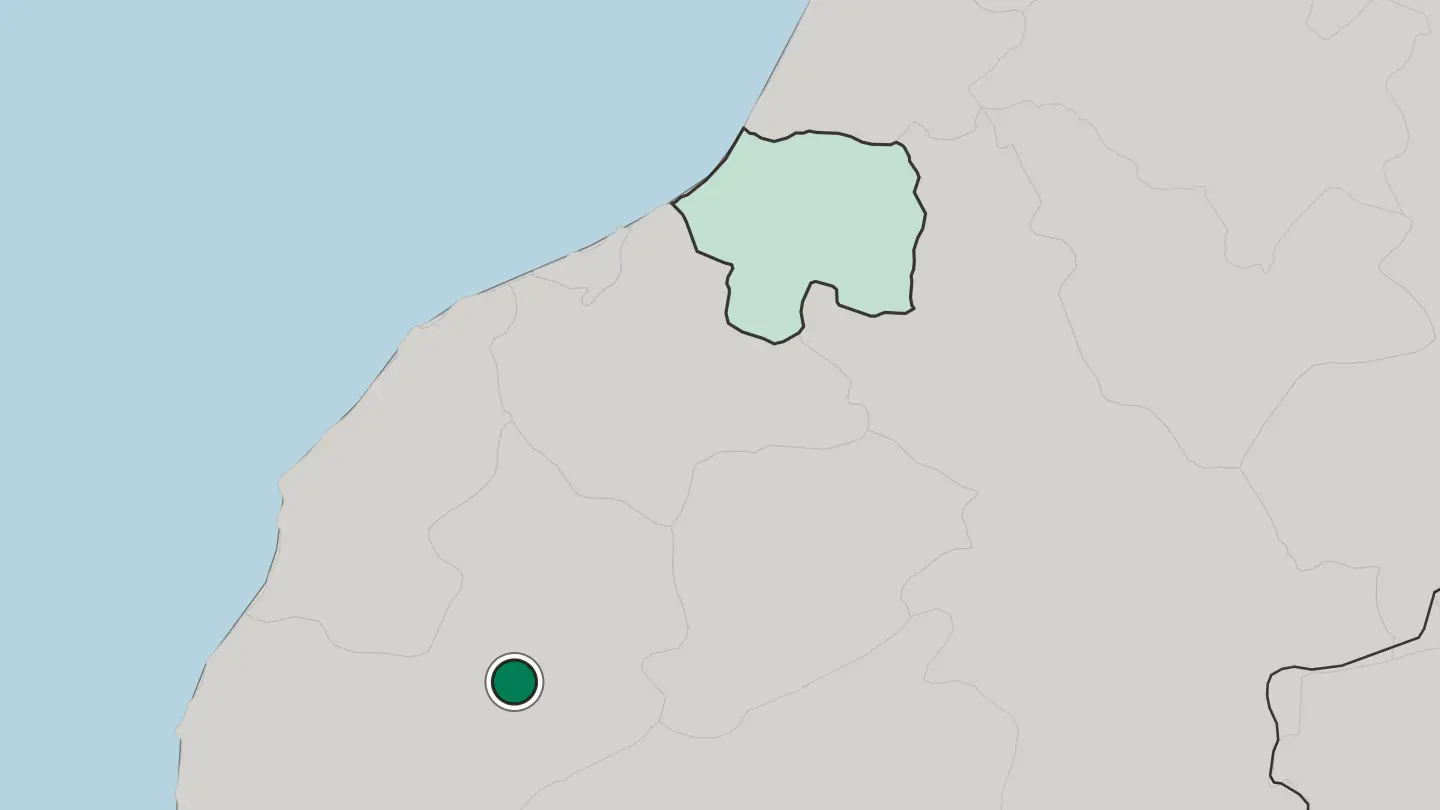
 Morocco
Safi
Safi is an Atlantic port city of Morocco, the ceramic capital of the country, guarded by an old Portuguese fortress.Where to stay →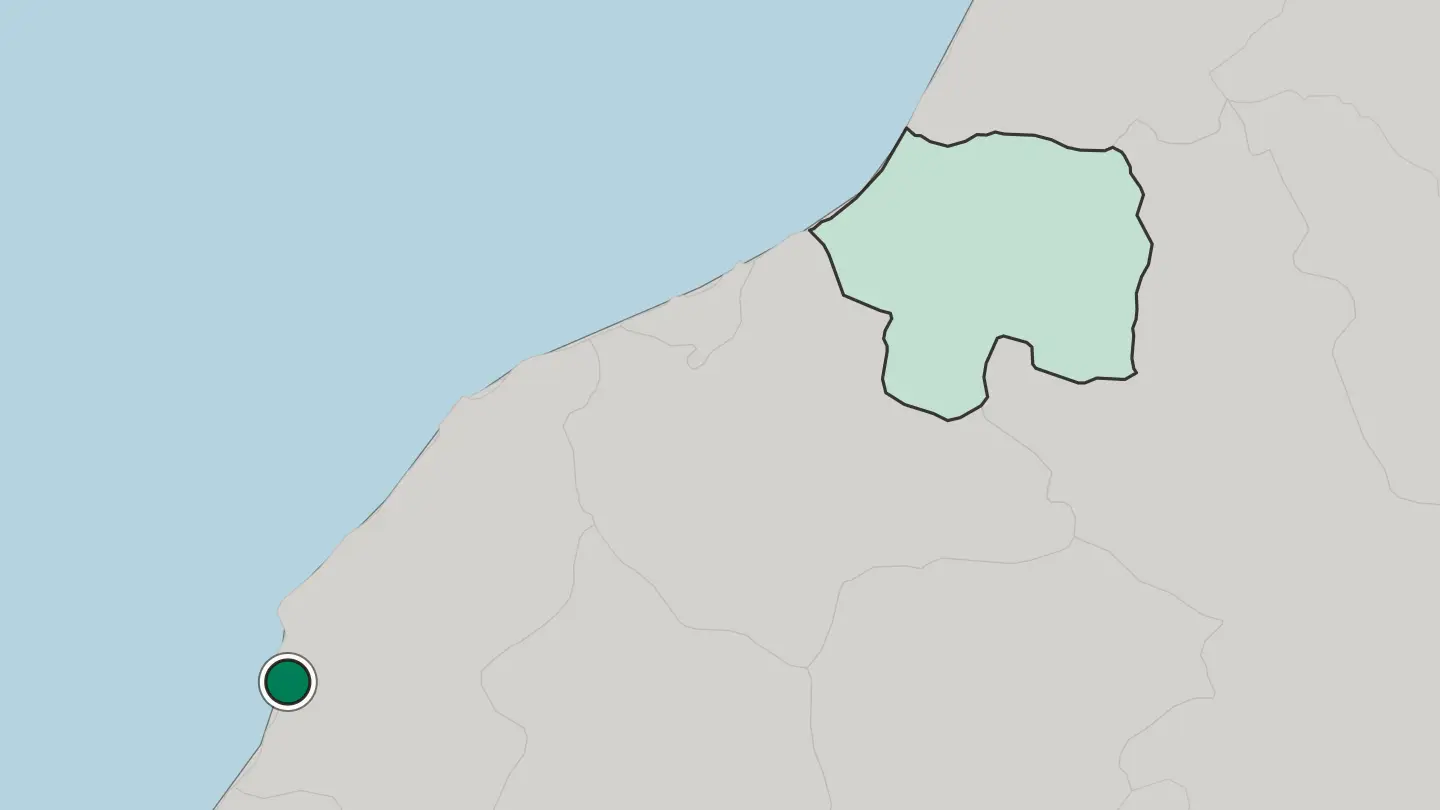
 Morocco
Essaouira
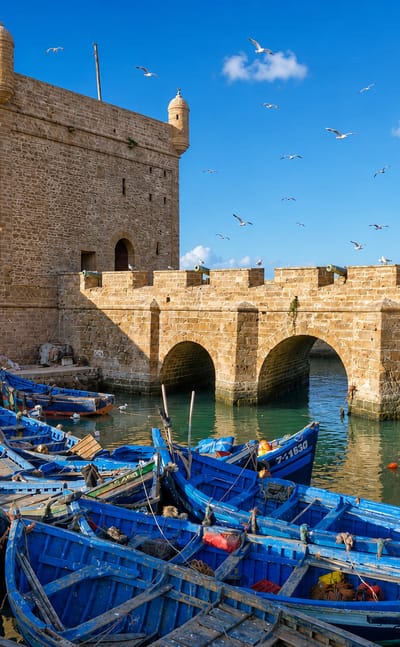
Sea wind scours the ramparts at Essaouira, a walled Atlantic port in Marrakesh-Safi, Morocco, known for its UNESCO medina, once called Mogador.Where to stay →
Hotel links are affiliate links: booking through them may earn us a commission, at no extra cost to you. It never affects how places are ranked. How this works
About Marrakesh-Safi
The region is known for Marrakech above all.
What is Marrakesh-Safi known for?
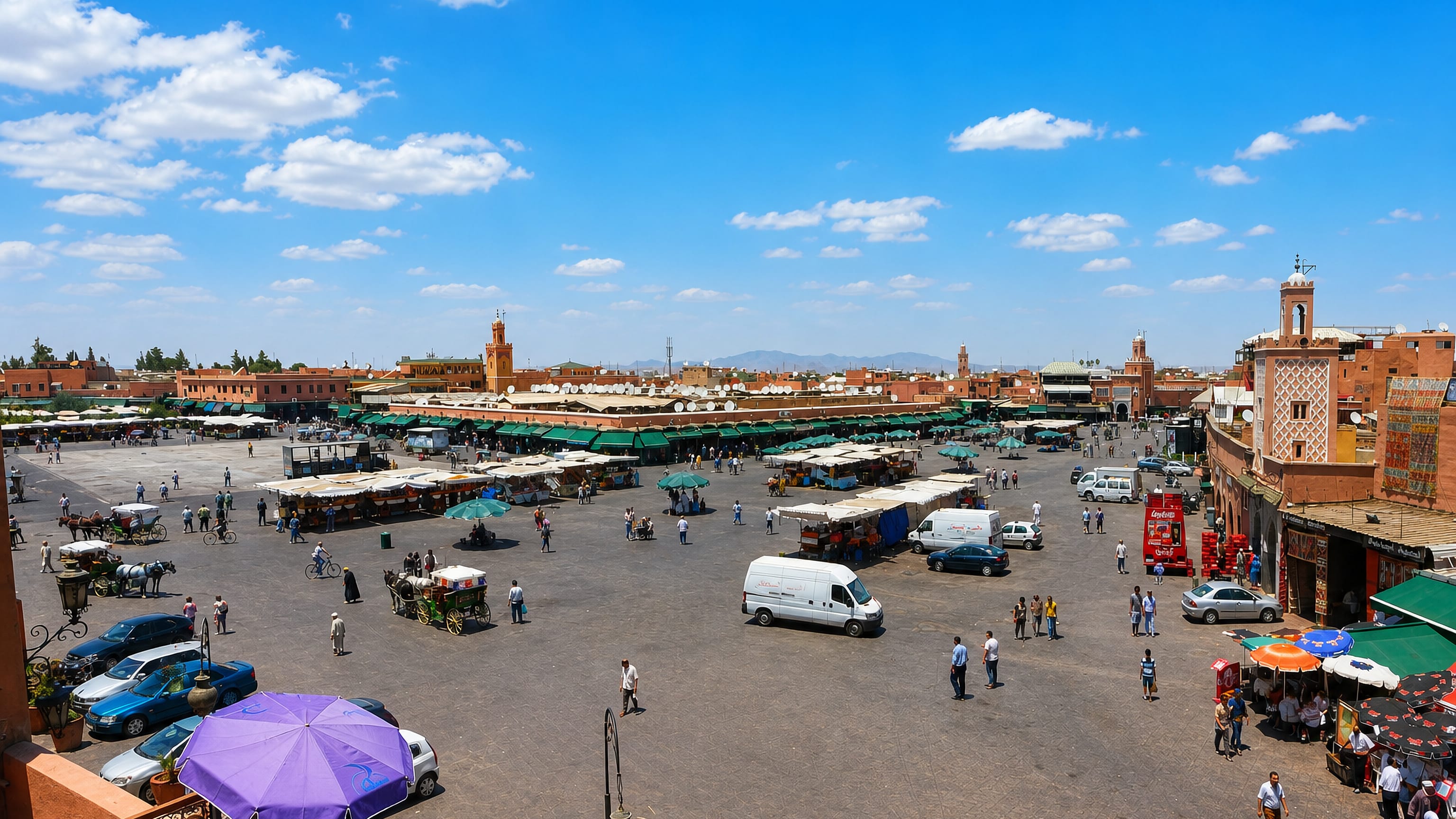
Its ochre-walled medina, the square of Jemaa el-Fnaa and the minaret of the Koutoubia Mosque draw most of the visitors who fly into central Morocco. Behind the city rise the snow-topped peaks of the High Atlas, close enough to see from the rooftops. West of the plain the land meets the Atlantic Ocean at the walled port of Essaouira and the pottery town of Safi.
Craft is everywhere. The souks turn out leather, copper and dyed wool, and Safi's kilns have fired blue-and-white ceramics for centuries.
Where is Marrakesh-Safi?
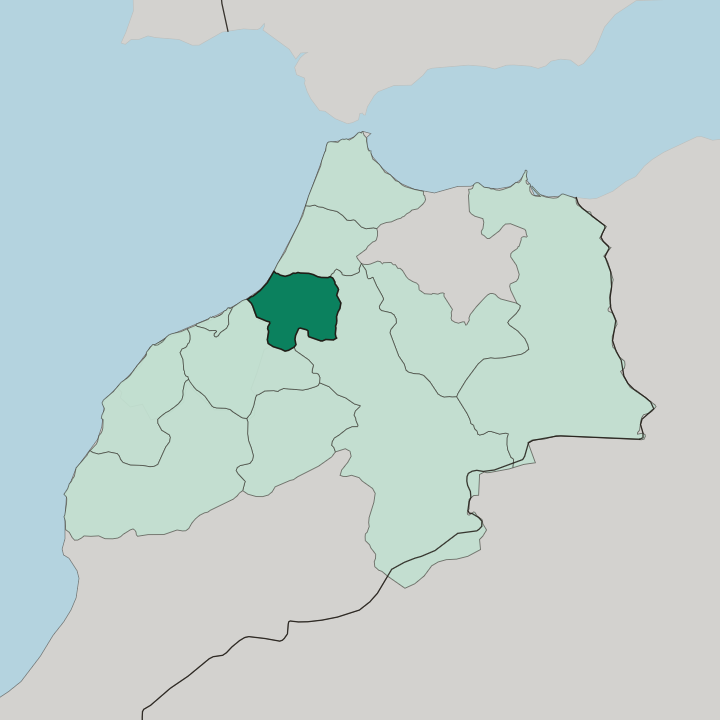
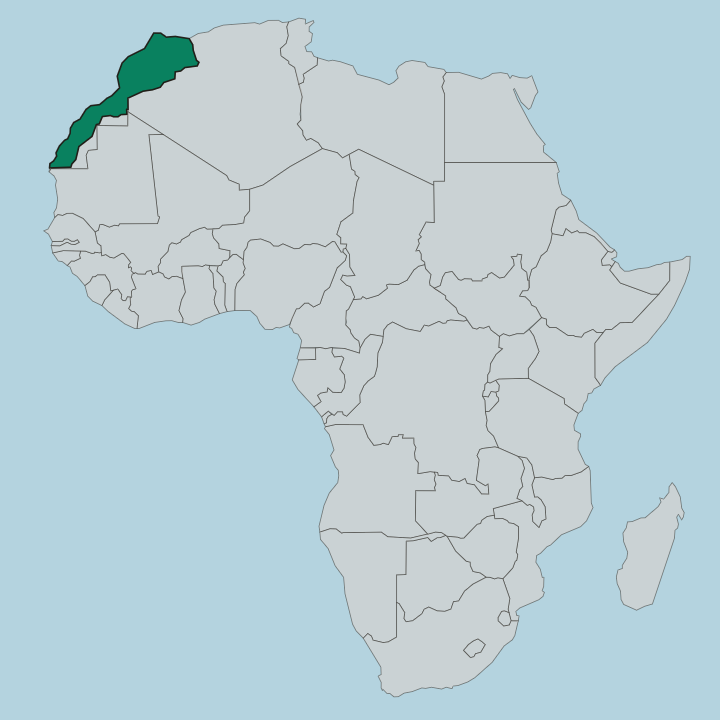
Marrakesh-Safi sits in central-western Morocco, spanning the ground between the Atlantic Ocean and the crest of the High Atlas. Its heart is the Haouz plain. Marrakech stands near the middle of that plain, some way inland, at roughly 450 metres above the sea.
South of the city the land tilts up sharply into the High Atlas. Snow caps those summits through the winter and feeds the streams that cross the plain. The chief of them is the Tensift River, which gathers from several headstreams in the mountains and runs west past Marrakech to reach the Atlantic Ocean south of Safi.
West is the coast. Essaouira and Safi are the two Atlantic ports, strung along a shore where cold offshore currents and steady trade winds keep the air far milder than the baking interior. Between coast and mountain the region takes in a spread of provinces, from Al Haouz in the mountains to Chichaoua on the road west and El Kelâa des Sraghna out on the northern plain.
It is a short region in miles but a tall one in altitude.
What is Marrakesh-Safi like?
Culture here is Berber and Arab together, and Marrakech is where the two mix loudest. The old city was a Berber capital before it was anything else, and Amazigh craft and Arabic learning have shaped it side by side ever since. Jemaa el-Fnaa shows it.
By day the square fills with orange-juice carts and snake charmers; after dark it becomes an open-air kitchen of grilled meat, storytellers and Gnawa drummers, a performance space UNESCO singled out for protection. In the souks around it whole lanes are given over to leather, dyed wool, lanterns and hammered copper. Craft defines the coast too.
Safi's hillside potteries have fired the region's blue-and-white ceramics for generations, and the trade is stamped into the town. Music carries its own calendar. Essaouira hosts a Gnaoua festival each June that turns the walled town into a stage and pulls crowds from across the country.
Green spaces soften the heat of the capital. The Menara gardens and their olive groves, and the painted blue pavilions of the Majorelle Garden, both belong to Marrakech as much as any souk does. The everyday language is Moroccan Arabic, with Tashelhit Berber strong in the mountains and French widely used in trade.
It is a region you hear before you see it.
What is the history of Marrakesh-Safi?
The region takes its life from Marrakech, founded around 1070 as the capital of the Almoravid dynasty on the Haouz plain. Under the Almoravids and the Almohads who followed, the city gave Morocco its name and became one of the great imperial capitals, the seat that built the Koutoubia Mosque and raised the red walls that still ring the medina. The coast has an older, harder edge: Safi and later Essaouira were held and fortified by the Portuguese in the sixteenth century, and their ramparts survive.
The region itself is new. Marrakesh-Safi was drawn up in 2015, joining the Marrakech plain to the Atlantic provinces around Safi and Youssoufia under one administration.
What is the climate of Marrakesh-Safi?
The region holds two climates at once. Marrakech and the Haouz plain are hot and semi-arid, with long dry summers when the afternoon heat can push past 45 degrees in July and August, and short winters cool enough to leave frost on the High Atlas above. The coast is another world.
Essaouira and Safi stay mild through the year, cooled by Atlantic currents and the near-constant trade winds off the ocean. Rain is sparse everywhere, falling mostly in the cooler months, while the mountain snows melt slowly to feed the Tensift River across the plain.
How do you get to Marrakesh-Safi?
Most visitors fly straight into Marrakech. Marrakech Menara Airport, on the western edge of the city, takes direct flights from across Europe. Trains link Marrakech north to Casablanca and the coastal cities, ending the national rail line at the edge of the Haouz plain.
Reaching the rest of the region means the road. Buses and taxis run west to the Atlantic ports of Essaouira and Safi, and up into the High Atlas toward the trailheads below Jbel Toubkal.
Common questions
What is the best area to stay in Marrakesh-Safi?
Marrakech: a first base beside Jemaa el-Fnaa. Essaouira: the windy Atlantic coast. The High Atlas foothills: mountain trekking toward Jbel Toubkal. Safi: the potters' coast.
Good for
More regions in Morocco
Updated October 2026