Morocco · Marrakesh-Safi
Where to Stay in Safi, Marrakesh-Safi
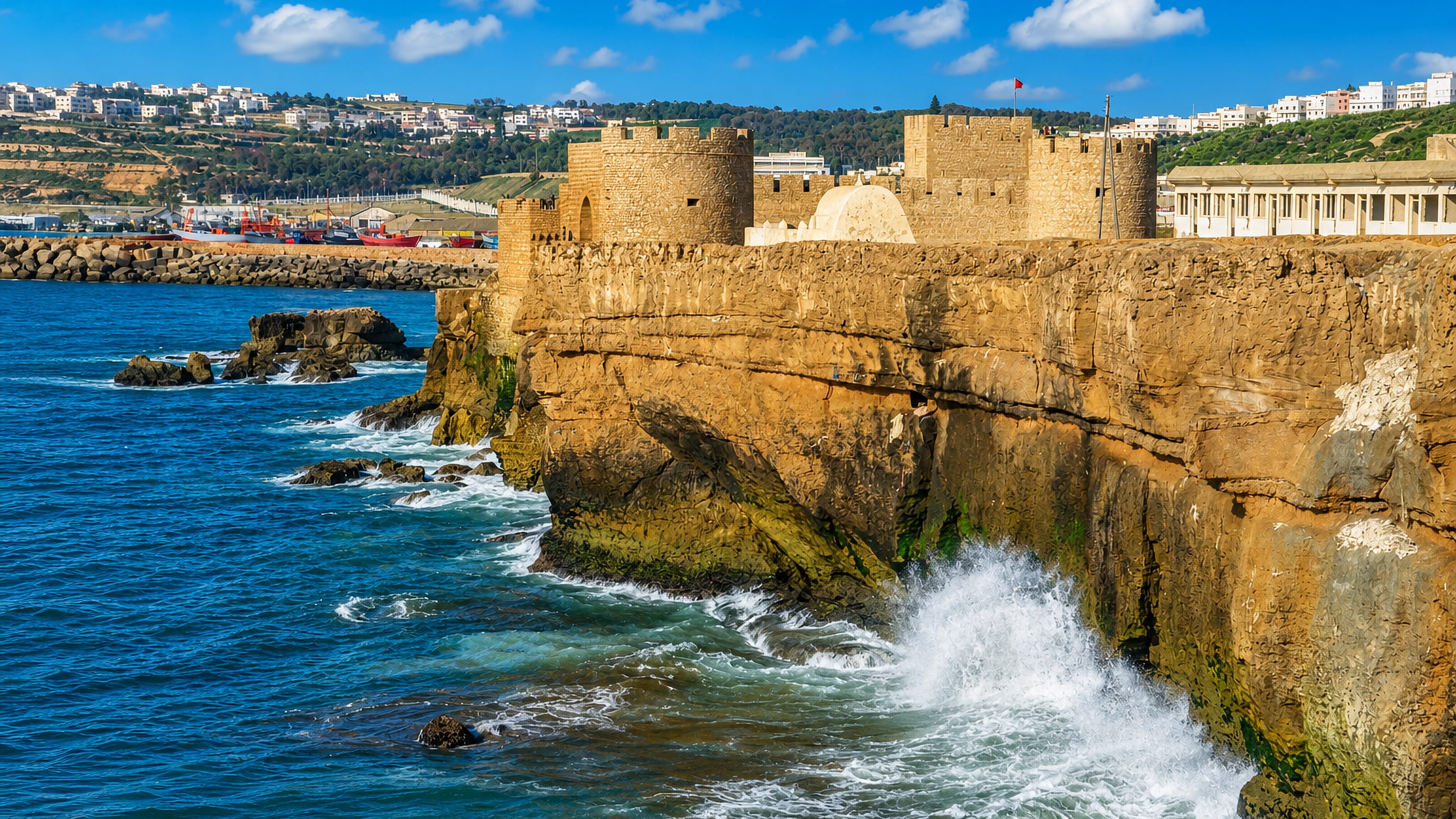
Safi is an Atlantic port city of Morocco, the ceramic capital of the country, guarded by an old Portuguese fortress.
Hotel links are affiliate links: booking through them may earn us a commission, at no extra cost to you. It never affects how places are ranked. How this works


Where to stay in Safi
Where visitors usually base themselves, and why.
Picking a base in Safi starts with the medina above the harbour. The lanes around the medina and the sea castle keep the pottery, the market, and the harbour within a walk, and staying in the centre suits anyone here for the old city. The kilns smoke on the hill.
Rooms sit near the fortress and the port. Out toward the beaches and the newer town, the coast runs into quieter shores. A room by the sea trades the old medina for the sand, the surf, and an easy road up the coast.
The bare hills rise behind the shore. If you want the pottery and the castle, stay in the centre; if you want the beach, take a room by the sea. Whichever you choose, the medina stays a short way off.
Find hotels in Safi
Direct booking searches for these neighbourhoods.
The old town
Around the medina and the Sea Castle, within a walk of the Potters' QuarterFind hotels in The old townStays wanting the sand and the Atlantic swellThe beaches
Along the coast in the newer town, an easy road up the shoreFind hotels in The beachesHotel links are affiliate links: booking through them may earn us a commission, at no extra cost to you. It never affects how places are ranked. How this works
About Safi
Safi is the pottery city of Morocco.
What is Safi known for?
On a hill above the old town, kilns and workshops turn out the bright glazed ceramics the city is famous for, a Portuguese sea fortress guards the harbour, and a walled medina runs down to the Atlantic. Fishing boats crowd the port. Pottery and sea mark the city.
What are the main landmarks in Safi?
The Sea Castle guards the harbour of Safi. The old Portuguese fortress of stone stands on the shore below the medina, the emblem of the town, above the water. Kilns smoke on the hill above.
The Potters' Quarter fires its bright ceramics, while the National Museum of Ceramics in the old kasbah and the Portuguese chapel keep the town's past.
What is the history of Safi?
Safi has been a port on the ocean since ancient times. Phoenician and Roman traders knew the bay, and by the Middle Ages it was a busy Moroccan harbour, trading and shipping across the sea. The Portuguese seized the town.
Early in the sixteenth century they took Safi and held it for a generation, raising the sea fortress and starting a cathedral, before the sultans drove them out and left their walls behind. The potters made the city famous. On a hill above the medina, generations of craftsmen fired the bright glazed pottery that spread the name of Safi across Morocco, and the potters' quarter still smokes with its kilns.
The sea gave it a second trade. In modern times Safi became one of the great sardine ports of the world, its harbour packed with boats, and its factories lined the shore. The old fortress still guards the port.
Safi keeps its kilns and its castle above the Atlantic.
Where is Safi?
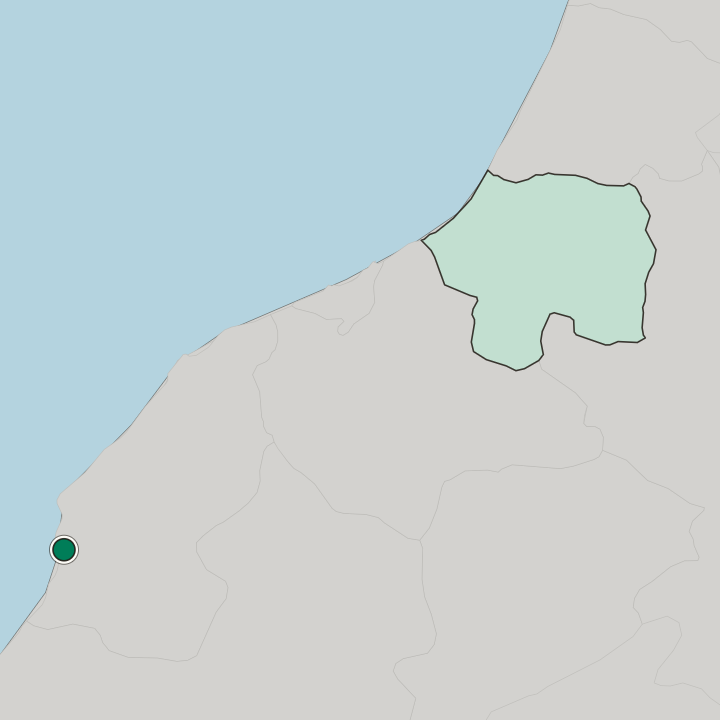
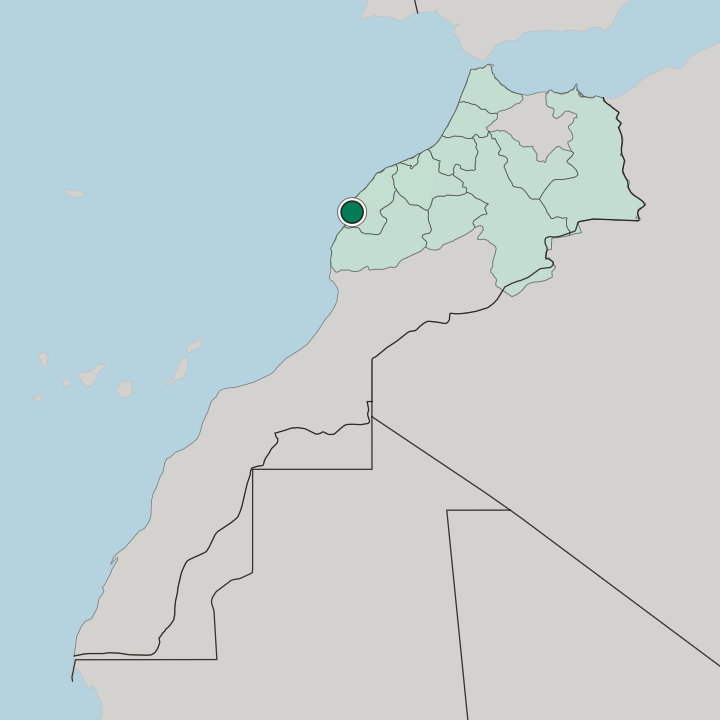
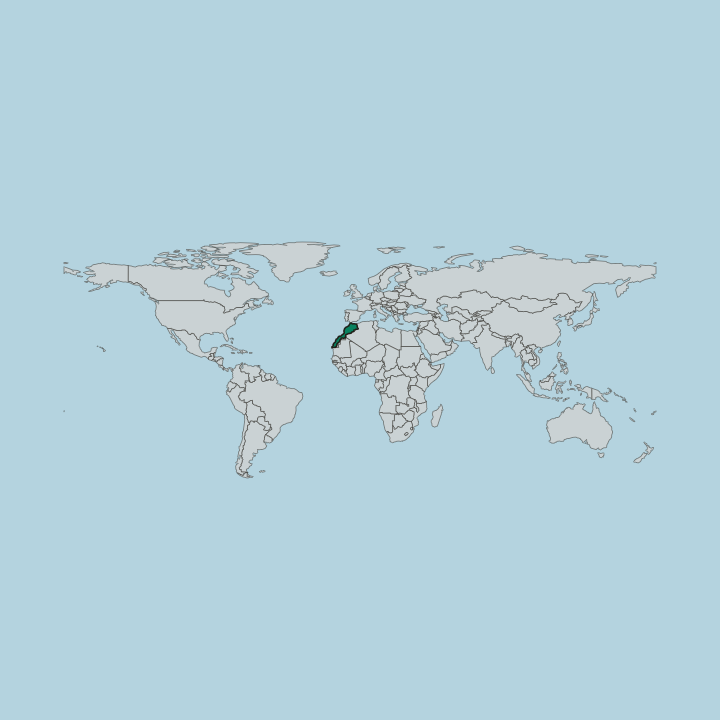
Safi lies on the Atlantic coast of western Morocco. The city climbs a low cliff above a bay of the ocean, where the dry coastal plain meets the sea, halfway down the Moroccan shore. Bare hills rise behind the town.
The Atlantic stretches wide to the west.
What is the climate of Safi?
Safi has a mild, dry Atlantic climate. Warm, dry summers are cooled by the ocean breeze, and the winters stay mild with a little rain, kept gentle year-round by the sea. Sea fog drifts in on some mornings.
The coast stays soft and cool.
Common questions
What is the best area to stay in Safi?
The old town: Visitors here for the pottery, medina, and castle. The beaches: Stays wanting the sand and the Atlantic swell.
Good for
More cities in Marrakesh-Safi
Updated September 2026