Morocco · Marrakesh-Safi
Where to Stay in Marrakesh, Marrakesh-Safi
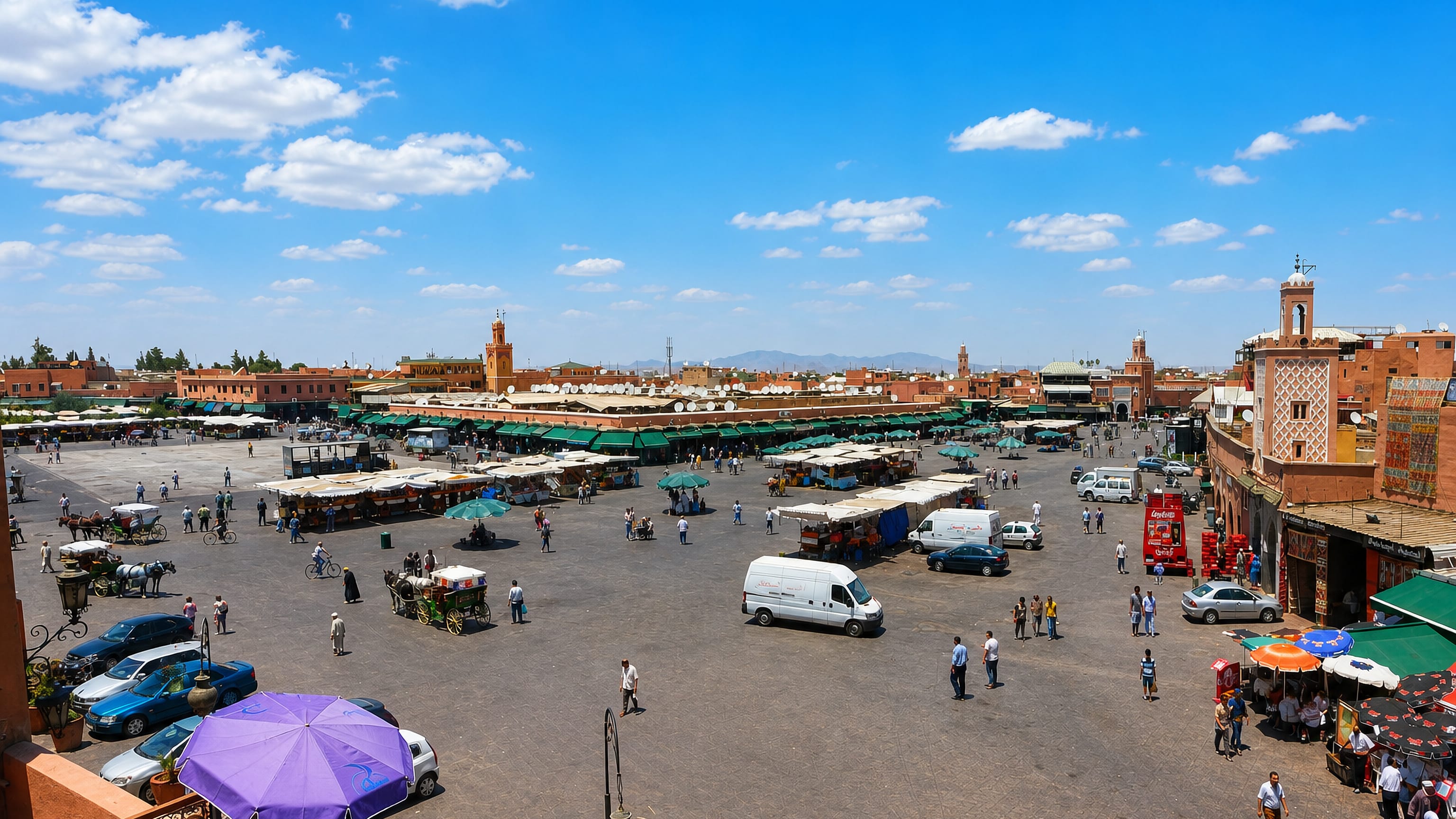
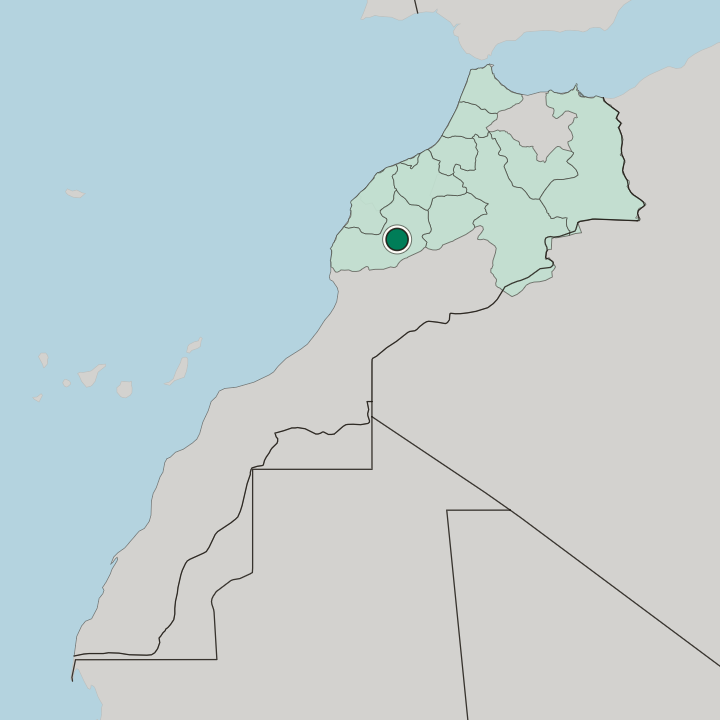
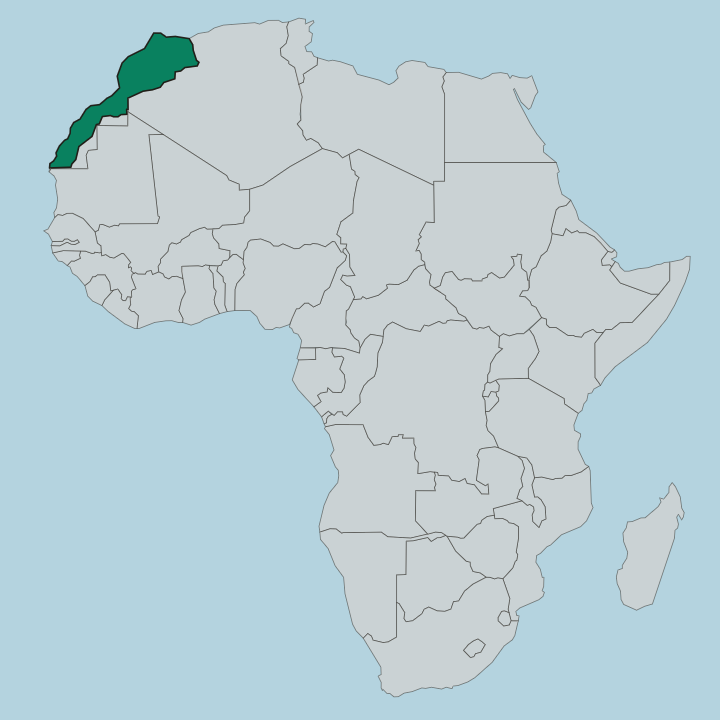
Marrakesh is an imperial city in Marrakesh-Safi, Morocco, set west of the Atlas Mountains and known for the Bahia Palace.
Hotel links are affiliate links: booking through them may earn us a commission, at no extra cost to you. It never affects how places are ranked. How this works


Where to stay in Marrakesh
One neighbourhood here has its own guide — here's what it is best for.
 MarrakeshMorocco
Gueliz
Gueliz is the Marrakesh district where four museums are recorded, among them the Berber Museum and the Yves Saint Laurent Museum in Marrakesh.Where to stay →Hotel links are affiliate links: booking through them may earn us a commission, at no extra cost to you. It never affects how places are ranked. How this works
Find hotels in Marrakesh
Direct booking searches for these neighbourhoods.
Old-town riad quarter
Courtyard houses tuck behind quiet doors near the Bahia Palace, minutes from the Dar Si Said Museum and the Marrakech Museum.Find hotels in Old-town riad quarterDesign stays near the Yves Saint Laurent Museum in MarrakeshGarden-museum side
Gardens and galleries around the Yves Saint Laurent Museum in Marrakesh suit slower visits away from the busiest lanes.Find hotels in Garden-museum sideGreener retreat by the Museum of the PalmeraiePalm-grove edge
Palm groves around the Museum of the Palmeraie offer a calmer base still linked to the Mouassine Museum and Dar el Bacha.Find hotels in Palm-grove edgeHotel links are affiliate links: booking through them may earn us a commission, at no extra cost to you. It never affects how places are ranked. How this works
Things to do in Marrakesh
Ranked by global recognition; descriptions from Wikidata (CC0).
Museums & Galleries
3- Marrakech Museum Heritage
- Dar Si Said Museum Heritage
- Tiskiwin Museum Heritage
Castles & Historic Sites
3- Bahia Palace Heritage
- Almoravid Koubba Heritage
- خزانة ابن يوسف
worth knowingacross 2 categories in Marrakesh
About Marrakesh
What is Marrakesh known for?
Marrakesh is known as one of the four imperial cities of Morocco and the capital of the Marrakesh-Safi region. Palaces set the tone. The Bahia Palace draws the largest crowds, its courtyards and carved rooms among the most visited rooms in the city, while the Almoravid Koubba survives as a rare early monument.
Museums fill out the reputation across the old quarters. The Yves Saint Laurent Museum in Marrakesh and the Berber Museum pull design-minded and heritage-minded travellers alike.
What are the main landmarks in Marrakesh?
Marrakesh packs its main landmarks into the walled old town of Marrakesh-Safi. The Bahia Palace leads the list, a nineteenth-century residence of courtyards and painted ceilings that anchors the heritage circuit. Early monuments survive too.
The Almoravid Koubba stands as one of the oldest structures in the city, while the Dar Si Said Museum and the Marrakech Museum hold craft and art collections nearby. The Yves Saint Laurent Museum in Marrakesh and the Berber Museum add design and ethnographic stops for anyone tracing the full route through the quarters.
What is the history of Marrakesh?
Marrakesh dates its founding to the year 1065, when the settlement was raised on the plain west of the Atlas Mountains that now sits within Marrakesh-Safi. It grew into a seat of power. The city became one of the four imperial cities of Morocco, and the Almoravid Koubba survives from that early era as a rare witness to the town's first century of building.
From that foundation the walled quarters and gates took the shape they still hold. Later centuries left a run of palaces and mansions that now serve as museums. The Bahia Palace records the ambitions of a nineteenth-century court, its courtyards and carved rooms preserved intact.
Merchant and official houses joined them over time. The Dar el Bacha and the Dar Si Said Museum keep the domestic architecture of ruling families, while the Tiskiwin Museum and the Berber Museum gather craft and material from across the wider country. Together these buildings hold the memory of an imperial capital shaped by dynasties, trade, and the mountains at its back.
Where is Marrakesh?
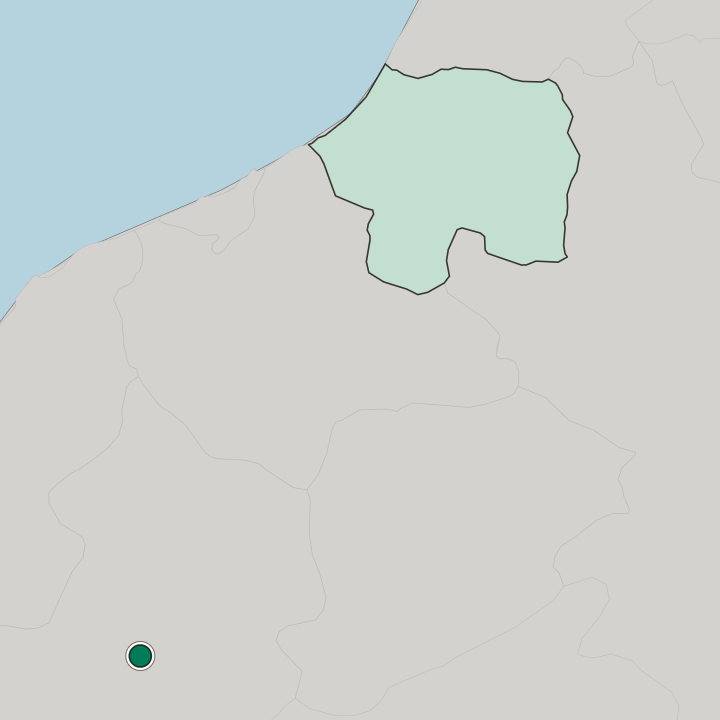
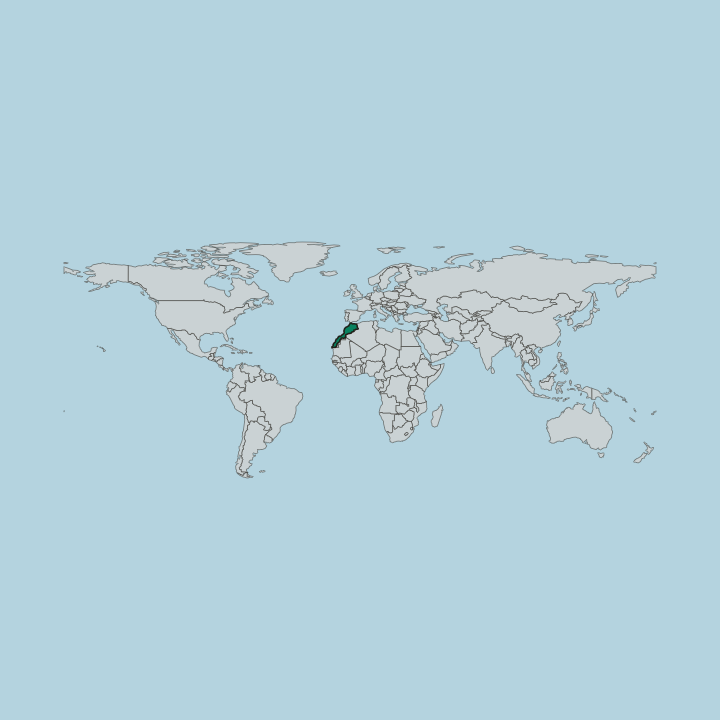
Marrakesh lies on an inland plain west of the foothills of the Atlas Mountains, at the core of Marrakesh-Safi. The mountains frame the horizon to one side, their high ridge rising beyond the palm groves that ring the walled town. The setting is dry and flat.
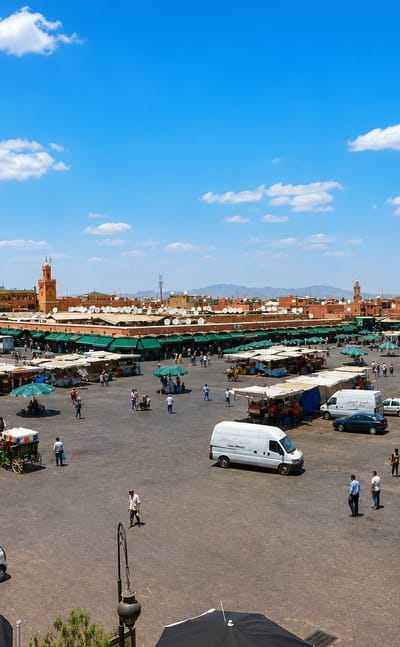
From the ramparts near the Bahia Palace the ground runs level across the plain, while the Museum of the Palmeraie marks the belt of palms that once watered the approach and still greens the edge of the city between the walls and the distant peaks.
What is the climate of Marrakesh?
Marrakesh has a hot, dry inland climate set by the plain west of the Atlas Mountains in Marrakesh-Safi. Summers run long and fierce, with strong heat baking the walled quarters and the courtyards of the Bahia Palace through the middle of the year. Winters turn mild and short.
Cooler air slips down from the mountains, and occasional rain settles the dust around the palm groves near the Museum of the Palmeraie before the dry season returns and the sun again dominates the plain.
How do you get to Marrakesh?
Marrakesh serves as the hub of Marrakesh-Safi on the plain west of the Atlas Mountains. Rail lines reach the city along the interior corridor, arriving within a short ride of the walled old town and the Bahia Palace. Roads climb in from every direction.
Coaches and buses cross the passes of the mountains and cut over the plain, dropping travellers near the gates, from where the Dar Si Said Museum and the central souks lie a short walk inside the ramparts.
Common questions
What is the best area to stay in Marrakesh?
Old-town riad quarter: First stay in a riad by the Bahia Palace. Garden-museum side: Design stays near the Yves Saint Laurent Museum in Marrakesh. Palm-grove edge: Greener retreat by the Museum of the Palmeraie.
Good for
More cities in Marrakesh-Safi
Updated October 2026