Morocco · Oriental
Where to Stay in Oujda, Oriental
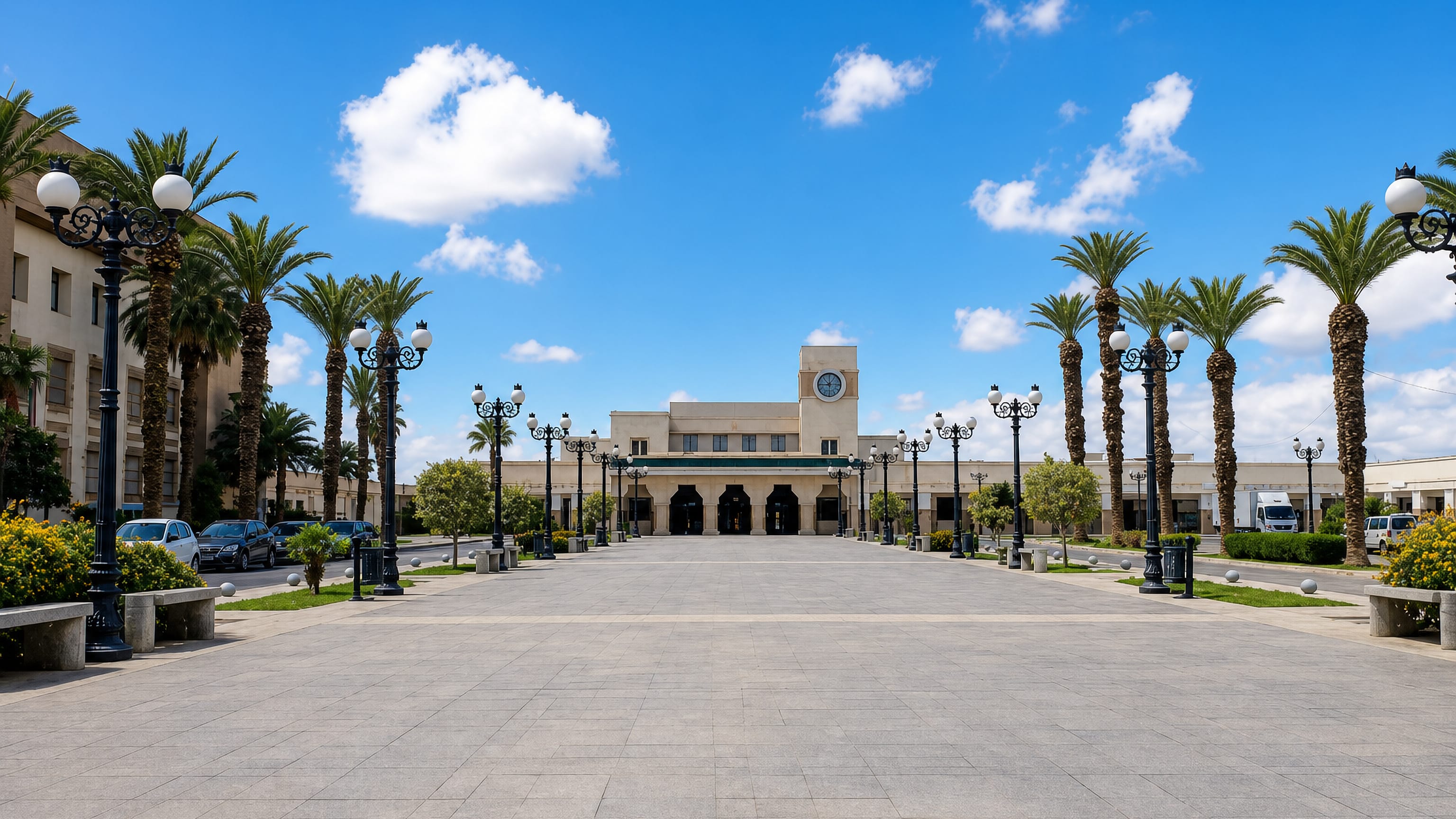
Oujda is a city of far east Morocco near the Algerian border, an old frontier crossroads of walls and gardens, a cradle of raï music at the plateau's edge.
Hotel links are affiliate links: booking through them may earn us a commission, at no extra cost to you. It never affects how places are ranked. How this works


Where to stay in Oujda
How the choice of base plays out on the ground.
Where you stay in Oujda turns on the medina or the town. The old walled quarter keeps the markets, the cafés, and the arches within a walk, and staying downtown suits anyone here for the old town. The plateau spreads all around.
Music drifts from the cafés. Out toward the hills and the grove, the town gives way to the quiet suburbs, the palm oasis of Sidi Yahya, and the road up to the Beni-Snassen. A room out of the centre trades the medina for the green gardens, the still oasis, and the bare hills to the north.
Past the last gardens the high ground stretches away unbroken toward the border. Stay downtown for the medina, or out for the hills. The old medina and the raï nights hold the frontier city.
Find hotels in Oujda
Direct booking searches for these neighbourhoods.
The medina
In the medina near Sidi YahyaFind hotels in The medinaStays wanting the oasis and Beni-SnassenToward the hills
North of the centre toward the Beni-SnassenFind hotels in Toward the hillsHotel links are affiliate links: booking through them may earn us a commission, at no extra cost to you. It never affects how places are ranked. How this works
About Oujda
Oujda is the frontier city of eastern Morocco.
What is Oujda known for?
On the high plateau near the Algerian border in the far east of the country, it grew as a crossroads town of the caravans, and it keeps the old walled medina and its arches, the sacred palm grove of Sidi Yahya nearby, the raï and gnawa music of its streets, and the road to the Beni-Snassen hills. The dry plateau runs to the hills. Music drifts from the cafés.
What are the main landmarks in Oujda?
The old medina is the pride of Oujda. The walled old town of arches and markets, the heart of the frontier city, is the emblem of the town, downtown. A sacred grove lies nearby.
The holy palm oasis of Sidi Yahya draws pilgrims outside the town, while the raï cafés, the Beni-Snassen hills, and the Zegzel gorge mark the country around Oujda.
What is the history of Oujda?
Oujda rose as a frontier town. On the road between Morocco and the lands to the east, it grew as a crossroads of caravans and armies, and its walls guarded the eastern march. The town passed through many hands.
Berbers, Arabs, and Ottomans held it in turn, and it was fought over for its place on the border, yet always rose again. The border shaped its music and trade. Traders and singers crossed between Oujda and Oran, and the town became a cradle of raï music, sung across the plateau.
The sacred grove drew pilgrims. At Sidi Yahya nearby lay a holy palm oasis revered by many faiths, and Oujda grew as the frontier city of the east, keeping its medina, its music, and its gardens. The music still fills the nights.
Oujda keeps its frontier city on the plateau.
Where is Oujda?
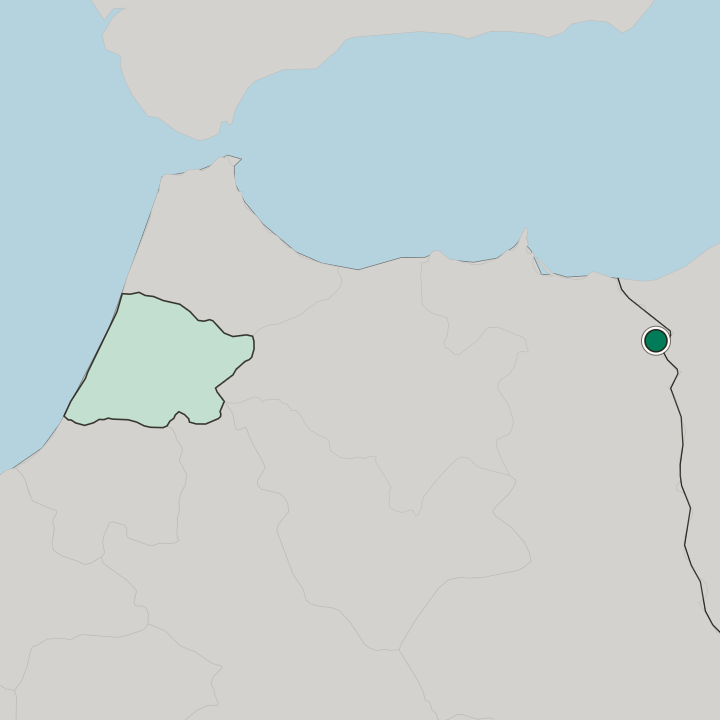
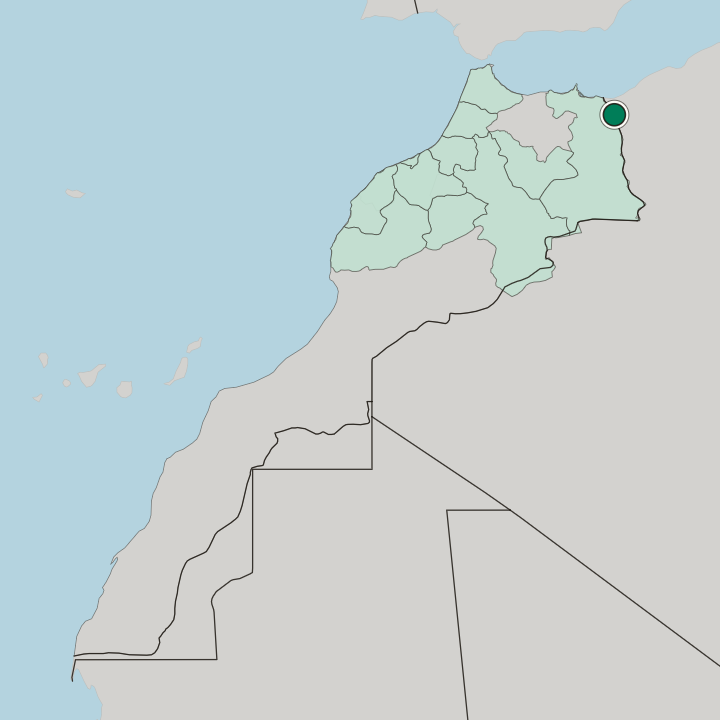
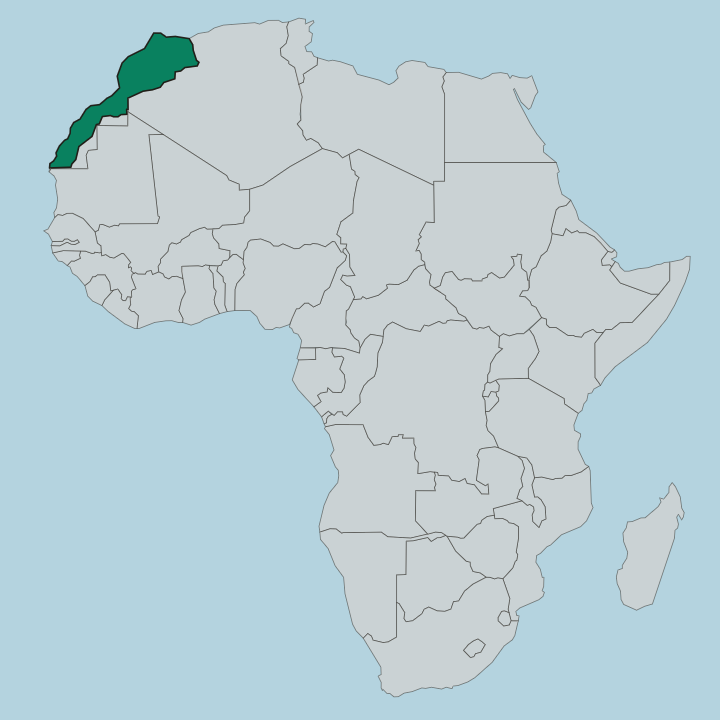
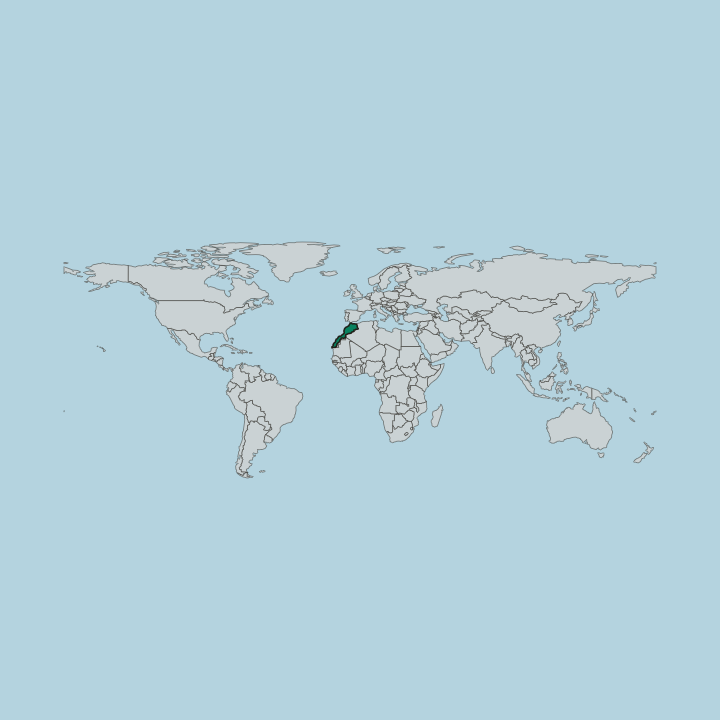
Oujda lies in the far east of Morocco, on a high plateau near the Algerian border. The city sits on a dry upland at the foot of the Beni-Snassen mountains, between the plateau and the hills, with the mountains and the Zegzel gorge rising to the north and the steppe stretching away to the south. The dry plateau spreads all around.
Bare hills climb to the north.
What is the climate of Oujda?
Oujda has a warm, dry steppe climate. Hot dry summers and cold winters cross the plateau, with fierce summer heat and cold nights and a little rain in winter. Summer bakes the plateau.
Winter nights turn cold.
How do you get to Oujda?
Oujda lies in far eastern Morocco, near the Algerian border. The rail and the highway run to it from Fes and the coast, and roads reach the border and the sea. The line from Fes carries trains over the open tableland into Oujda.
Fes lies west down the line.
Common questions
What is the best area to stay in Oujda?
The medina: Visitors here for the markets and cafés. Toward the hills: Stays wanting the oasis and Beni-Snassen.
Good for
More cities in Oriental
Updated September 2026