Morocco
Oriental, Morocco — Towns & Travel Guide
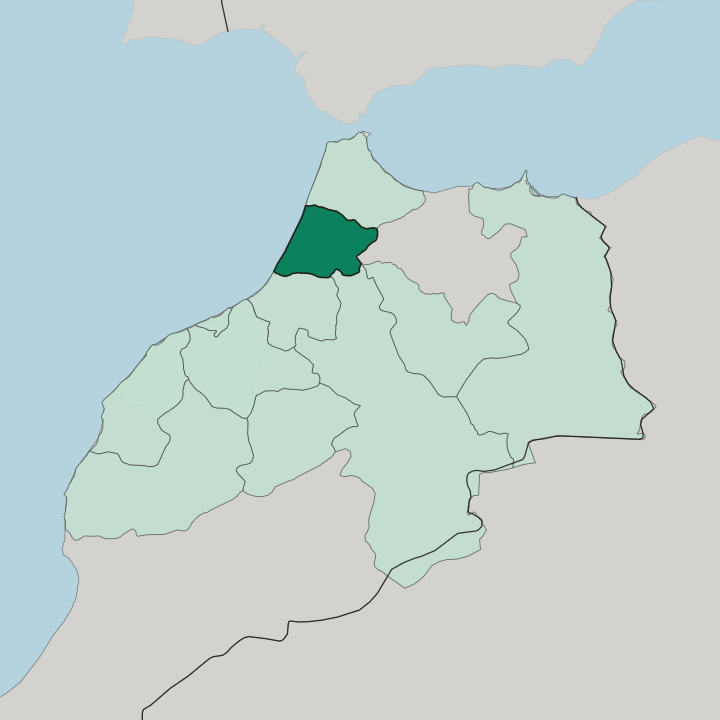
Oriental is Morocco's north-eastern corner, running from the Mediterranean at Saïdia to the Sahara oasis of Figuig.
Hotel links are affiliate links: booking through them may earn us a commission, at no extra cost to you. It never affects how places are ranked. How this works


Towns & cities in Oriental
Pick a town or city — each links to where to stay.

 Morocco
Oujda
Oujda is a city of far east Morocco near the Algerian border, an old frontier crossroads of walls and gardens, a cradle of raï music at the plateau's edge.Where to stay →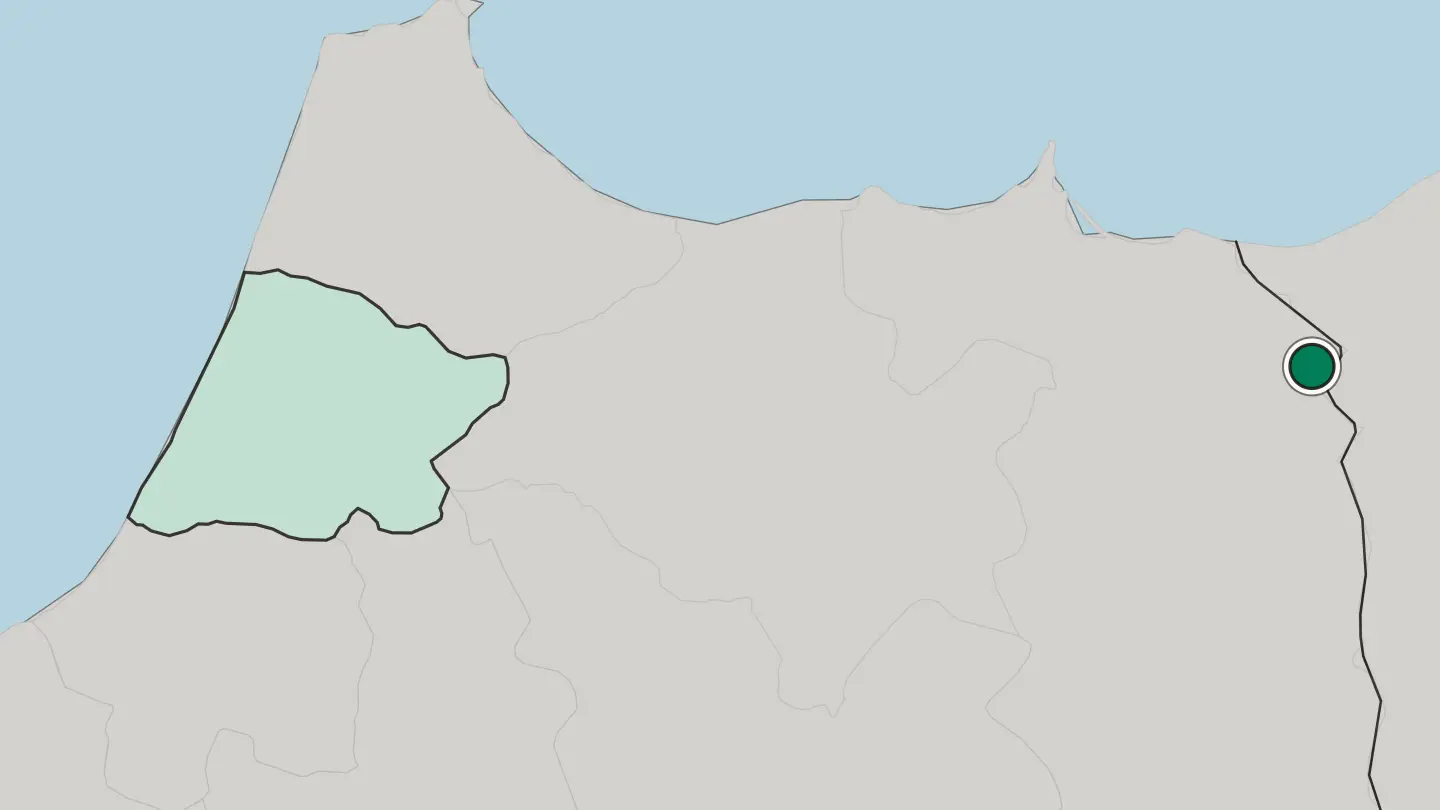
 Morocco
Nador
Nador is a Rif coast city in northeast Morocco on the Mar Chica lagoon, a Berber town on the Mediterranean below Mount Gourougou, near Spanish Melilla.Where to stay →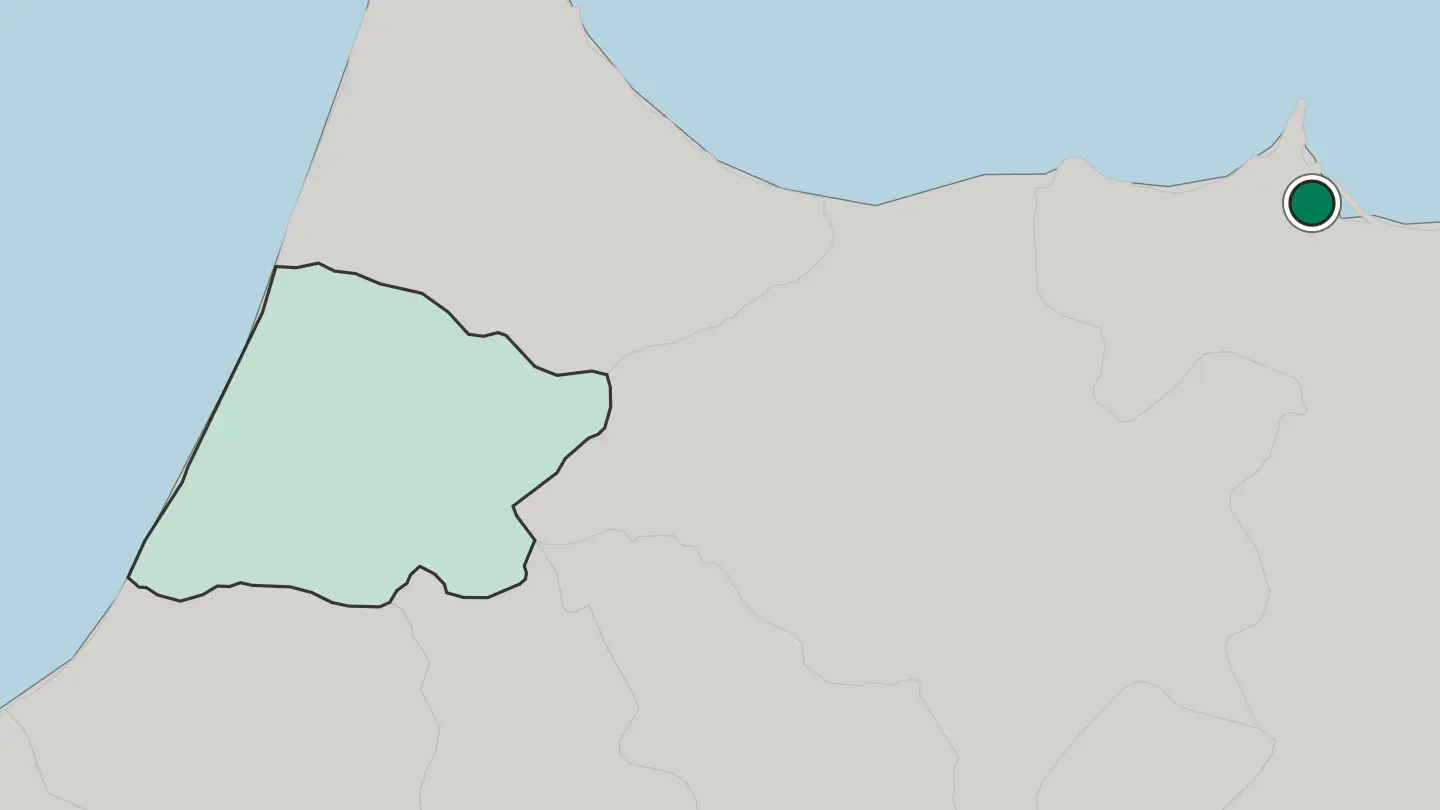
 Morocco
Berkane
Berkane is a Moroccan city on the edge of the Beni Snassen mountains, capital of Berkane Province and named for the citrus groves around it.Where to stay →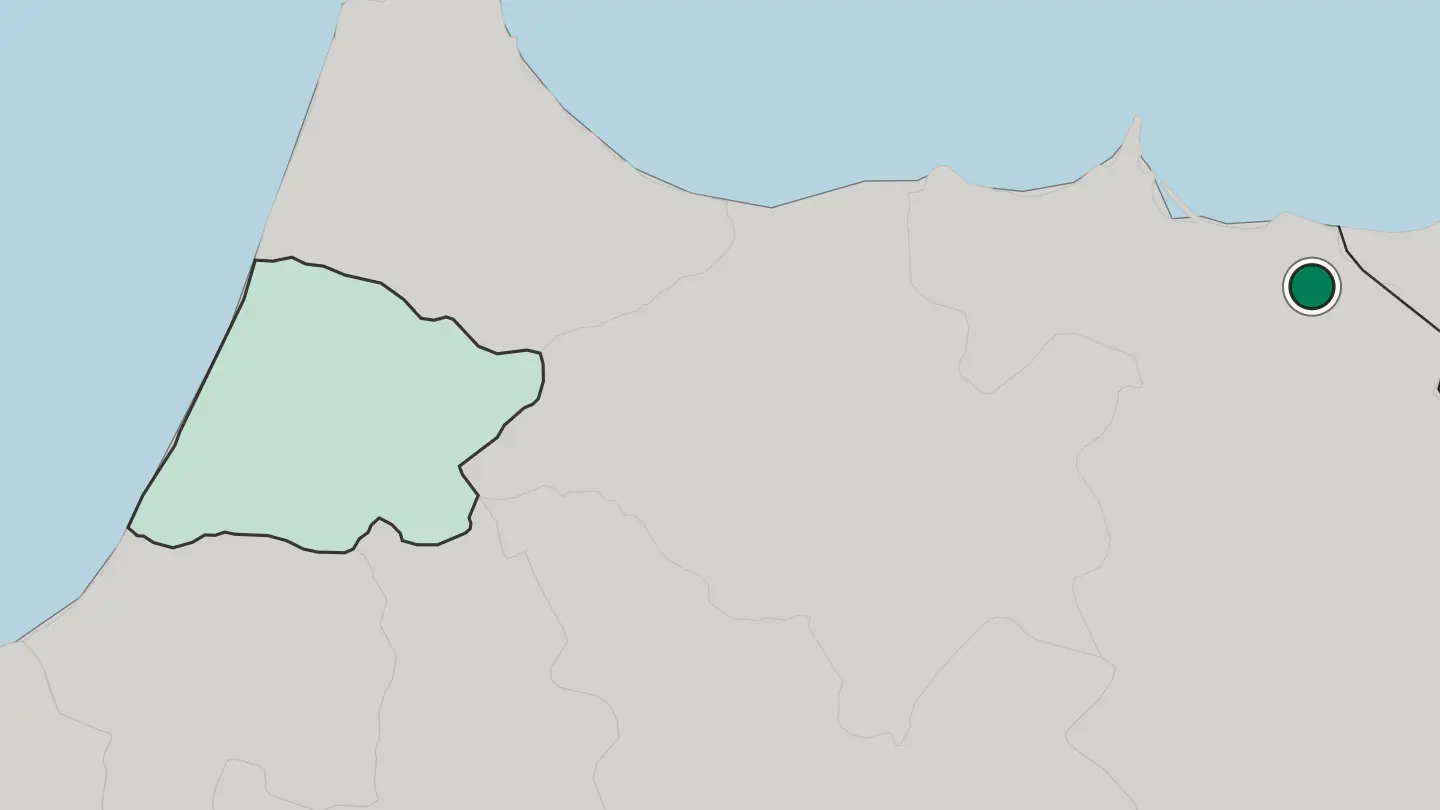
 Morocco
Taourirt
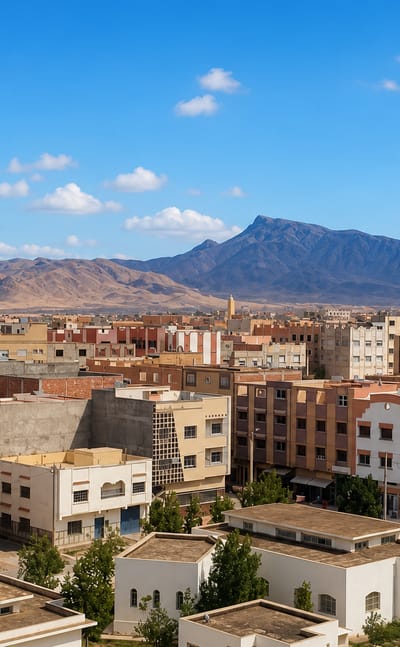
Taourirt stands above Wadi Za in Morocco's Oriental region, an olive and scrap-metal town grown out of a Marinid frontier fort.Where to stay →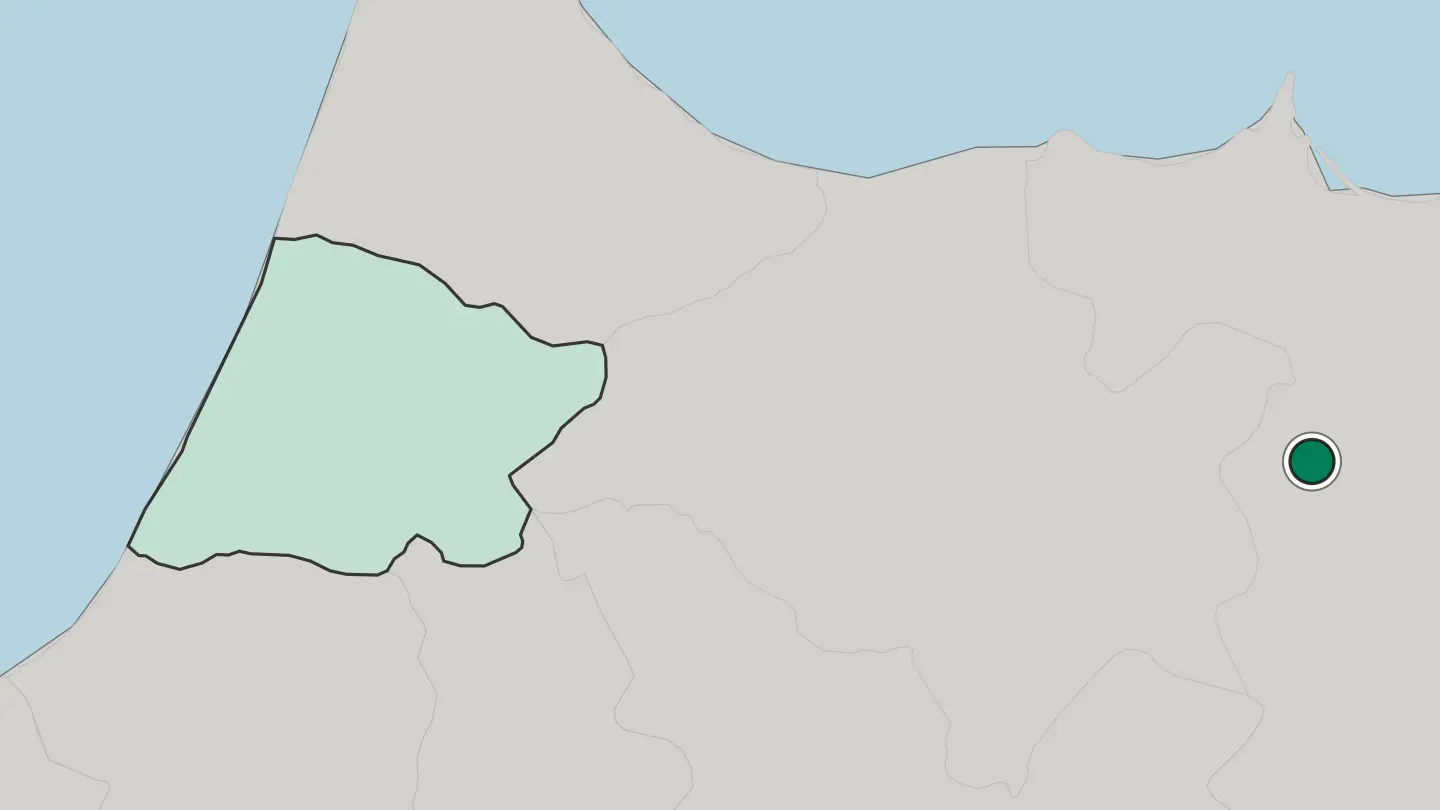
Hotel links are affiliate links: booking through them may earn us a commission, at no extra cost to you. It never affects how places are ranked. How this works
About Oriental
What is Oriental known for?
Oriental is the easternmost region of Morocco, pressed against the Algerian border for its whole length. Oujda anchors it. The city sits about 15 kilometres from that frontier and has served as the region's capital and largest market since the Marinid centuries.
North of it the land drops through the Beni Snassen massif to a short Mediterranean shore, where Nador guards the Mar Chica lagoon and Saïdia lines up its long sand beach. South of the mountains the country dries out fast toward the Sahara, ending at the palm oasis of Figuig.
Where is Oriental?
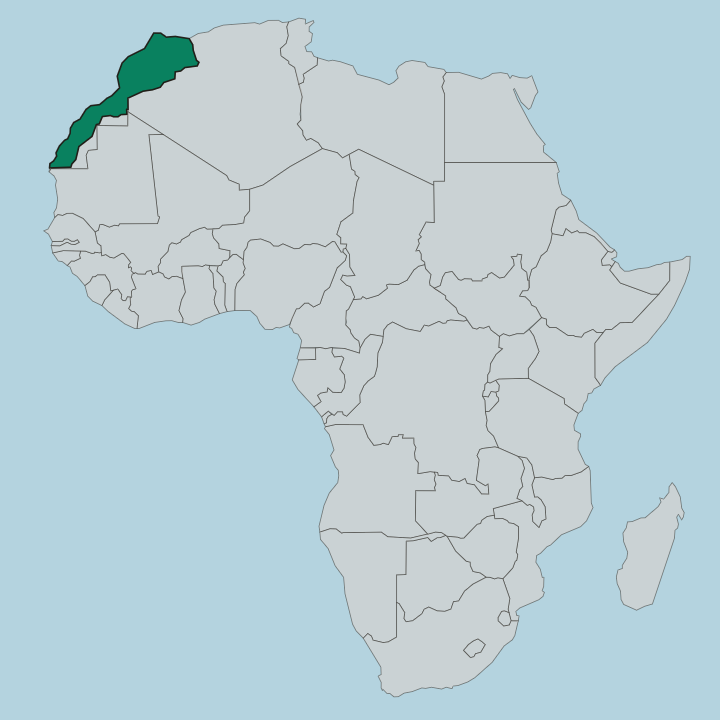
Oriental fills the north-eastern corner of Morocco, the easternmost of the country's regions. Its eastern edge is the Algerian border, which runs the full height of the region from the Mediterranean down into the desert. The Mediterranean Sea forms the short northern coast, where the Moulouya River finally reaches the water near Saïdia after a course of 520 kilometres from its source in the Middle Atlas.
That river is the region's spine and its western boundary for much of its length. The land is stacked in bands. Along the coast sit the resort beaches and Nador's Mar Chica lagoon, cut off from the open sea by a thin sand bar.
Behind them rises the Beni Snassen massif, an eastern outlier of the Rif reaching about 1,535 metres, its limestone gorges the wettest ground in an otherwise dry region. Berkane's citrus plains spread at its foot. South of the mountains the country flattens and parches into high steppe and then true Sahara, and the region ends far down at Figuig, a cluster of palm-shaded ksour on the Algerian frontier.
Oujda stands inland in the north, close to that border. From Mediterranean sand to Saharan palm is a single region.
What is Oriental like?
Two tongues share the region. Moroccan Arabic carries the markets and the streets of Oujda, while roughly a third of the region speaks Tarifit, the Berber of the Rif, heard most on the Nador coast where the largest Riffian city of Morocco stands. That coast looks as much to Melilla and to Spain as it does inland, and family ties, trade, and migration run across the water.
The frontier shapes daily life everywhere here. Oujda's own culture leans east as well as west. Its music and food carry echoes of Oran across the Algerian border, and the city is a known home of raï and of the reed-flute gharnati tradition.
Away from the cities the rhythm is agricultural: the clementine harvest around Berkane, the olive groves and vineyards on the Beni Snassen slopes, and the date palms of the far southern oases at Figuig. Border markets set much of the region's tempo. Sunday in a Beni Snassen village and an afternoon in an Oujda café belong to the same place, but they feel like two countries, and that doubleness is the character of the whole east.
What is the history of Oriental?
Oujda gives the region its long memory. The Zenata chief Ziri ibn Atiyya founded the city in 994, and its position on the road between Morocco and the plains of Oran made it a prize for every dynasty that followed. The Marinids razed and rebuilt it in the thirteenth century, walling it and raising its great mosque.
Trade and armies crossed here for a thousand years. The region as a single administrative unit is far younger, drawn up in its present form only in 2015, when Morocco redrew its map into twelve regions with Oujda as this one's capital.
What is the climate of Oriental?
Oriental is one of Morocco's dry corners. Shut off from the wet Atlantic by the Rif and the Atlas, it sees far less rain than the country's west, and the Moulouya basin around Oujda runs hot and parched through the long summers. The Mediterranean strip at Saïdia and Nador stays milder, with warm sea-tempered summers and soft winters.
The wettest ground is the Beni Snassen, whose limestone heights wring what rain there is from the passing air. Head south past the mountains and the sky clears to desert.
How do you get to Oriental?
Most visitors fly into Oujda Angad, the region's main airport, which links the capital to Casablanca and to European cities across the Mediterranean. Nador keeps its own coastal airport for the beach traffic. The land border with Algeria beside Oujda has long been closed, so arrivals come by air, or overland from the rest of Morocco to the west.
Trains reach Oujda from Fès and Casablanca. Inside the region, the road down the Moulouya valley ties the coast to Oujda and on toward Figuig in the far south. It is a long haul south.
Common questions
What is the best area to stay in Oriental?
Oujda: the capital and the main gateway. Saïdia: a beach resort stay on the Mediterranean. Nador: the working Mediterranean port and the lagoon. Berkane: the orchard country under the mountains.
Good for
More regions in Morocco
Updated September 2026