Mexico · Estado de Baja California Sur
Where to Stay in La Paz, Estado de Baja California Sur
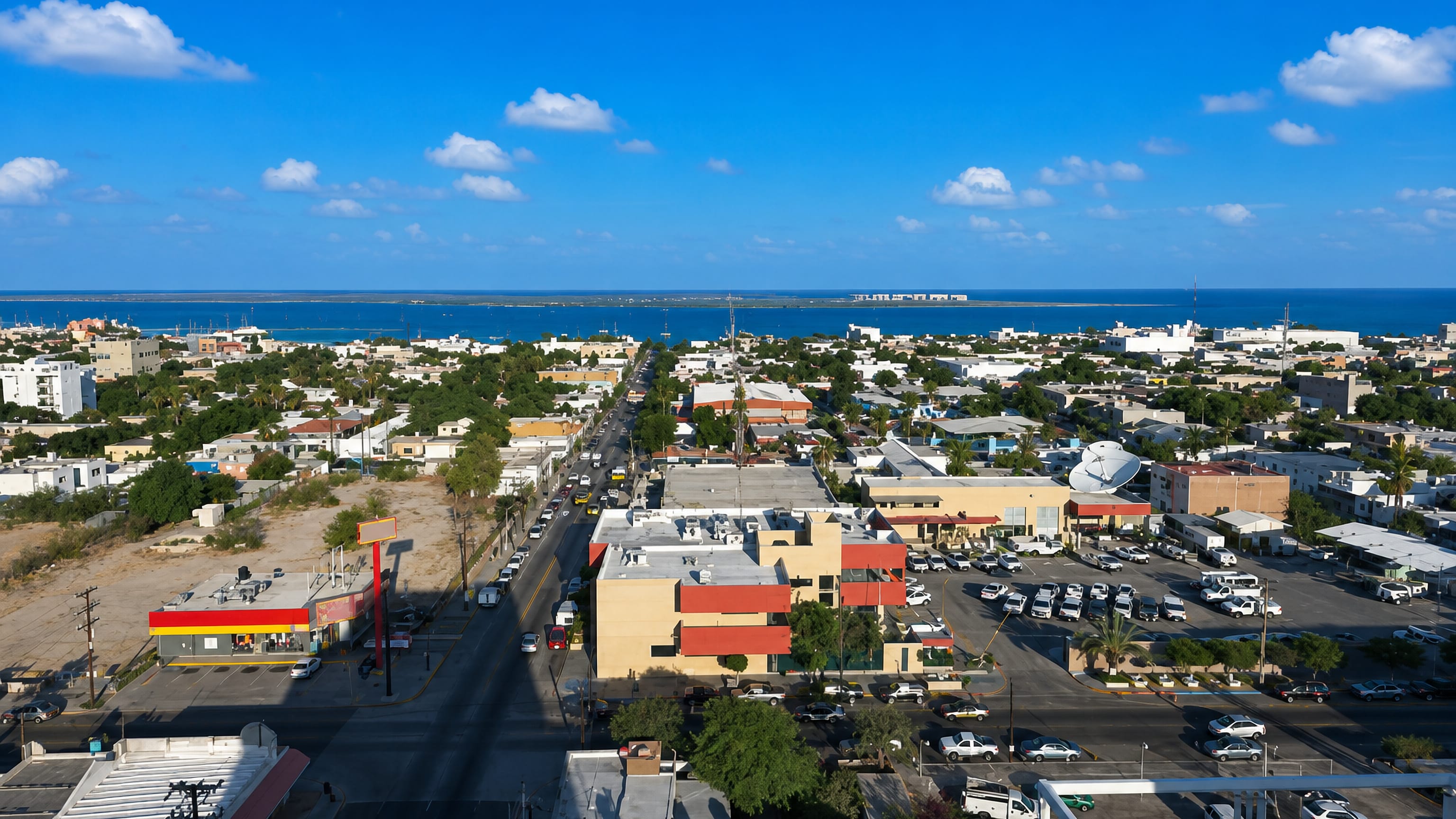
La Paz is a Baja California Sur city in northwest Mexico, capital of the south, a quiet port on the Sea of Cortez known for pearls and whale sharks.
Hotel links are affiliate links: booking through them may earn us a commission, at no extra cost to you. It never affects how places are ranked. How this works


Where to stay in La Paz
The practical side of choosing where to sleep.
Where you stay in La Paz turns on the seafront or the town. The streets along the Malecón keep the cathedral, the cafés, and the beach within a walk, and staying by the bay suits anyone here for the sea. The blue bay lies at the door.
Pelicans dive off the pier. Out toward the islands and the desert, the town gives way to the far beaches, the boat docks, and the road to Balandra. A room out of town trades the Malecón for the quiet coves, the desert shore, and the islands of the gulf.
The Sea of Cortez opens east. Stay by the bay for the seafront, or out for the beaches and islands. The bay lies just below the town.
Find hotels in La Paz
Direct booking searches for these neighbourhoods.
The seafront
Along the bayFind hotels in The seafrontStays wanting Balandra and the covesThe beaches and islands
Out along the coast to Balandra and Espíritu SantoFind hotels in The beaches and islandsHotel links are affiliate links: booking through them may earn us a commission, at no extra cost to you. It never affects how places are ranked. How this works
About La Paz
La Paz is the pearl city of the Sea of Cortez.
What is La Paz known for?
On a wide bay of the gulf in the desert south of Baja California, it grew from an old pearl-diving port into the capital of the peninsula, and it keeps the long seafront Malecón along the bay, the whale sharks that gather in its warm waters, the sea lions and cliffs of Espíritu Santo island, and the turquoise shallows of Balandra beach. The blue bay lies calm and warm. Desert hills run down to the sea.
What are the main landmarks in La Paz?
The Malecón is the pride of La Paz. The long seafront walk along the bay, lined with palms and statues and looking out on the blue water, is the heart of the city, downtown. Whale sharks cruise the bay.
The great spotted fish gather to feed in the warm gulf each winter, while the cathedral, the whale museum, and the island of Espíritu Santo mark the country around La Paz.
What is the history of La Paz?
La Paz was born of the pearl. For centuries divers worked the rich pearl beds of its bay, and the Spanish came to seek the pearls of the Sea of Cortez, though the desert coast long defied them. Missions came and went.
Jesuit priests founded a mission on the bay, but the desert and the sea were harsh, and the little settlement was abandoned more than once before it took hold at last. The pearls gave out in the end. When disease killed the oyster beds, the pearl trade died, and La Paz turned to fishing, salt, and the sea.
The bay drew a new fortune. Travelers came for the calm blue water, the whale sharks, and the islands of the gulf, and La Paz grew into the capital of the south, a quiet city on its bay, keeping its Malecón, its cathedral, and its desert coast. The pelicans still line the seafront.
La Paz keeps its bay on the Sea of Cortez.
Where is La Paz?
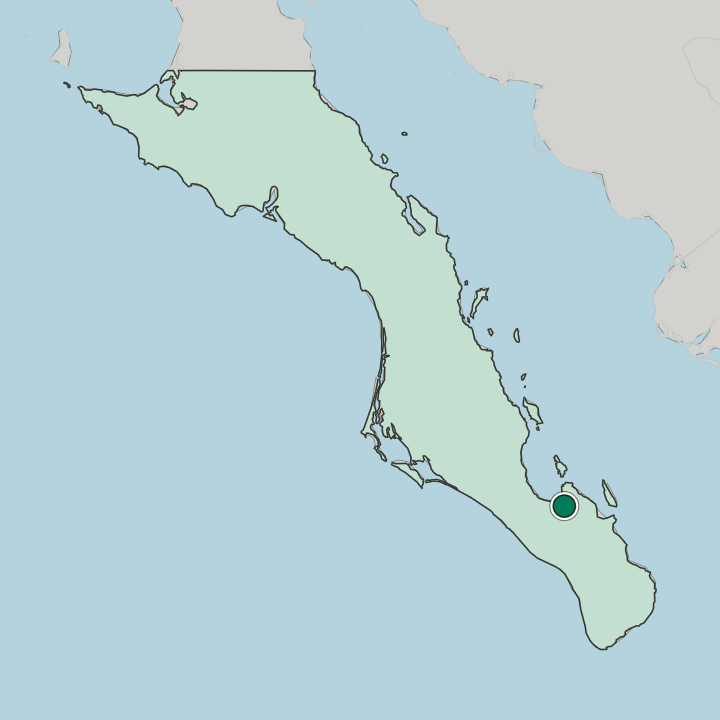
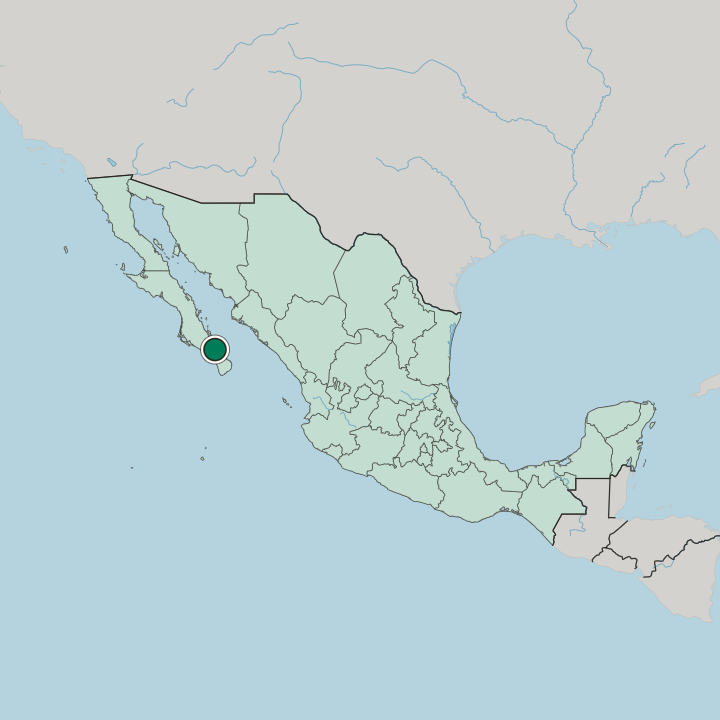
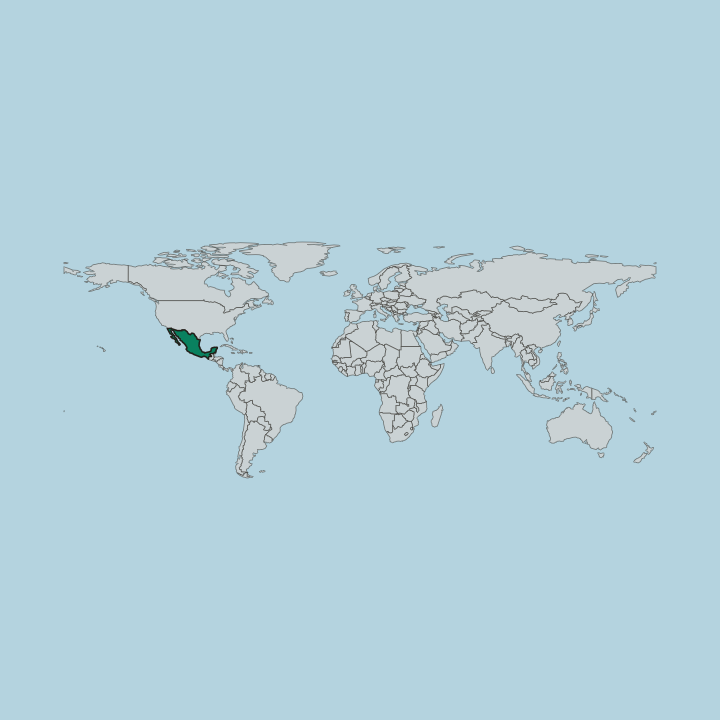
La Paz lies in the south of Baja California, on a bay of the Sea of Cortez between the desert and the water. The city sits on a warm shallow bay backed by dry brown hills and cactus desert, on the long thin peninsula of Baja, with the gulf and its islands to the east and the open Pacific far across the land to the west. The desert runs down to the shore.
Warm water fills the bay.
What is the climate of La Paz?
Desert heat and an all-but-rainless sky rule the year in La Paz. Blazing summers and warm winters hold on the coast, with fierce sun and almost no rain and the chance of a late-summer storm off the gulf. The sun beats down hard.
Sea breezes cool the shore.
How do you get to La Paz?
La Paz lies in the south of Baja California, on the highway down the long peninsula. The road runs to it down the desert spine from the north and up from Los Cabos, and ferries cross the gulf to the mainland. Planes land by the bay.
Los Cabos lies south down the cape.
Common questions
What is the best area to stay in La Paz?
The seafront: Visitors here for the Malecón and beach. The beaches and islands: Stays wanting Balandra and the coves.
Good for
More cities in Estado de Baja California Sur
Updated September 2026