Mexico · Estado de Guanajuato
Where to Stay in Guanajuato, Estado de Guanajuato
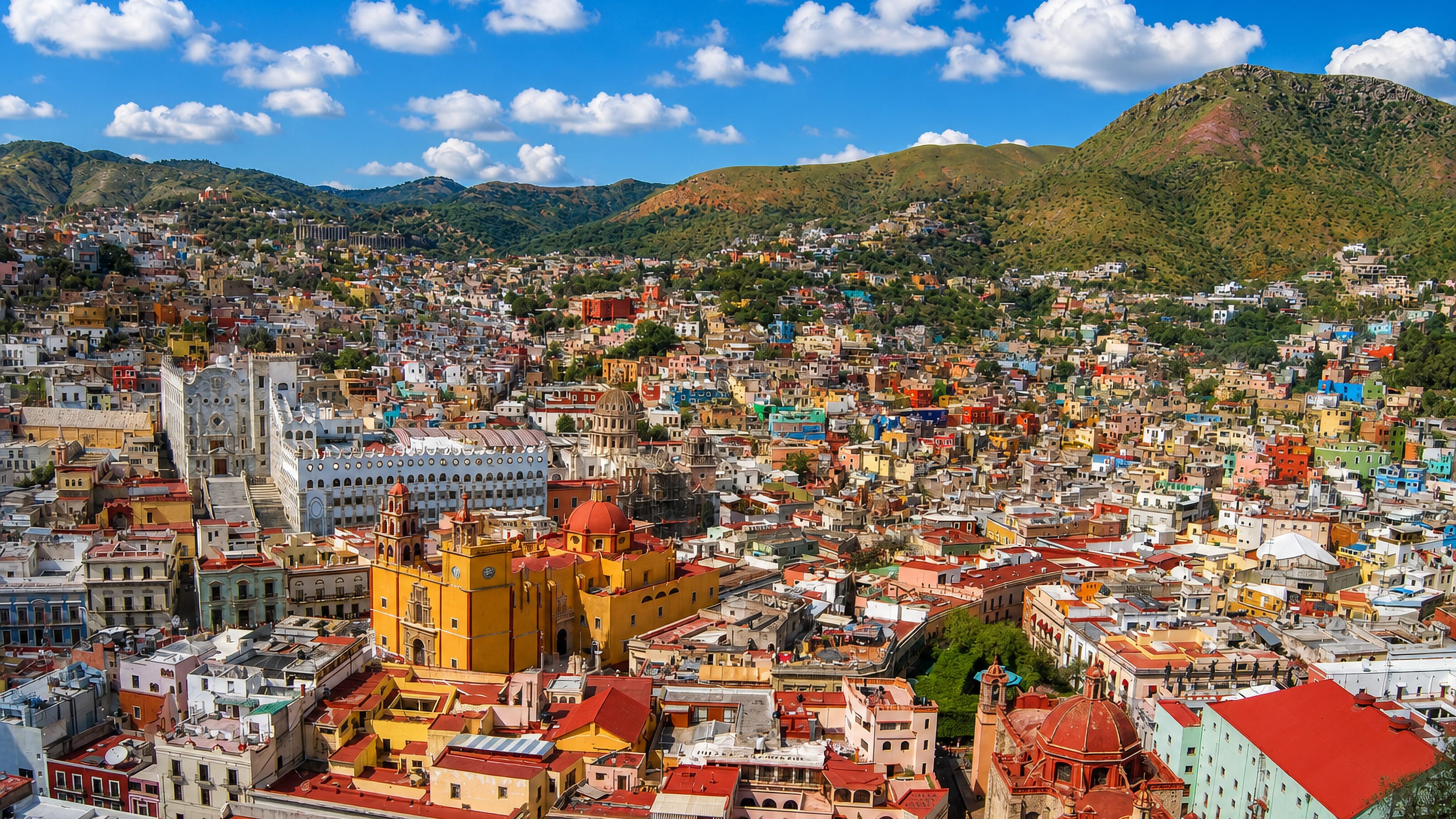
Guanajuato is a colonial silver city in central Mexico, its colourful houses stacked down the sides of a deep ravine.
Hotel links are affiliate links: booking through them may earn us a commission, at no extra cost to you. It never affects how places are ranked. How this works


Where to stay in Guanajuato
The practical side of choosing where to sleep.
Guanajuato's lodging question is the old centre down in the ravine or the hillsides above it. The plazas and callejones around the Jardín de la Unión keep the churches, the museums, and the theatres within a walk, and staying downtown suits anyone here for the old city. The alleys fill with music at night.
Rooms hide in the bright houses of the ravine. Up on the hillsides above the gorge, the stays climb steep and quiet. A room on the heights trades the crowded lanes for a view down over the whole coloured city toward the El Pípila Monument.
The dry hills rise close behind. If you want the plazas and the music, stay in the centre; if you want the view, take a room on the hill. Either way, the ravine is close at hand.
Find hotels in Guanajuato
Direct booking searches for these neighbourhoods.
The old centre
Around the Jardín de la Unión and the Alhóndiga de Granaditas, within a walk of the callejonesFind hotels in The old centreStays wanting the view down over the ravineThe hillsides
Up on the steep slopes toward the El Pípila Monument, with a view over the coloured cityFind hotels in The hillsidesHotel links are affiliate links: booking through them may earn us a commission, at no extra cost to you. It never affects how places are ranked. How this works
Things to do in Guanajuato
Ranked by global recognition; descriptions from Wikidata (CC0).
Museums & Galleries
3- Alhóndiga de Granaditas Heritage
- Museo Diego Rivera
- Museo Regional de Guanajuato Alhóndiga de Granaditas
Churches & Religious Sites
3- La Valenciana Church
- Saint Francis of Assisi Church
- Templo de San Sebastián
Castles & Historic Sites
2- El Pípila Monument, Guanajuato
- Castillo de Santa Cecilia
Landmarks & Notable Places
1- Casa del Conde Rul y Valencia
worth knowingacross 4 categories in Guanajuato
About Guanajuato
What is Guanajuato known for?
Guanajuato is one of Mexico's loveliest old cities. Built on a great silver lode, its bright houses climb the walls of a narrow ravine above plazas and tunnels, and the mighty Alhóndiga de Granaditas recalls the first great victory of the fight for independence. The El Pípila Monument looks down from the hill.
Silver and colour made the city.
What are the main landmarks in Guanajuato?
The Alhóndiga de Granaditas stands at the heart of Guanajuato. The old fortified granary, where the fight for independence began, is now a great museum, and above it the El Pípila Monument looks out over the whole ravine. Silver churches climb the hills.
La Valenciana Church rises in carved stone by the old mine, while the Mummies of Guanajuato and the Museo Diego Rivera draw crowds to the old streets.
What is the history of Guanajuato?
Guanajuato was built on the richest silver in the world. When the Spanish found the great lode in the sixteenth century, a boomtown of miners, merchants, and churches rose in the ravine, and its silver flowed across the ocean to make Spain rich. Wealth built in stone.
Grand churches like La Valenciana and fine mansions climbed the slopes, raised on the fortunes of the mines below. The war for freedom began in these hills. In 1810 the first insurgents stormed the fortified granary, the Alhóndiga de Granaditas, in a bloody assault that opened the Mexican fight for independence, and El Pípila, a miner, burned down its great door.
Silver and art carried on. The mines ran for centuries more, the painter Diego Rivera was born in the town, and a great arts festival now fills its streets each autumn. The whole old city was later named a treasure of the world.
Guanajuato still tumbles bright down its ravine.
Where is Guanajuato?
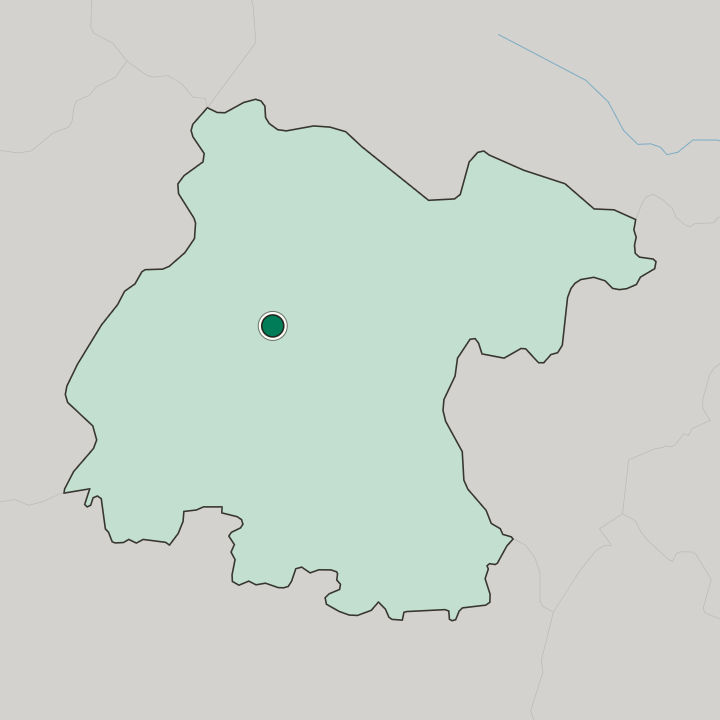
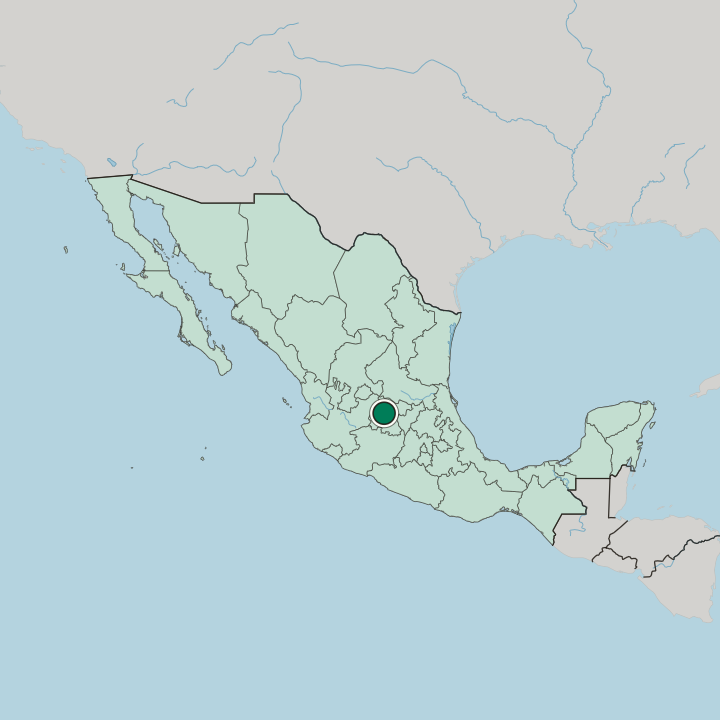
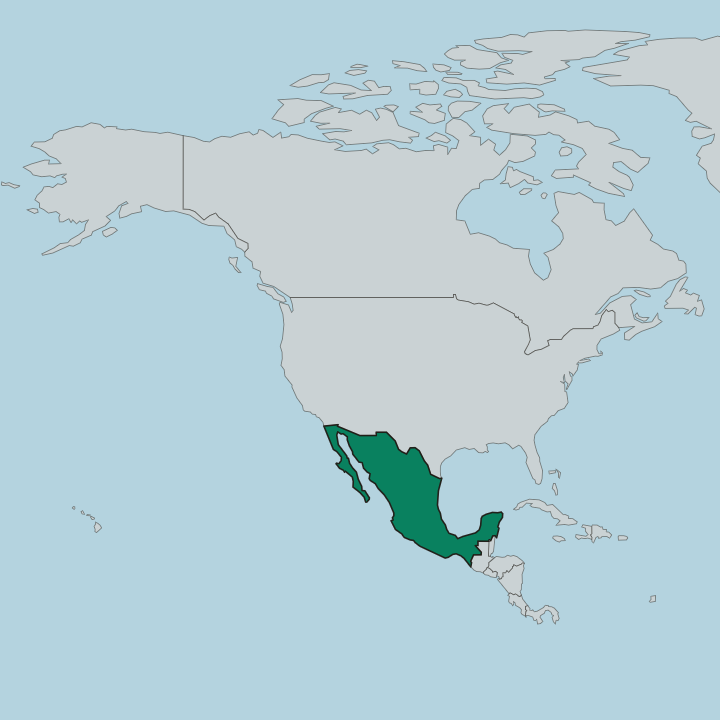
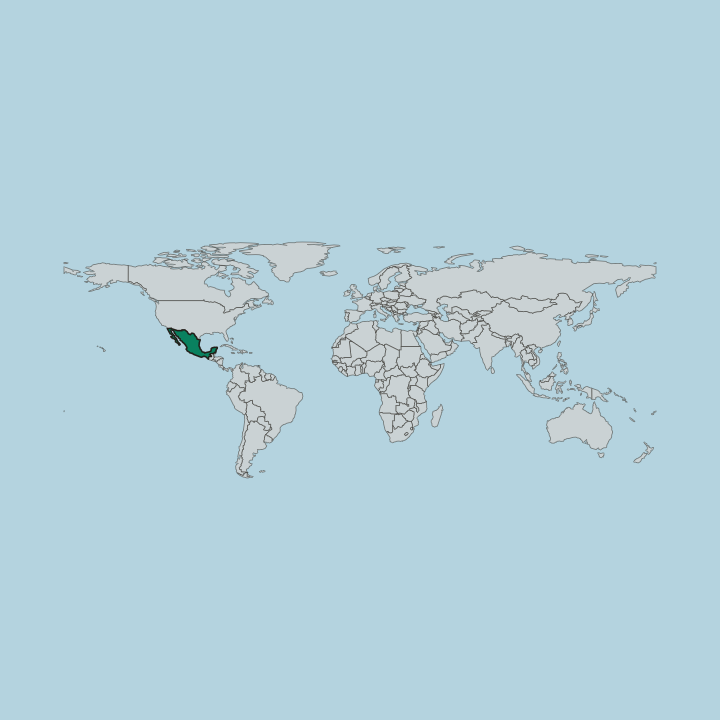
Guanajuato lies deep in a mountain ravine. The city fills a narrow gorge in the highlands of central Mexico, over two thousand metres up, its houses climbing the steep walls above old riverbeds turned into tunnel roads. Dry brown hills rise close around it.
The narrow gorge holds the city tight on all sides.
What is the climate of Guanajuato?
Guanajuato has a mild highland climate. The great altitude keeps the city warm by day and cool at night through the year, and a rainy season brings green to the hills in summer. Little rain falls the rest of the year.
The mountain air stays dry and bright.
How do you get to Guanajuato?
Guanajuato lies in the highlands of central Mexico. Roads wind down into the ravine from the plains, and the region's airport lies a short way off, while tunnels carry the traffic beneath the old town. Buses reach the silver towns and San Miguel around.
Most arrive by road into the gorge.
Common questions
What is the best area to stay in Guanajuato?
The old centre: Visitors here for the Alhóndiga de Granaditas and the Museo Diego Rivera. The hillsides: Stays wanting the view down over the ravine.
Good for
More cities in Estado de Guanajuato
Updated September 2026