Mexico · Estado de México
Where to Stay in Cuautitlán Izcalli, Estado de México
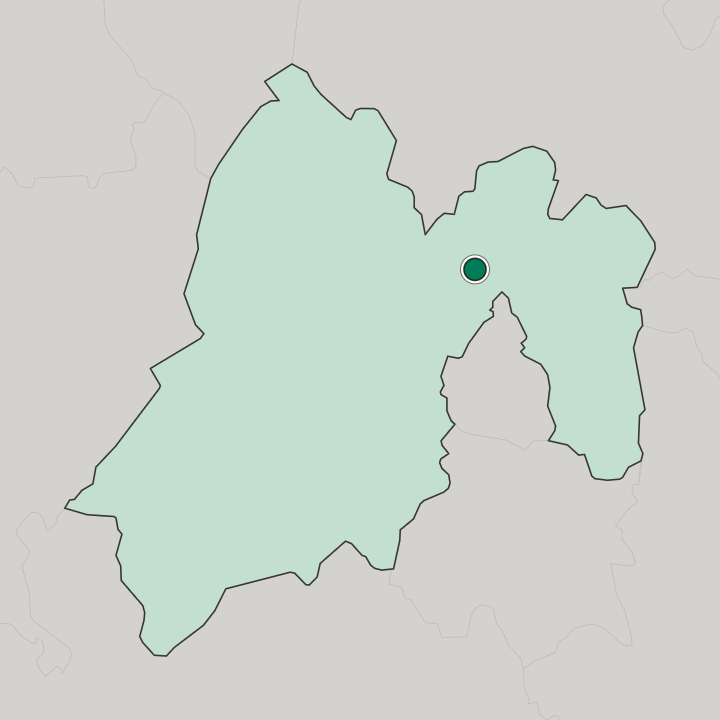
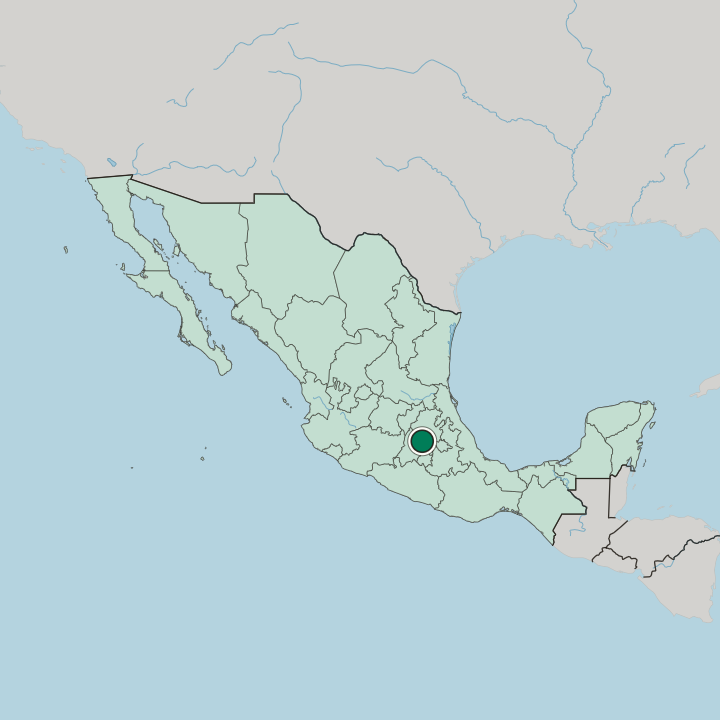
Cuautitlán Izcalli is one of the 125 municipalities of the State of Mexico, lying in the Valley of Mexico within the metropolitan area of Mexico City.
Hotel links are affiliate links: booking through them may earn us a commission, at no extra cost to you. It never affects how places are ranked. How this works


Where to stay in Cuautitlán Izcalli
Where visitors usually base themselves, and why.
Six boundaries give six answers. Cuautitlán Izcalli touches Tepotzotlán, Cuautitlán, Tlalnepantla de Baz, Tultitlán, Atizapán de Zaragoza and Nicolás Romero, and which of those a room faces settles far more about a stay than anything within the municipality itself. Tepotzotlán holds the great draw.
A bed on that side reaches the Museo Nacional del Virreinato early, before the day's coaches arrive. The older town is the other way. Cuautitlán lies along the north-eastern and eastern boundary, and beds facing it put the earlier settlement of the pair within a short hop, which suits anyone who came for the churches rather than the shopping.
Nuestra Señora del Refugio and the Iglesia de San Lorenzo Río Tenco are on that roster. So is the Santuario de la Siempre Virgen María de Guadalupe, Casa de San Juan Diego. South is the working direction.
Tlalnepantla de Baz and Tultitlán run along that boundary and lead on into the metropolitan area of Mexico City, so a room facing them shortens every trip toward the capital and lengthens the quiet. Nicolás Romero closes the western side. Rooms toward that boundary sit furthest from the through traffic of the Valley of Mexico, and the Museo Nacional de la Pirotecnia stays within reach from any of them, since the whole municipality covers only about 110 square kilometres.
Find hotels in Cuautitlán Izcalli
Direct booking searches for these neighbourhoods.
The Tepotzotlán boundary
Tepotzotlán keeps the Museo Nacional del Virreinato just past this boundary of Cuautitlán Izcalli, which makes an early visit straightforward.Find hotels in The Tepotzotlán boundarythe churches of the older town of the pairFacing Cuautitlán
Cuautitlán runs along the north-eastern and eastern boundary, putting Nuestra Señora del Refugio and the Iglesia de San Lorenzo Río Tenco within a short hop. Lodging is scarce in this area; reserve in advance.Find hotels in Facing Cuautitlána base pointed at the metropolitan area of Mexico CityThe Tlalnepantla de Baz and Tultitlán side
Tlalnepantla de Baz and Tultitlán close the southern boundary and carry the run onward into the metropolitan area of Mexico City.Find hotels in The Tlalnepantla de Baz and Tultitlán sidethe quietest corner of the municipalityToward Nicolás Romero
Nicolás Romero closes the western boundary, and beds on that flank of Cuautitlán Izcalli sit furthest from the through traffic of the Valley of Mexico. Rooms are few around here — worth securing early.Find hotels in Toward Nicolás RomeroHotel links are affiliate links: booking through them may earn us a commission, at no extra cost to you. It never affects how places are ranked. How this works
Things to do in Cuautitlán Izcalli
Ranked by global recognition; descriptions from Wikidata (CC0).
Museums & Galleries
3- Museo Nacional del Virreinato
- Museo Nacional de la Pirotecnia (Munapi)
- Museo de la Escultura Mexica Eusebio Dávalos Hurtado
Churches & Religious Sites
2- Nuestra Señora del Refugio
- Iglesia de San Lorenzo Río Tenco
Castles & Historic Sites
2- Santa Cecilia Acatitlan
- Christ the King
Nature & Outdoors
1- Parque de las Esculturas
worth knowingacross 4 categories in Cuautitlán Izcalli
About Cuautitlán Izcalli
Fireworks have their own museum here.
What is Cuautitlán Izcalli known for?
The Museo Nacional de la Pirotecnia and the Museo Nacional del Virreinato both sit on the roster around Cuautitlán Izcalli, an unusual pairing for a municipality that only came into being in 1973. Six neighbours share its boundary. Tepotzotlán, Cuautitlán, Tlalnepantla de Baz, Tultitlán, Atizapán de Zaragoza and Nicolás Romero all press against it.
What are the main landmarks in Cuautitlán Izcalli?
Cuautitlán Izcalli leads with its churches. Nuestra Señora del Refugio, the Iglesia de San Lorenzo Río Tenco and the Santuario de la Siempre Virgen María de Guadalupe, Casa de San Juan Diego all belong to the roster of Cuautitlán Izcalli, with Christ the King standing over the wider ground. Museums take the second rank.
The Museo Nacional del Virreinato and the Museo Nacional de la Pirotecnia carry national subjects, while Santa Cecilia Acatitlan, the Museo de la Escultura Mexica Eusebio Dávalos Hurtado and Parque de las Esculturas cover the older and the newer sculpture. Museo Adolfo López Mateos is nearby.
What is the history of Cuautitlán Izcalli?
1973 is a very recent founding year. Cuautitlán Izcalli was drawn as one of the 125 municipalities of the State of Mexico only then, which makes it younger than most of the ground it administers and far younger than every one of the six municipalities along its boundary. Cuautitlán is the older name of the pair.
The two share a root and a border, and the newer of them took its second word from Nahuatl rather than from any Spanish charter. The viceregal record sits next door. Tepotzotlán holds the Museo Nacional del Virreinato, the national collection for that whole period, and no municipality in the Valley of Mexico is better placed to reach it than this one.
Churches carry the same centuries locally. Nuestra Señora del Refugio, the Iglesia de San Lorenzo Río Tenco and the Santuario de la Siempre Virgen María de Guadalupe, Casa de San Juan Diego are the surviving fabric of that layer on this ground. Older still is Santa Cecilia Acatitlan.
That site and the Museo de la Escultura Mexica Eusebio Dávalos Hurtado belong to the pre-Hispanic occupation of the valley, a period the modern municipal lines cut straight across without regard for what came before them. Fireworks made their own tradition. The Museo Nacional de la Pirotecnia records a craft that grew up across this part of the State of Mexico, and Christ the King and Parque de las Esculturas mark the more recent additions.
Where is Cuautitlán Izcalli?
About 110 square kilometres, hemmed in on every side. Cuautitlán Izcalli meets Tepotzotlán to the north and northwest, Cuautitlán to the northeast and east, Tlalnepantla de Baz to the south, Tultitlán to the southeast, Atizapán de Zaragoza to the southwest and Nicolás Romero to the west. The Valley of Mexico encloses it.
Being part of the metropolitan area of Mexico City, the municipality has no open country on any flank, only the next built-up neighbour in the State of Mexico.
What is the climate of Cuautitlán Izcalli?
The Valley of Mexico governs the year. Cuautitlán Izcalli lies inside that basin in the tropical band, and the enclosing ground of the valley counts for far more than anything the municipality's own hundred-odd square kilometres could contribute. Neighbours share the same conditions.
Tepotzotlán, Cuautitlán, Tultitlán and Nicolás Romero all sit within the same enclosure, so what holds true for one of them holds for the rest without adjustment.
How do you get to Cuautitlán Izcalli?
Approaches come through the neighbours. No route reaches Cuautitlán Izcalli without first crossing Tepotzotlán, Cuautitlán, Tlalnepantla de Baz, Tultitlán, Atizapán de Zaragoza or Nicolás Romero, since the municipality has no frontier of its own that is not shared. Mexico City is the usual origin.
Coming out of the capital brings arrivals in past Tlalnepantla de Baz and Tultitlán, while anyone arriving for the Museo Nacional del Virreinato will find the Tepotzotlán side the shorter way in.
Common questions
What is the best area to stay in Cuautitlán Izcalli?
The Tepotzotlán boundary: reaching the Museo Nacional del Virreinato before the coaches. Facing Cuautitlán: the churches of the older town of the pair. The Tlalnepantla de Baz and Tultitlán side: a base pointed at the metropolitan area of Mexico City. Toward Nicolás Romero: the quietest corner of the municipality.
Good for
More cities in Estado de México
Updated October 2026