Mexico · Estado de México
Where to Stay in Naucalpan de Juárez, Estado de México
Naucalpan de Juárez is a city of the Estado de México, holding the Tlatilco site, El Conde and the Acueducto de los Remedios.
Hotel links are affiliate links: booking through them may earn us a commission, at no extra cost to you. It never affects how places are ranked. How this works


Where to stay in Naucalpan de Juárez
One neighbourhood here has its own guide — here's what it is best for.
 Naucalpan de JuárezMexico
Ciudad Satélite
Ciudad Satélite, or simply Satélite, is a middle-class planned area of Naucalpan within Greater Mexico City.Where to stay →Hotel links are affiliate links: booking through them may earn us a commission, at no extra cost to you. It never affects how places are ranked. How this works
Find hotels in Naucalpan de Juárez
Direct booking searches for these neighbourhoods.
Around the Parroquia de Santiago Apóstol
The church that gives the older settlement its dedication, with the Museo Tlatilca and its Tlatilco material a short move away.Find hotels in Around the Parroquia de Santiago Apóstolthe aqueduct and the Museo del Agua togetherThe Acueducto de los Remedios side
Beds along the line of the Acueducto de los Remedios, where the Museo del Agua explains the structure that names this side of Naucalpan de Juárez.Find hotels in The Acueducto de los Remedios sidereaching El Conde and Tlatilco firstTowards El Conde and Tlatilco
The end of the city where El Conde and Tlatilco sit, worth choosing when those two sites are the reason for coming to Naucalpan de Juárez.Find hotels in Towards El Conde and TlatilcoHotel links are affiliate links: booking through them may earn us a commission, at no extra cost to you. It never affects how places are ranked. How this works
Things to do in Naucalpan de Juárez
Ranked by global recognition; descriptions from Wikidata (CC0).
Museums & Galleries
3- Museo Salón Deporte
- Museo Tlatilca
- Museo del Agua
Churches & Religious Sites
1- Parroquia de Santiago Apóstol, Naucalpan de Juárez
Castles & Historic Sites
3- Tlatilco
- Acueducto de los Remedios
- El Conde
worth knowingacross 3 categories in Naucalpan de Juárez
About Naucalpan de Juárez
Tlatilco comes first.
What is Naucalpan de Juárez known for?
The site lies inside Naucalpan de Juárez, and the Museo Tlatilca carries the same name, so the city keeps the find in its own cases rather than borrowing a reputation from elsewhere. El Conde stands as the other named marker. Water runs through the rest, with the Acueducto de los Remedios and the Museo del Agua both recorded here, alongside the Parroquia de Santiago Apóstol and the Museo Tezozómoc.
What are the main landmarks in Naucalpan de Juárez?
Tlatilco and El Conde head the list. Both are recorded as sites within Naucalpan de Juárez, and the Museo Tlatilca sets out the material that carries the first of those two names into the city's museum rooms. The Acueducto de los Remedios is the one piece of engineering named here.
Four more museums fill out the rest: Museo Tezozómoc, Museo del Agua, Museo de Azcapotzalco and Museo Salón Deporte, while the Parroquia de Santiago Apóstol supplies the church.
What is the history of Naucalpan de Juárez?
Naucalpan de Juárez carries no date of foundation. What the file holds instead is a sequence of names, and the earliest of them is Tlatilco, a site that sits inside the modern city and has given its name to the Museo Tlatilca. El Conde belongs to that older layer too.
Both names are Naucalpan's own, held within its limits rather than borrowed from a neighbour, and both are what the museums in the city are built around. The Parroquia de Santiago Apóstol carries a Spanish dedication. That dedication and the Spanish spoken across the Estado de México both point to the long stretch after the older sites, even though no date for the church appears in the record.
Then comes the water. The Acueducto de los Remedios is the one work of engineering the city keeps under its own name, and the Museo del Agua sits alongside it as the place where that story is told. Two further museums round the account out: the Museo Tezozómoc and the Museo de Azcapotzalco, both carrying names that reach past the parish itself.
A sports museum, the Museo Salón Deporte, closes it.
Where is Naucalpan de Juárez?
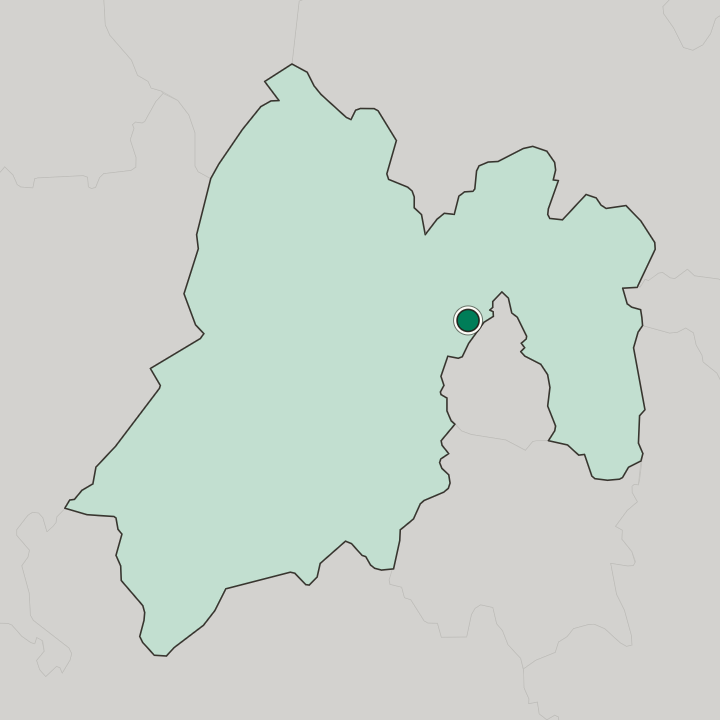
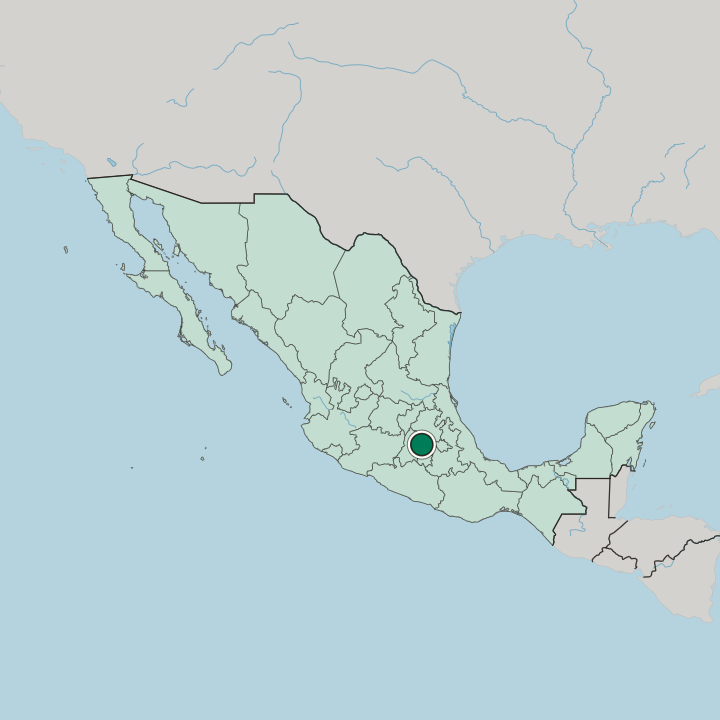
The Estado de México is the frame. Naucalpan de Juárez belongs to that state, and the city's boundary encloses Tlatilco, El Conde and the line of the Acueducto de los Remedios, which is as much as the record fixes. It falls in the tropical band north of the equator.
No river, bay or mountain is recorded for the city, so water arrives in the account as built work rather than as a named channel, which is why the aqueduct and the Museo del Agua both appear.
What is the climate of Naucalpan de Juárez?
Water is the story, not temperature. Naucalpan de Juárez lies in the tropical band, and the record kept for the city says nothing sharper about its year than that, so an honest account stops at the band itself. What survives instead is infrastructure.
The Acueducto de los Remedios and the Museo del Agua together indicate that moving and storing water mattered enough here to leave both a structure and a museum behind it.
How do you get to Naucalpan de Juárez?
No terminal, line or road is recorded. Arrival is therefore described by what surrounds the city rather than by an operator: Naucalpan de Juárez lies inside the Estado de México, and any approach crosses that state. Spanish is the working language throughout.
Once in the city, the named points to aim for are Tlatilco, El Conde, the Acueducto de los Remedios and the Parroquia de Santiago Apóstol, each recorded inside the municipal limits.
Common questions
What is the best area to stay in Naucalpan de Juárez?
Around the Parroquia de Santiago Apóstol: the old parish and the Museo Tlatilca. The Acueducto de los Remedios side: the aqueduct and the Museo del Agua together. Towards El Conde and Tlatilco: reaching El Conde and Tlatilco first.
Good for
More cities in Estado de México
Updated October 2026