Mexico · Estado de México
Where to Stay in Santa María Chimalhuacán, Estado de México
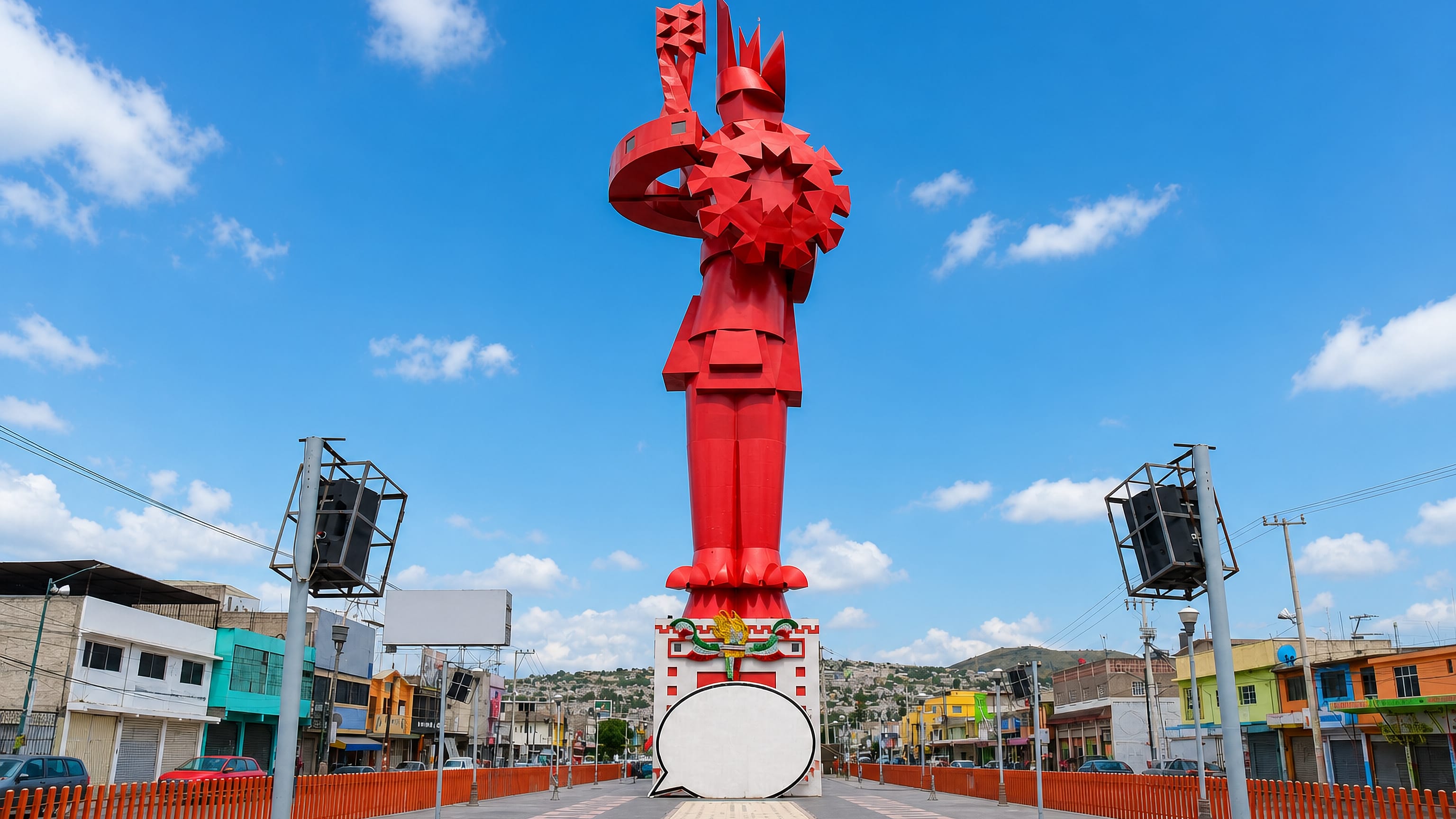
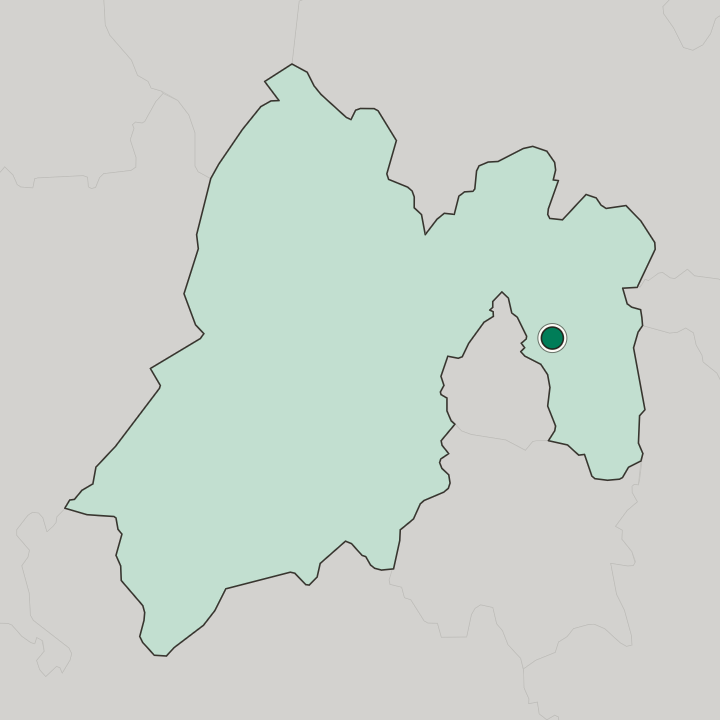
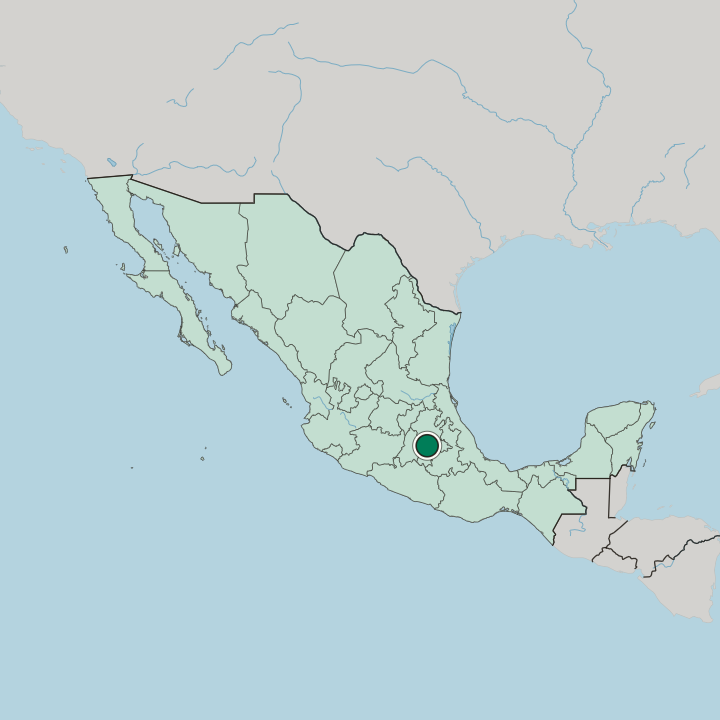
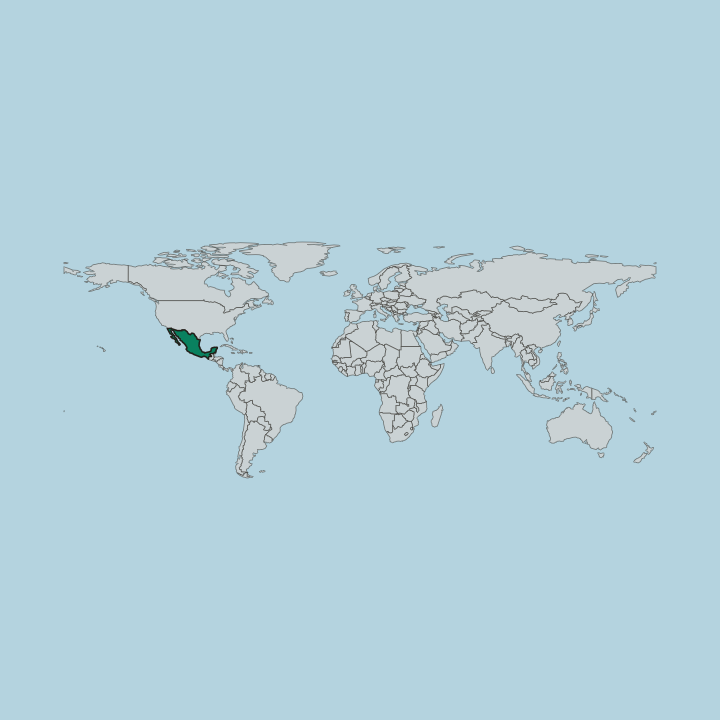
Santa María Chimalhuacán is a municipality of the Estado de México just outside the north-east border of Mexico City, inside Greater Mexico City.
Hotel links are affiliate links: booking through them may earn us a commission, at no extra cost to you. It never affects how places are ranked. How this works


Where to stay in Santa María Chimalhuacán
Where the beds are, and what that means for the visit.
Beds are on the Mexico City side. Santa María Chimalhuacán sits just outside the north-east border of the capital, and the municipality's own trade runs to markets, workshops and daily errands rather than to hotels, which leaves the practical base across the boundary. Cerro Portezuelo is the exception worth planning around.
Anyone whose reason for coming is that rise, or the Museo de Sitio de Chimalhuacán, gains from an early start and a short approach out of the north-eastern edge of the capital. Kilometres are not the obstacle between Chimalhuacán and the capital. Greater Mexico City runs continuously across the boundary, so the difference between a room in the capital and a room in the Estado de México shows up in traffic rather than in kilometres, and the morning crossing is where that difference bites hardest.
Choose by direction of travel. If the days run into the centre of Mexico City, base yourself there and take Chimalhuacán as a half-day; if they run around the Museo Chimaltonalli, the Museo Municipal Canto del Cincel and the streets of the municipality itself, take what is available locally and keep the crossing for the evening. Either pattern works within the State of Mexico.
Find hotels in Santa María Chimalhuacán
Direct booking searches for these neighbourhoods.
Chimalhuacán
The municipal streets just beyond the north-east border of Mexico City, where rooms are scarce and pitched at trade rather than at visitors. Lodging is scarce in this area; reserve in advance.Find hotels in Chimalhuacánstays needing the capital's range with a north-eastward run out to the Museo ChimaltonalliMexico City
The capital immediately south-west across the boundary, carrying the room supply that Santa María Chimalhuacán lacks.Find hotels in Mexico CityHotel links are affiliate links: booking through them may earn us a commission, at no extra cost to you. It never affects how places are ranked. How this works
Things to do in Santa María Chimalhuacán
Ranked by global recognition; descriptions from Wikidata (CC0).
Museums & Galleries
3- Museo Chimaltonalli
- Museo Municipal Canto del Cincel
- Museo de Sitio de Chimalhuacán
Castles & Historic Sites
2- Chimalhuacán
- Cerro Portezuelo
worth knowingacross 2 categories in Santa María Chimalhuacán
About Santa María Chimalhuacán
Cerro Portezuelo carries the older story.
What is Santa María Chimalhuacán known for?
The Museo de Sitio de Chimalhuacán is built on that ground, and the Museo Chimaltonalli and the Museo Municipal Canto del Cincel hold the rest of what the municipality has chosen to keep of its own past. Chimalhuacán is the shorter name. It serves for both city and municipality, while the fuller Santa María Chimalhuacán is the form that sits in the records of the Estado de México.
What are the main landmarks in Santa María Chimalhuacán?
Cerro Portezuelo is the anchor. The rise and the Museo de Sitio de Chimalhuacán that goes with it give the municipality something older than the urban fabric of Greater Mexico City wrapped around it. A trio of museums comes next.
The Museo Chimaltonalli and the Museo Municipal Canto del Cincel carry the municipal collections, and with the site museum they make the short list of places a visitor to Chimalhuacán is sent to.
What is the history of Santa María Chimalhuacán?
Two names sit on top of each other. Santa María Chimalhuacán puts a dedication in front of Chimalhuacán, and the second half is the part that city and municipality both still use on its own, in speech and in the short forms of the record. The older layer is on the ground.
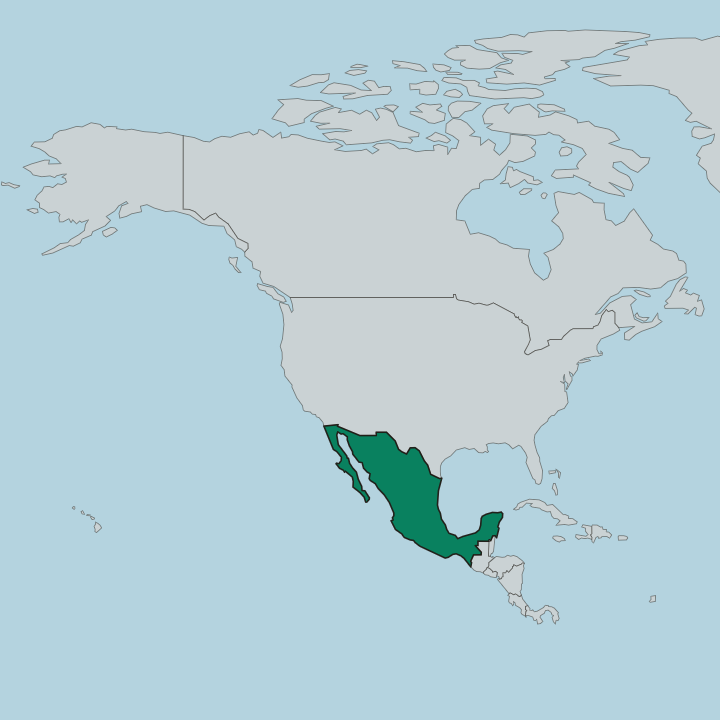
Cerro Portezuelo and the Museo de Sitio de Chimalhuacán attached to it stand for occupation here well before the municipality took its modern shape. Administration came later and drew the lines that hold now. Chimalhuacán is one of the municipalities of the eastern part of the State of Mexico, in Mexico, sitting just outside the north-east border of Mexico City rather than inside it.
That boundary has held. What changed around it was the urban area, because Greater Mexico City reached the municipality and took it into one continuous built-up stretch without the two administrations merging into a single unit. The museums record the result.
Museo Chimaltonalli, Museo Municipal Canto del Cincel and the Museo de Sitio de Chimalhuacán between them cover the municipality's past across three separate houses, one of them tied directly to the ground it sits on. None of them is large. Together they are what Santa María Chimalhuacán offers a visitor who has come for the history rather than for the metropolis, and they are within reach of each other inside the Estado de México.
Where is Santa María Chimalhuacán?
The boundary is the defining line. Santa María Chimalhuacán lies just outside the north-east border of Mexico City, in the eastern part of the State of Mexico, and inside the urban area of Greater Mexico City. Cerro Portezuelo supplies the relief.
The ground sits north of the equator within the tropics, and the rise is the one landform the municipality has to set against a setting otherwise given over to the built-up expanse around it.
What is the climate of Santa María Chimalhuacán?
Wet and dry, not hot and cold. Santa María Chimalhuacán sits north of the equator inside the tropical band, so the year turns on rainfall rather than on the temperature swings that places further from the equator record. Cerro Portezuelo is the only relief in play.
Everything else is the shared weather of Greater Mexico City, arriving across a boundary that does nothing to alter it.
How do you get to Santa María Chimalhuacán?
Everything comes through Mexico City. Chimalhuacán has no approach of its own, since the municipality begins just past the capital's north-east border, so arrivals reach the capital first and finish the trip outward across that line. That final stretch takes little time.
How long it takes depends on how the traffic of Greater Mexico City is running, because the built-up area is continuous from the centre out into the Estado de México.
Common questions
What is the best area to stay in Santa María Chimalhuacán?
Chimalhuacán: days at Cerro Portezuelo and the Museo de Sitio de Chimalhuacán. Mexico City: stays needing the capital's range with a north-eastward run out to the Museo Chimaltonalli.
Good for
More cities in Estado de México
Updated September 2026