Mexico · Estado de Quintana Roo
Where to Stay in Cancún, Estado de Quintana Roo
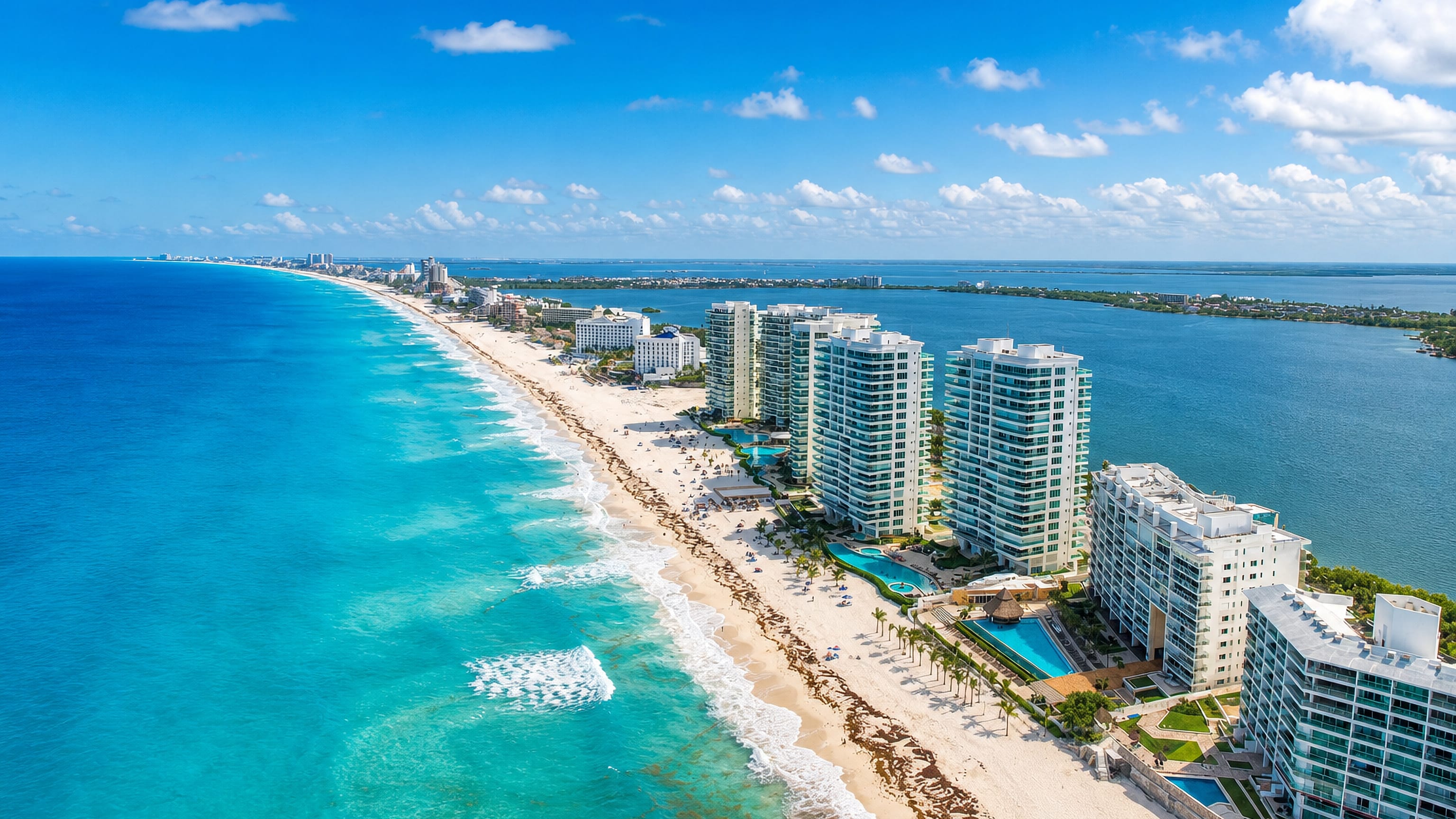
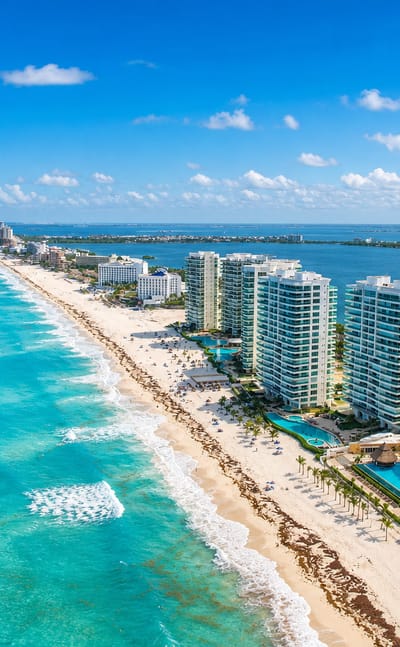
Caribbean water meets white sand at Cancún, a resort city on the Yucatán Peninsula in Quintana Roo, known for its Hotel Zone.
Hotel links are affiliate links: booking through them may earn us a commission, at no extra cost to you. It never affects how places are ranked. How this works


Where to stay in Cancún
Where you base yourself shapes the visit — here's the character of each area.
 CancúnMexico
Puerto Cancún
Private canals thread Puerto Cancún, a gated marina district of Cancún at the Hotel Zone's north end, built around an 18-hole Tom Weiskopf golf course.Where to stay →CancúnMexicoPuerto Juárez
Puerto Juárez is a district of Cancún on the Caribbean Sea, and the settlement that stood on this shore before Cancún was founded.Where to stay →Hotel links are affiliate links: booking through them may earn us a commission, at no extra cost to you. It never affects how places are ranked. How this works
Find hotels in Cancún
Direct booking searches for these neighbourhoods.
Cancún Hotel Zone
The barrier-island strip of Cancún tracing the Caribbean Sea, with the Cancun Underwater Museum offshore and El Meco a short way up the coast.Find hotels in Cancún Hotel ZonePlainer inland stays near the Catedral de la Santa CruzDowntown Cancún
The older mainland grid of Cancún around the Catedral de la Santa Cruz y la Santísima Trinidad and Poliforum Benito Juárez, a cheaper base for trips into the Yucatán Peninsula.Find hotels in Downtown CancúnHotel links are affiliate links: booking through them may earn us a commission, at no extra cost to you. It never affects how places are ranked. How this works
Things to do in Cancún
Ranked by global recognition; descriptions from Wikidata (CC0).
Museums & Galleries
2- Cancun Underwater Museum
- Mayan Museum of Cancún
Churches & Religious Sites
1- Catedral de la Santa Cruz y la Santísima Trinidad
Castles & Historic Sites
2- El Meco
- San Miguelito
Stadiums & Sports
1- Polifórum Benito Juárez
worth knowingacross 4 categories in Cancún
About Cancún
What is Cancún known for?
Cancún is known as the most populous city of Quintana Roo and the seat of the Benito Juárez municipality on the Caribbean Sea. The beaches define it. Strung along 22 km of shore on the northeast tip of the Yucatán Peninsula, the city is known for its Hotel Zone, the reef-side Cancun Underwater Museum, and the Riviera Maya running south along the coast.
What are the main landmarks in Cancún?
Cancún gathers its landmarks between the reef and the mainland grid. The sea holds the strangest. The Cancun Underwater Museum sets sculpture on the seabed off the Caribbean shore, while the Mayan ruins of El Meco and San Miguelito, the Mayan Museum of Cancún, and the Catedral de la Santa Cruz y la Santísima Trinidad anchor the older heritage of the Benito Juárez municipality on the Yucatán Peninsula.
What is the history of Cancún?
Cancún is a planned resort city on the Caribbean coast of the Yucatán Peninsula, laid out and founded in 1970 on what had been near-empty barrier-island shore. The Maya came long before. The ruins of El Meco and San Miguelito mark the older settlement of the coast, standing centuries before the modern city was drawn on the sand of the Benito Juárez municipality in Quintana Roo.
From that founding the Hotel Zone rose along the 22 km of beach, and the mainland grid of downtown Cancún grew inland to house the workers who built and ran it. The Mayan Museum of Cancún now keeps the deep past of the region, gathering finds from El Meco, San Miguelito, and the wider Yucatán Peninsula. In a single lifetime the shore turned from empty coast into the largest city of Quintana Roo on the Caribbean Sea.
Where is Cancún?
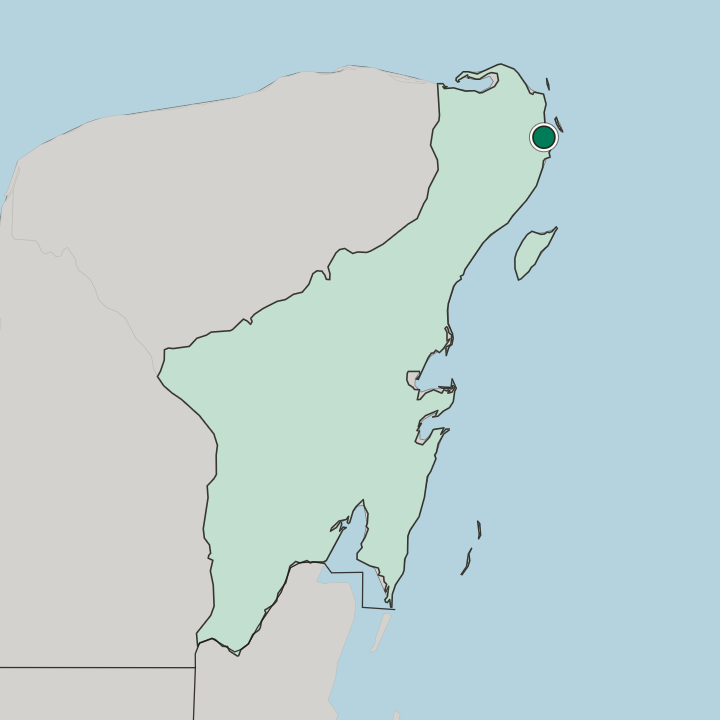
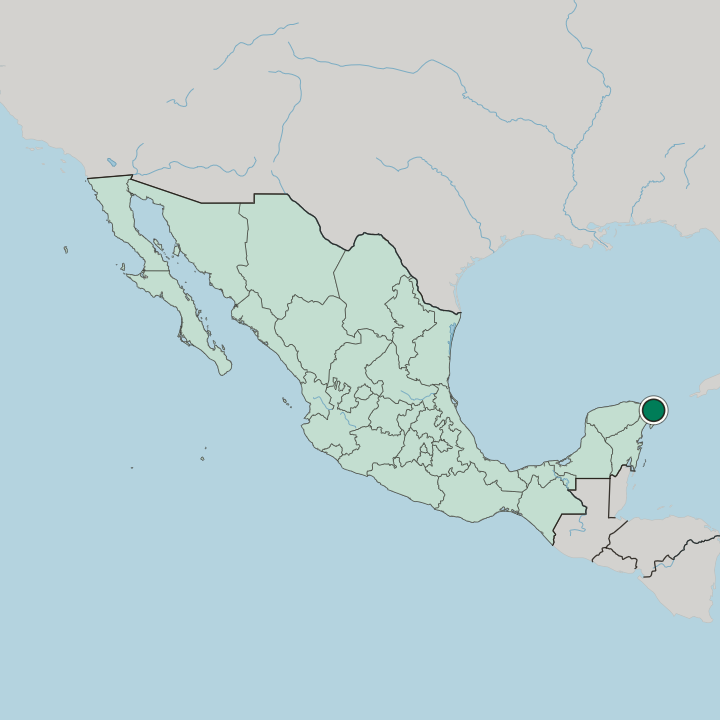
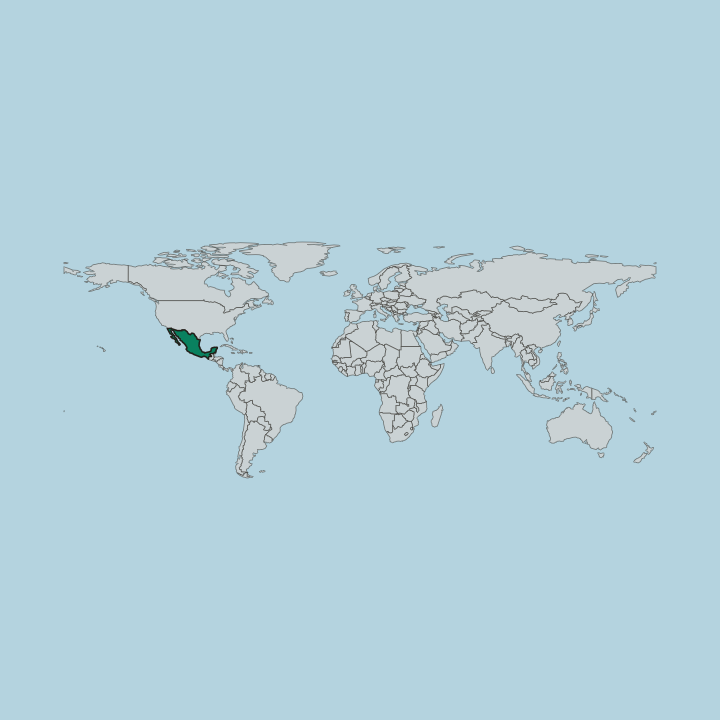
Cancún sits on the northeast tip of the Yucatán Peninsula, on the Caribbean Sea in Quintana Roo. The sea shapes everything. A slim barrier island carrying the Hotel Zone runs offshore from the mainland grid, with a coastal lagoon behind it and the Riviera Maya stretching south down the low limestone coast of the Benito Juárez municipality toward the wider Caribbean.
What is the climate of Cancún?
Cancún has a hot tropical climate set by the Caribbean Sea. The warmth holds year round. A humid rainy season runs through the summer and autumn over the Yucatán Peninsula, when tropical storms can cross the coast, while the drier, breezier winter months bring the calmest weather to the Hotel Zone and the shore of Quintana Roo.
How do you get to Cancún?
Cancún serves as the main air entry point for the Mexican Caribbean and the wider Yucatán Peninsula. Visitors mostly land here rather than drive in. The city's international airport is one of the busiest in Mexico, and from the downtown bus terminal in the Benito Juárez municipality highways run south along the Riviera Maya and inland across Quintana Roo to reach the Hotel Zone and the coast beyond.
Common questions
What is the best area to stay in Cancún?
Cancún Hotel Zone: Beachfront resort stays along the 22 km barrier-island shore. Downtown Cancún: Plainer inland stays near the Catedral de la Santa Cruz.
Good for
More cities in Estado de Quintana Roo
Updated September 2026