Malaysia · Johor
Where to Stay in Kluang, Johor
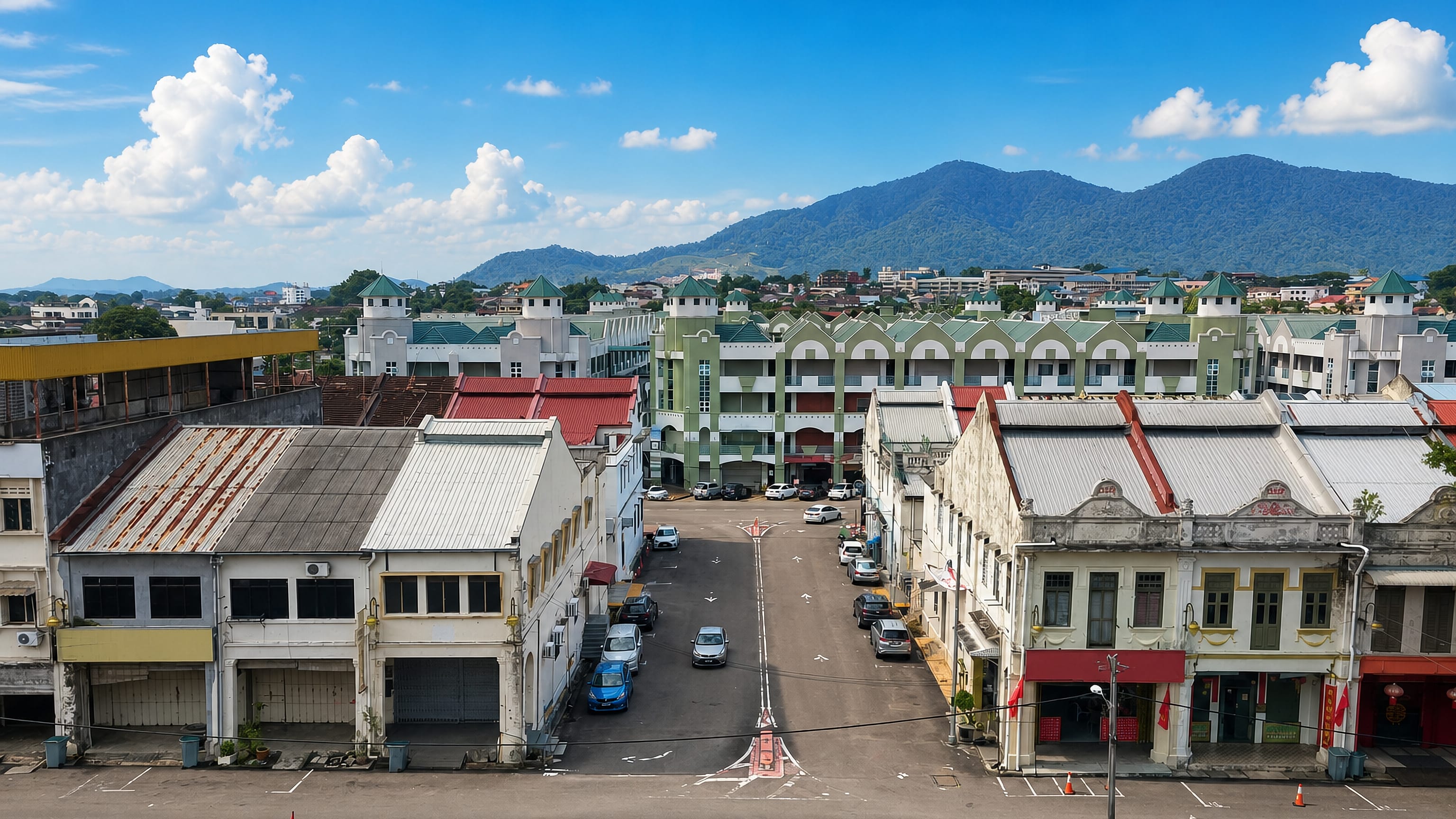
Kluang, formerly Keluang, is a town at the centre of Johor, Malaysia, founded in 1915 as the British administrative capital for the state.
Hotel links are affiliate links: booking through them may earn us a commission, at no extra cost to you. It never affects how places are ranked. How this works


Where to stay in Kluang
How the choice of base plays out on the ground.
The centre holds the beds. Rooms in Kluang cluster in the town rather than out among the plantations, which suits a visit that means to reach the organic farms, the tile works and the two water parks from one fixed base. Driving is assumed either way.
Kluang District spreads well past the built-up streets, so almost every reason to come here involves a car, and the centre at least keeps the distances even in all directions. Water parks pull families the other way. Diamond Hill Water Park and Mount Lambak Water Park are the two attractions the district is known for by name, and a stay chosen around them puts the pools first and the town second.
Lodging is sparser out there. Guesthouses near the parks come in small numbers, so a booking on that side wants making early, and the centre remains the fallback when nothing on the edge is free. The farms sit further out again.
Zenxin, UK Agro and Kahang Organic Rice Farm lie scattered across Kluang District, and a stay aimed at them trades the convenience of the town for mornings that start where the crop does. Batu Pahat is the other option. The two towns cover central Johor between them, so a longer trip can split its nights between Kluang and Batu Pahat without leaving the middle of the state.
Find hotels in Kluang
Direct booking searches for these neighbourhoods.
Central Kluang
Central Kluang keeps the town's rooms and the roads that fan out across Kluang DistrictFind hotels in Central KluangFamilies taking Mount Lambak Water Park and Diamond Hill Water Park in one weekendAround Mount Lambak Water Park
Both water parks lie on this side, where guesthouses are few and fill early. Beds are limited here, so book early.Find hotels in Around Mount Lambak Water ParkEarly mornings on the organic farms of Kluang DistrictOut by Kahang Organic Rice Farm
Kahang Organic Rice Farm and UK Agro lie well out in the plantation country. Lodging is scarce in this area; reserve in advance.Find hotels in Out by Kahang Organic Rice FarmHotel links are affiliate links: booking through them may earn us a commission, at no extra cost to you. It never affects how places are ranked. How this works
About Kluang
Farming and tiles carry the name.
What is Kluang known for?
Kluang moved through rubber and then palm oil across the twentieth century, and the organic farms that followed, Zenxin and UK Agro and Kahang Organic Rice Farm among them, turned Kluang District into somewhere people travel for the fields. Industry took the other half. Tile manufacturers gathered here in enough numbers for the district to be called the tile capital of Malaysia, and the factories sit alongside the farms rather than in place of them.
What are the main landmarks in Kluang?
Two water parks head the list. Diamond Hill Water Park and Mount Lambak Water Park are the named attractions of Kluang District, and between them they account for most of the day-trip traffic the town sees from elsewhere in Johor. Farms make the other visit.
Zenxin, UK Agro and Kahang Organic Rice Farm opened Kluang to people who come for organic growing rather than for pools, and they gave the district a second kind of visitor entirely.
What is the history of Kluang?
The British founded Kluang in 1915. A colonial plan laid the town out as the administrative capital of central Johor, which explains both its position at the centre of the state and the fact that it begins as an administrative decision rather than as a settlement that grew on its own. The spelling shifted later.
Keluang appears in the older record, and the shortened form took over in ordinary use without the town changing anything else about how it is named. Rubber came first. Kluang's economy ran on rubber through the earlier part of the twentieth century before shifting to palm oil, and the same ground later carried some of the largest organic farms in Malaysia.
Industry arrived alongside it. Multinational investment and a concentration of tile manufacturers built up enough weight for Kluang District to be called the tile capital of Malaysia, a title that sits oddly beside the fields but describes the same district. Visitors followed the farms.
Zenxin, UK Agro and Kahang Organic Rice Farm turned organic growing into a reason to travel here, which gave a working district an ecotourism trade it had no obvious claim to before. Batu Pahat shares the region. Taken together the two towns cover central Johor, and Kluang keeps the administrative role the British gave it along with the farms, the factories and the water parks that came afterwards.
Where is Kluang?
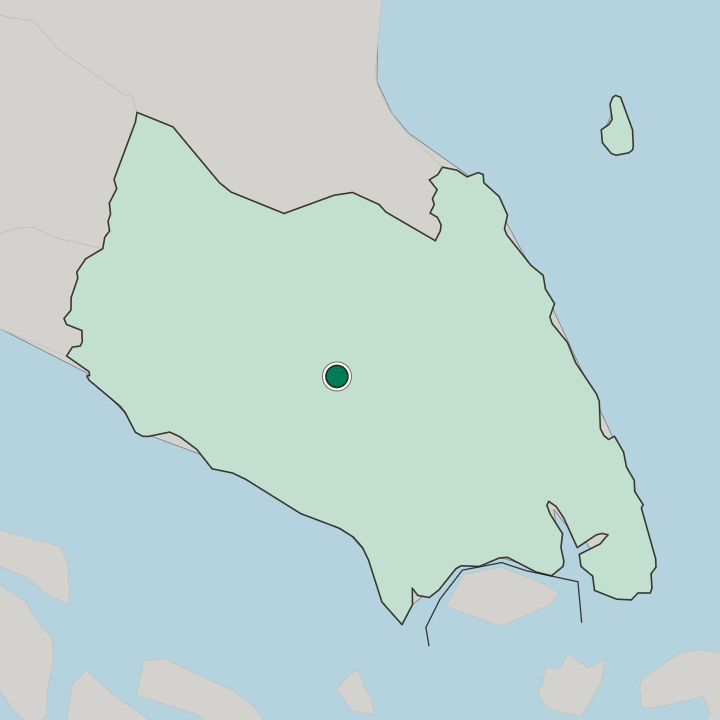
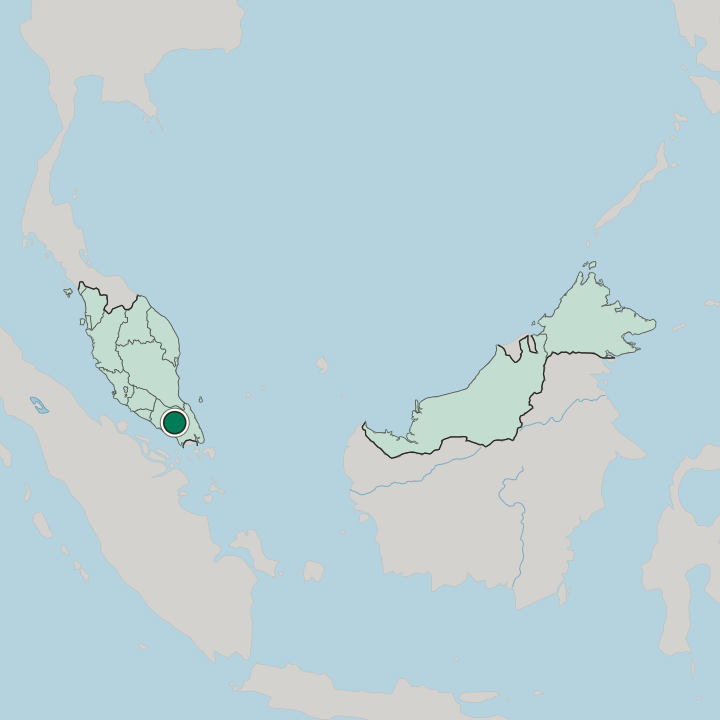
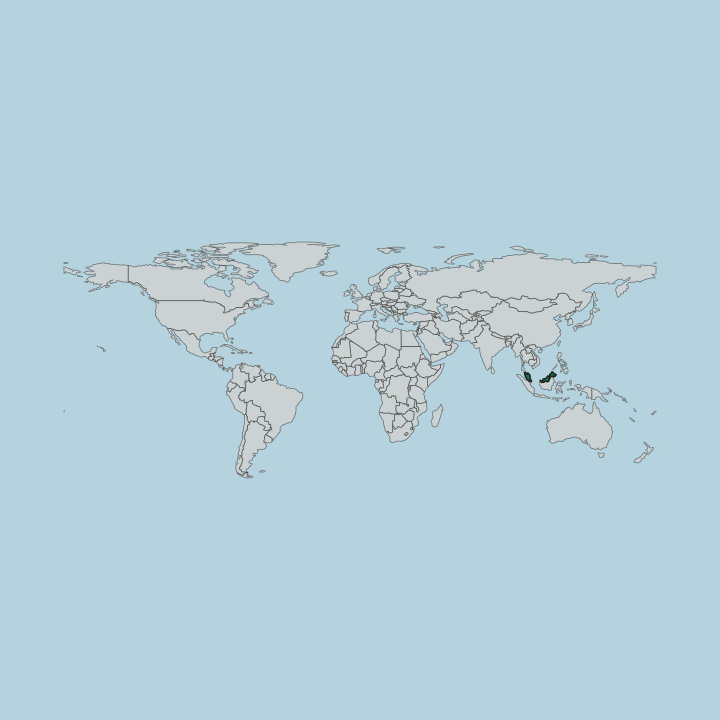
Kluang occupies the centre of Johor. Kluang District sits in the middle of the state, close enough to the major urban areas that the drive to any of them stays within an hour and a half, which was the point of putting the capital here. Batu Pahat lies alongside it.
The two towns between them account for central Johor, and the country in the district runs to plantations, organic farms and the works that supply the tile trade.
What is the climate of Kluang?
Rain runs the farming year here. Kluang sits inland at the centre of Johor, where warmth holds steady in every month and the wet stretches matter more to the palm and the rice than any change in temperature ever does. Humid air sits over the district.
Afternoon storms break the heat and pass, which is why the water parks work as an all-year proposition rather than a seasonal one.
How do you get to Kluang?
Kluang was built to be reachable. The British placed the administrative capital at the centre of Johor, and the practical result is that every major urban area in the state falls within about ninety minutes by road. Everything moves by road here.
Traffic from Batu Pahat and from the rest of the state converges on Kluang District, and the farms, the water parks and the tile works all sit off those same approaches.
Common questions
What is the best area to stay in Kluang?
Central Kluang: Reaching Zenxin and the tile works from one address. Around Mount Lambak Water Park: Families taking Mount Lambak Water Park and Diamond Hill Water Park in one weekend. Out by Kahang Organic Rice Farm: Early mornings on the organic farms of Kluang District.
More cities in Johor
Updated October 2026