Malaysia
Johor, Malaysia — Towns & Travel Guide
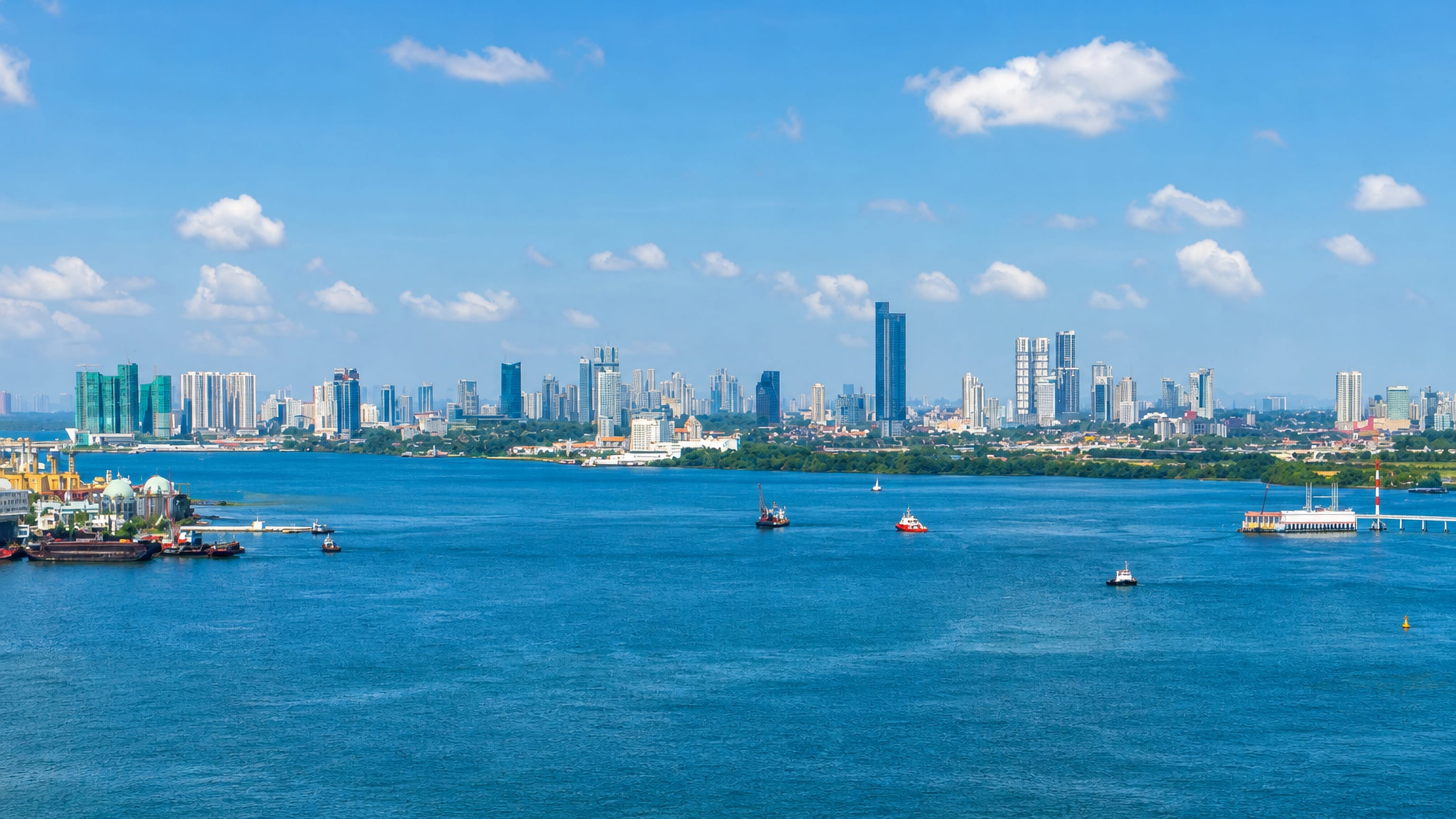
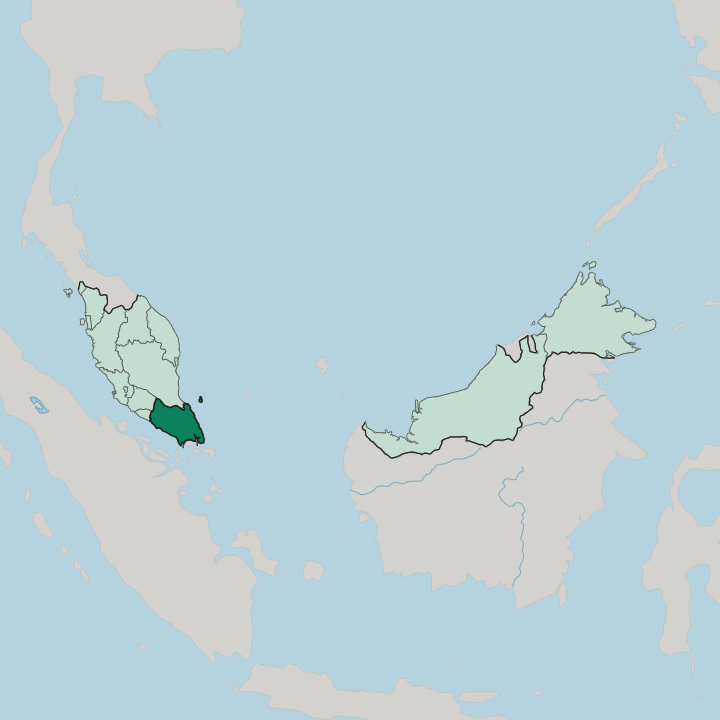
Johor is the southernmost state of Peninsular Malaysia, facing Singapore across the Straits of Johor at the tip of the mainland.
Hotel links are affiliate links: booking through them may earn us a commission, at no extra cost to you. It never affects how places are ranked. How this works


Towns & cities in Johor
Pick a town or city — each links to where to stay.
 Malaysia
Johor Bahru
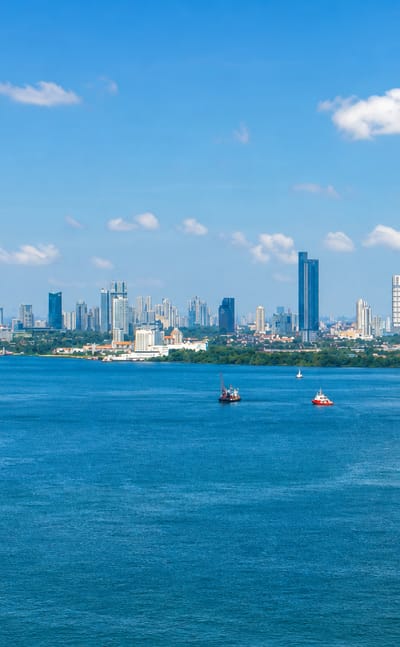
Water separates Johor Bahru from Singapore, the border-city capital of Johor at the southern tip of the Malay Peninsula in Malaysia, known as JB.Where to stay →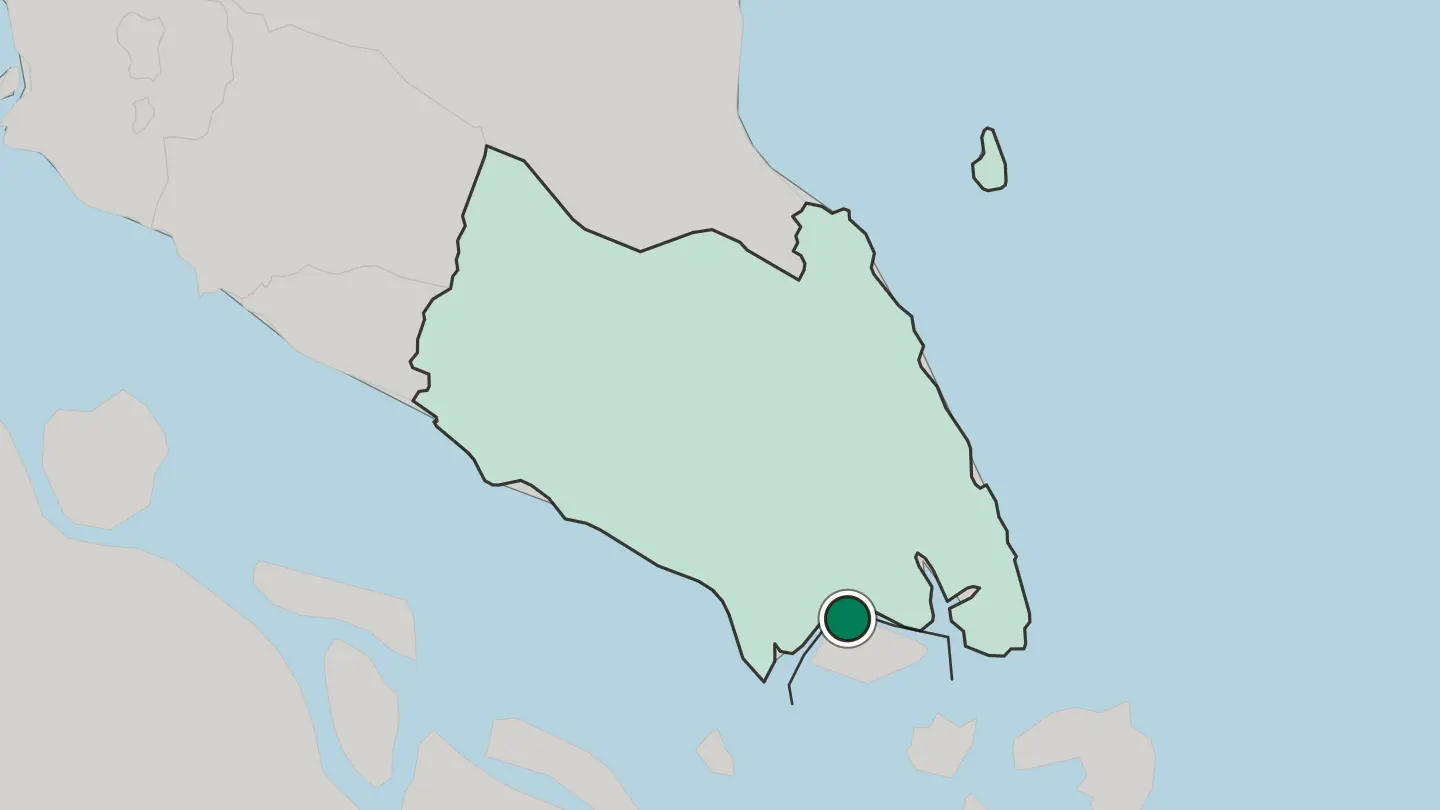 Malaysia1 area
Iskandar Puteri
Iskandar Puteri is a city in Johor, Malaysia, on the Straits of Johor at the southern end of the Malay Peninsula, and the state's administrative capital.Where to stay → Malaysia
Pasir Gudang
Pasir Gudang is an industrial city in eastern Johor Bahru District, dating from 1985, built around Johor Port and known for a February kite festival.Where to stay →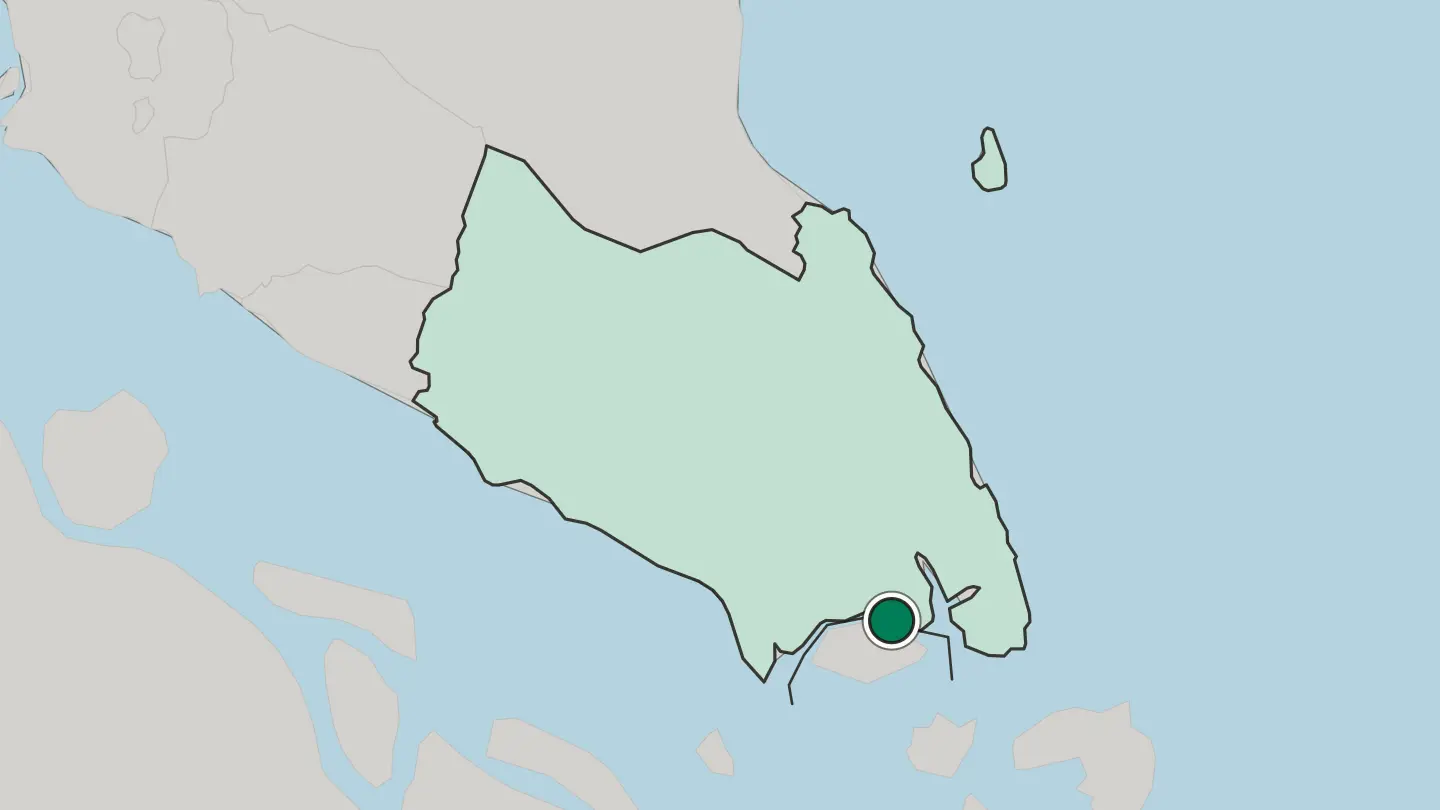
 Malaysia
Kluang
Kluang, formerly Keluang, is a town at the centre of Johor, Malaysia, founded in 1915 as the British administrative capital for the state.Where to stay →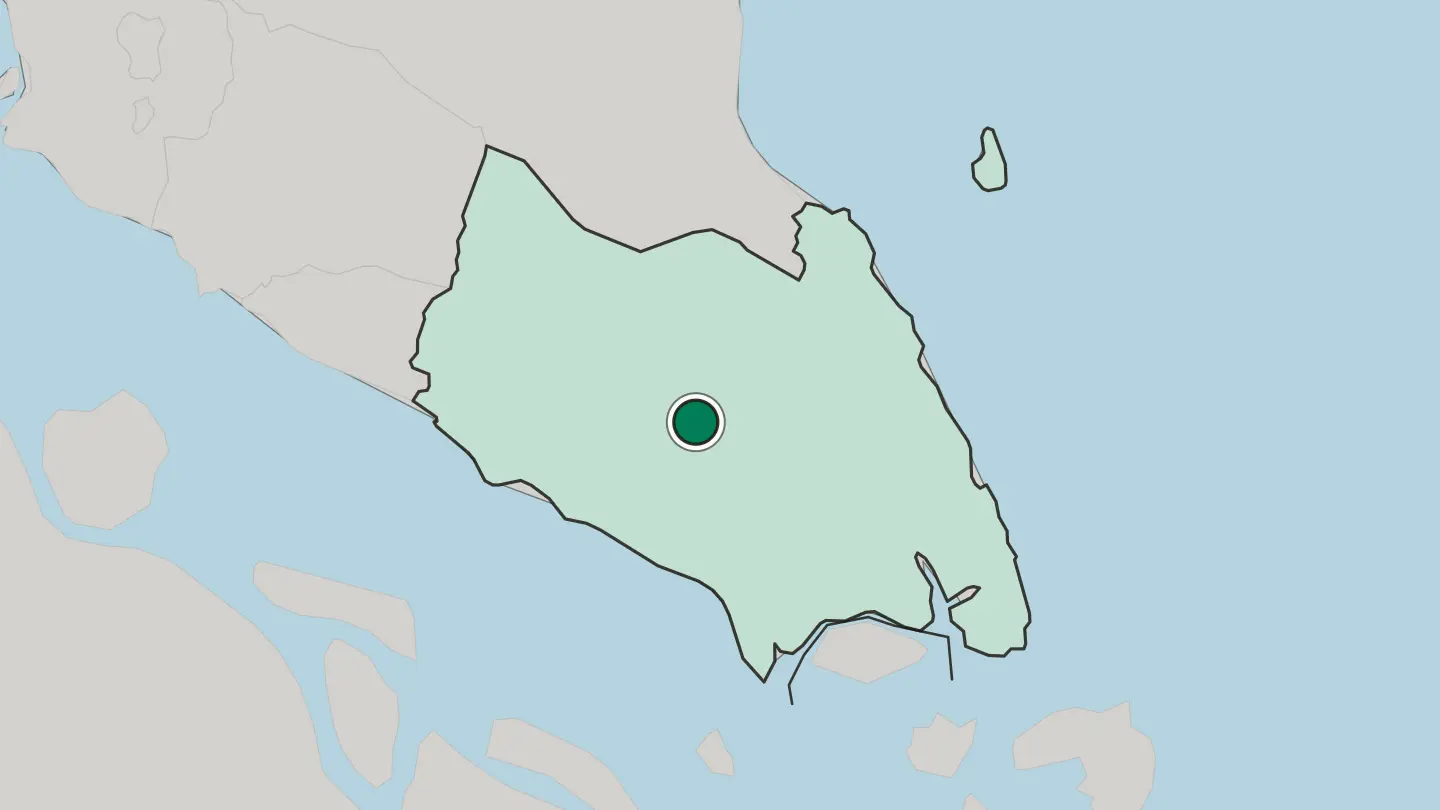
 Malaysia
Muar
Muar, or Bandar Maharani, is the royal town of Johor and the capital of Muar District, a prewar riverside town on the Sungai Muar in Malaysia.Where to stay →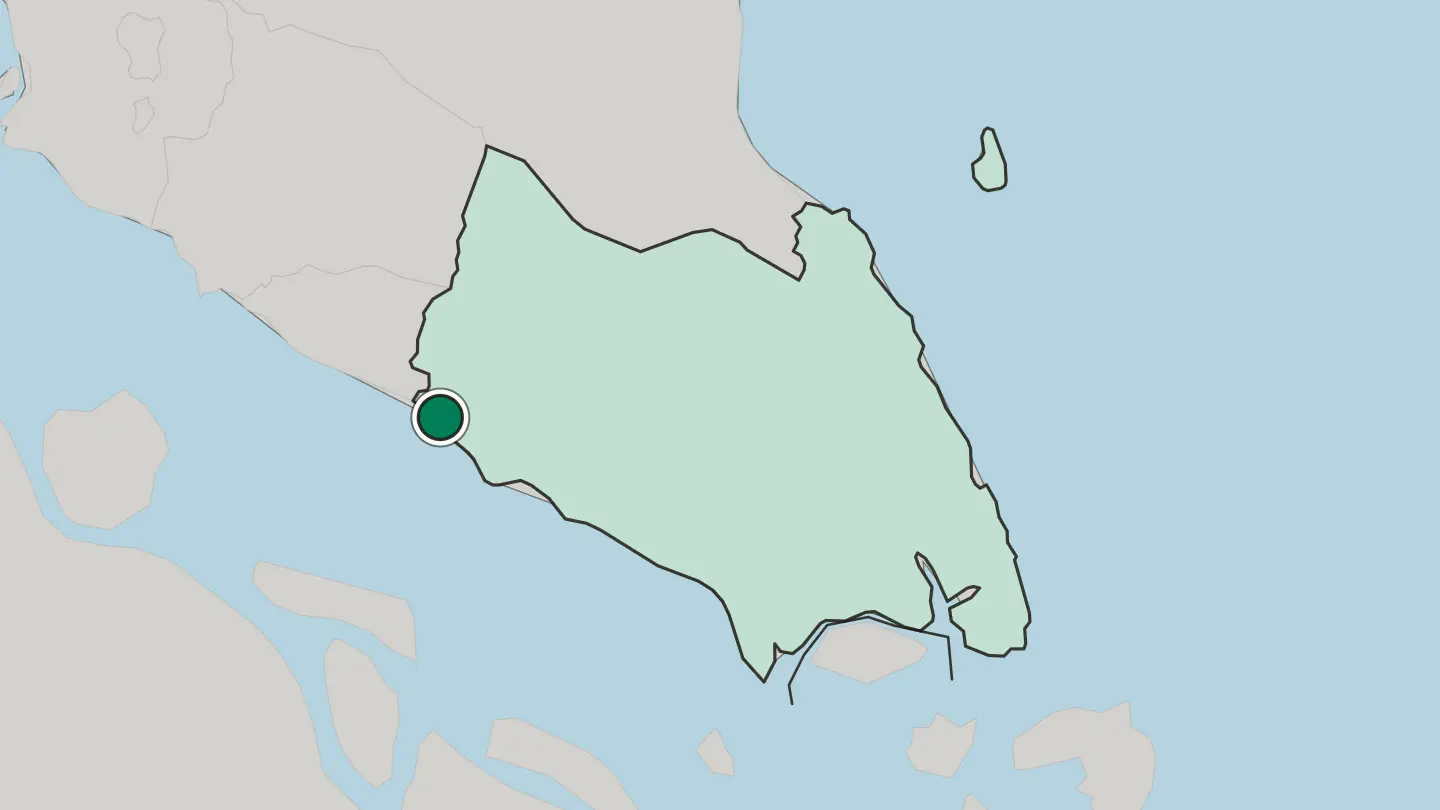 Malaysia
Batu Pahat
Batu Pahat, also called Bandar Penggaram, is the capital of Batu Pahat District in Johor, Malaysia, a town ringed by Muar, Kluang and Pontian.Where to stay →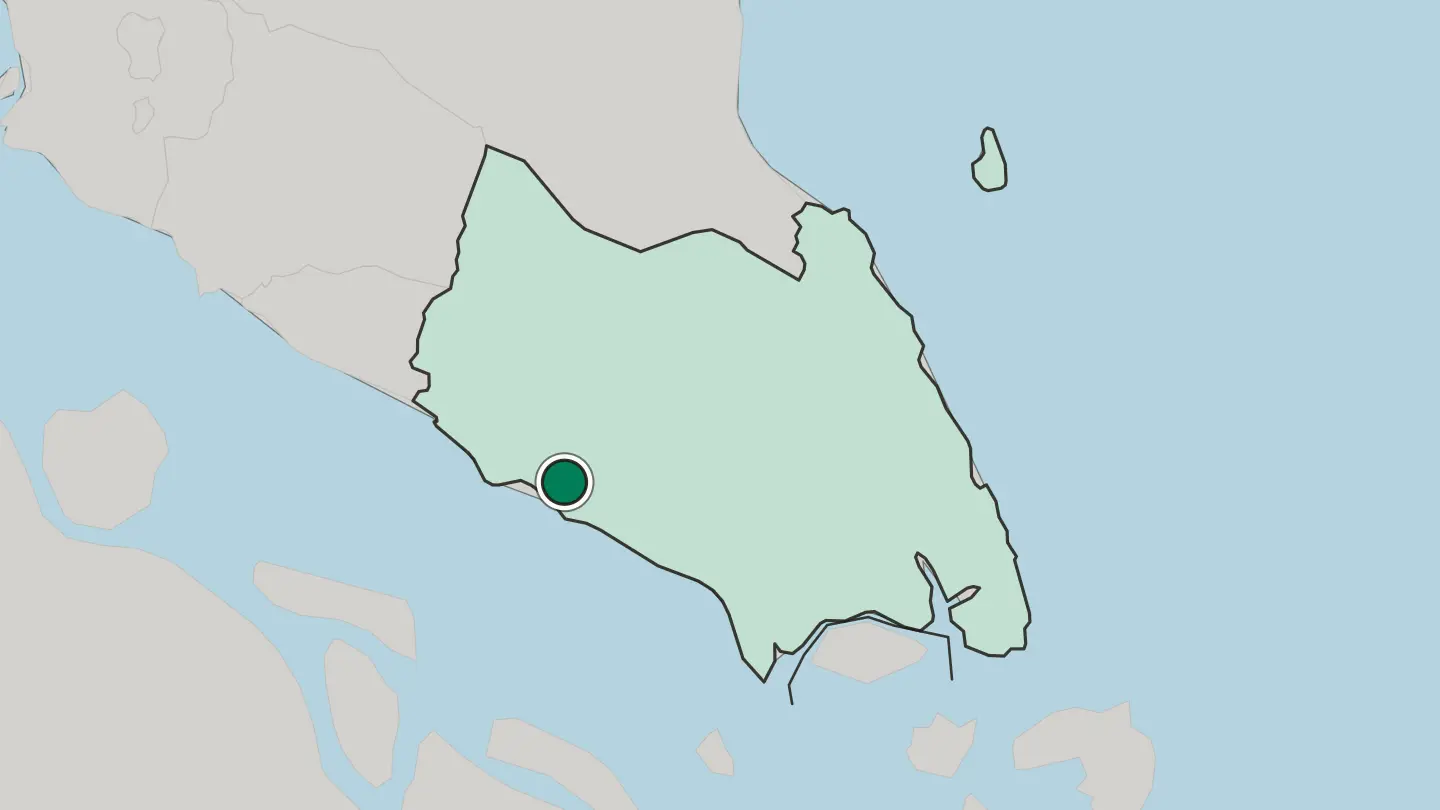 Malaysia
Kulai
Kulai is the capital of Kulai District in Johor, a Malaysian town dating from 1890 and administered by the Kulai Municipal Council.Where to stay →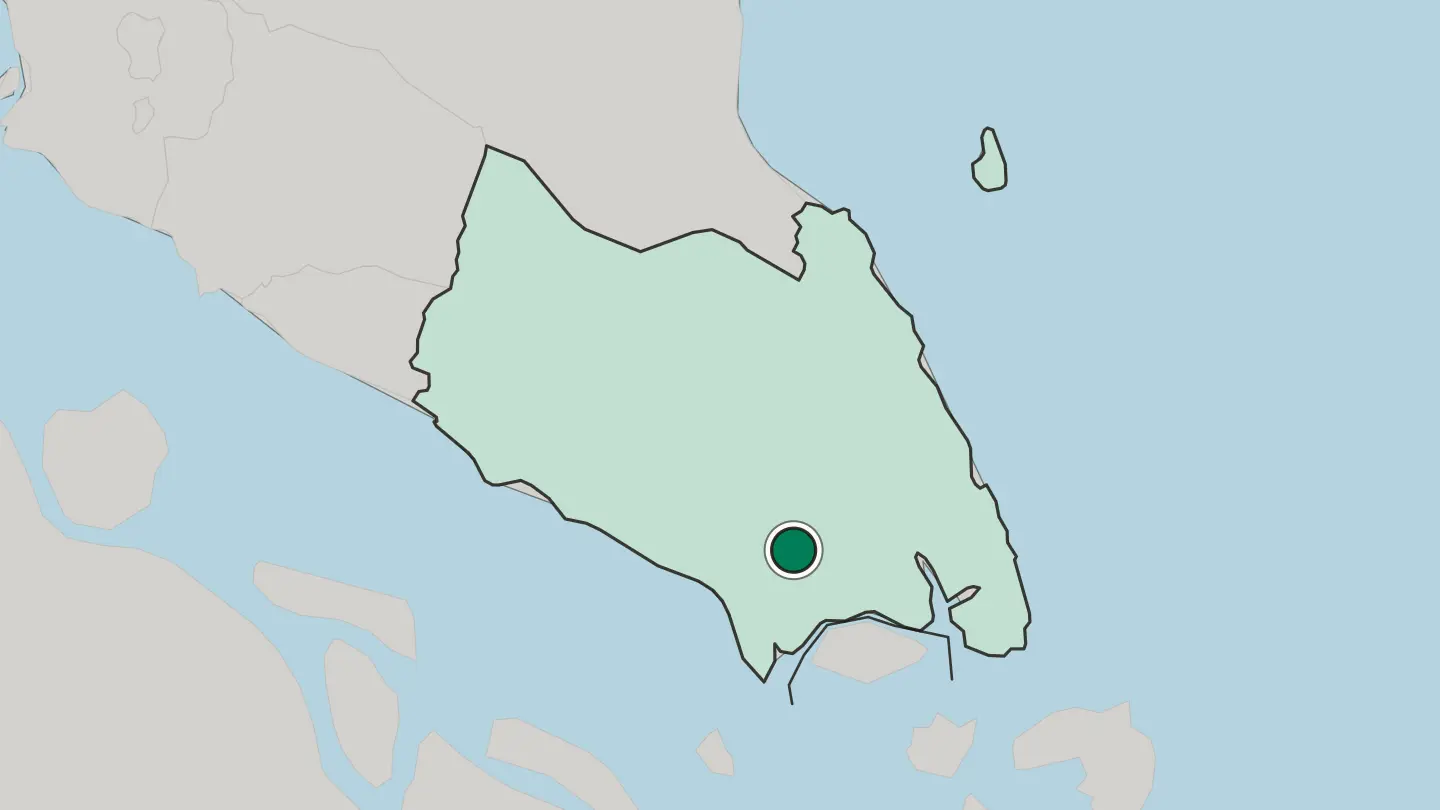
Hotel links are affiliate links: booking through them may earn us a commission, at no extra cost to you. It never affects how places are ranked. How this works
About Johor
What is Johor known for?
Johor is Singapore's mainland neighbour. The two are joined by the Johor-Singapore Causeway, which carries one of the busiest border crossings on earth across the Straits of Johor into Johor Bahru, the state capital and its economic engine. Beyond that traffic the state opens out into rubber and oil-palm country, mangrove-fringed rivers draining west to the Strait of Malacca, and the beach resorts of Desaru facing the South China Sea.
Muar, upriver on the west coast, holds the older title of royal capital.
Where is Johor?
Johor fills the southern tip of Peninsular Malaysia, the last of its states before the mainland runs out. Water frames it on three sides. The Strait of Malacca laps its west coast, the South China Sea washes the east, and the narrow Straits of Johor separate the state from Singapore in the south.
Only that thin channel, crossed by the causeway, divides Johor Bahru from the island city. Inland the land stays mostly flat and green under rubber and oil palm, broken by scattered granite peaks. Mount Ledang, also called Mount Ophir, rises to 1,276 metres in the north-west and is the highest ground in the state.
Rivers do much of the shaping. The Muar and the Batu Pahat run west to the Strait of Malacca, the Johor and Tebrau drain south into the Straits of Johor, and the Endau and Mersing empty east into the South China Sea. To the north Johor meets Pahang, Malacca and Negeri Sembilan; deep in the interior, the rainforest of Endau-Rompin National Park straddles the Pahang border.
It is a low, well-watered corner of the peninsula, and the sea is never far.
What is Johor like?
Johor is Malay to its core, and the Johor Sultanate that gives the state its name still sits at the centre of its identity. Malay is the everyday language, with English, Mandarin and Tamil heard alongside it in the towns. The mix is old.
Chinese planters who settled the river plains from the nineteenth century, Javanese and Bugis migrants from across the archipelago, and Tamil labourers on the rubber estates all left their mark on how the state cooks and speaks. That inheritance shows on the plate above all. Muar is famous across the country for its coffee and its otak-otak, grilled fish paste in banana leaf, while the food stalls of Johor Bahru pull cooks and eaters back and forth across the causeway from Singapore.
Older traditions hold too. The zapin dance, brought by Arab and Malay traders, and the kuda kepang horse-trance performance of the Javanese community are both rooted here. Proximity to Singapore shapes the modern rhythm.
Tens of thousands cross the Straits of Johor each day to work, and the state has grown outward around that flow. It stays unmistakably its own place all the same.
What is the history of Johor?
The story turns on a fall. When Malacca fell to the Portuguese in 1511, the sultan Mahmud Shah fled south, and his son Alauddin Riayat Shah II founded the Johor Sultanate along the Johor River around 1528. From those riverside capitals Johor grew into a maritime power contesting the Strait of Malacca for two centuries.
British treaties later fixed its modern borders, and in 1919 the railway was pushed south to Singapore, ending the swamp-bound isolation that had long cut Johor off from the rest of the peninsula. The sultanate endures as the emblem of the state.
What is the climate of Johor?
Johor sits close to the equator, and its climate barely shifts through the year. Heat and humidity are the constant. Days run warm from morning to night, and rain can fall in any month, often in short heavy afternoon storms.
The wettest spell comes with the northeast monsoon late in the year, when the South China Sea drives squalls onto the Desaru side and the eastern islands. There is no cold season here, only wetter months and drier ones.
How do you get to Johor?
Most visitors come overland from Singapore. The Johor-Singapore Causeway and the Second Link bridge both cross the Straits of Johor into the state, and the crossing at Johor Bahru is one of the world's busiest land borders. Senai Airport, just north of the capital, handles flights from across the region, and many travellers also fly into Singapore and cross by road.
Inside Johor, buses and the north-south railway tie Johor Bahru to Muar, Batu Pahat and the towns of the interior.
Common questions
What is the best area to stay in Johor?
Johor Bahru: the border city and its hawker food. Desaru: east-coast beaches and resorts. Muar: riverside heritage on the west coast. The Mersing islands: diving and quiet island chalets.
Good for
More regions in Malaysia
Updated October 2026