Netherlands · Provincie Gelderland
Where to Stay in Arnhem, Provincie Gelderland
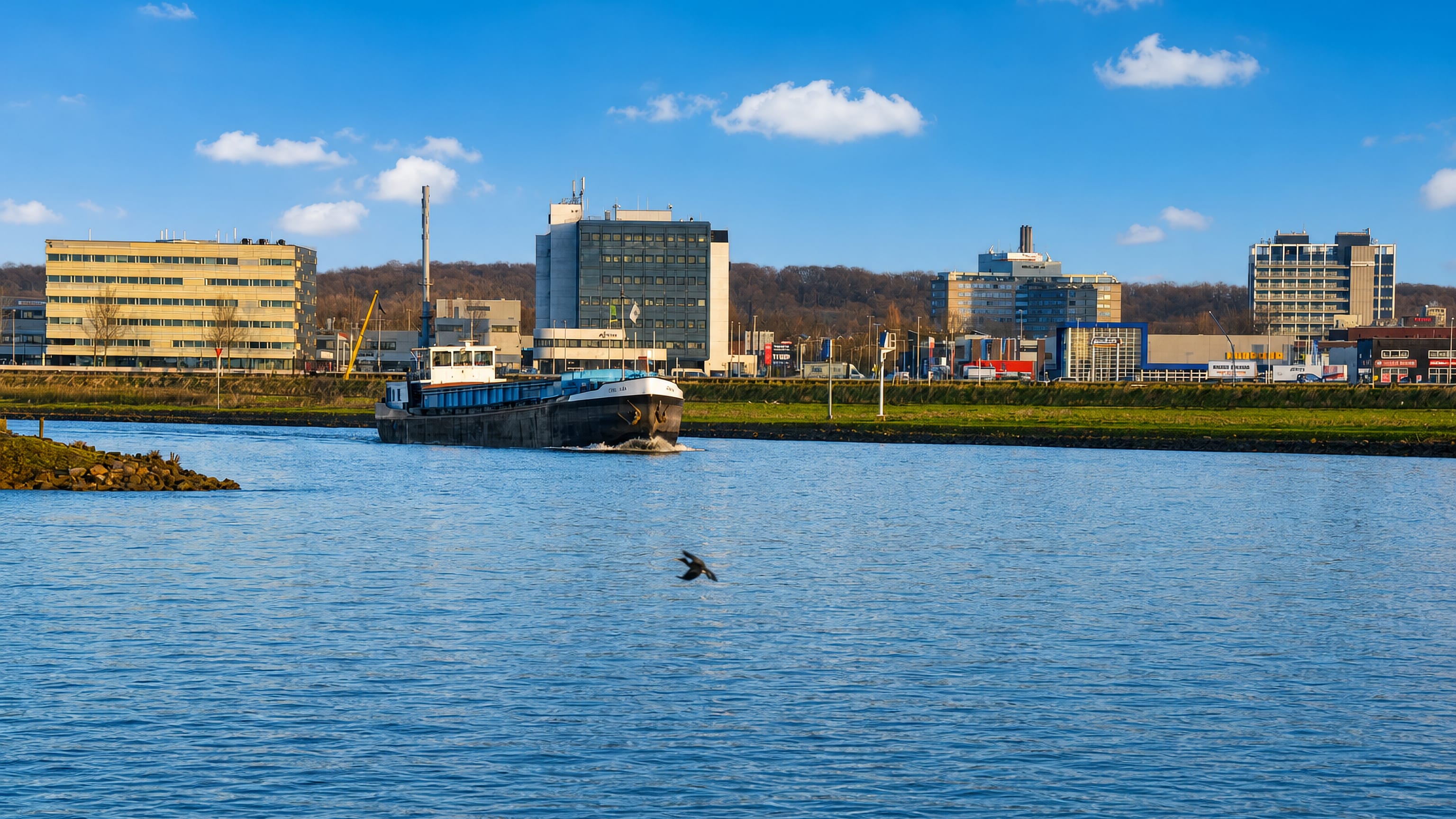
Brick spires rise over Arnhem, a city in Provincie Gelderland chartered in 1233, known for St Eusebius' Church and the John Frost Bridge.
Hotel links are affiliate links: booking through them may earn us a commission, at no extra cost to you. It never affects how places are ranked. How this works


Where to stay in Arnhem
The right area depends on your trip — here's what each neighbourhood is best for.

 ArnhemNetherlands
Klarendal
Klarendal is an Arnhem district read through its monument list, from the Agnietenkapel to Café Meijers and the brick fronts of the Brusselse Huizen.Where to stay →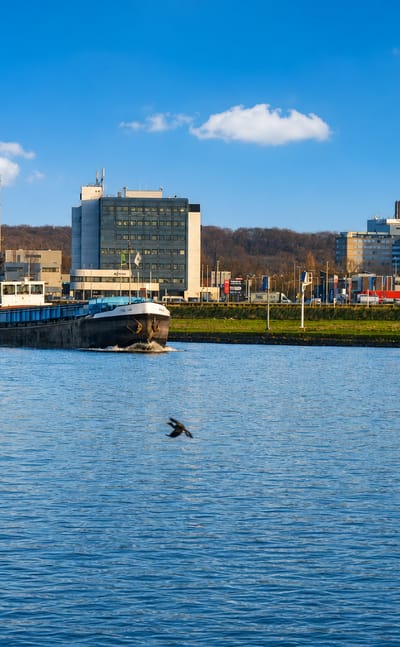 ArnhemNetherlands
Malburgen Oost
Malburgen Oost is a district of Arnhem, filed with the Verzetsmonument and Airborne at the Bridge on its landmark list.Where to stay →ArnhemNetherlandsGulden Bodem
Gulden Bodem is an Arnhem district of large houses, with Huis Zypendaal, Casa Bianca and the Nederlands Watermuseum among its listed names.Where to stay →ArnhemNetherlandsAlteveer
Alteveer is the Arnhem district next to the Netherlands Open Air Museum, the Royal Burgers' Zoo and Burgers' Ocean.Where to stay → ArnhemNetherlands
Malburgen West
Malburgen West is the Arnhem district paired with Malburgen Oost, and the Bonifatiuskerk is the building the monument register picks out here.Where to stay →ArnhemNetherlandsHet Dorp
Het Dorp is Dutch for the village, and the Arnhem neighbourhood carrying that name lists Museum Arnhem and the TenneT Toren.Where to stay →ArnhemNetherlandsSterrenberg
Sterrenberg is a small Arnhem district of about 26 hectares, holding Menthenberg and Villa Middaghoogte on the monument list.Where to stay →ArnhemNetherlandsGeitenkamp
Geitenkamp is an Arnhem district with Museum Bronbeek at hand and two protected churches, the Paasbergkerk and the Opstandingskerk.Where to stay → ArnhemNetherlands
Presikhaaf
Presikhaaf is a quarter in the north-east of Arnhem, built from 1948 on an estate that a family called Van Presichave held in the fourteenth century.Where to stay →ArnhemNetherlandsElderveld
Elderveld is one of Arnhem's residential districts, given over to houses and local streets rather than to museums and churches.Where to stay → ArnhemNetherlands
De Laar
De Laar is an Arnhem housing district whose one protected entry is archaeological, the Terrein waarin resten van een nederzetting.Where to stay →Hotel links are affiliate links: booking through them may earn us a commission, at no extra cost to you. It never affects how places are ranked. How this works
Find hotels in Arnhem
Direct booking searches for these neighbourhoods.
Historic core around St Eusebius' Church
The oldest walkable part of Arnhem, in sight of St Eusebius' Church and steps from the Sint-WalburgisbasiliekFind hotels in Historic core around St Eusebius' ChurchTravellers who choose the lawns and water of Sonsbeek Park over the noise of central ArnhemSonsbeek Park green belt
The park stretch north of the centre, with Huis Zypendaal set among its older groundsFind hotels in Sonsbeek Park green beltQuieter, spread-out stays near National Sports Centre Papendal and the John Frost Bridge approachPapendal and the western approach
The western reaches near National Sports Centre Papendal, trading core density for room to breatheFind hotels in Papendal and the western approachHotel links are affiliate links: booking through them may earn us a commission, at no extra cost to you. It never affects how places are ranked. How this works
Things to do in Arnhem
Ranked by global recognition; descriptions from Wikidata (CC0).
Museums & Galleries
3- Huis Zypendaal Heritage
- Netherlands Open Air Museum
- Museum Arnhem
Churches & Religious Sites
8- St Eusebius' Church, Arnhem Heritage
- Sint-Walburgisbasiliek Heritage
- Synagoge, Arnhem Heritage
- Agnietenkapel Heritage
- Koepelkerk, Arnhem Heritage
Show 3 more →
- Sint-Martinuskerk Heritage
- Sint Jan de Doper, Arnhem Heritage
- Bonifatiuskerk, Arnhem Heritage
Castles & Historic Sites
4- Terrein waarin resten van het Kasteel Meinerswijk Heritage
- Roosje Heritage
- Terrein waarin de resten van het klooster Marienborn of Mariendaal Heritage
- Terrein waarin resten van een nederzetting Heritage
Nature & Outdoors
1- Sonsbeek Park Heritage
Stadiums & Sports
1- National Sports Centre Papendal
Landmarks & Notable Places
8- John Frost Bridge Heritage
- Koepelgevangenis Heritage
- Moscowa Heritage
- Presickhaeffs Huis Heritage
- Casa Bianca Heritage
Show 3 more →
- Utrechtseweg 99, Arnhem Heritage
- Menthenberg Heritage
- Zijpendaalseweg 71, Arnhem Heritage
worth knowingacross 6 categories in Arnhem
About Arnhem
What is Arnhem known for?
Arnhem is known across Provincie Gelderland for its skyline landmarks and its green edges. St Eusebius' Church towers over the centre. The John Frost Bridge carries the city's most recognised span, while Sonsbeek Park frames the northern approach with lawns, water, and wooded slopes that soften the run out of town.
Older still is the Sint-Walburgisbasiliek. It counts among the oldest built anchors in a city chartered in 1233.
What are the main landmarks in Arnhem?
Arnhem's landmarks range from medieval churches to a working sports campus. St Eusebius' Church and the Sint-Walburgisbasiliek anchor the skyline. The John Frost Bridge marks the city's best-known span, the TenneT Toren adds a modern vertical, and the Koepelgevangenis rounds a distinctive dome into the built stock.
Museum Arnhem and Museum Bronbeek hold the city's collections, while Agnietenkapel and Huis Zypendaal preserve older fabric near Sonsbeek Park.
What is the history of Arnhem?
Arnhem was chartered in 1233 and grew into a seat of Provincie Gelderland. Its oldest fabric still stands. The Sint-Walburgisbasiliek counts among the earliest built anchors, and St Eusebius' Church rose later to dominate the medieval skyline, so the centre reads as a layered record of the town that took shape after that thirteenth-century charter.
Growth pushed outward from the old core. The green estates around Sonsbeek Park and Huis Zypendaal mark the city's later reach into its northern grounds, while institutions such as Museum Bronbeek and the Koepelgevangenis record the civic and military chapters a provincial seat accumulates. The John Frost Bridge carries the name that fixed Arnhem in the wider story of the twentieth century, and the span remains among the city's most recognised structures.
Where is Arnhem?
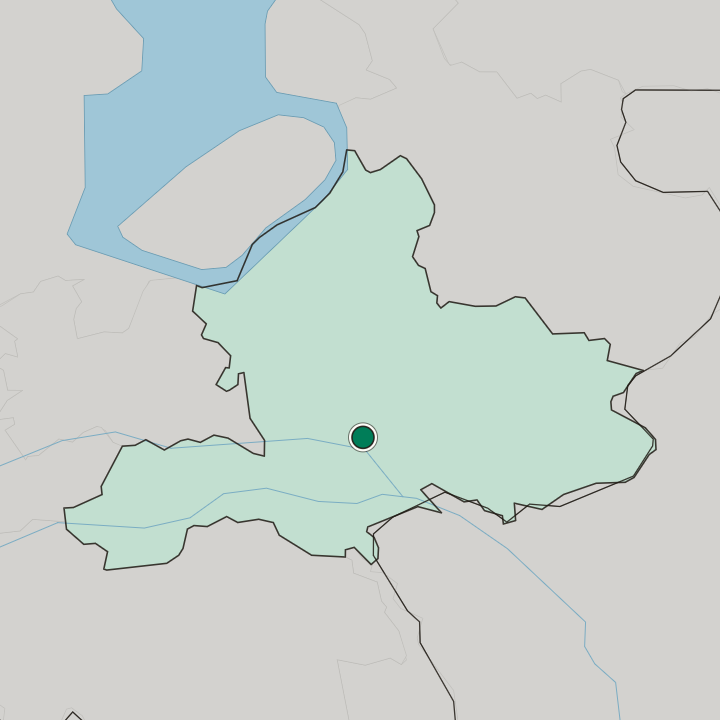
Arnhem is the principal seat of Provincie Gelderland, its built-up area spreading from a compact centre toward greener margins. The John Frost Bridge marks one flank. Northward the ground rises into the wooded grounds of Sonsbeek Park and Huis Zypendaal, so the city runs from a dense historic core near St Eusebius' Church out to leafy estate land within a short reach.
What is the climate of Arnhem?
Arnhem has a temperate maritime climate. Winters are cool and damp, and summers stay mild over Provincie Gelderland's principal seat. Rain arrives in changeable spells rather than long dry runs, so a walk from St Eusebius' Church out to the lawns of Sonsbeek Park is best planned around passing showers.
How do you get to Arnhem?
Arnhem connects into Provincie Gelderland by rail, with Arnhem Velperpoort railway station serving the eastern side of the centre. Trains reach the core directly. From there the John Frost Bridge carries road traffic across its span, and the western approach runs out toward National Sports Centre Papendal, so arrivals fan quickly from the station into every quarter of the city.
Common questions
What is the best area to stay in Arnhem?
Historic core around St Eusebius' Church: First-time visitors who want the densest beds within a walk of the Sint-Walburgisbasiliek and Museum Arnhem. Sonsbeek Park green belt: Travellers who choose the lawns and water of Sonsbeek Park over the noise of central Arnhem. Papendal and the western approach: Quieter, spread-out stays near National Sports Centre Papendal and the John Frost Bridge approach.
Good for
More cities in Provincie Gelderland
Updated October 2026