Netherlands · Provincie Gelderland
Where to Stay in Nijmegen, Provincie Gelderland
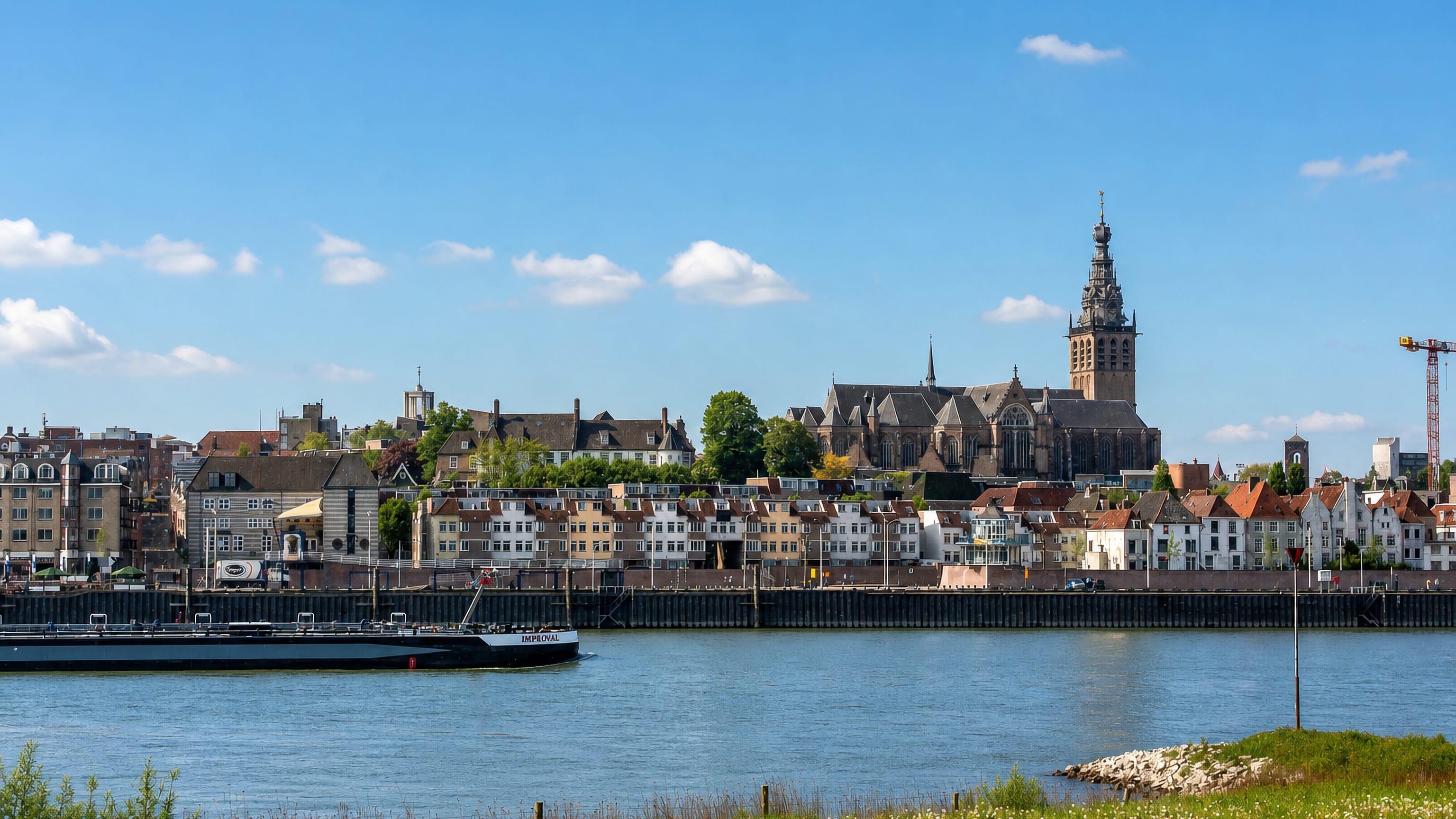
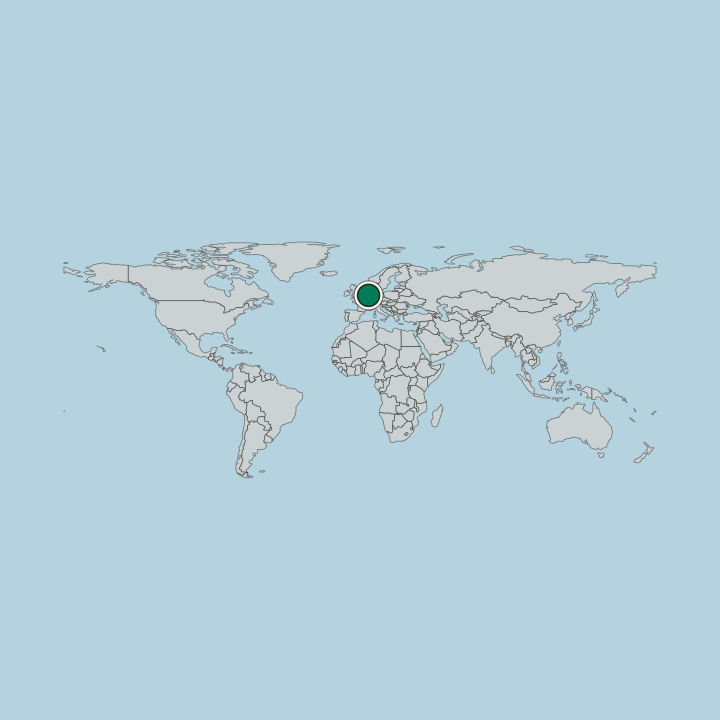
Nijmegen stands on the Waal in Gelderland, among the oldest cities in the Netherlands and host of the International Four Days Marches.
Hotel links are affiliate links: booking through them may earn us a commission, at no extra cost to you. It never affects how places are ranked. How this works


Where to stay in Nijmegen
Each area has its own feel; here's who each one suits.

 NijmegenNetherlands
Hengstdal
Hengstdal is a district of Nijmegen dense with parish churches, cloister buildings, and the older villas listed along the Rijksstraatweg.Where to stay →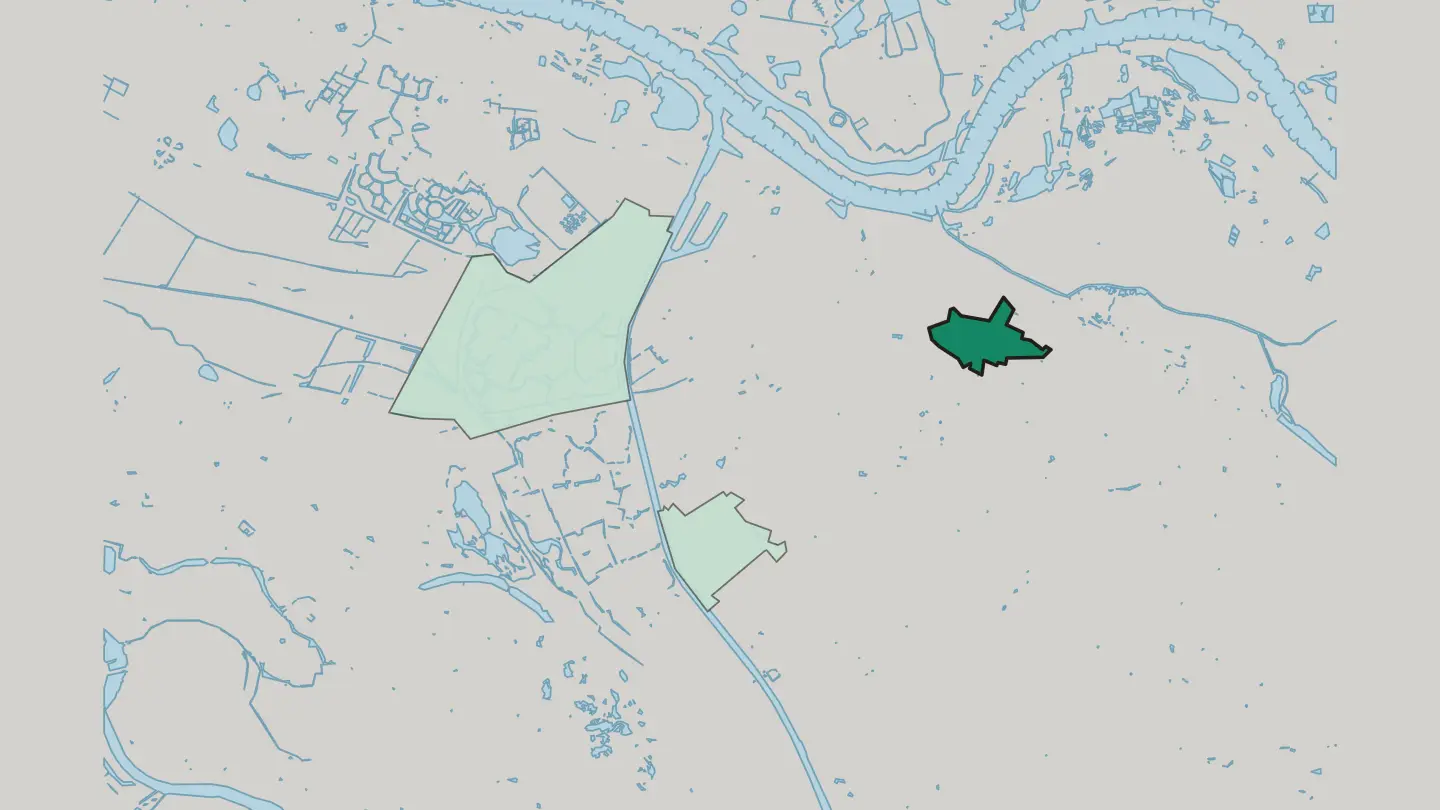
 NijmegenNetherlands
Lindenholt
Lindenholt is a district of Nijmegen that takes in Neerbosch, where a museum and a small church keep the memory of its kinderdorp.Where to stay →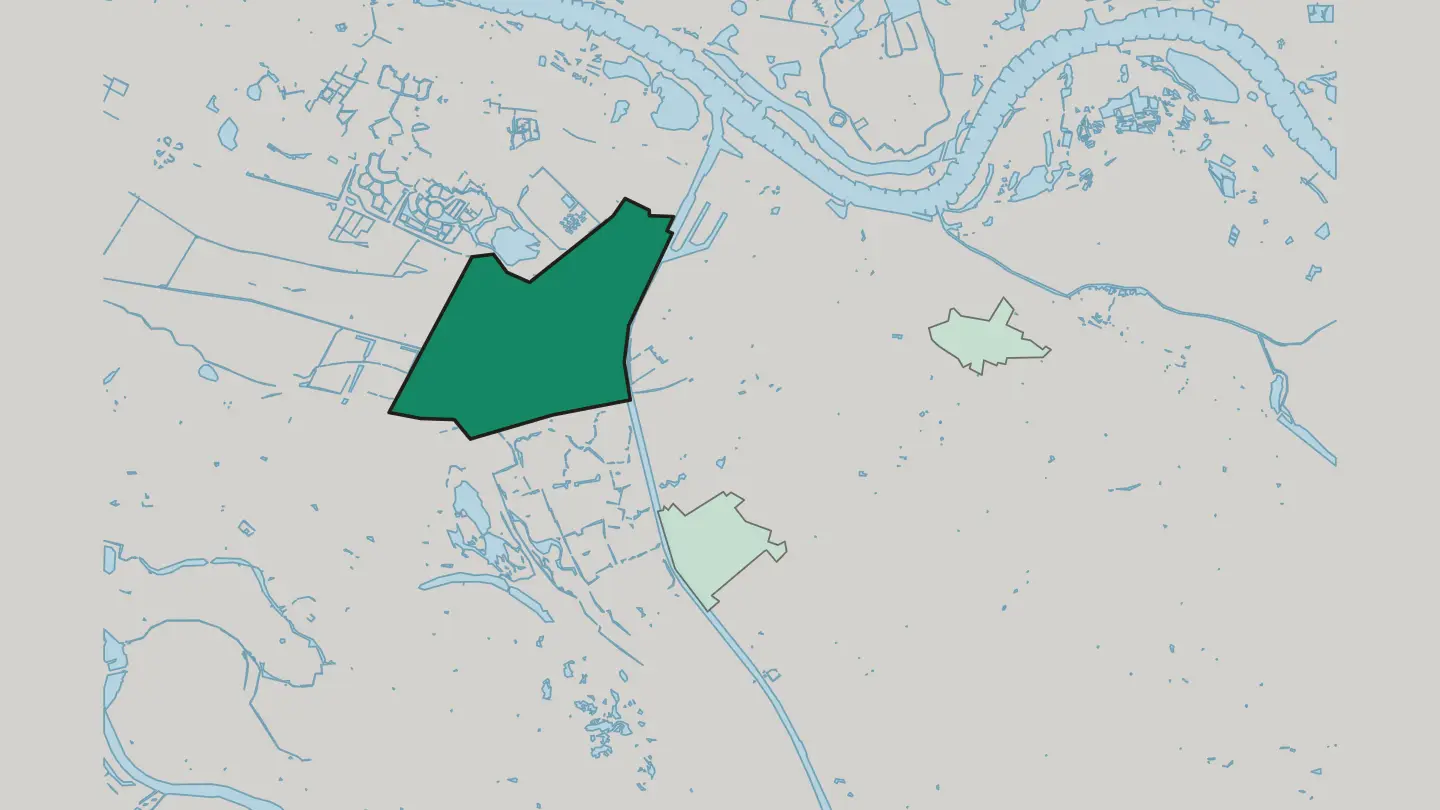
 NijmegenNetherlands
Hatert
Hatert is a suburb in the south of Nijmegen, in the Netherlands, a residential quarter that shares its name with the house called Huis Hatert.Where to stay →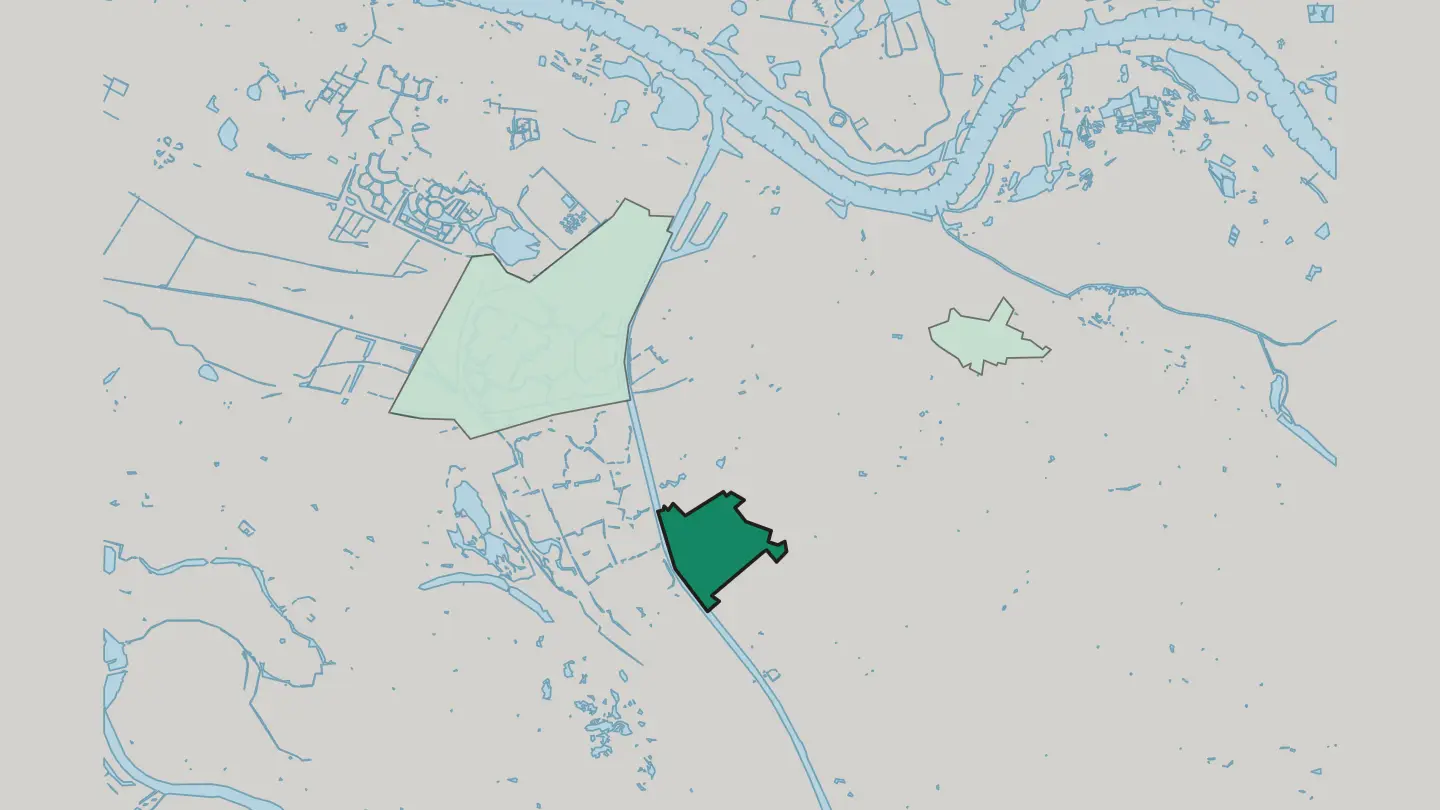
Hotel links are affiliate links: booking through them may earn us a commission, at no extra cost to you. It never affects how places are ranked. How this works
Find hotels in Nijmegen
Direct booking searches for these neighbourhoods.
Around Museum Het Valkhof
Museum Het Valkhof and the Sint Nicolaaskapel are a walk from the doorFind hotels in Around Museum Het ValkhofQuiet nights within reach of the CenakelkerkHeilig Landstichting
The Heilig Hartbasiliek stands clear of Nijmegen's built-up streets. Few places to stay nearby — book ahead.Find hotels in Heilig LandstichtingDrivers crossing the Waal bridges into the old coreAcross the Waal
The far bank of the Waal keeps parking simpler than the centre doesFind hotels in Across the WaalHotel links are affiliate links: booking through them may earn us a commission, at no extra cost to you. It never affects how places are ranked. How this works
Things to do in Nijmegen
Ranked by global recognition; descriptions from Wikidata (CC0).
Museums & Galleries
3- Stratemakerstoren Heritage
- Museum Het Valkhof
- MuZIEum
Churches & Religious Sites
8- St Steven's Church Heritage
- Sint Nicolaaskapel Heritage
- Cenakelkerk Heritage
- St Peter Canisius Church, Nijmegen Heritage
- Klooster Marienbosch, Nijmegen Heritage
Show 3 more →
- Titus Brandsma Memorial Heritage
- Albertinum Heritage
- Antonius van Paduakerk Nijmegen Heritage
Castles & Historic Sites
1- Monument voor Ivan William Cain
Stadiums & Sports
1- SportQube
Landmarks & Notable Places
5- Belvédère Nijmegen Heritage
- Besiendershuis Heritage
- Huis Hatert Heritage
- Het Slotje Heritage
- Spieker Heritage
worth knowingacross 5 categories in Nijmegen
About Nijmegen
Walkers know the name.
What is Nijmegen known for?
The International Four Days Marches bring hikers to Nijmegen from many countries, and the city that Rome first recognised as such fills the rest of its calendar with students, museums, and the left-leaning politics it is known for. Museum Het Valkhof and Velorama carry the visitor traffic. Gelderland has no bigger city.
What are the main landmarks in Nijmegen?
Churches account for much of the list. St Steven's Church, the Sint-Joriskapel, the Maria Geboortekerk, and the Antonius van Paduakerk stand alongside the Lutheran Church, the Sint-Andreaskerk, and the St Peter Canisius Church, while the Titus Brandsma Memorial keeps a different kind of record. Museum Het Valkhof holds the collections.
Velorama, the MuZIEum, the Besiendershuis, and Het Slotje add smaller draws, and the Stratemakerstoren, the Belvédère Nijmegen, and SportQube fill out a roll that mixes chapels with newer halls.
What is the history of Nijmegen?
The Romans got here first. Nijmegen was the earliest settlement in what became the Netherlands to be recognised as a city under Roman rule, and that recognition is the ground on which its claim to be the country's oldest town still rests. In 2005 it marked two thousand years of existence.
The record gives 1230 as the founding year, and between that date and the modern street plan came the chapels and churches that still carry the older names: the Sint Nicolaaskapel, the Sint-Joriskapel, St Steven's Church, and the Hervormde Kerk. Religious houses shaped the later centuries. Berchmanianum and Klooster Marienbosch belong to the institutions that settled here, the Besiendershuis and Het Slotje survive from the town's domestic past, and the Stratemakerstoren carries a name from the older defended core beside the Waal.
Names are kept as well as buildings. The Titus Brandsma Memorial and the Monument voor Ivan William Cain each hold one, and the Heilig Hartbasiliek at Heilig Landstichting and the Cenakelkerk show how far the religious foundations reached beyond the city itself. Nijmegen still measures itself against that long record, and the two thousand years marked in 2005 remain the frame in which the city presents its past to anyone arriving from Gelderland or from over the German border.
Where is Nijmegen?
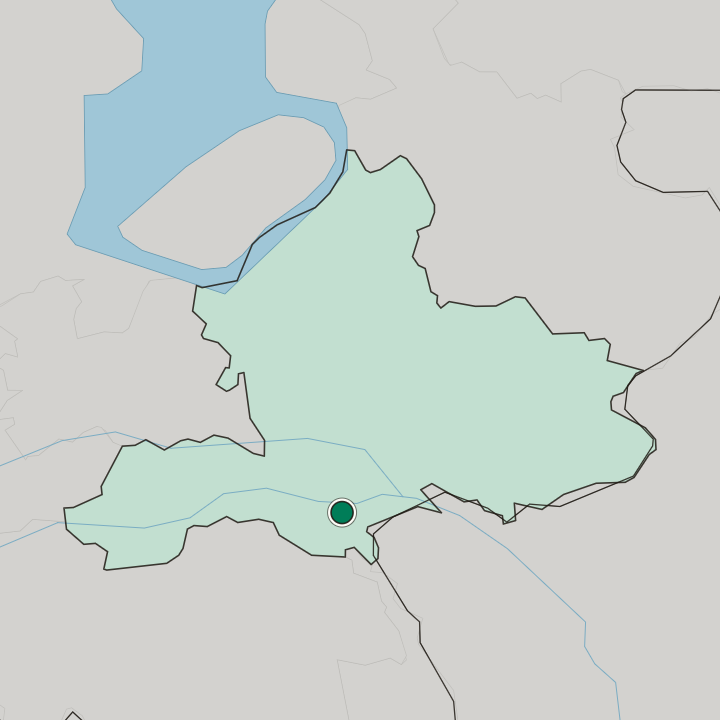
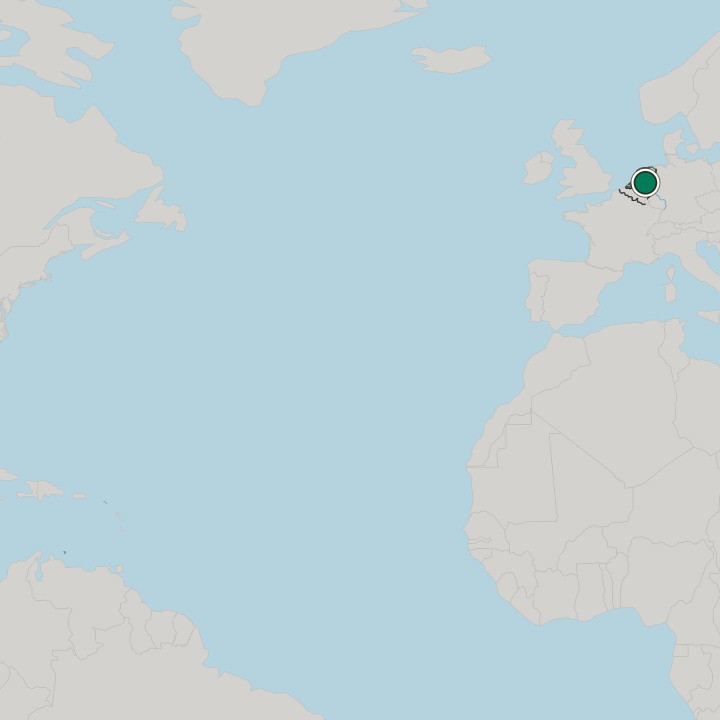
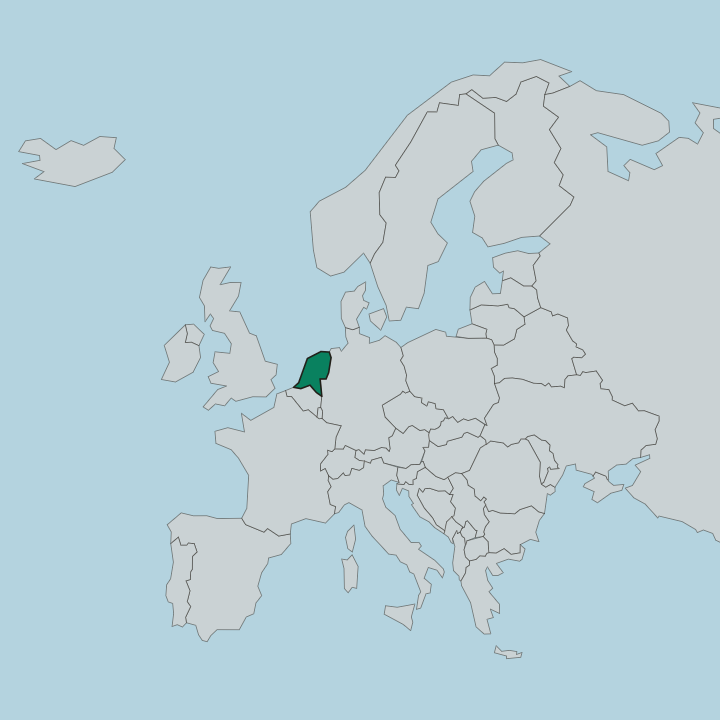
Start with the river. Nijmegen is the largest city of Gelderland and the ninth largest in the Netherlands, a river town on the Waal set close to the German border. Germany is not far off.
Bridges tie the old core to the far bank, and the Belvédère Nijmegen and the Stratemakerstoren survive among the named structures the city has kept above the water.
What is the climate of Nijmegen?
Temperate and changeable. Nijmegen lies inland in Gelderland, where the maritime air crossing the Netherlands still reaches the Waal but arrives weakened, so summer afternoons run warmer and winter nights sharper than the coast records. No month is reliably dry.
The border country over toward Germany shares the same pattern.
How do you get to Nijmegen?
Most arrivals come by train. Nijmegen sits on the Dutch rail network, with services running through Gelderland and on toward the German border, which puts arrivals from either country a short ride from the old core. Bridges carry the road traffic over the Waal.
During the International Four Days Marches the ordinary pattern breaks, with walkers and spectators filling the approaches for days and the marching routes closing streets that usually take cars.
Common questions
What is the best area to stay in Nijmegen?
Around Museum Het Valkhof: Arrivals here for the Valkhof collections and the Marches. Heilig Landstichting: Quiet nights within reach of the Cenakelkerk. Across the Waal: Drivers crossing the Waal bridges into the old core.
Good for
More cities in Provincie Gelderland
Updated October 2026