Netherlands
Provincie Gelderland, Netherlands — Towns & Travel Guide
Gelderland is the largest province of the Netherlands, spread across the east where the Rhine, Waal and IJssel divide the land.
Hotel links are affiliate links: booking through them may earn us a commission, at no extra cost to you. It never affects how places are ranked. How this works


Towns & cities in Provincie Gelderland
Pick a town or city — each links to where to stay.

 Netherlands
Nijmegen
Nijmegen stands on the Waal in Gelderland, among the oldest cities in the Netherlands and host of the International Four Days Marches.Where to stay →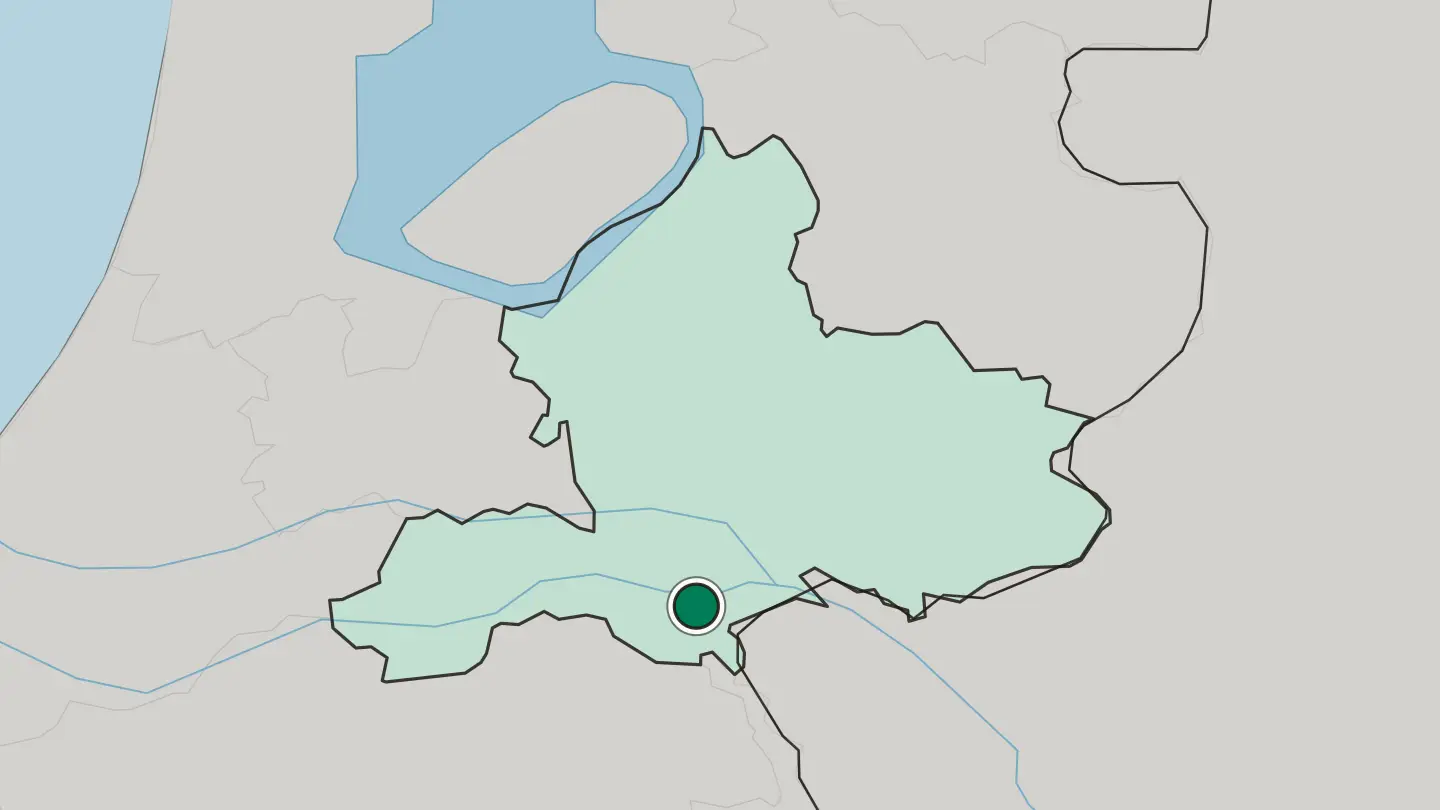
 Netherlands
Arnhem
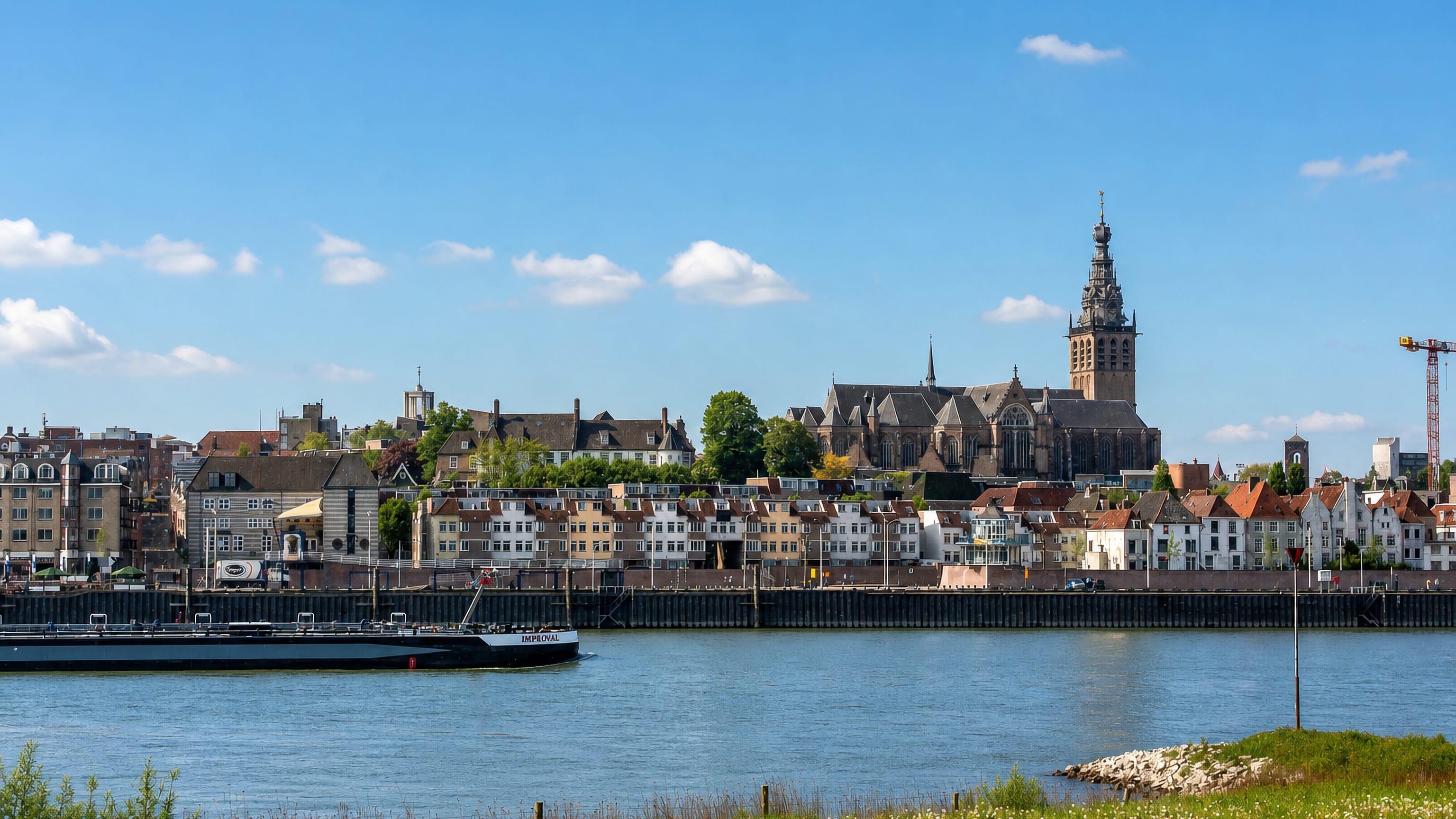
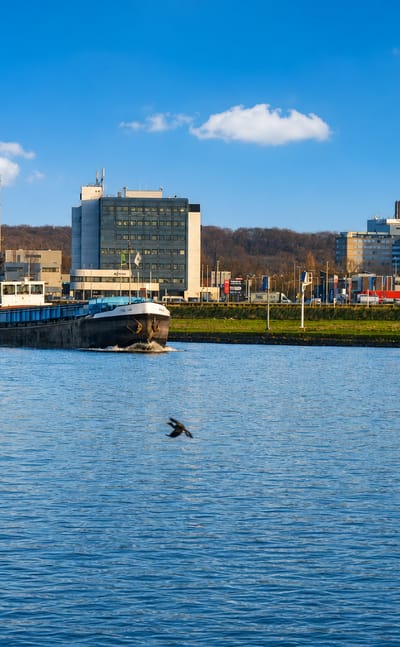
Brick spires rise over Arnhem, a city in Provincie Gelderland chartered in 1233, known for St Eusebius' Church and the John Frost Bridge.Where to stay →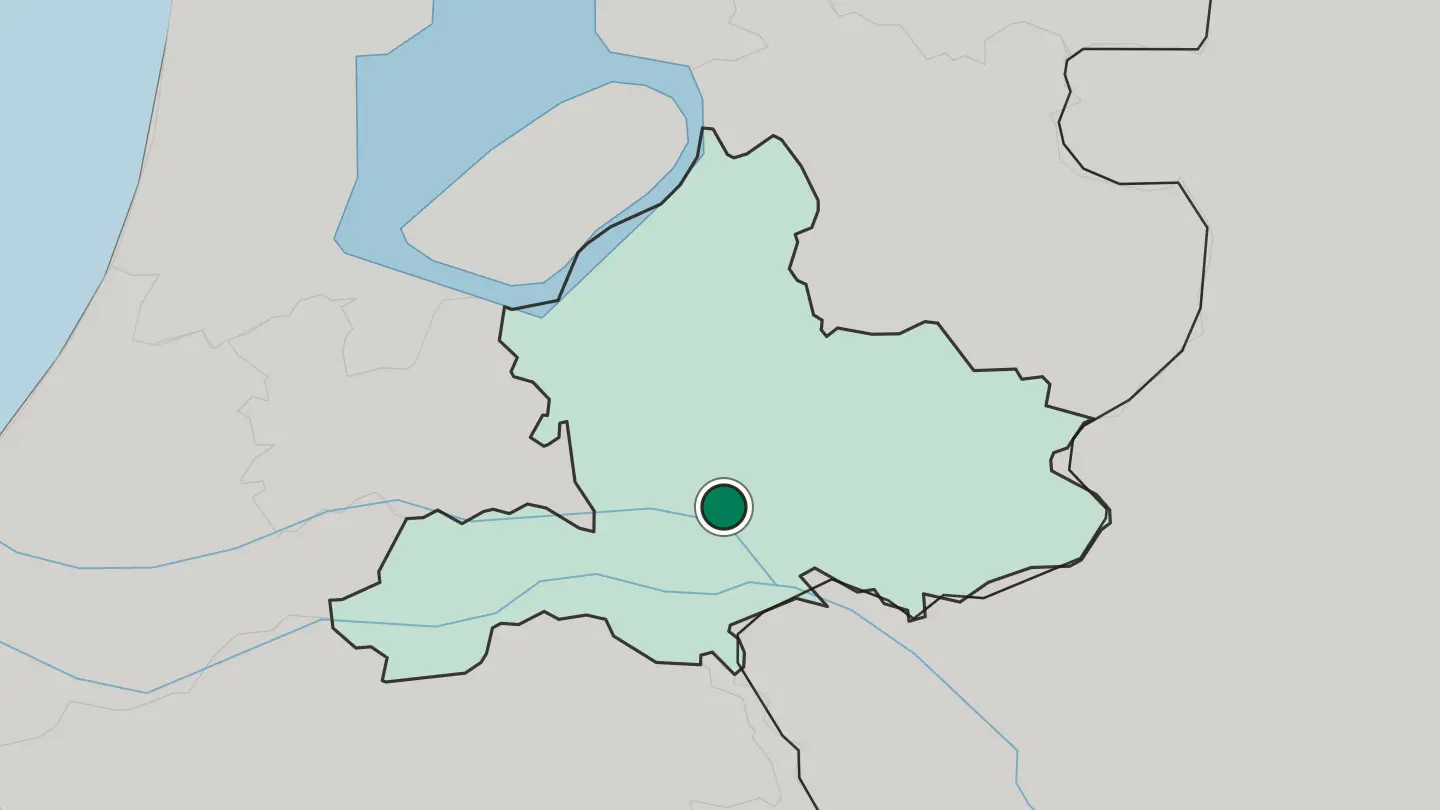
 Netherlands
Apeldoorn
Apeldoorn is a green city of Gelderland in the Netherlands, spread along the edge of the Veluwe forest beside a great royal palace.Where to stay →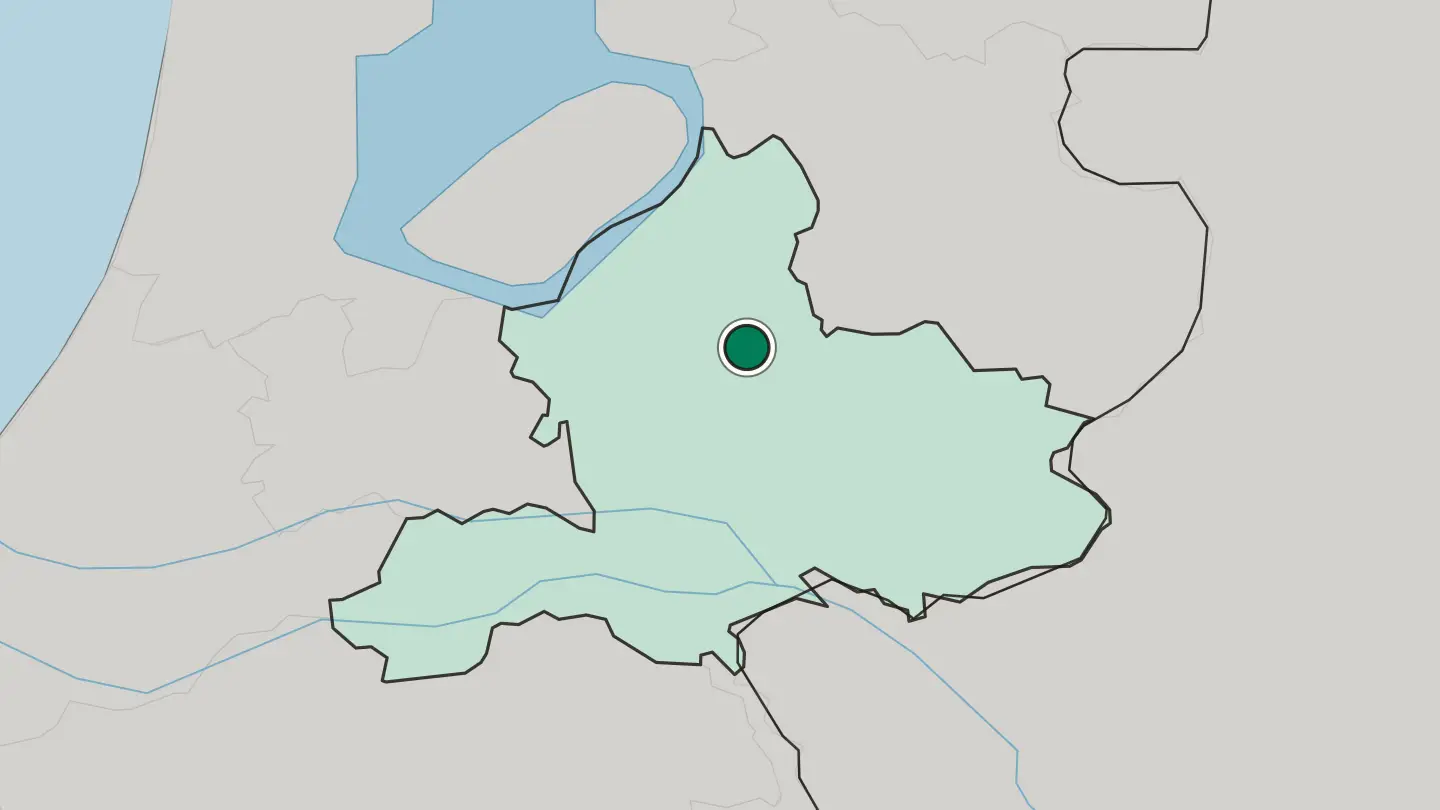
 Netherlands
Ede
Ede is a Gelderland town on the Veluwe, used above all as an entry point to Hoge Veluwe National Park and the forest and farmland around it.Where to stay →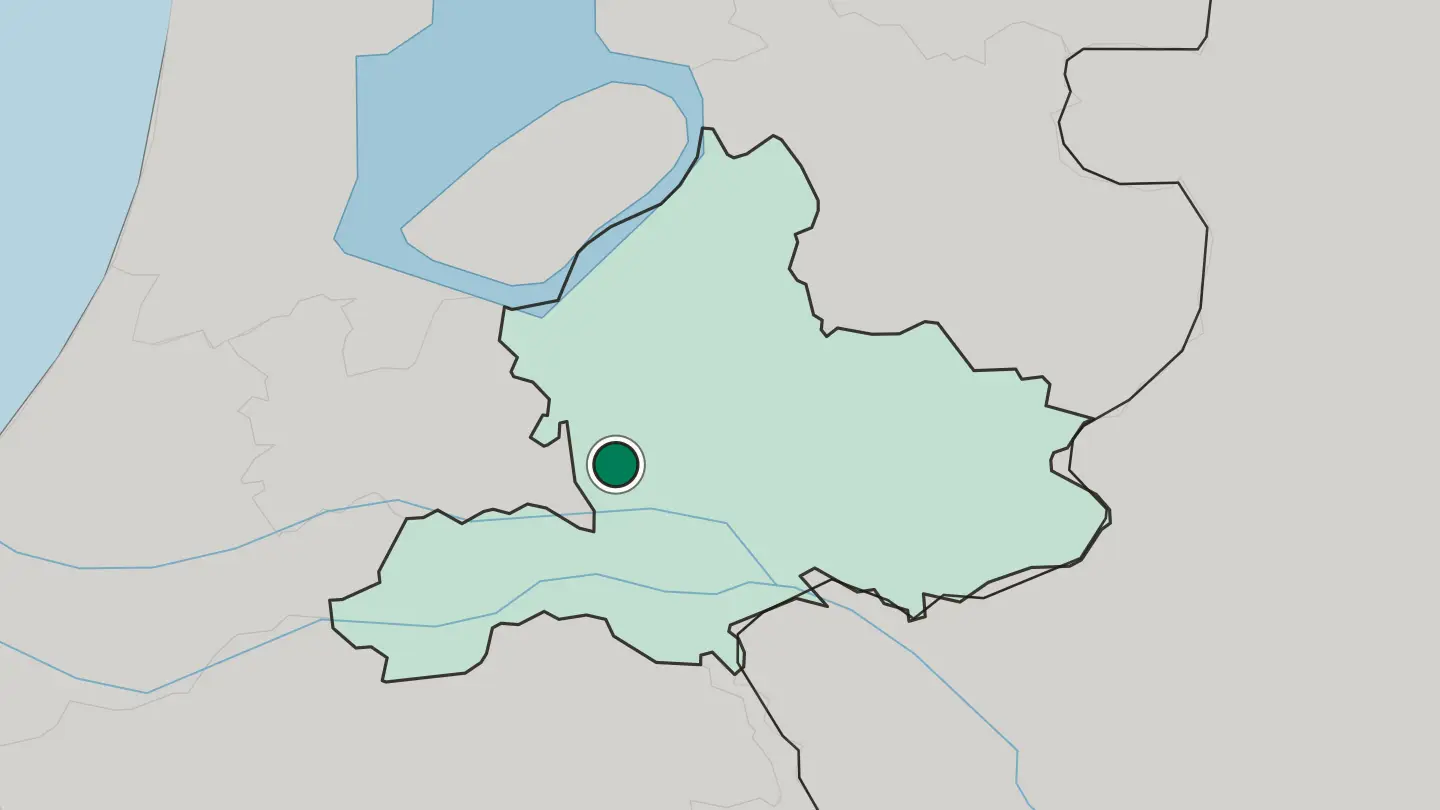
Hotel links are affiliate links: booking through them may earn us a commission, at no extra cost to you. It never affects how places are ranked. How this works
About Provincie Gelderland
Forest and rivers define Gelderland.
What is Provincie Gelderland known for?
The Veluwe fills its north, the widest stretch of woodland and drift sand in the Netherlands, and within it the Hoge Veluwe National Park keeps red deer, wild boar and moeflon among the heath. Its southern half is river country, where the Waal and the Lower Rhine cut the province into strips of orchard and floodplain. Arnhem is the capital, but Nijmegen and Apeldoorn are larger.
Deep in the Veluwe at Otterlo, the Kröller-Müller Museum holds the second-largest collection of Van Gogh anywhere.
Where is Provincie Gelderland?
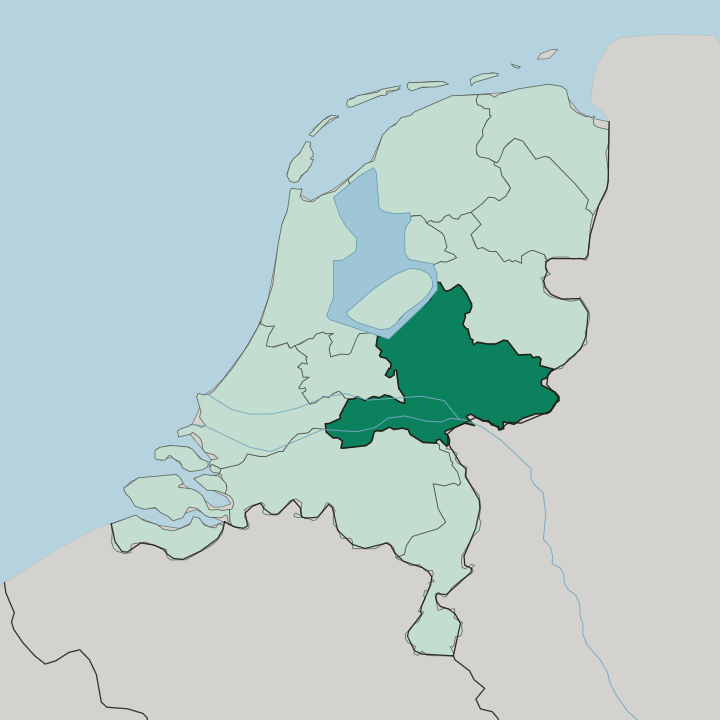
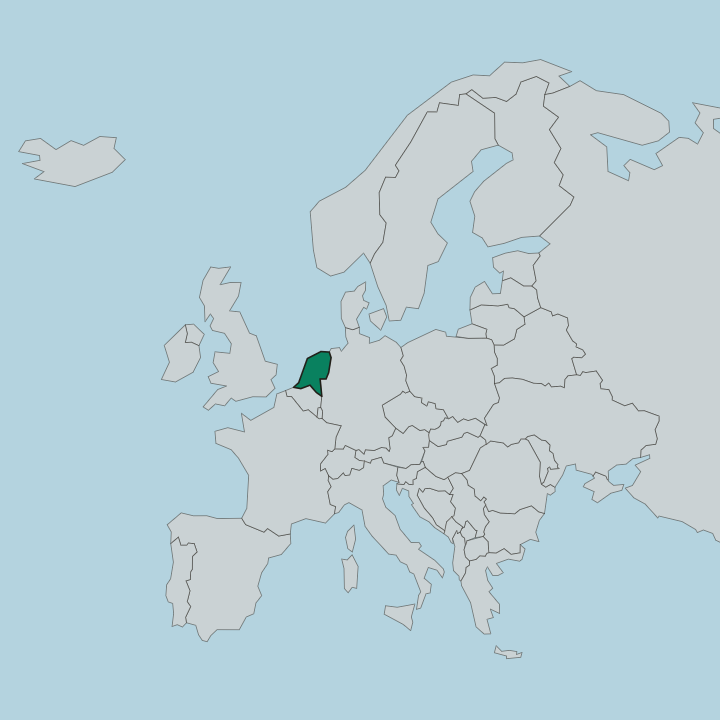
Gelderland lies in the east of the Netherlands, the country's largest province by area, reaching the German border along its eastern edge. Rivers cut it into pieces. The Lower Rhine and the Waal, the main branch of the Rhine, run west across the south of the province, while the IJssel breaks off and swings north toward the IJsselmeer.
Between and around these channels the land splits into four parts that Gelderlanders name plainly. The Veluwe covers the north, the largest tract of forest, heath and shifting sand in the country. Against Germany sits the quiet Achterhoek, the "back corner".
River land fills the southwest, the low Betuwe ribbon of orchard and pasture pinned between the Waal and the Maas. Arnhem and Nijmegen anchor the centre-south, the capital planted on the Lower Rhine and the older city raised on the hills above the Waal a short way south. Much of that river land is floodplain, held behind dykes and given over to the water when the rivers rise.
The province touches no sea. Its coast is the rivers, and the rivers set the whole shape of the place.
What is Provincie Gelderland like?
Culture in Gelderland pulls between forest and river, town and open country. The Veluwe is the emblem. Dutch families come to cycle its sand tracks and watch for deer at dusk, and the estate that became the Hoge Veluwe National Park still frames how the province sees its wild side.
Art sits in the middle of that forest. At Otterlo the Kröller-Müller Museum sets Van Gogh canvases and a sculpture park among the heath, one of the largest outdoor galleries in Europe. The cities carry their own weight.
Nijmegen wears its Roman age openly and fills each summer with the marching crowds of its walking festival, while Apeldoorn keeps the formal gardens of Het Loo, the palace of the House of Orange. Arnhem holds the Netherlands Open Air Museum, where old farmhouses and windmills from across the country stand rebuilt in the trees. Dutch is the everyday language, though the eastern dialects of the Achterhoek shade toward the speech across the German line.
Food leans on the land. The Betuwe orchards give cherries, apples and pears, and the roadside stalls of the river country sell them straight from the tree. It is a province proud of soil and water alike.
What is the history of Provincie Gelderland?
Gelderland takes its name from the medieval County of Gelre, raised to the Duchy of Guelders in 1339 and once a river power that controlled crossings on the Rhine, Waal and IJssel. Nijmegen is older still. Roman soldiers built a camp on its hills and chartered the town as Noviomagus, making it the oldest in the Netherlands.
September 1944 brought the darkest modern chapter, when Allied paratroopers dropped on Arnhem and Nijmegen in Operation Market Garden and the doomed fight for the Rhine bridge left much of Arnhem in ruins. The rivers that built the duchy became the front line.
What is the climate of Provincie Gelderland?
Gelderland has a mild, temperate climate, cooler and a shade more continental than the Dutch coast. Sitting inland, it misses the direct buffering of the North Sea, so its summers can run a touch warmer and its winter nights a touch colder than the west of the country. Rain falls through the year, and grey, damp spells are common.
The sandy Veluwe drains fast and dries quickly, while the river clay of the Betuwe stays soft and wet. Spring brings the orchard blossom.
How do you get to Provincie Gelderland?
Most travellers reach Gelderland by train through Amsterdam's Schiphol, then east by rail to Arnhem or Nijmegen in little over an hour. Trains are the backbone. Arnhem sits on the fast line toward Germany, and its station feeds the buses that climb into the Veluwe and the Hoge Veluwe National Park.
Motorways thread the province from every side, following the river valleys and crossing the Waal and the Rhine on their long bridges. Buses run out to Otterlo and the forest villages that the trains do not reach.
Common questions
What is the best area to stay in Provincie Gelderland?
Arnhem: Rhine-side capital and the Veluwe edge. Nijmegen: Roman roots above the Waal. Apeldoorn: Het Loo palace and forest walks. The Betuwe: river orchards south of the Waal.
More regions in Netherlands
Updated September 2026