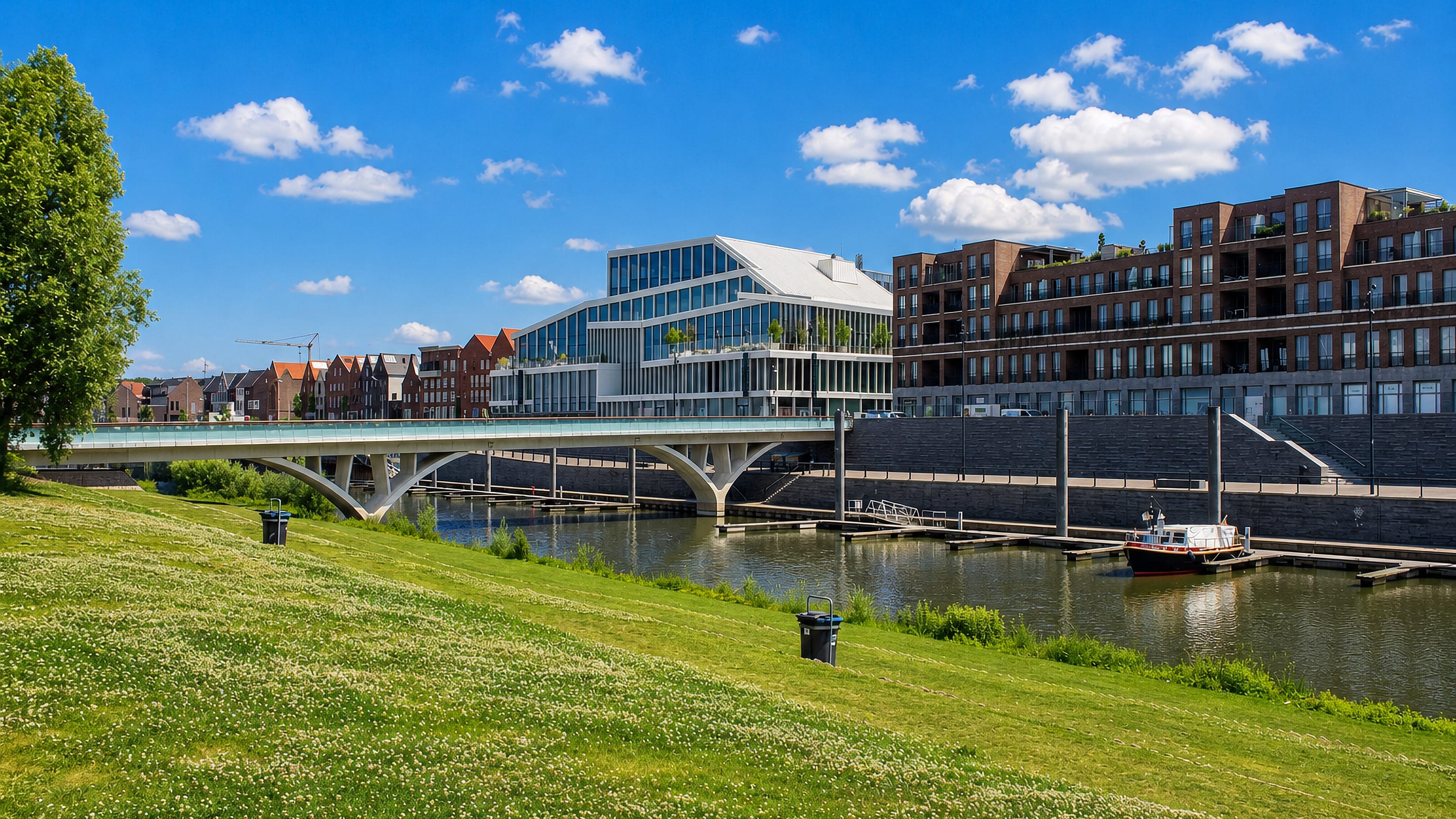
Netherlands · Provincie Limburg
Where to Stay in Venlo, Provincie Limburg
Venlo is a Limburg city on the German border, a trade and shopping centre whose monuments outlasted heavy wartime damage to the old streets.
Hotel links are affiliate links: booking through them may earn us a commission, at no extra cost to you. It never affects how places are ranked. How this works


Where to stay in Venlo
One neighbourhood here has its own guide — here's what it is best for.

 VenloNetherlandsGuests wanting quiet within reach of Klooster Op Stalberg
Stalberg
Klooster Op Stalberg and Stalberg House give this flank of Venlo its name and its calm. Beds are limited here, so book early.Stalberg →Hotel links are affiliate links: booking through them may earn us a commission, at no extra cost to you. It never affects how places are ranked. How this works
Find hotels in Venlo
Direct booking searches for these neighbourhoods.
The rebuilt centre
The new shopping boulevards, the Sint-Martinusbasiliek and the Limburg Museum share one central district.Find hotels in The rebuilt centreDrivers pairing Ulingsheide Abbey with the Genooi chapelThe Ulingsheide edge
Ulingsheide Abbey and the Kapel van Onze-Lieve-Vrouw van Genooi stand out past the built-up middle. Rooms are few around here — worth securing early.Find hotels in The Ulingsheide edgeHotel links are affiliate links: booking through them may earn us a commission, at no extra cost to you. It never affects how places are ranked. How this works
Things to do in Venlo
Ranked by global recognition; descriptions from Wikidata (CC0).
Museums & Galleries
3- Limburg Museum
- Museum van Bommel van Dam
- Jan Klaassens Museum
Churches & Religious Sites
8- Sint-Martinusbasiliek Heritage
- Kapel van Onze-Lieve-Vrouw van Genooi Heritage
- Ulingsheide Abbey Heritage
- Sint-Joriskerk Heritage
- Sint-Martinuskerk Heritage
Show 3 more →
- De Munt Heritage
- Heilig Hartkerk Heritage
- Heilige-Familiekerk Heritage
Castles & Historic Sites
1- Stalberg House Heritage
Parks & Gardens
1- Speelpark Klein Zwitserland
Landmarks & Notable Places
3- Romerhuis Heritage
- Huize Schreurs Heritage
- Huize Ottenheym Heritage
worth knowingacross 5 categories in Venlo
About Venlo
Shopping brings the region in.
What is Venlo known for?
Venlo serves a wide catchment on both sides of the German border, the Ruhr area included, and the boulevards laid out in the rebuilt centre were made for exactly that traffic. Industry and trade underwrite it. The Sint-Martinusbasiliek is the landmark that survived, the Limburg Museum and the Museum van Bommel van Dam supply the collections, and the national Floriade flower show of 2012 was the occasion for much of the rebuilding.
What are the main landmarks in Venlo?
The Sint-Martinusbasiliek leads the list. Behind it stand the Limburg Museum and the Museum van Bommel van Dam, then a long run of religious buildings that includes the Sint-Joriskerk, the Sint-Nicolaaskerk, the Sint-Jacobskapel, the Church of Our Lady of Immaculate Conception and Ulingsheide Abbey. Houses hold their own place.
Romerhuis, Huize Ottenheym, Huize Schreurs, Manresa House and De Munt carry the domestic side of the register, while Speelpark Klein Zwitserland and the Ithaka Science Center are the entries built for visitors rather than inherited from the past.
What is the history of Venlo?
The border explains a great deal. Venlo grew where the Netherlands meets Germany, which made it a place of trade long before it was a place of shopping boulevards, and the wealth of that traffic paid for the Sint-Martinusbasiliek and for the merchant houses that still carry family names on the register. Romerhuis is one.
Huize Ottenheym, Huize Schreurs and De Munt are others, each of them a piece of the town that the twentieth century did not manage to erase. Religious houses were the other great builder. Sint-Antoniusklooster, the Klooster Onze Lieve Vrouwe van Loreto, the Voormalig Klooster Trans Cedron, Klooster Op Stalberg and Manresa House trace an order-by-order settlement of the town and its edges, and Ulingsheide Abbey and the Kapel van Onze-Lieve-Vrouw van Genooi did the same work in the country beyond.
Then the war arrived. The town centre took heavy damage during the Second World War, and much of what a visitor walks through was decided afterwards, in a rebuilding that the city later pushed much further with new shopping boulevards and reworked infrastructure. The national Floriade flower show of 2012 was hosted here, and it supplied both the deadline and the argument for finishing that work.
Monumental buildings nevertheless remain in quantity, which is the surprise of the place.
Where is Venlo?
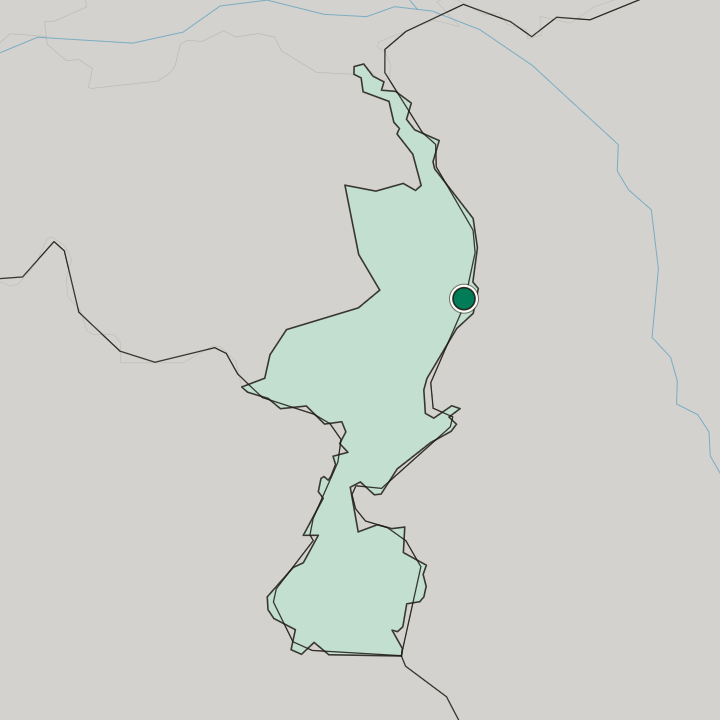
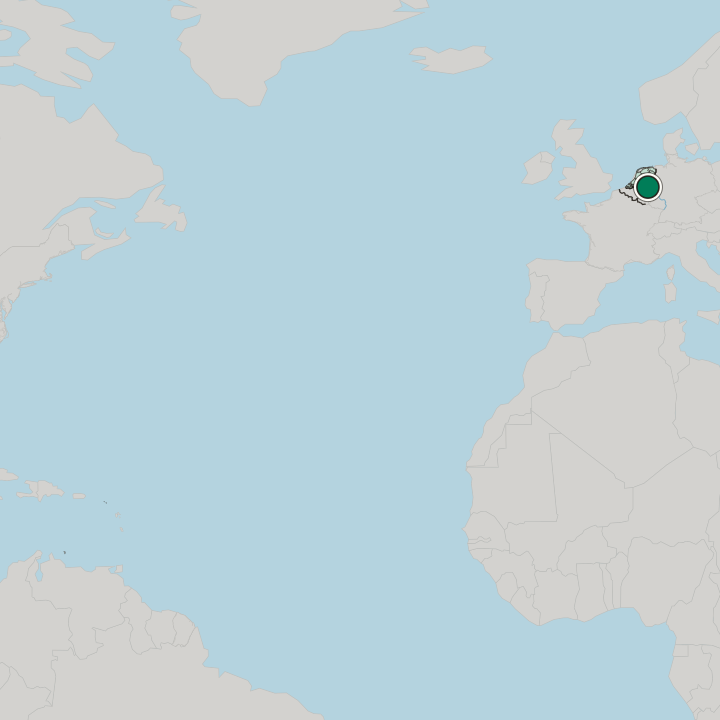
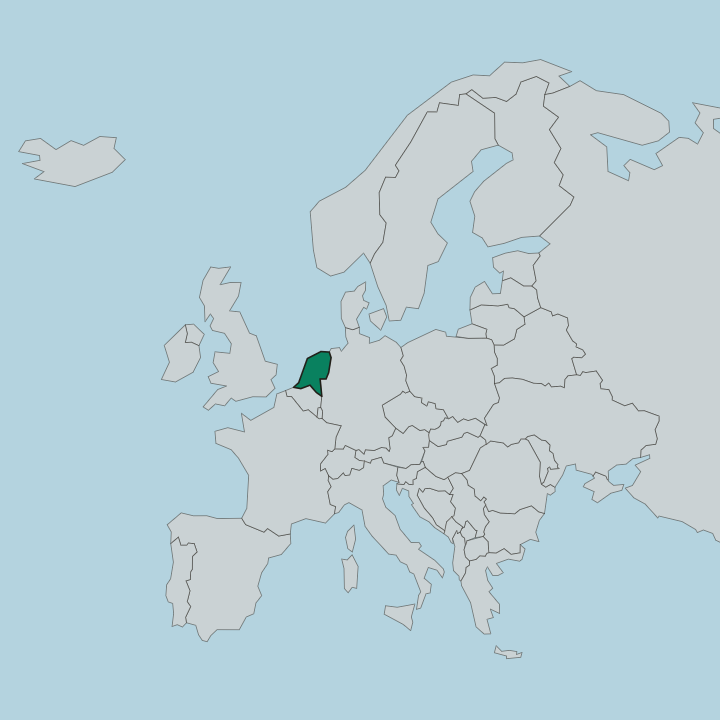
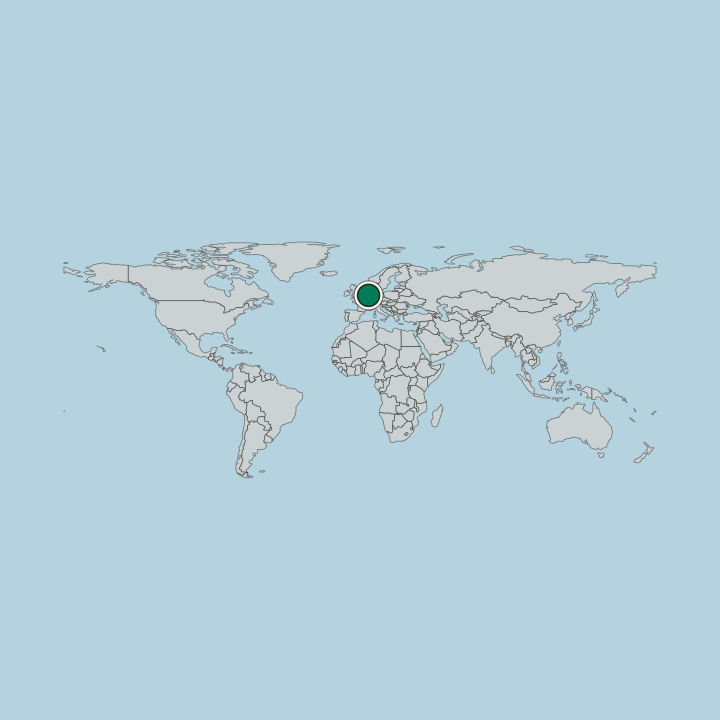
Venlo stands in the southeastern Netherlands, in Limburg, right on the German border, close enough that the neighbouring Ruhr area counts the city among its own shopping destinations. The frontier is the fact. Beyond the built-up middle the municipality keeps a country edge, with Ulingsheide Abbey and the Kapel van Onze-Lieve-Vrouw van Genooi out among fields, and the Stalberg side rising away from the busier streets.
What is the climate of Venlo?
Nothing about it is dramatic. Venlo takes the temperate weather that the border country shares with Limburg and with Germany just across it, which means damp cool months, moderate warm ones and rain in every part of the calendar. Rainwear is not optional in Venlo.
The city lies far from open water, so the swing between the seasons is gentler than the swing within a single week, and a visitor is more likely to be caught out by an afternoon than by a month.
How do you get to Venlo?
Traffic reaches Venlo from both sides of the German border, and a good share of it is regional rather than long-distance, since the city functions as the shopping and service centre for a wide catchment that takes in the Ruhr area. Approaches are short. Once inside, the rebuilt centre puts the Sint-Martinusbasiliek, the Limburg Museum and the boulevards within one walk.
Speelpark Klein Zwitserland, Ulingsheide Abbey and the Stalberg side sit outside that circuit and are better reached on wheels.
Common questions
What is the best area to stay in Venlo?
The rebuilt centre: Shoppers who also want the Limburg Museum and the Sint-Martinusbasiliek. Stalberg: Guests wanting quiet within reach of Klooster Op Stalberg. The Ulingsheide edge: Drivers pairing Ulingsheide Abbey with the Genooi chapel.
Good for
More cities in Provincie Limburg
Updated October 2026