Netherlands · Provincie Limburg
Where to Stay in Maastricht, Provincie Limburg
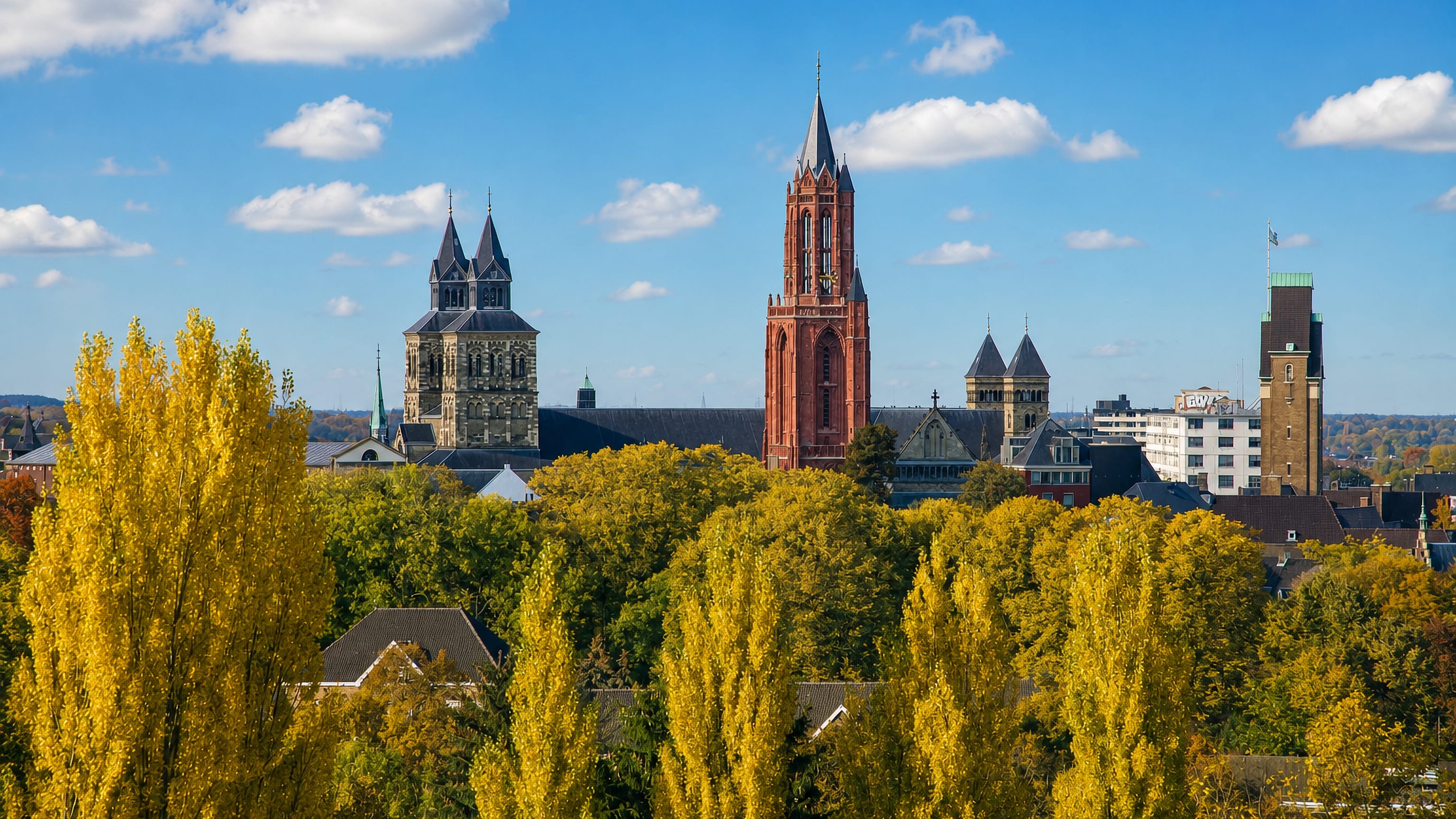
Maastricht stands on the Meuse in Limburg, a walled city of the Netherlands set around the Basilica of Saint Servatius and the Sint Servaasbrug.
Hotel links are affiliate links: booking through them may earn us a commission, at no extra cost to you. It never affects how places are ranked. How this works


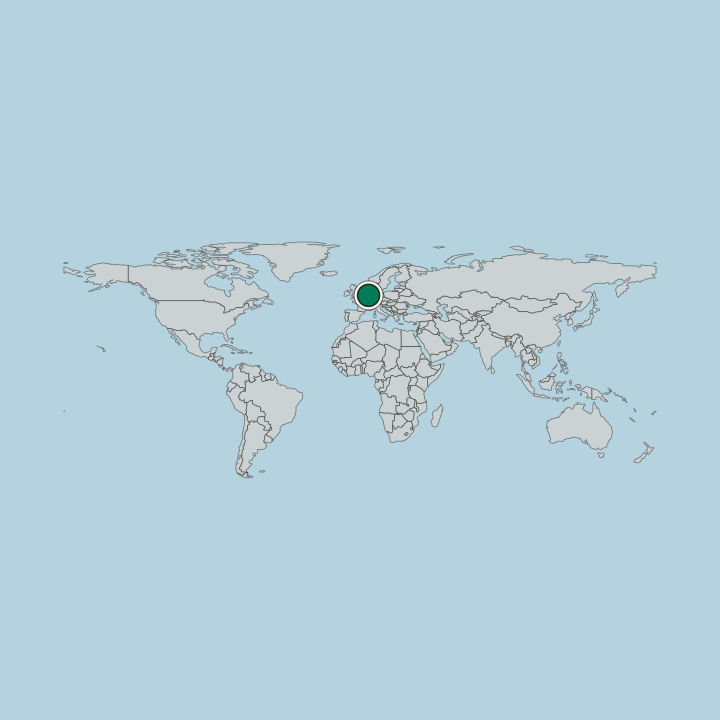
Where to stay in Maastricht
Each area has its own feel; here's who each one suits.

 MaastrichtNetherlands
Malberg
Churches do the naming in Malberg, a quarter of Maastricht listing the Vier Evangelistenkerk, the Heilig Hart van Jezuskerk and Surp Karapetkerk.Where to stay → MaastrichtNetherlands
Scharn
Scharn, a neighbourhood of Maastricht, gathers the Koepelkerk, the Onze-Lieve-Vrouw-van-Lourdeskerk and the walled ground of Klooster Opveld.Where to stay → MaastrichtNetherlands
Wolder
Wolder is a Maastricht neighbourhood on the Tongerseweg, holding the Roman villa Maastricht-Louwberg and three churches within its streets.Where to stay → MaastrichtNetherlands
Heer
Heer holds the right bank of the Meuse inside Maastricht, keeping Huis Eyll, Klooster Opveld and Sint-Petrus' Bandenkerk in its streets.Where to stay → MaastrichtNetherlands
Sint Pieter
Sint Pieter climbs the western bank of the Meuse in the south of Maastricht, an affluent Limburg neighbourhood below Castle Lichtenberg.Where to stay → MaastrichtNetherlands
De Heeg
Sint-Michaëlskerk, Sint-Martinuskerk and De Zwaluw give De Heeg its named points inside Maastricht, with Klooster Opveld on the same register.Where to stay →Hotel links are affiliate links: booking through them may earn us a commission, at no extra cost to you. It never affects how places are ranked. How this works
Find hotels in Maastricht
Direct booking searches for these neighbourhoods.
Binnenstad
Beds around the Vrijthof and the Basilica of Saint Servatius put the Helpoort and the ramparts within a walk on the west bank of the Meuse.Find hotels in Binnenstadthe station and a quieter riversideWyck
Across the Sint Servaasbrug on the east bank, streets run from the Maastricht railway station past the Bonnefanten Museum down to the water.Find hotels in WyckHotel links are affiliate links: booking through them may earn us a commission, at no extra cost to you. It never affects how places are ranked. How this works
Things to do in Maastricht
Ranked by global recognition; descriptions from Wikidata (CC0).
Museums & Galleries
3- Maastricht Natural History Museum Heritage
- Bonnefanten Museum
- Treasury of the Basilica of Saint Servatius
Churches & Religious Sites
8- Basilica of Saint Servatius Heritage
- Basilica of Our Lady Heritage
- Sint-Janskerk Heritage
- Dominican Church Heritage
- Sint-Pieter boven Heritage
Show 3 more →
- Sint-Lambertuskerk Heritage
- Koepelkerk Heritage
- Sint-Matthiaskerk Heritage
Castles & Historic Sites
6- Château Neercanne Heritage
- Huis de Torentjes Heritage
- Vaeshartelt Castle Heritage
- Borgharen Castle Heritage
- Castle Lichtenberg Heritage
Show 1 more →
- Bethlehem Castle Heritage
Landmarks & Notable Places
8- Spaans Gouvernement Heritage
- Huis Soiron Heritage
- Huis Eyll Heritage
- 't Sonnehuijs Heritage
- Tongerseweg 231, Maastricht Heritage
Show 3 more →
- Tongerseweg 241, Maastricht Heritage
- De Zwaluw Heritage
- Tongerseweg 252, Maastricht Heritage
worth knowingacross 4 categories in Maastricht
About Maastricht
What is Maastricht known for?
Maastricht is known as the old fortress city of Limburg, standing on the Meuse in the Netherlands. Stone and faith mark it. The Basilica of Saint Servatius and the Basilica of Our Lady rise over the old town, the Sint Servaasbrug carries the streets across the Meuse, and the Helpoort still guards the medieval wall, while the Bonnefanten Museum holds the city's art.
The Vrijthof squares its heart.
What are the main landmarks in Maastricht?
Maastricht gathers its landmarks around the Vrijthof and the banks of the Meuse. The churches are the great sight. The Basilica of Saint Servatius and the Basilica of Our Lady rise over the old town, the Sint Servaasbrug spans the river, and the Helpoort holds the medieval gate, while the Dominican Church and the Bonnefanten Museum stand nearby in Maastricht.
What is the history of Maastricht?
Maastricht grew from a river crossing on the Meuse into one of the oldest cities of the Netherlands. The ford made the town. A crossing point on the Meuse drew settlement early, a Roman bridge carried the road over the water where the Sint Servaasbrug later stood, and the town spread on the west bank around the shrine that became the Basilica of Saint Servatius.
Faith anchored it. As a church seat it grew rich in stone, its basilicas and the Basilica of Our Lady rising over the streets of the old town. War shaped its walls.
On the frontier of Limburg the town was fortified again and again, ringed by ramparts whose Helpoort still guards the medieval line, and held and besieged across the long struggles that crossed this corner of the Netherlands. The wall held the city in. Behind it Maastricht kept its churches, squares, and narrow lanes while newer quarters spread beyond the ramparts and across the Meuse into Wyck.
So the old crossing became a fortress city of basilicas and gates on the river in the south of the Netherlands.
Where is Maastricht?
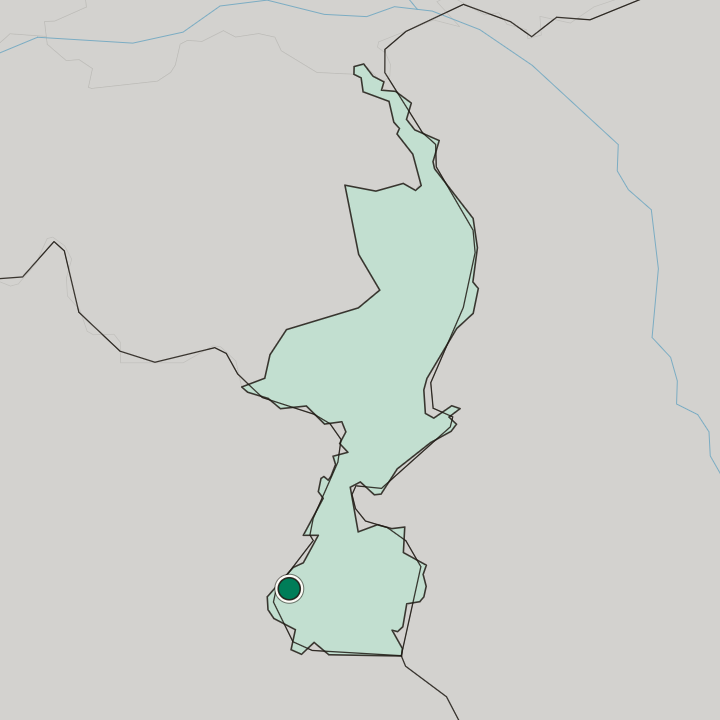
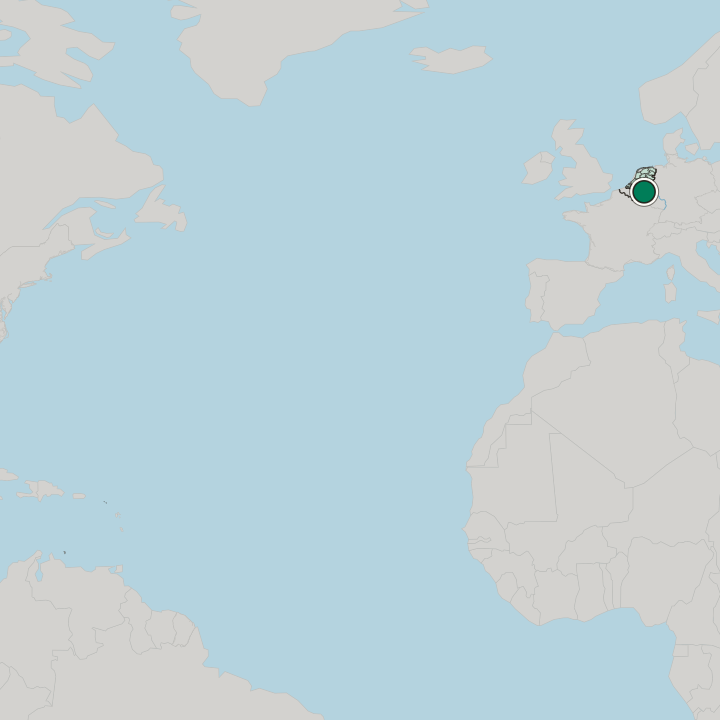
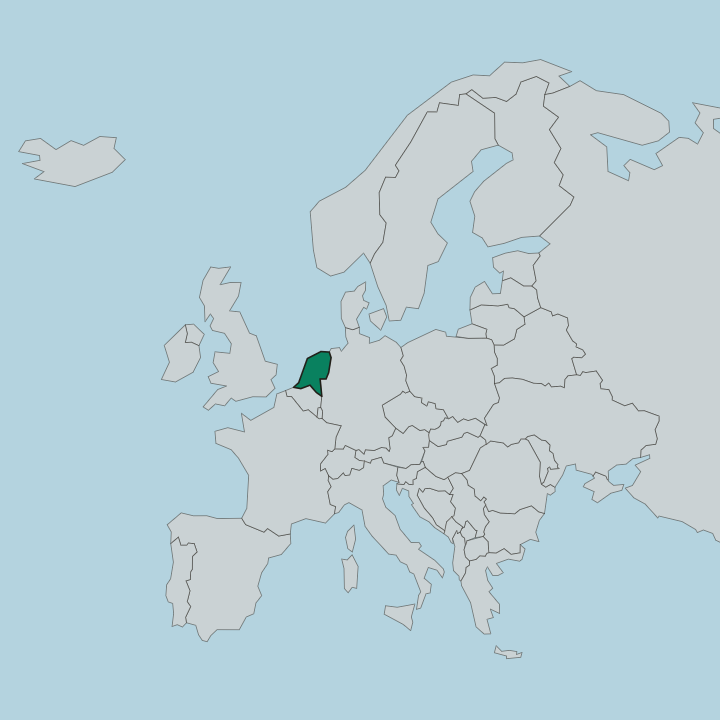
Maastricht sits on the Meuse in Limburg, in the south of the Netherlands. The Meuse divides Maastricht into two banks. Its old town holds the west bank behind the medieval wall around the Vrijthof, while Wyck faces it across the Sint Servaasbrug on the east bank, the Meuse running between them through the low hills of Limburg toward the wider Netherlands.
What is the climate of Maastricht?
Maastricht has a mild temperate climate, shaped by its inland setting on the Meuse. The seasons run gentle. Cool wet winters and warm summers cross the river city, milder and a touch warmer than the coast, the weather settling over the Meuse and the low hills of Limburg in the south of the Netherlands.
How do you get to Maastricht?
Maastricht is reached by rail and road from across the Netherlands. The trains run from Wyck. Intercity lines call at the Maastricht railway station on the east bank, tying the city up the Meuse valley through Limburg, while roads cross the Sint Servaasbrug into the old town and long routes run north across the Netherlands.
Common questions
What is the best area to stay in Maastricht?
Binnenstad: the churches, squares, and the medieval wall. Wyck: the station and a quieter riverside.
Good for
More cities in Provincie Limburg
Updated October 2026