Norway · Akershus fylke
Where to Stay in Asker, Akershus fylke
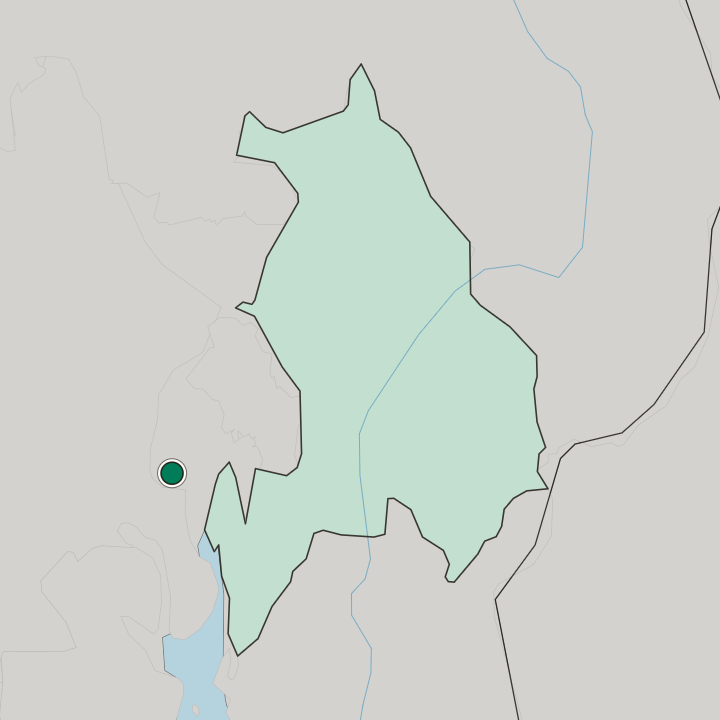
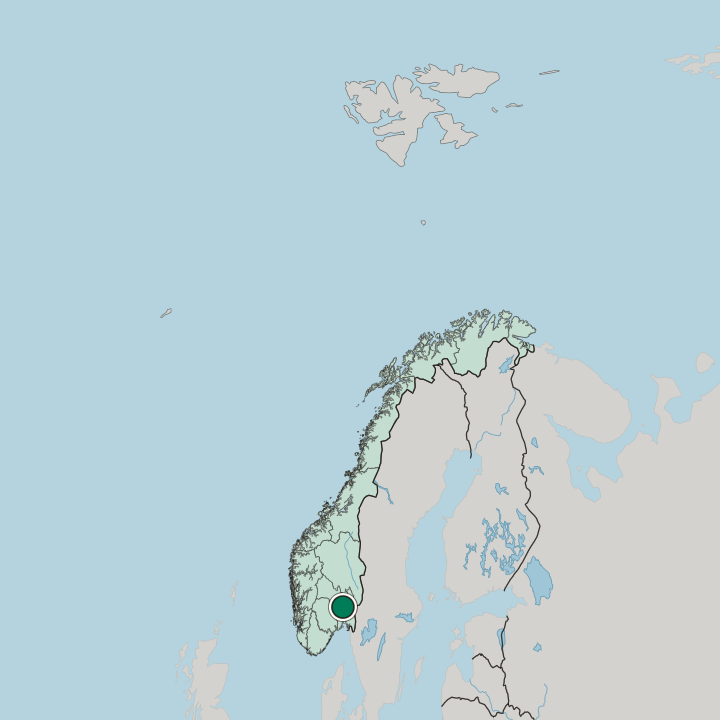
Asker is a town in the south-western part of Akershus, a municipality in south-eastern Norway gathered around Asker kirke.
Hotel links are affiliate links: booking through them may earn us a commission, at no extra cost to you. It never affects how places are ranked. How this works


Where to stay in Asker
How the choice of base plays out on the ground.
Settle in around Asker sentrum. The town core sits around Asker kirke, where the station, the hotels, restaurants, and shops cluster within an easy walk, and a room here gives you quick rail links to the rest of Akershus and the capital. It is the most practical choice for a first visit.
Further out, the district of Holmen offers a calmer, leafier stay, near Holmen svømmehall and the Holmen Turnhall. Visitors drawn to winter sport may prefer the slopes below the Vardåsen skisenter, where Vardåsen kirke marks a residential quarter on higher ground. Sports travellers heading for Føyka stadion or Risenga idrettspark will find both close to the centre, so a central room covers most events.
For culture, staying near Asker Museum keeps the older town within reach. The choice comes down to whether you want the station or the slopes.
Find hotels in Asker
Direct booking searches for these neighbourhoods.
Asker centre
The walkable core around Asker kirke, with the station, shops, and main hotels gathered together.Find hotels in Asker centreA leafy stay near the pools and gym hallsHolmen
A calmer residential district by Holmen svømmehall and Holmen Turnhall, away from the station bustle.Find hotels in HolmenSkiers wanting the slopes on the doorstepVardåsen
Higher ground below the Vardåsen skisenter, marked by Vardåsen kirke and handy for winter sport.Find hotels in VardåsenHotel links are affiliate links: booking through them may earn us a commission, at no extra cost to you. It never affects how places are ranked. How this works
Things to do in Asker
Ranked by global recognition; descriptions from Wikidata (CC0).
Museums & Galleries
3- Holmsbu billedgalleri Heritage
- Asker Museum Heritage
- Cementmuseet
Churches & Religious Sites
8- Asker Church Heritage
- Hurum Church Heritage
- Røyken Church Heritage
- Kongsdelene Church Heritage
- Holmen Church Heritage
Show 3 more →
- Holmsbu Church Heritage
- Østenstad Church Heritage
- Heggedal Church Heritage
Castles & Historic Sites
5- Dikemark Heritage
- Asker batteri Heritage
- Hvalstrand bad Heritage
- Esviken Heritage
- Asker prestegård Heritage
Stadiums & Sports
2- Føyka Stadion
- Vardåsen skisenter
worth knowingacross 4 categories in Asker
About Asker
Sport runs deep here.
What is Asker known for?
Asker fields a long list of arenas, from Føyka stadion and Risenga idrettspark to Holmen svømmehall and the Vardåsen skisenter on the slopes above. Culture answers in kind, with Asker Museum and Valstads samlinger keeping the town's older crafts and stories. Asker kirke, heritage-listed and central, anchors a place that takes both play and history seriously in the south-western part of Akershus.
What are the main landmarks in Asker?
Churches and arenas share the map. Asker kirke and Østenstad kirke both carry heritage protection, while Vardåsen kirke stands on higher ground near the ski slopes. The coastal site of Esviken, also heritage-listed, and the buildings of Asker Museum and Valstads samlinger hold the town's older life.
For sport there is plenty: Føyka stadion, Risenga idrettspark, Holmen svømmehall, the Asker tennishall, and the Vardåsen skisenter all draw players and spectators across the year.
What is the history of Asker?
The parish predates the town. Asker kirke, the heritage-listed parish church, marks the old core that grew up in the south-western part of Akershus, and its long presence records a settlement rooted in farming and the parish before the railway arrived. The coastal site of Esviken, equally protected, speaks to an older life along the shore, when manor and farm shaped the district more than any town plan.
Then the line reached Asker. Commuters followed, and with them the steady growth that filled the slopes with housing and the centre with shops, until the old parish became a town of its own. Østenstad kirke and Vardåsen kirke went up to serve new quarters as the population spread outward. Asker Museum and Valstads samlinger now preserve the crafts and stories of that earlier countryside, a memory of the farms and workshops the modern town replaced.
The result is a place that wears both its rural past and its commuter present, set firmly within Akershus.
Where is Asker?
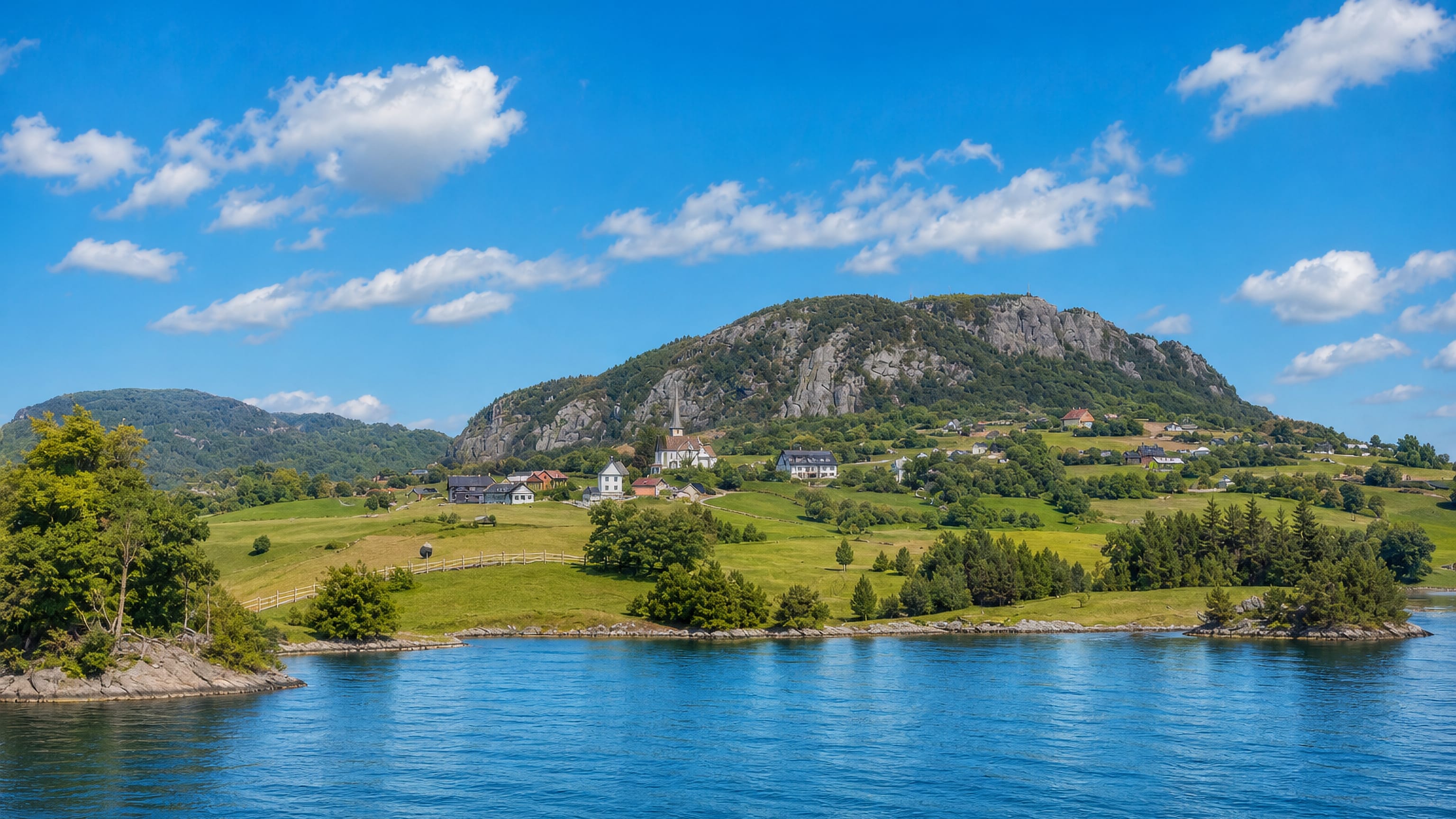
Hills meet the shore. Asker occupies the south-western part of Akershus, where wooded ridges rise behind a settled lowland and the land drops away toward the water at sites like Esviken. The slopes above town carry the Vardåsen skisenter, while the centre sits on the flatter ground around Asker kirke.
This is south-eastern Norway in miniature, ridge and shore folded into a single municipality.
What is the climate of Asker?
Four clear seasons. The lowland part of Asker, sheltered within Akershus, draws some mildness from the nearby water, yet winters still bring cold and snow enough to run the Vardåsen skisenter on the heights. Summers are warm and green across the wooded ridges.
The change from one season to the next comes quickly here, a rhythm that this corner of south-eastern Norway shares with the inland towns around it.
How do you get to Asker?
The train is easiest. Asker sits on a busy commuter line in the south-western part of Akershus, with frequent services to the capital and onward across south-eastern Norway, and the station stands right in the centre beside Asker kirke. From there it is a short walk to the hotels, the shops, and arenas such as Føyka stadion.
Buses and roads link the outlying districts of Holmen and the Vardåsen slopes for local journeys.
Common questions
What is the best area to stay in Asker?
Asker centre: First-time visitors using the railway. Holmen: A leafy stay near the pools and gym halls. Vardåsen: Skiers wanting the slopes on the doorstep.
Good for
More cities in Akershus fylke
Updated October 2026