Norway · Akershus fylke
Where to Stay in Nesoddtangen, Akershus fylke
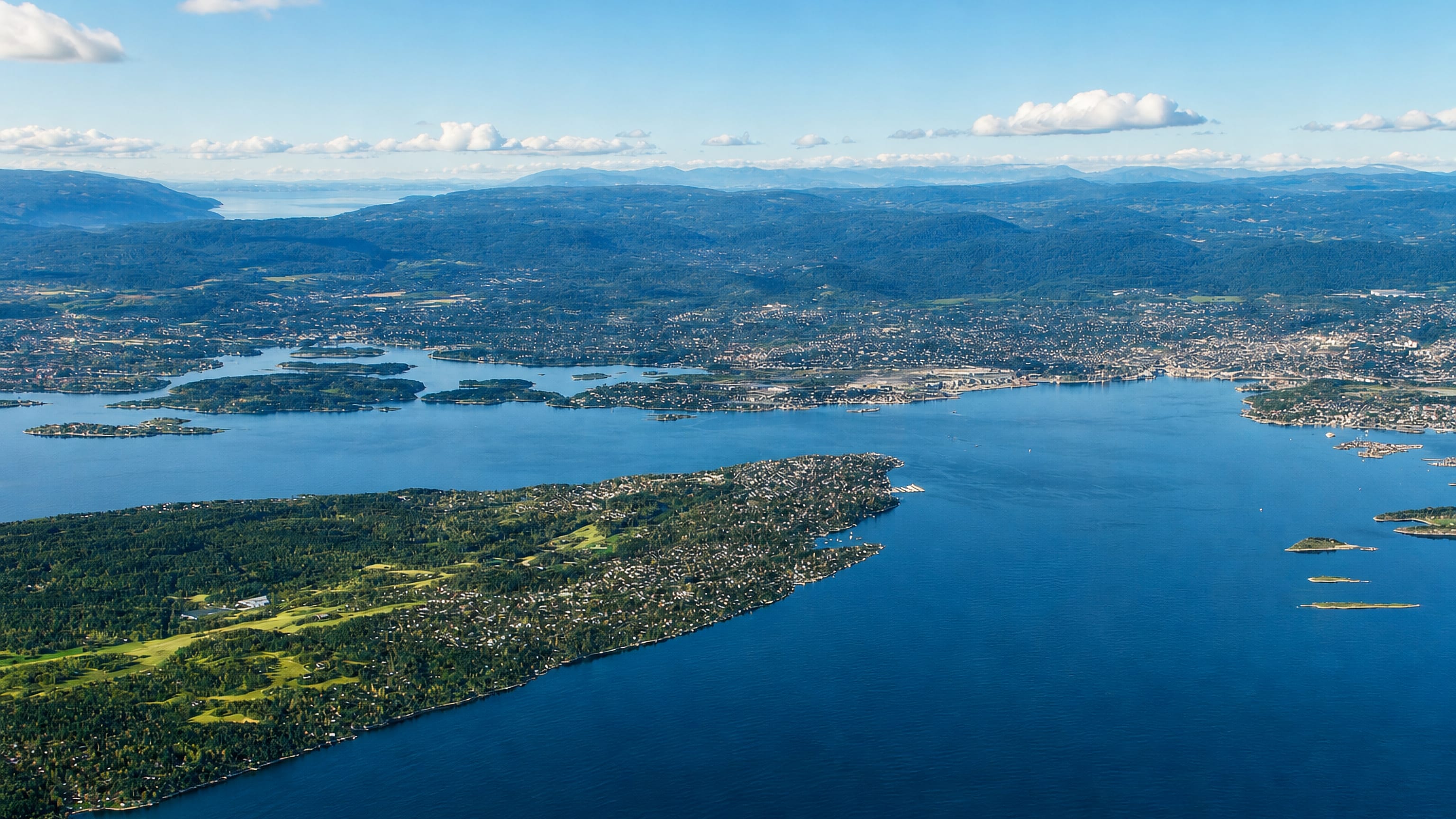
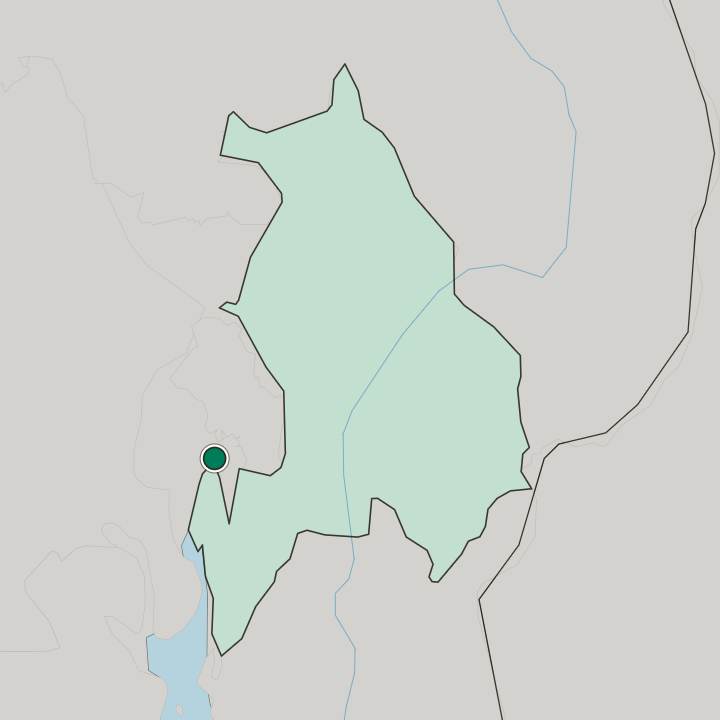
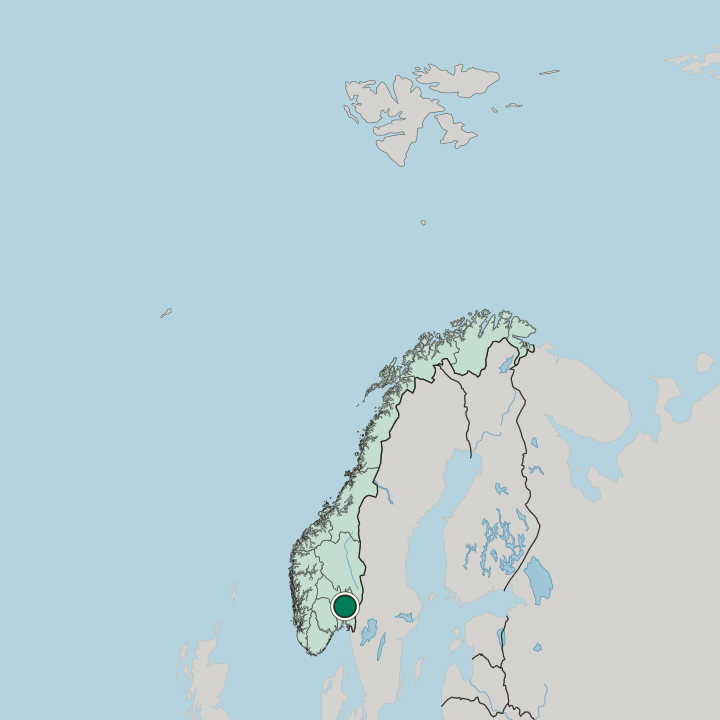
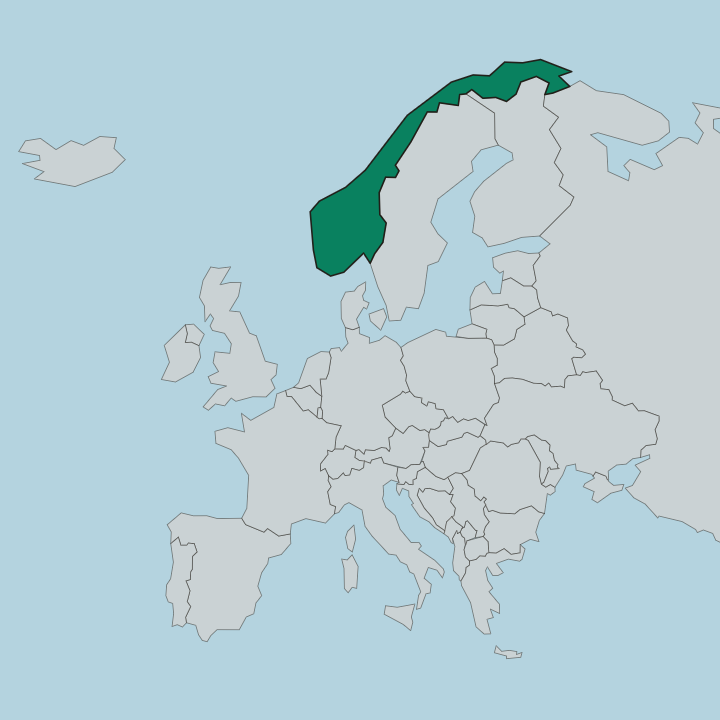
Nesoddtangen is the centre of Nesodden, a peninsula municipality in the south-western part of Akershus, south-eastern Norway.
Hotel links are affiliate links: booking through them may earn us a commission, at no extra cost to you. It never affects how places are ranked. How this works


Where to stay in Nesoddtangen
How the choice of base plays out on the ground.
Stay near the quay. Nesoddtangen wraps around the ferry landing at the tip of the Nesodden peninsula, and a room close to the water keeps the boats, the shops, and the short crossing to the capital within reach. This is the practical heart of the settlement.
Visitors who prefer quiet can move back from the point into the wooded interior of Nesodden, where the heritage-listed Skoklefall kirke marks a settled corner of the peninsula. The older parish around Nesodden kirke offers another calm base, away from the comings and goings of the quay. Beds are scarce out here, so most travellers settle near the landing and treat the rest of the south-western part of Akershus as a day trip.
For a first visit, the ferry side is the sensible choice.
Find hotels in Nesoddtangen
Direct booking searches for these neighbourhoods.
The ferry side
The quay end of the Nesodden peninsula, with the boats, shops, and short water crossing close at hand. Few places to stay nearby — book ahead.Find hotels in The ferry sideA quiet stay back from the landingThe wooded interior
The forested middle of Nesodden around Skoklefall kirke and the older parish at Nesodden kirke. Beds are limited here, so book early.Find hotels in The wooded interiorHotel links are affiliate links: booking through them may earn us a commission, at no extra cost to you. It never affects how places are ranked. How this works
Things to do in Nesoddtangen
Ranked by global recognition; descriptions from Wikidata (CC0).
Museums & Galleries
2- Popsenteret
- Climate house, Oslo The climate house with exhibitions on climate and climate change
Churches & Religious Sites
3- Nesodden Church Heritage church in Nesodden, Akershus
- Skoklefall Church Heritage church in Nesodden i Akershus
- Nonneseter Abbey benedictine nunnery located in Oslo
Stadiums & Sports
1- Klemetsrudhallen
worth knowingacross 3 categories in Nesoddtangen
About Nesoddtangen
A ferry runs its life.
What is Nesoddtangen known for?
Nesoddtangen sits at the tip of the Nesodden peninsula in the south-western part of Akershus, the point where boats cross to the capital and back. The heritage-listed Nesodden kirke marks the old parish that gave the peninsula its name. With water on most sides, the settlement keeps the easy, commuting rhythm of a place that looks across the water rather than inland.
What are the main landmarks in Nesoddtangen?
Two churches anchor the peninsula. The heritage-listed Nesodden kirke marks the old parish that named the whole of Nesodden, while Skoklefall kirke stands further along the wooded spine of the peninsula. Both carry national protection.
Beyond them, the draw of Nesoddtangen is the water itself and the ferry that ties this corner of Akershus to the capital across the crossing.
What is the history of Nesoddtangen?
The parish came before the crossing. Long before the ferry made it a commuter point, Nesodden was a rural peninsula of farms and forest in the south-western part of Akershus, and the heritage-listed Nesodden kirke records that older parish life rooted in the land and the shore. Skoklefall kirke marks a second settled corner of the same peninsula, both churches now under national protection.
The water then changed the role of the place. Nesoddtangen, at the tip of the peninsula, became the natural landing for boats crossing to the capital, and the settlement grew up around that crossing as people chose to live across the water and travel in. The interior stayed wooded and quiet while the point drew the houses and the quay.
What grew is a commuter peninsula that still keeps its parish churches and its rural back country within the bounds of Akershus.
Where is Nesoddtangen?
A finger of land in the water. Nesoddtangen lies at the tip of the Nesodden peninsula, a long wooded ridge of land reaching out into the water in the south-western part of Akershus. The point is nearly surrounded by sea, with the interior rising into forest behind the shore.
This stretch of south-eastern Norway is all promontory and channel, the peninsula narrowing to the landing at Nesoddtangen.
What is the climate of Nesoddtangen?
Softened by water. Nearly surrounded by sea, Nesoddtangen sees milder winters than the inland towns of Akershus, with cool rather than harsh cold and warm, settled summers along the shore of the Nesodden peninsula. Frost is light at the point.
The water moderates both ends of the year, so this corner of south-eastern Norway feels gentler than the farming plains further inland.
How do you get to Nesoddtangen?
Take the boat. Nesoddtangen is reached most easily by ferry from the capital, the crossing that defines life at the tip of the Nesodden peninsula in the south-western part of Akershus. Roads run down the wooded spine of the peninsula for those arriving by car or bus.
From the landing it is a short step to the shops and the parish around Nesodden kirke.
Common questions
What is the best area to stay in Nesoddtangen?
The ferry side: Commuters using the crossing to the capital. The wooded interior: A quiet stay back from the landing.
Good for
More cities in Akershus fylke
Updated October 2026