Norway · Akershus fylke
Where to Stay in Drøbak, Akershus fylke
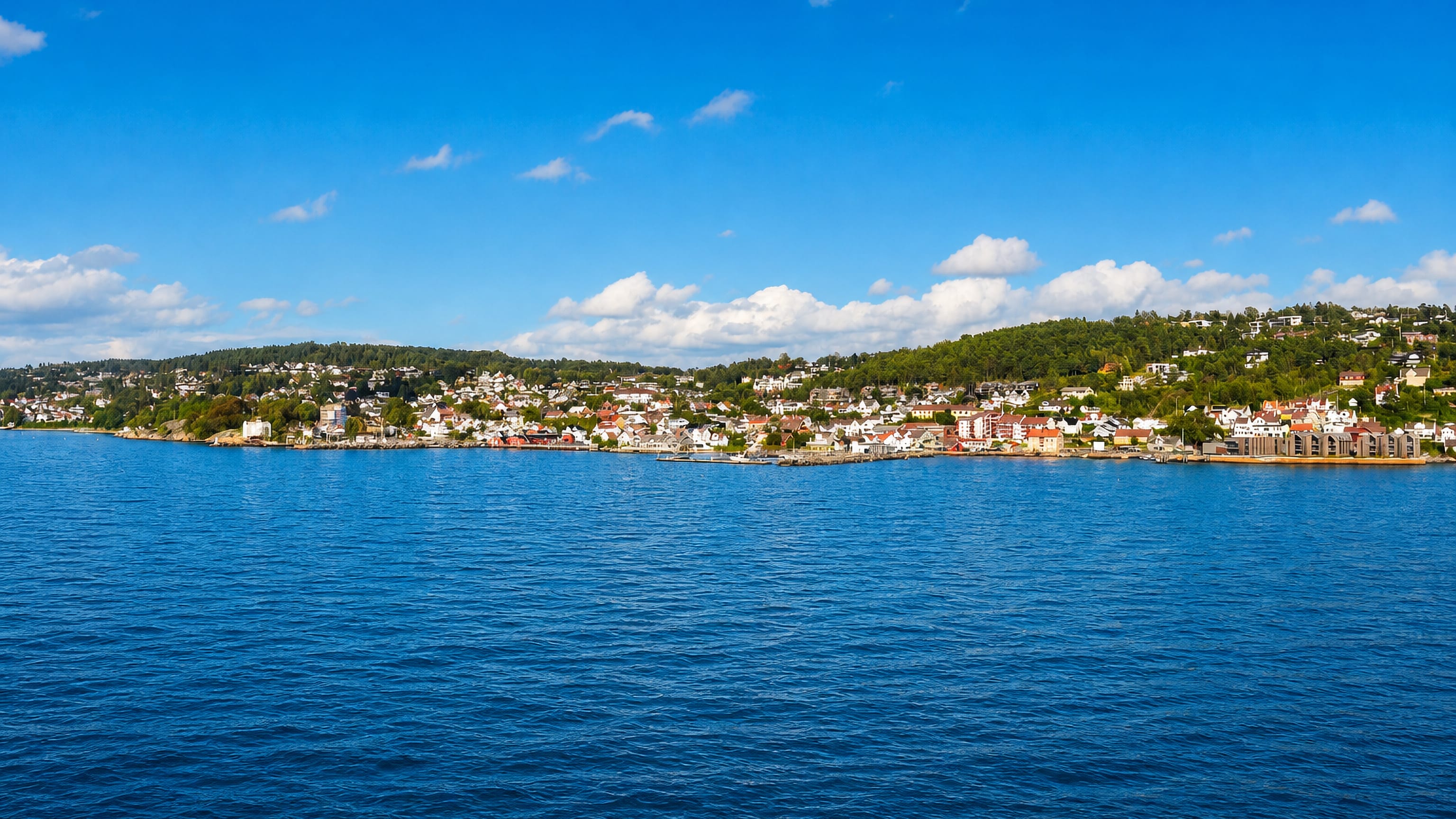
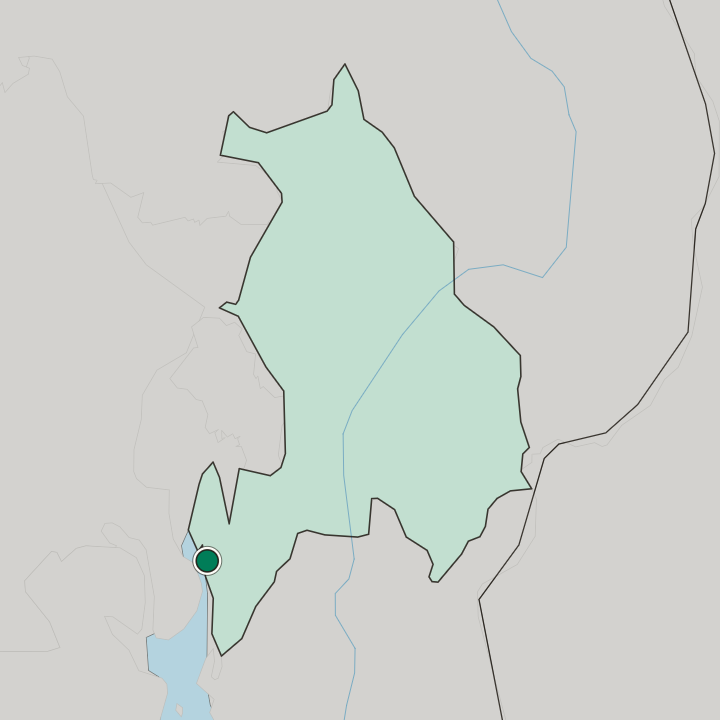
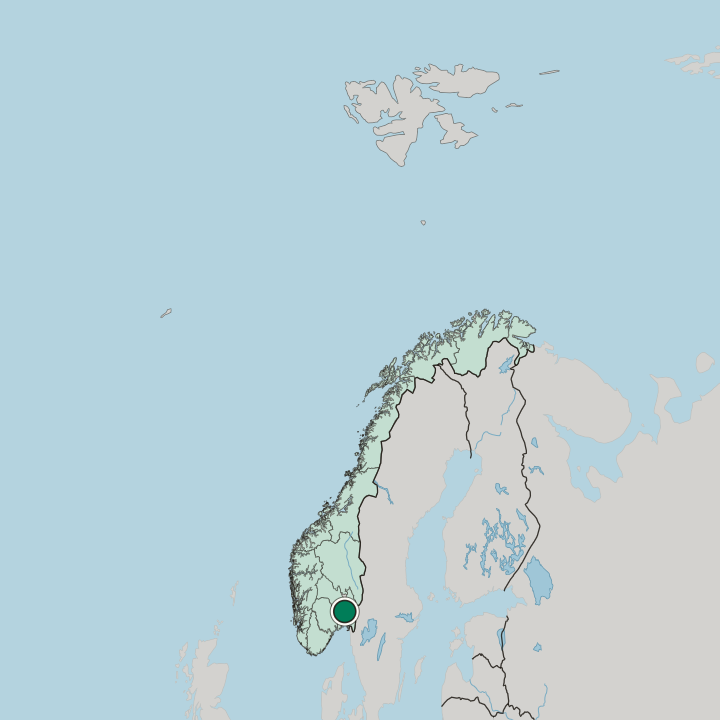
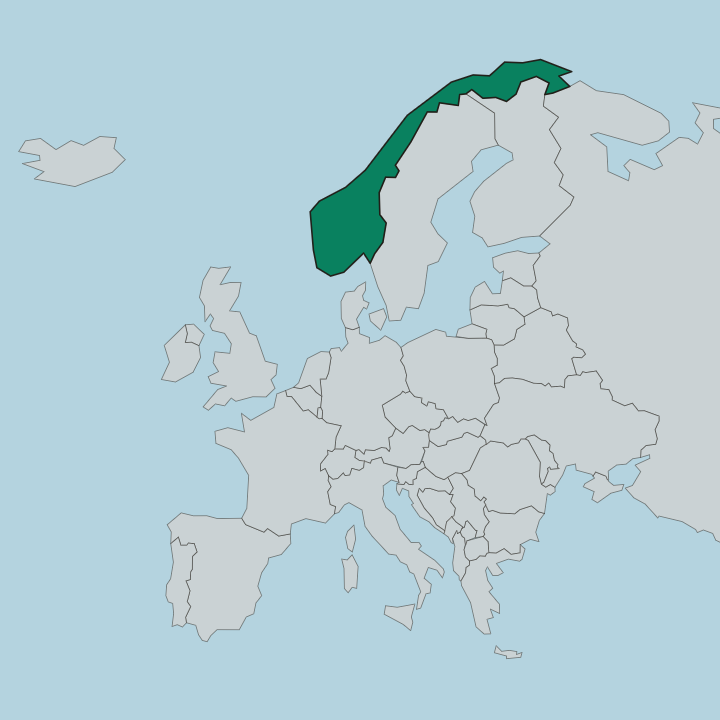
Drøbak is a town on the Oslofjord in the south-western part of Akershus, south-eastern Norway, the centre of Frogn.
Hotel links are affiliate links: booking through them may earn us a commission, at no extra cost to you. It never affects how places are ranked. How this works


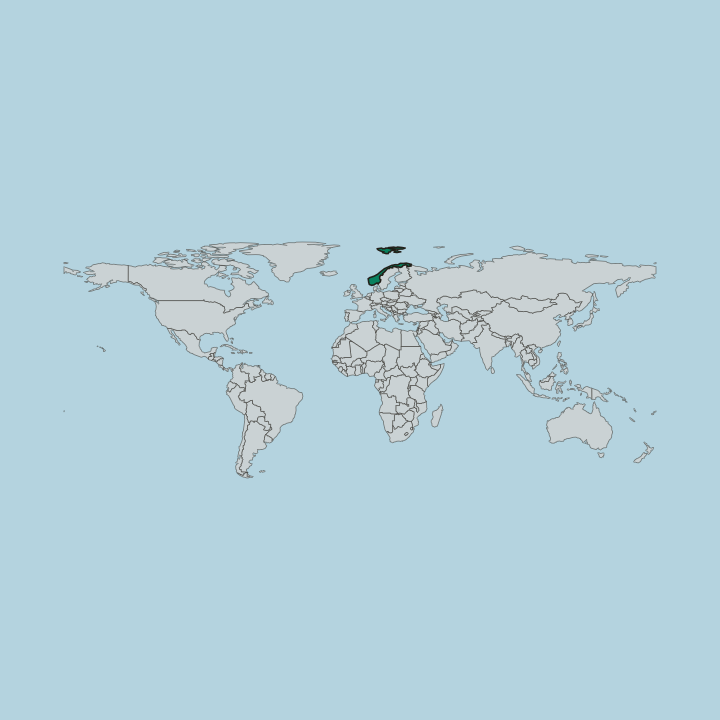
Where to stay in Drøbak
Where the beds are, and what that means for the visit.
Stay by the water. The old wooden centre of Drøbak runs down to the Oslofjord, and a room among its narrow streets near Drøbak kirke puts the harbour, the cafés, and the Drøbak Akvarium within a short walk. This is the heart of the town and the obvious base.
The waterfront is also the jumping-off point for the boat out to Oscarsborg festning, so a central room near the quay makes that trip easy. Travellers who prefer quiet can look to the residential slopes above the fjord, still within the municipality of Frogn and a short way from the old centre. Culture-minded visitors will want to be near the Fredrik Stabel & AvisTegnernes Hus and the open-air Follo museum, both close to the core.
For a first visit, the harbour streets win on charm and convenience alike.
Find hotels in Drøbak
Direct booking searches for these neighbourhoods.
The harbour streets
The old wooden core running down to the Oslofjord by Drøbak kirke, near the quay for the Oscarsborg festning boat.Find hotels in The harbour streetsA quieter base still inside FrognThe slopes above the fjord
Residential ground rising above the Oslofjord, a short way from the cafés and the Drøbak Akvarium.Find hotels in The slopes above the fjordHotel links are affiliate links: booking through them may earn us a commission, at no extra cost to you. It never affects how places are ranked. How this works
About Drøbak
A fortress guards the strait.
What is Drøbak known for?
Oscarsborg festning sits on its island in the Oslofjord just off Drøbak, the coastal fort whose guns made the town's name in wartime. Ashore, the wooden streets gather around the heritage-listed Drøbak kirke, and visitors find the Drøbak Akvarium on the waterfront. As the centre of Frogn in the south-western part of Akershus, the town wears its seafaring past plainly.
What are the main landmarks in Drøbak?
The fortress comes first. Oscarsborg festning stands on its island in the Oslofjord, the most visited site by far. On land, the heritage-listed Drøbak kirke marks the old centre, while the Drøbak Akvarium draws families to the waterfront.
Two collections tell the wider story: the Fredrik Stabel & AvisTegnernes Hus, a gallery of newspaper cartoonists, and the open-air Follo museum, which gathers the rural heritage of the surrounding Follo region.
What is the history of Drøbak?
The sea made this town. Drøbak grew as a harbour on the Oslofjord, where the narrow strait drew shipping, trade, and the timber that passed down toward the capital, and the wooden houses of the old centre still record that maritime beginning in the south-western part of Akershus. The heritage-listed Drøbak kirke rose to serve the seafaring community that gathered along the shore.
The strait also made the town strategic. Oscarsborg festning was built on the island guarding the narrows, and its guns gave Drøbak a place in the country's military memory that no other site in Frogn can match. The Follo museum keeps the rural and coastal heritage of the wider district, while the Fredrik Stabel & AvisTegnernes Hus brings a lighter strand of culture to the old streets.
The result is a small fjord town that carries both its harbour trade and its wartime story.
Where is Drøbak?
Where the fjord narrows. Drøbak lines the eastern shore of the Oslofjord at one of its tightest points, in the south-western part of Akershus, with Oscarsborg festning on the island just offshore. Wooded slopes rise behind the harbour, and the old town clings to the water's edge.
This stretch of south-eastern Norway is all strait, shore, and the small islands that crowd the narrows of Frogn.
What is the climate of Drøbak?
Mild for the north. The Oslofjord softens the seasons at Drøbak, giving cool rather than bitter winters and warm, settled summers along the water. Frost is lighter here than inland.
The fjord holds its summer warmth into autumn, so this corner of Frogn in south-eastern Norway feels gentler than the farming plains further from the coast.
How do you get to Drøbak?
Come by road or water. Drøbak sits off the main routes south from the capital in the south-western part of Akershus, reached by bus and car rather than a town railway. Boats cross the Oslofjord to the island of Oscarsborg festning from the harbour.
Within Frogn, local roads link the old centre to the residential slopes and the open-air Follo museum nearby.
Common questions
What is the best area to stay in Drøbak?
The harbour streets: Walkers who want the fjord on the doorstep. The slopes above the fjord: A quieter base still inside Frogn.
Good for
More cities in Akershus fylke
Updated September 2026