Norway · Finnmark
Where to Stay in Kárášjohka, Finnmark
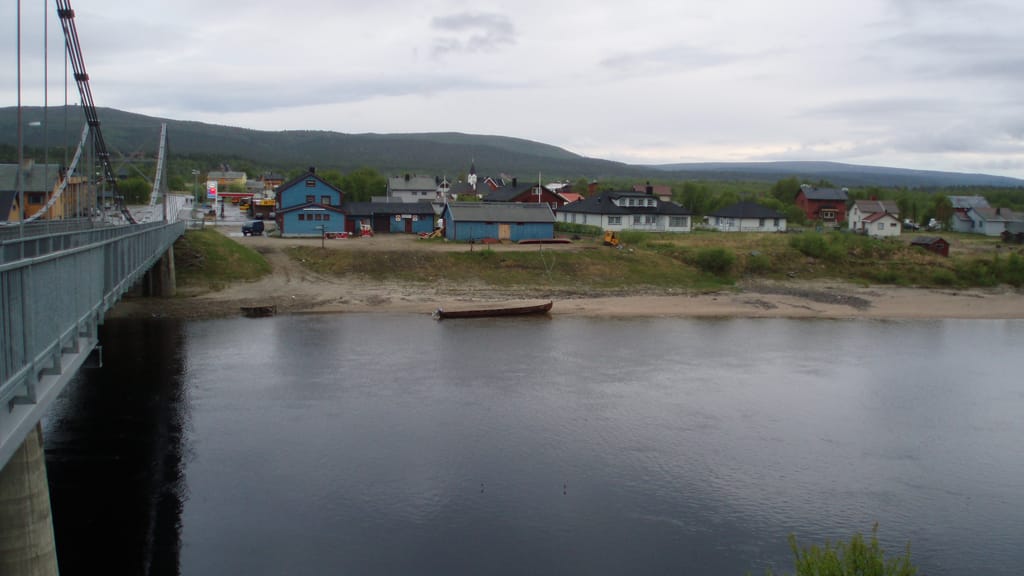
Kárášjohka, or Karasjok, is a Sámi town in the southern part of Finnmark, in northern Norway.
Hotel links are affiliate links: booking through them may earn us a commission, at no extra cost to you. It never affects how places are ranked. How this works


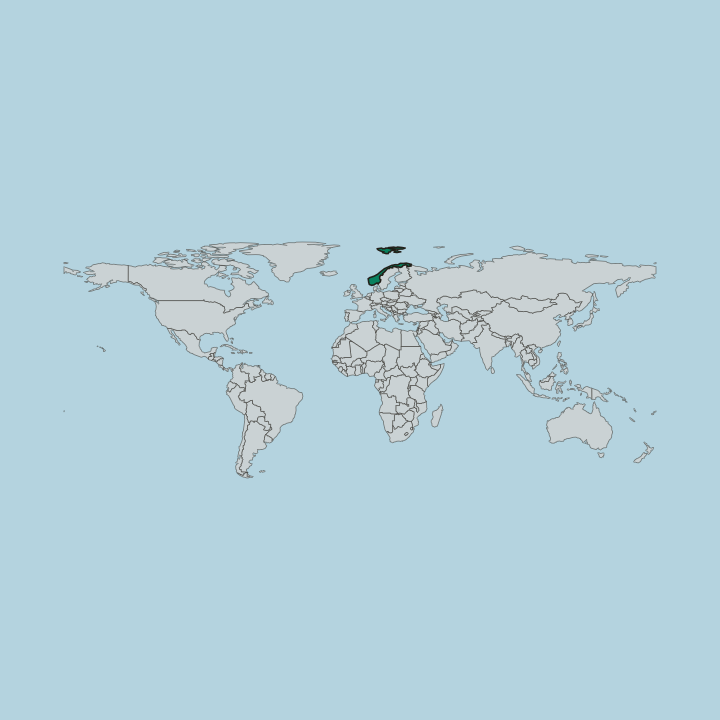
Where to stay in Kárášjohka
Where visitors usually base themselves, and why.
Kárášjohka is a small inland town, so its beds gather close to the centre and the river crossing. Stay near the middle. From there the churches and the Sámi collection are an easy walk, and you can reach De Samiske Samlinger on foot from most of the lodging that the town offers along its main stretch.
The centre of Karasjok, near Karasjok kirke, is the natural base for a first visit, with the collection and the old church close by. If you are drawn to the Sámi culture above all, the ground around De Samiske Samlinger keeps you nearest the heart of what brings people to this southern corner of Finnmark. Lodging stays sparse in so small a town.
Book ahead in a town this small.
Find hotels in Kárášjohka
Direct booking searches for these neighbourhoods.
Karasjok centre
The middle of Karasjok by Karasjok kirke sits within an easy walk of the shops and the river crossing. Few places to stay nearby — book ahead.Find hotels in Karasjok centreTravellers here above all for Sámi cultureAround De Samiske Samlinger
The ground beside De Samiske Samlinger puts you nearest the protected Sámi collection and the old church of Karasjok. Few places to stay nearby — book ahead.Find hotels in Around De Samiske SamlingerHotel links are affiliate links: booking through them may earn us a commission, at no extra cost to you. It never affects how places are ranked. How this works
About Kárášjohka
What is Kárášjohka known for?
Kárášjohka is known as a centre of Sámi life in northern Norway (Nord-Norge), a town where the language and culture of the Sámi people are kept and shown. The collections tell the story. De Samiske Samlinger gathers the objects and records of that culture, while the two churches, Karasjok kirke and the older Karasjok gamle kirke, mark the longer settled history of the place in the southern part of Finnmark.
What are the main landmarks in Kárášjohka?
De Samiske Samlinger is the landmark people travel for, a protected collection of Sámi culture at the heart of Karasjok. Two churches frame the town. Karasjok gamle kirke is the old, protected church, while Karasjok kirke is the larger parish church that came later.
Together they hold the religious history of Kárášjohka. The Sámi story sits between them.
What is the history of Kárášjohka?
Kárášjohka grew as a gathering place of the Sámi on the inland plateau, a settlement of the people who had moved across this northern country long before fixed borders crossed it. Its history is bound to that culture. The town became a centre where Sámi life held its ground as outside church and state reached into the far north.
The churches mark that meeting. Karasjok gamle kirke, the old church, is the earlier of the two and stands as a protected building, while the later Karasjok kirke serves the parish that grew around it. Between them they record the long arrival of organised religion into a Sámi land in the southern part of Finnmark.
De Samiske Samlinger holds the wider story. The collection keeps the objects, dress and records of Sámi life, making Karasjok a keeper of memory for the people of northern Norway (Nord-Norge) and the surrounding reaches of Finnmark.
Where is Kárášjohka?
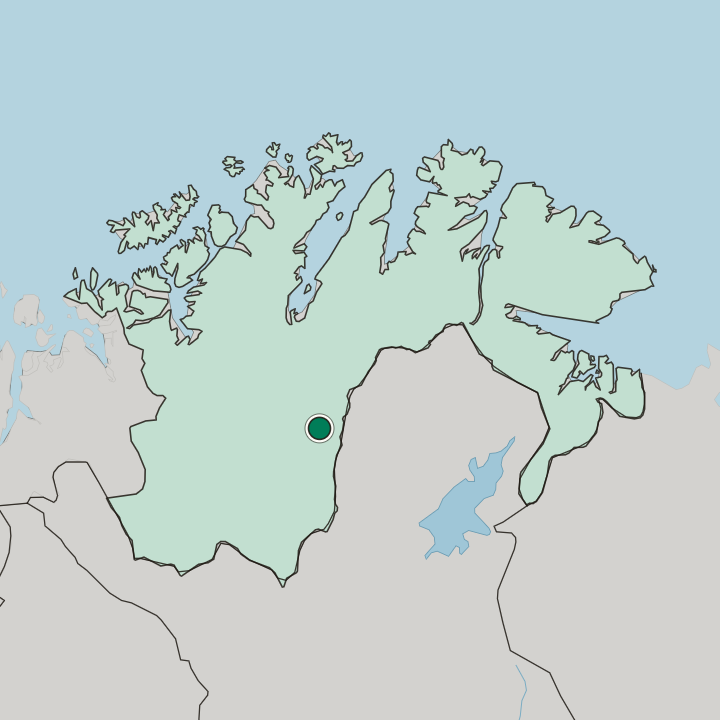
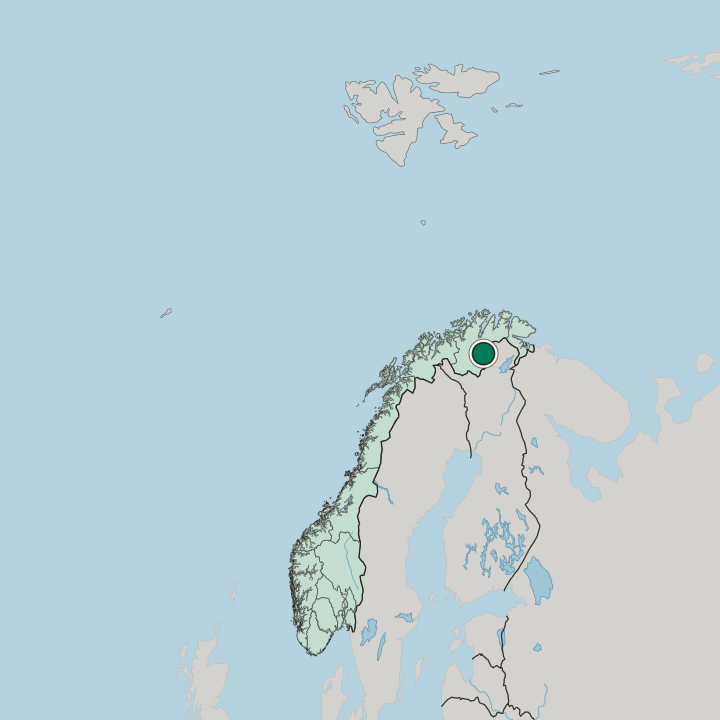
Kárášjohka lies inland in the southern part of Finnmark, well away from the coast that defines so much of the county. The land here is wide and open. It is interior country, a stretch of the broad northern plateau where the town of Karasjok sits among low ground and water, far from the sea and deep within northern Norway (Nord-Norge).
Finnmark surrounds it on every side.
What is the climate of Kárášjohka?
Kárášjohka knows a hard continental climate, inland on the plateau and far from the moderating coast. The winters bite. Without the sea to soften the air, this interior corner of Finnmark swings between deep cold in the dark months and short, sharp warmth when the long northern light returns.
The distance from the coast makes Karasjok one of the more extreme places to live in northern Norway (Nord-Norge).
How do you get to Kárášjohka?
Kárášjohka sits inland in the southern part of Finnmark, reached by road across the plateau rather than along the coast. The drive is long. Most visitors come overland from the larger towns of northern Norway (Nord-Norge), following the inland routes that cross the high country to Karasjok, a town far from any sea and deep within Finnmark.
Common questions
What is the best area to stay in Kárášjohka?
Karasjok centre: First visits, with the parish church and Sámi collection on foot. Around De Samiske Samlinger: Travellers here above all for Sámi culture.
Good for
More cities in Finnmark
Updated September 2026