Norway · Finnmark
Where to Stay in Kirkenes, Finnmark
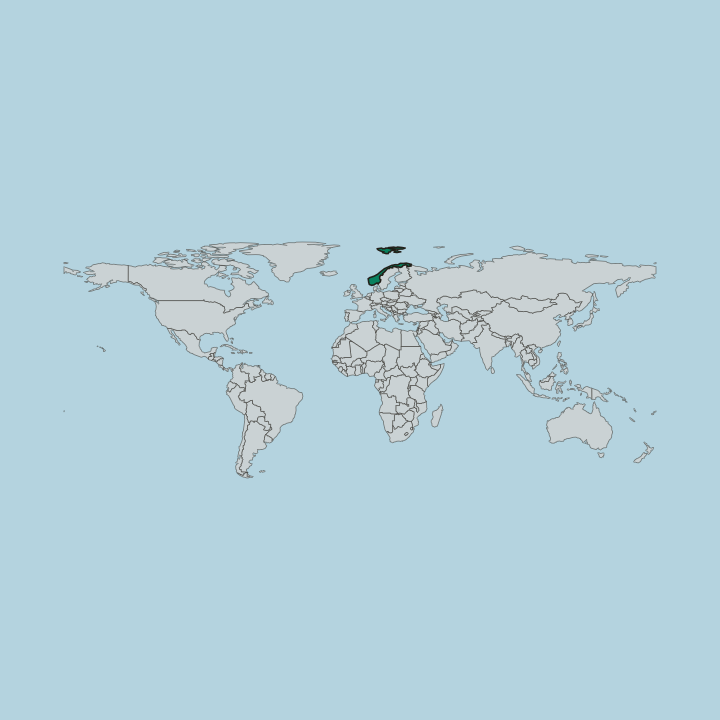
Kirkenes is a border port in Sør-Varanger, near the Russian frontier in northern Norway.
Hotel links are affiliate links: booking through them may earn us a commission, at no extra cost to you. It never affects how places are ranked. How this works


Where to stay in Kirkenes
How the choice of base plays out on the ground.
Most beds in Kirkenes gather in the centre near Kirkenes kirke, where hotels and guest rooms stand within a short walk of the harbour, the shops and the Saviomuseet in the heart of the border town. The centre suits visitors who want the port and the frontier country of Sør-Varanger close at hand. For port and frontier alike, it sits closest.
Down by the water, rooms near the harbour put the quays and the coastal ferry a step away, handy for travellers boarding the boats that work this far south-eastern part of Finnmark. Harbour stock is small. Out through the municipality of Sør-Varanger, lodges and cabins spread toward the Russian border and the lakes, a quieter choice for visitors touring the frontier and the tundra of northern Norway by car.
Reserve early for winter, when the northern lights and the king crab draw travellers east to Kirkenes.
Find hotels in Kirkenes
Direct booking searches for these neighbourhoods.
Centre by Kirkenes kirke
rooms by Kirkenes kirke and the Saviomuseet in the frontier townFind hotels in Centre by Kirkenes kirketravellers boarding the boats eastHarbour and the coastal ferry
quayside beds by the Kirkenes harbour and the ferry berth. Few places to stay nearby — book ahead.Find hotels in Harbour and the coastal ferrydrivers touring the Russian-border country and lakesSør-Varanger toward the frontier
cabins and lodges out through Sør-Varanger toward the frontier. Rooms are few around here — worth securing early.Find hotels in Sør-Varanger toward the frontierHotel links are affiliate links: booking through them may earn us a commission, at no extra cost to you. It never affects how places are ranked. How this works
Things to do in Kirkenes
Ranked by global recognition; descriptions from Wikidata (CC0).
Museums & Galleries
2- Sør-Varanger museum
- Varanger museum
Churches & Religious Sites
1- Kirkenes Church church in Sør-Varanger Municipality
Castles & Historic Sites
2- Russermonumentet Norwegian war memorial at Kirkenes
- Krigsmødremonumentet
worth knowingacross 3 categories in Kirkenes
About Kirkenes
What is Kirkenes known for?
Kirkenes is the eastern end of Norway, the port and frontier town of Sør-Varanger close to the Russian border. War and the border marked it, and the Frigjøringsmonumentet recalls the liberation that followed the hardest years of the last century, while the Krigsmødremonumentet remembers the women who held the town through them. Kirkenes kirke stands at the centre.
The art of the Sami painter at the Saviomuseet draws visitors to this far south-eastern part of Finnmark, the last harbour before the frontier in northern Norway.
What are the main landmarks in Kirkenes?
Kirkenes kirke stands at the centre, the church rebuilt over the port town. War left its marks. The Frigjøringsmonumentet recalls the liberation, the Krigsmødremonumentet honours the women of the war years, and the Saviomuseet holds the work of the Sami painter born in the district.
This town keeps its history close. Together the Varanger museum and the Sør-Varanger Museum gather the story of the frontier and the people of this south-eastern part of Finnmark on the road to the Russian border.
What is the history of Kirkenes?
Kirkenes grew as the frontier port of Sør-Varanger, on the eastern edge of the country near the Russian border. Mining and the sea built it: ore from the inland fields came down to the quays, and the harbour shipped it out along the coast through the long northern seasons. The last war scarred the town.
Kirkenes was bombed and burned in those years, and the Frigjøringsmonumentet and the Krigsmødremonumentet were raised afterward to mark the liberation and the women who endured the worst of it. The town rebuilt and held its place. Kirkenes kirke rose again over the centre, and the work of the Sami painter of the district was gathered into the Saviomuseet, while the Varanger museum and the Sør-Varanger Museum kept the longer story of the frontier.
It stayed the east's gateway. The town became the chief place of Sør-Varanger, the port and crossing of this south-eastern part of Finnmark on the far edge of northern Norway.
Where is Kirkenes?
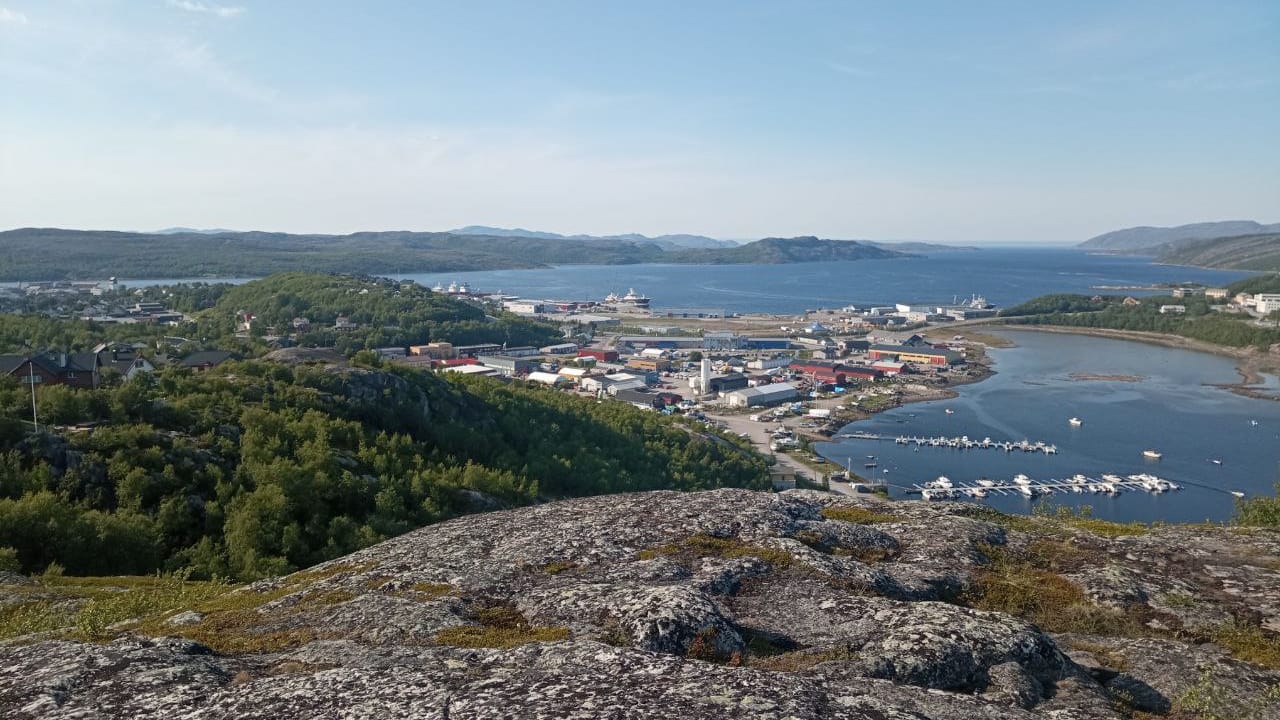
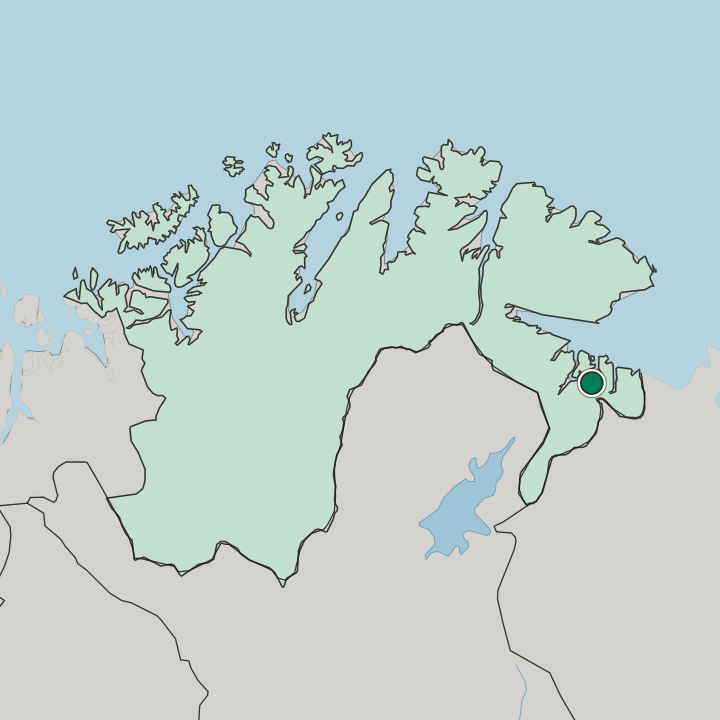
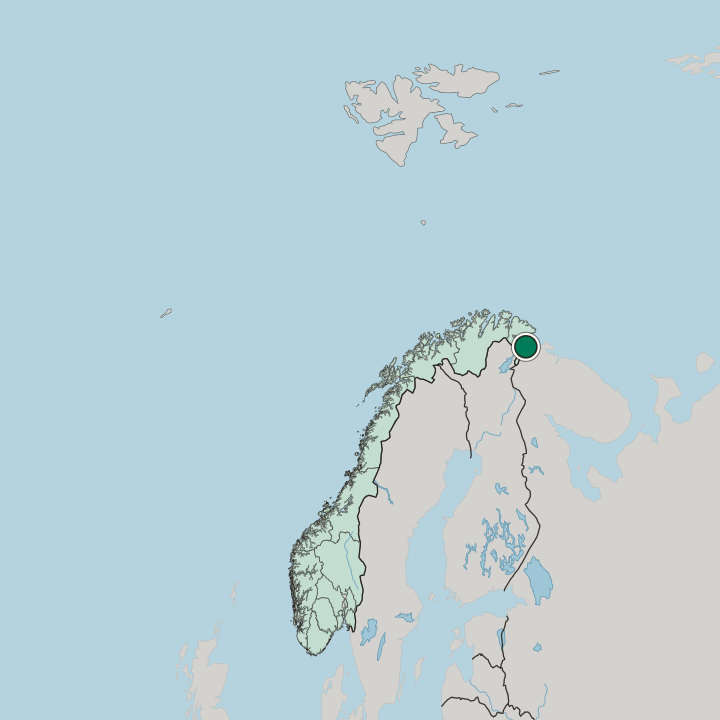
Kirkenes lies on a fjord arm of the Barents coast, in the south-eastern part of Finnmark close to the Russian border. The town gathers around the harbour and Kirkenes kirke, the streets rising from the water toward the tundra and the inland fields. Boats work the fjord.
The municipality of Sør-Varanger spreads east and south over wide treeless country and lakes toward the frontier, taking in the harbour town and the scattered settlements of this far corner of northern Norway.
What is the climate of Kirkenes?
Kirkenes has a cold, dry subarctic climate near the Russian border on the Barents coast. Winters run long and hard, the polar night holding the port town in months of darkness while frost grips the tundra of the south-eastern part of Finnmark and the fjord ice locks the inner water. Summers turn short and mild.
The midnight sun rides over the harbour and the lakes for weeks together, the brief warmth waking the low country before the dark returns to Kirkenes and the frontier of northern Norway.
How do you get to Kirkenes?
Kirkenes lies off the rail network, reached by air, road and sea near the Russian border. The airport links the port town to the rest of the country, the main air route into the south-eastern part of Finnmark. Many arrive by plane.
The coastal ferry ends its long run here on the Barents coast, while the road east runs to the frontier and the road south carries travellers from the rest of northern Norway to Kirkenes kirke and the harbour at its heart.
Common questions
What is the best area to stay in Kirkenes?
Centre by Kirkenes kirke: visitors wanting the border port and the Savio art. Harbour and the coastal ferry: travellers boarding the boats east. Sør-Varanger toward the frontier: drivers touring the Russian-border country and lakes.
Good for
More cities in Finnmark
Updated October 2026