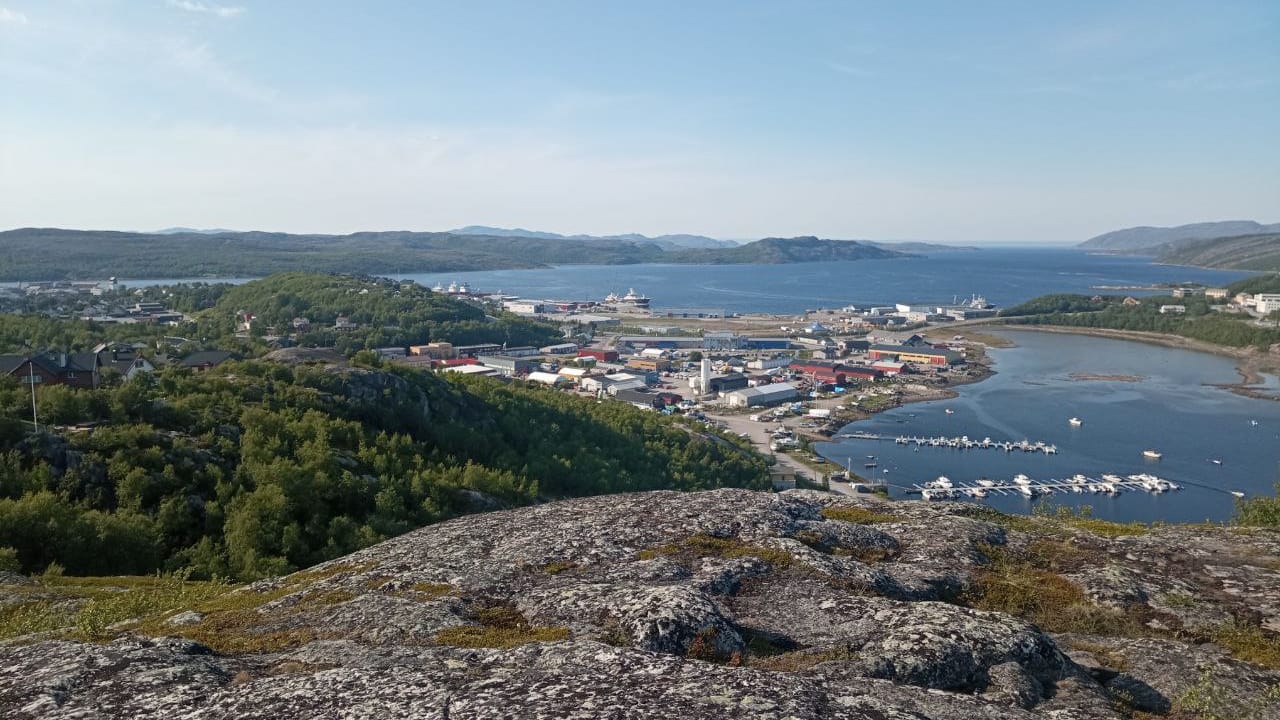
Norway
Finnmark (fylke), Norway — Towns & Travel Guide
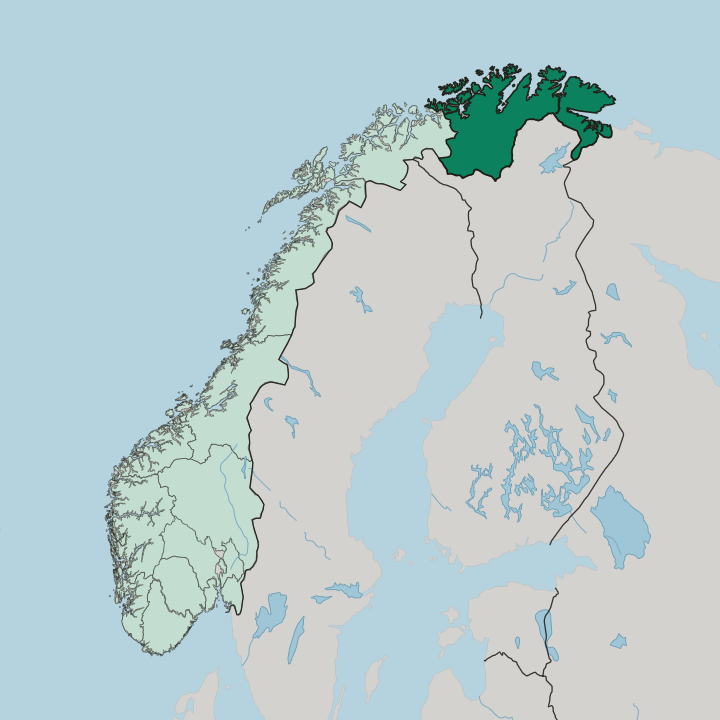
Finnmark is Norway's northernmost county, a vast Arctic fylke of the Nord-Norge region, known in Sámi as Finnmárkku fylka.
Hotel links are affiliate links: booking through them may earn us a commission, at no extra cost to you. It never affects how places are ranked. How this works


Towns & cities in Finnmark
Pick a town or city — each links to where to stay.
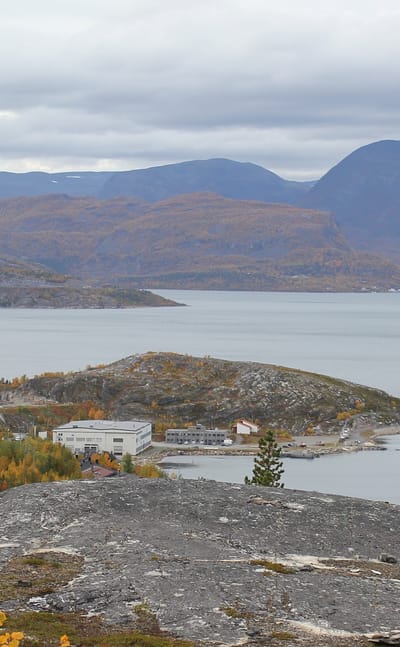
 Norway
Alta
Alta is the largest town in Finnmark, the regional hub of far-northern Norway at the head of Altafjorden.Where to stay →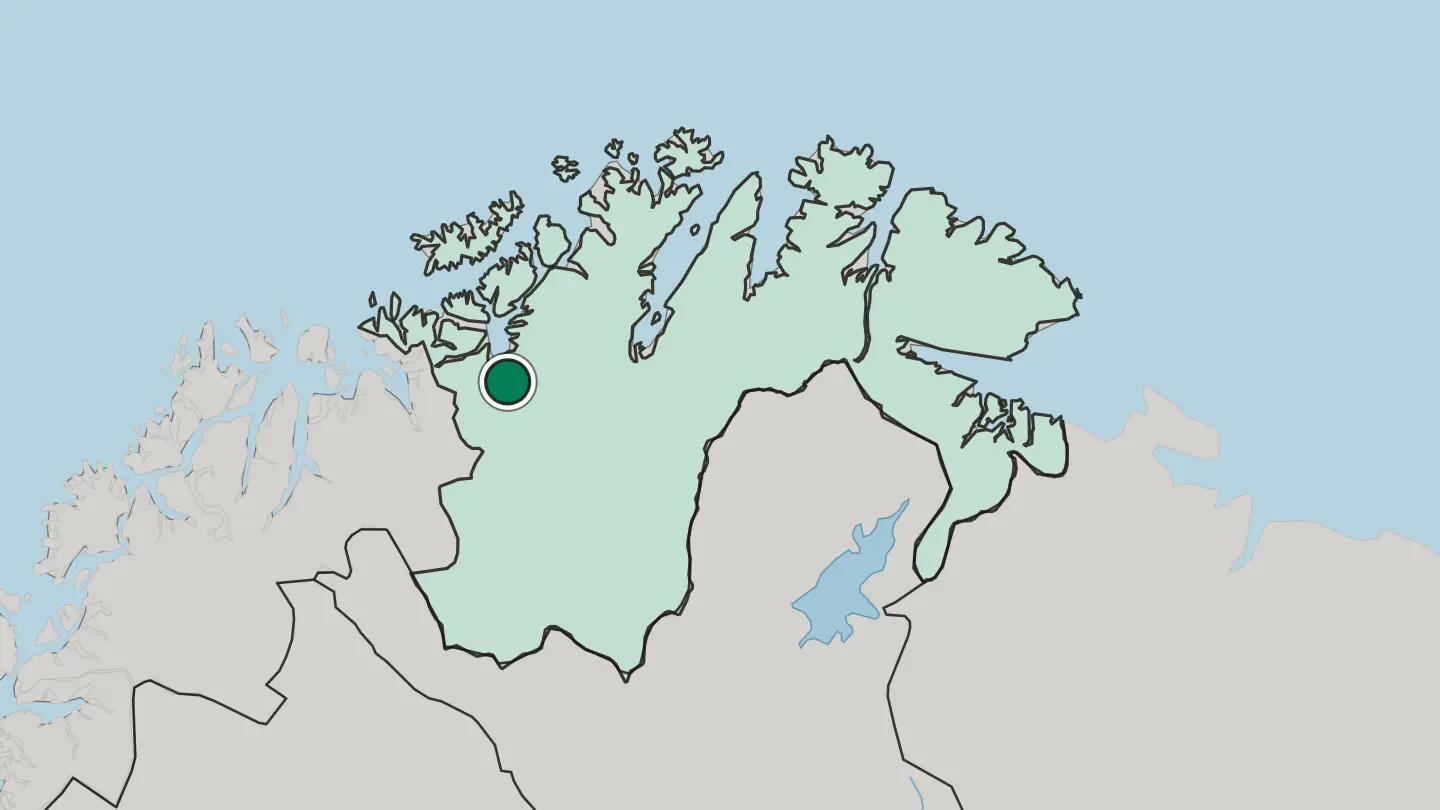
 Norway
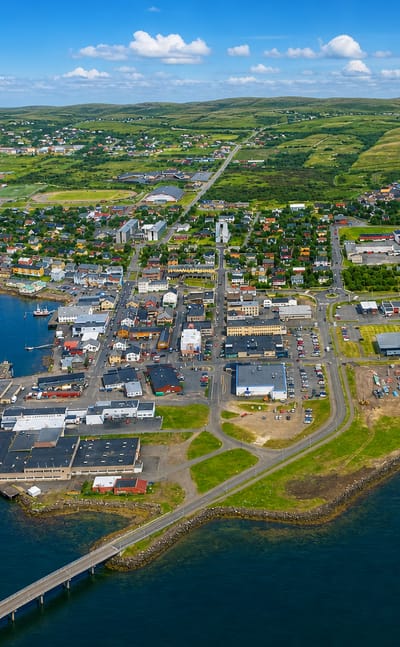
Hammerfest
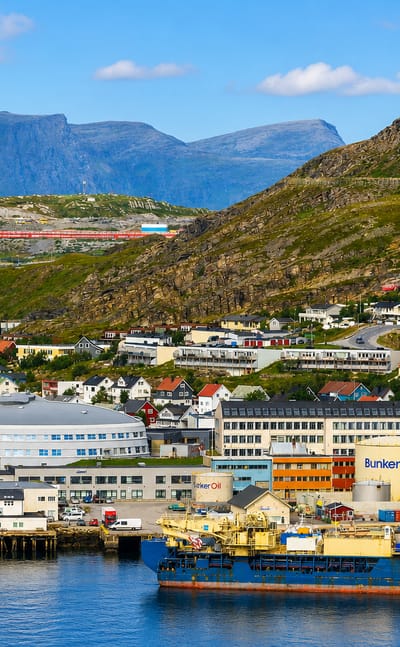
Hammerfest is a far-northern coastal town in Finnmark, set on the island of Kvaløya in northern Norway.Where to stay →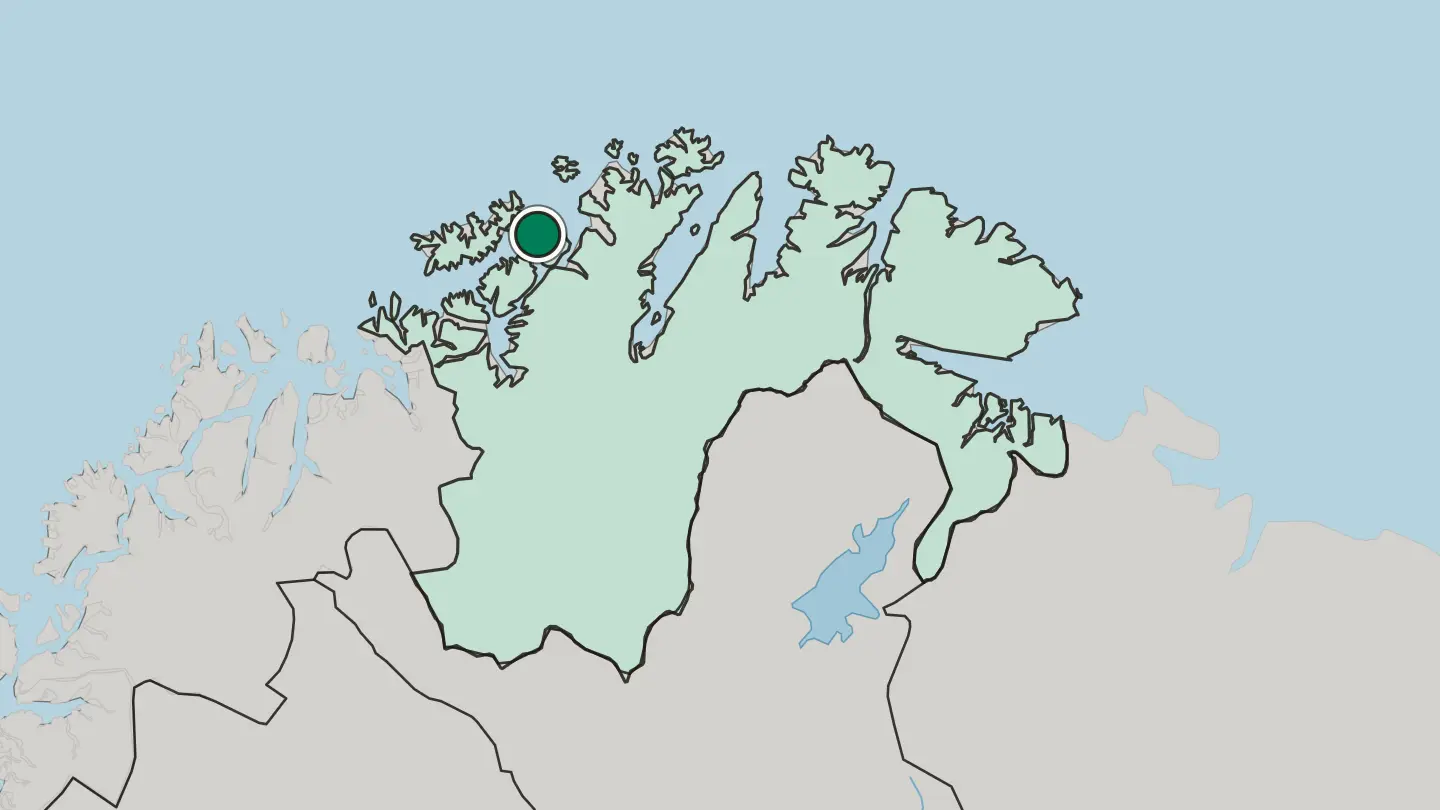
 Norway
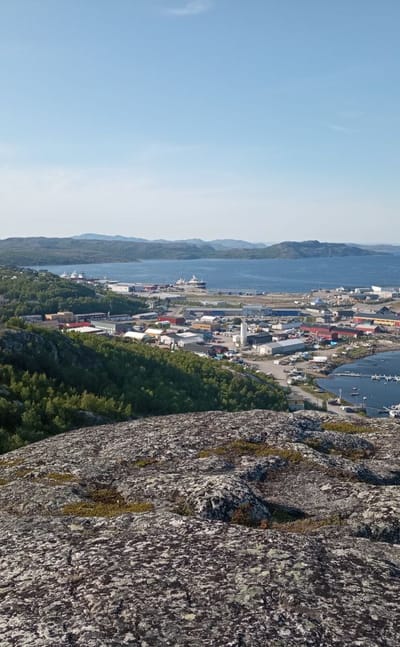
Vadsø
Vadsø is the seat of Finnmark, a Kven harbour town on the Varanger coast in northern Norway.Where to stay →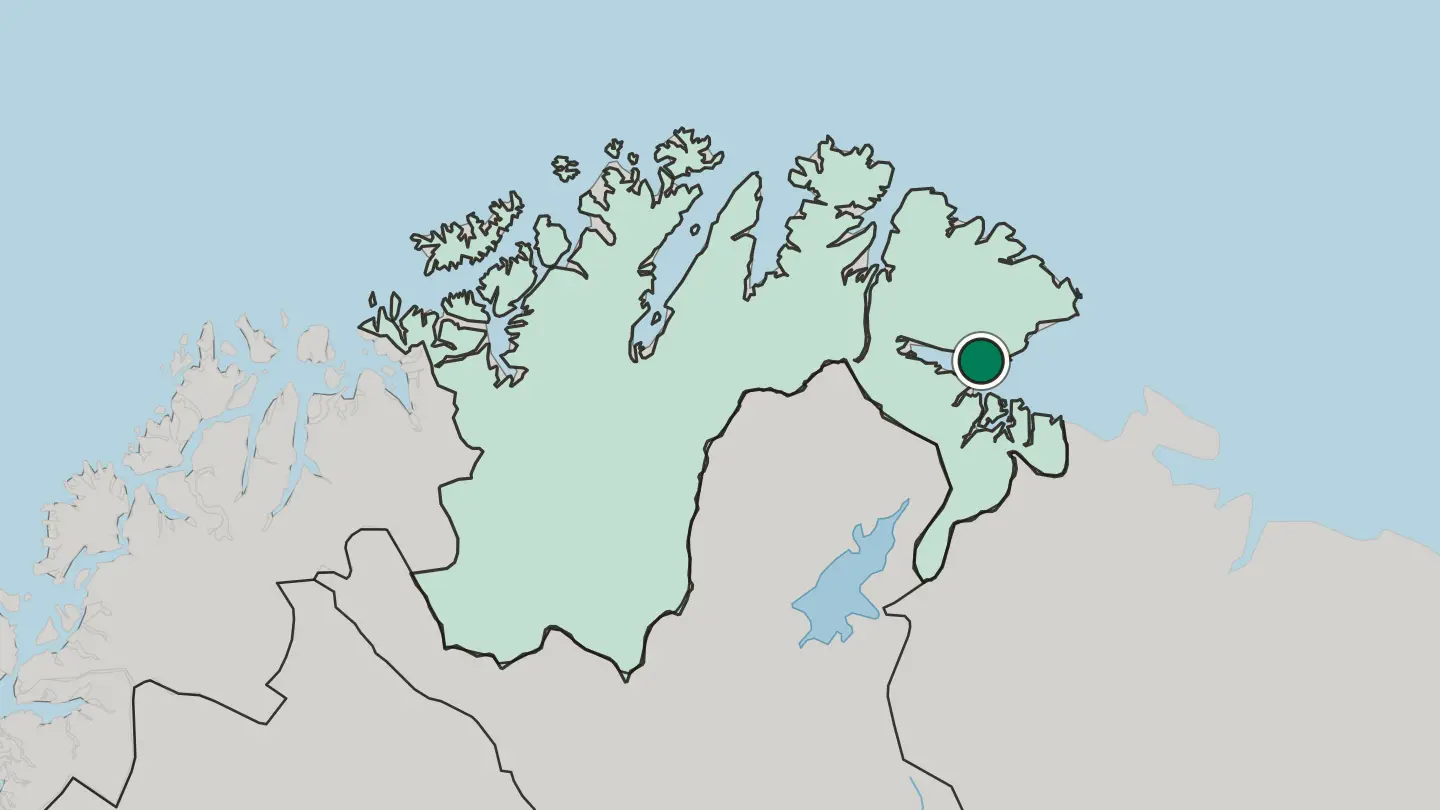
 Norway
Kirkenes
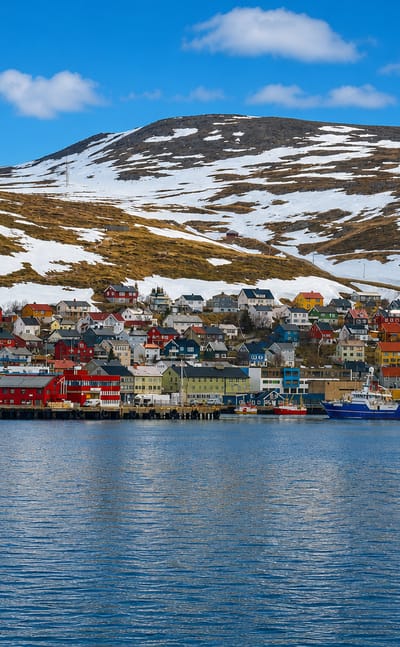
Kirkenes is a border port in Sør-Varanger, near the Russian frontier in northern Norway.Where to stay →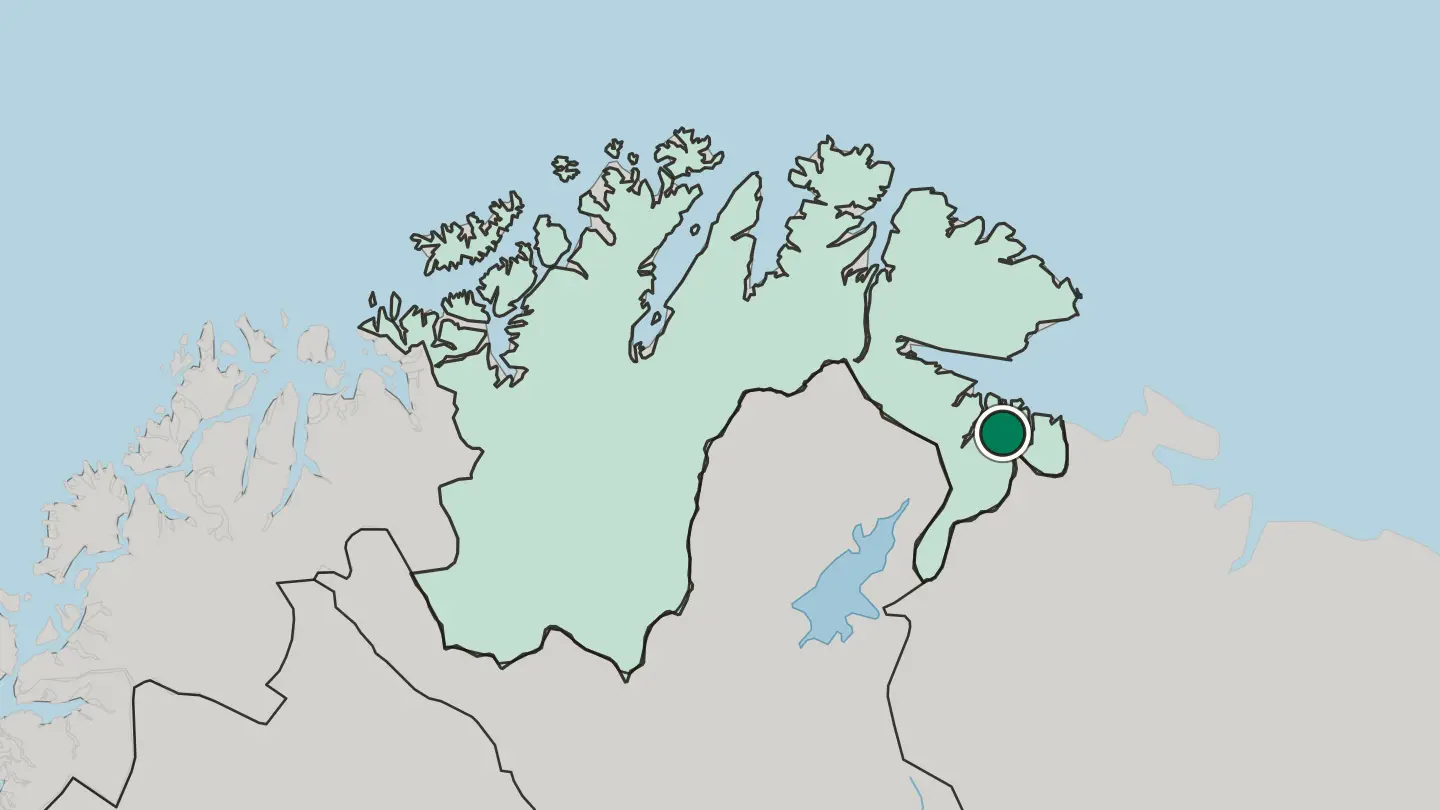
 Norway
Honningsvåg
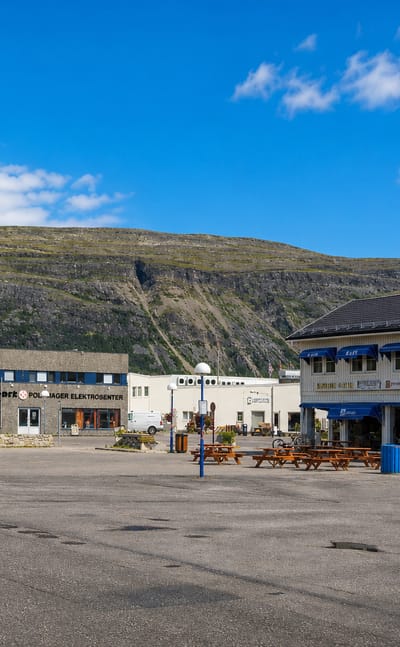
Honningsvåg is the northernmost town of mainland Norway, the port of Nordkapp in Finnmark.Where to stay →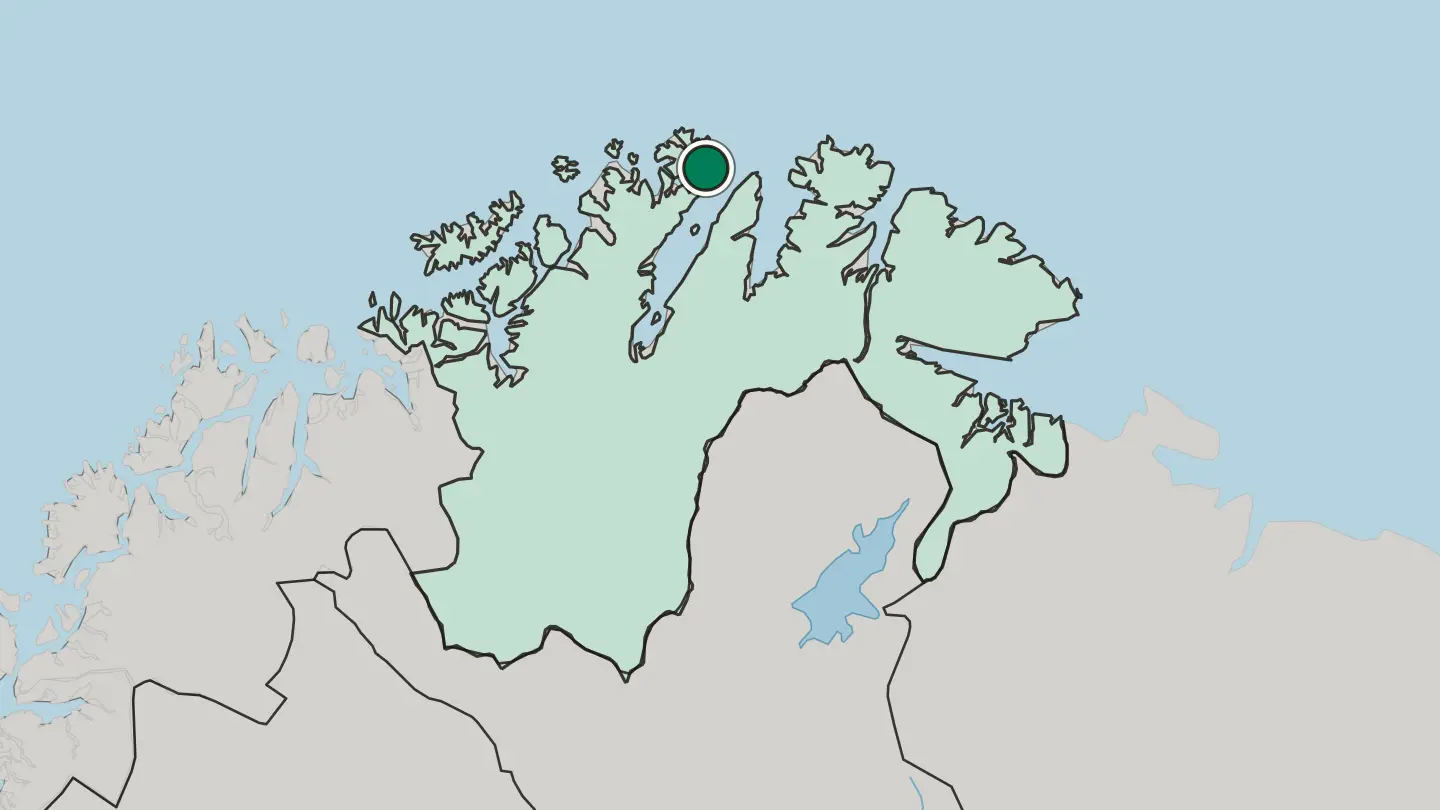
 Norway
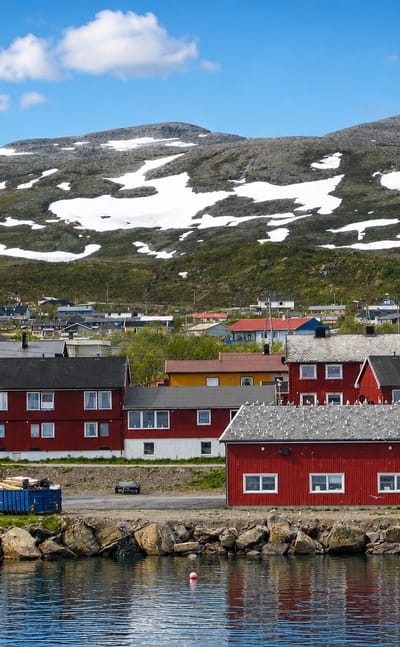
Lakselv
Lakselv is the main village of Porsanger, set at the head of its fjord in Finnmark.Where to stay →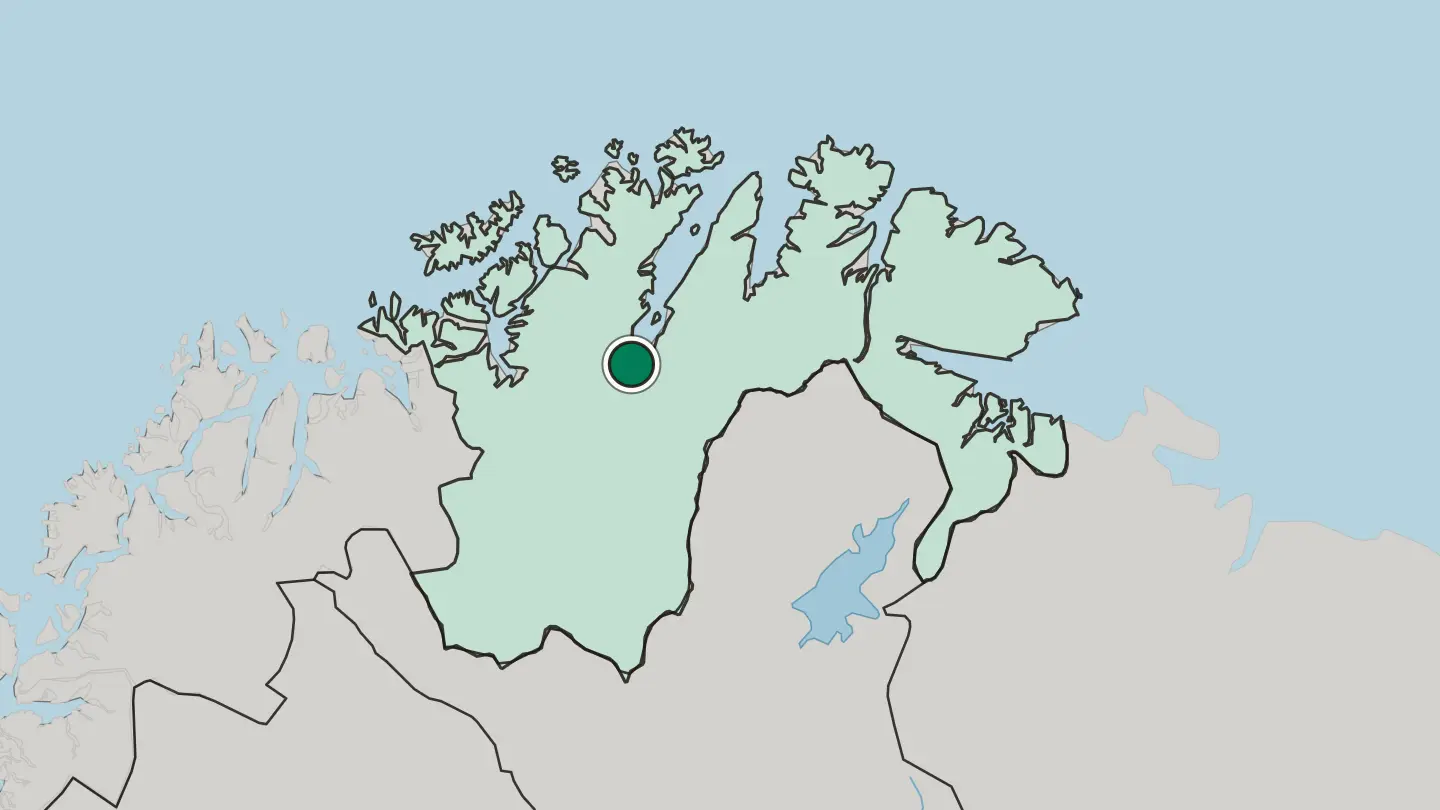
 Norway
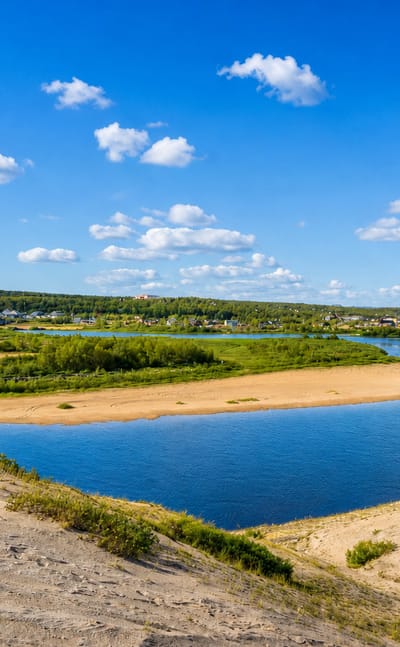
Båtsfjord
Båtsfjord is a fishing town on the Barents coast in the north-eastern part of Finnmark.Where to stay →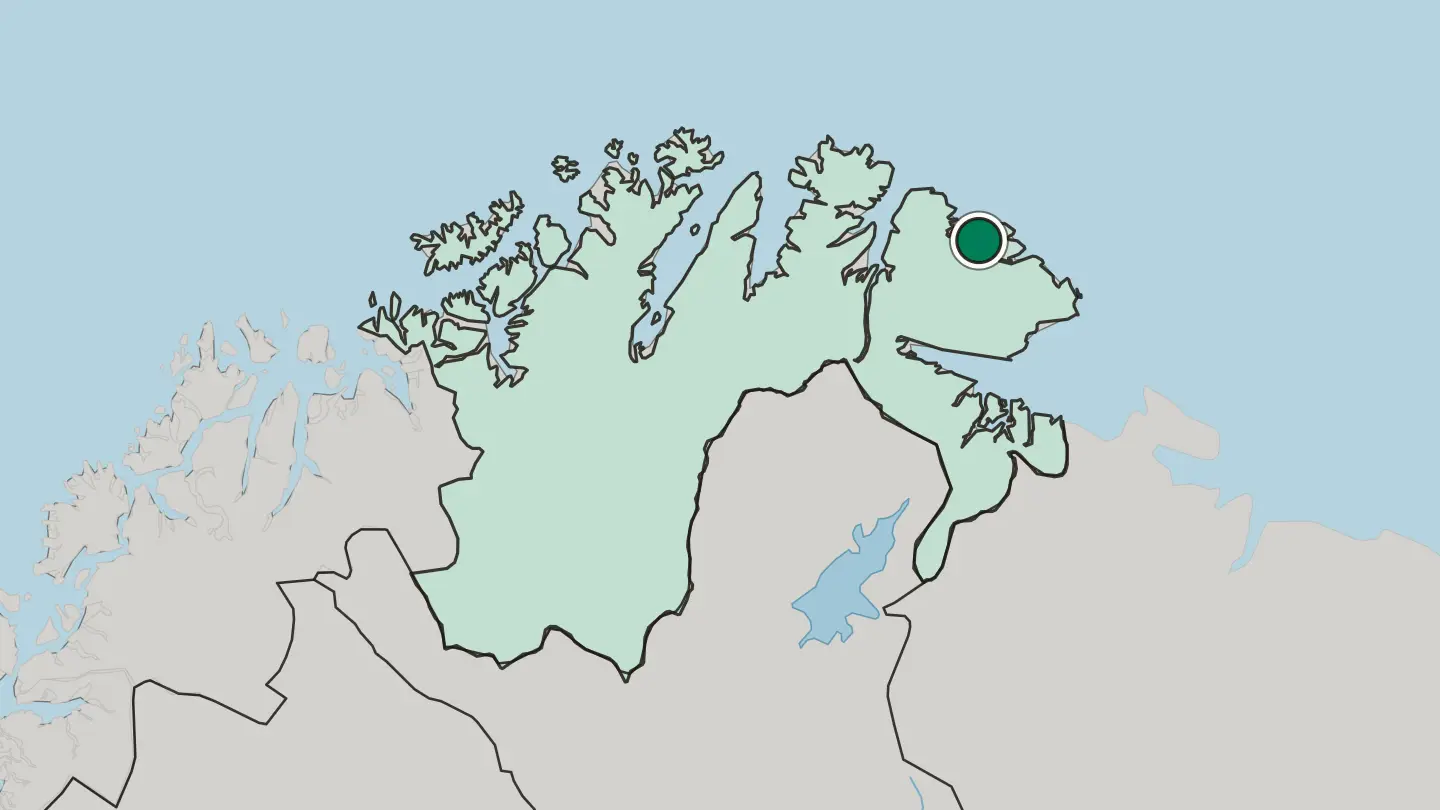
 Norway
Kautokeino
Kautokeino is an inland town on the high plateau of the south-western part of Finnmark.Where to stay →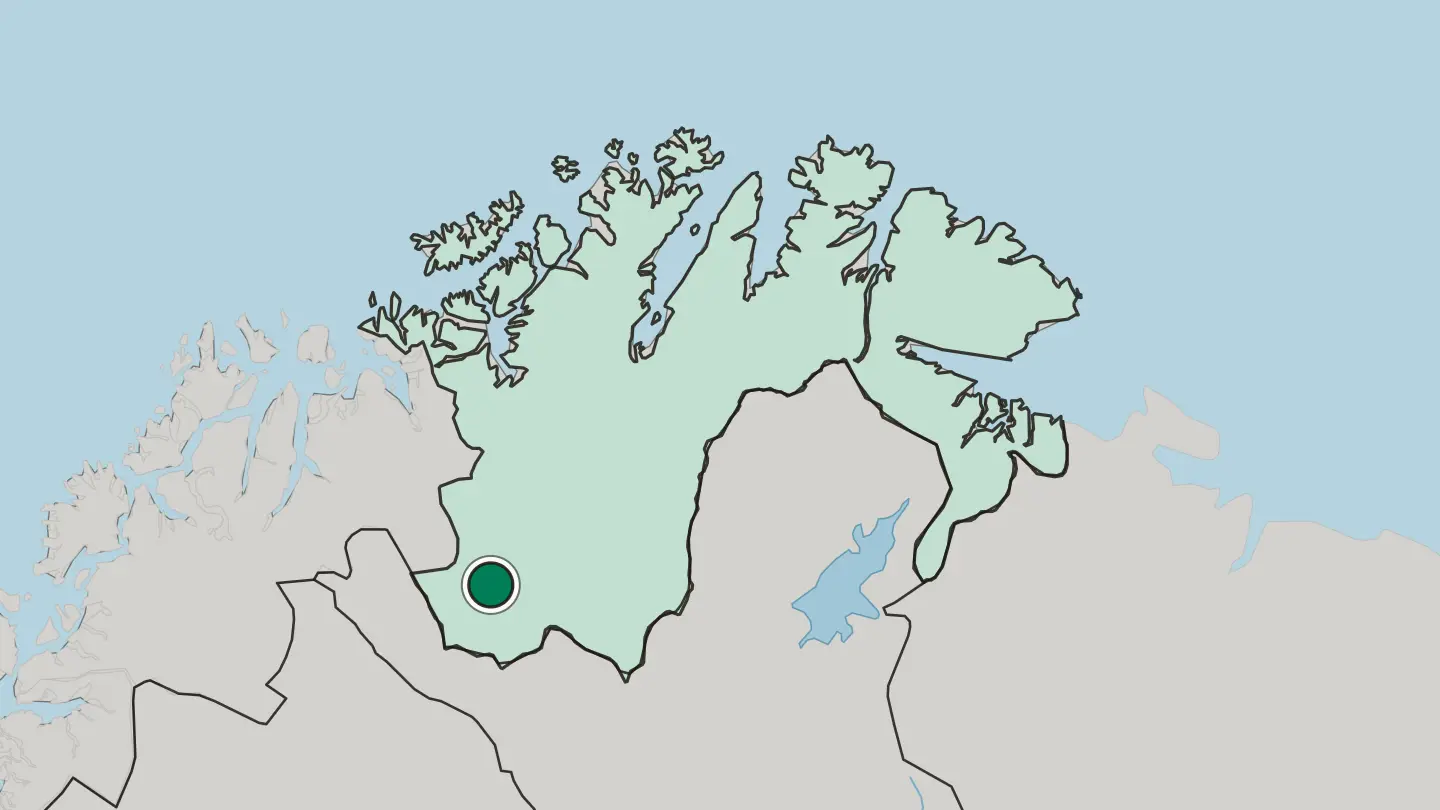
All towns & cities (18)
 Norway
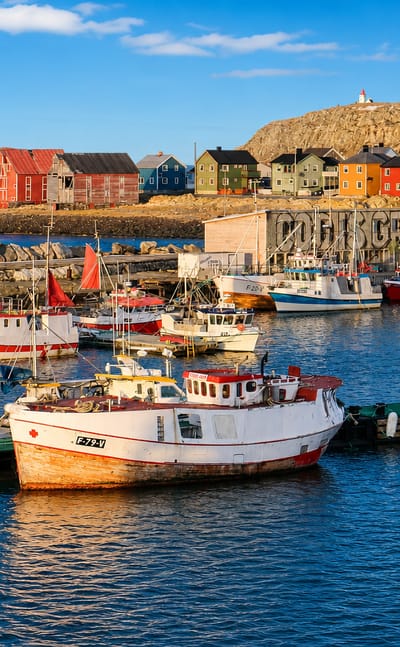
Vardø
Vardø is the easternmost town in Norway, an island fortress town on the Barents coast of Finnmark.Where to stay →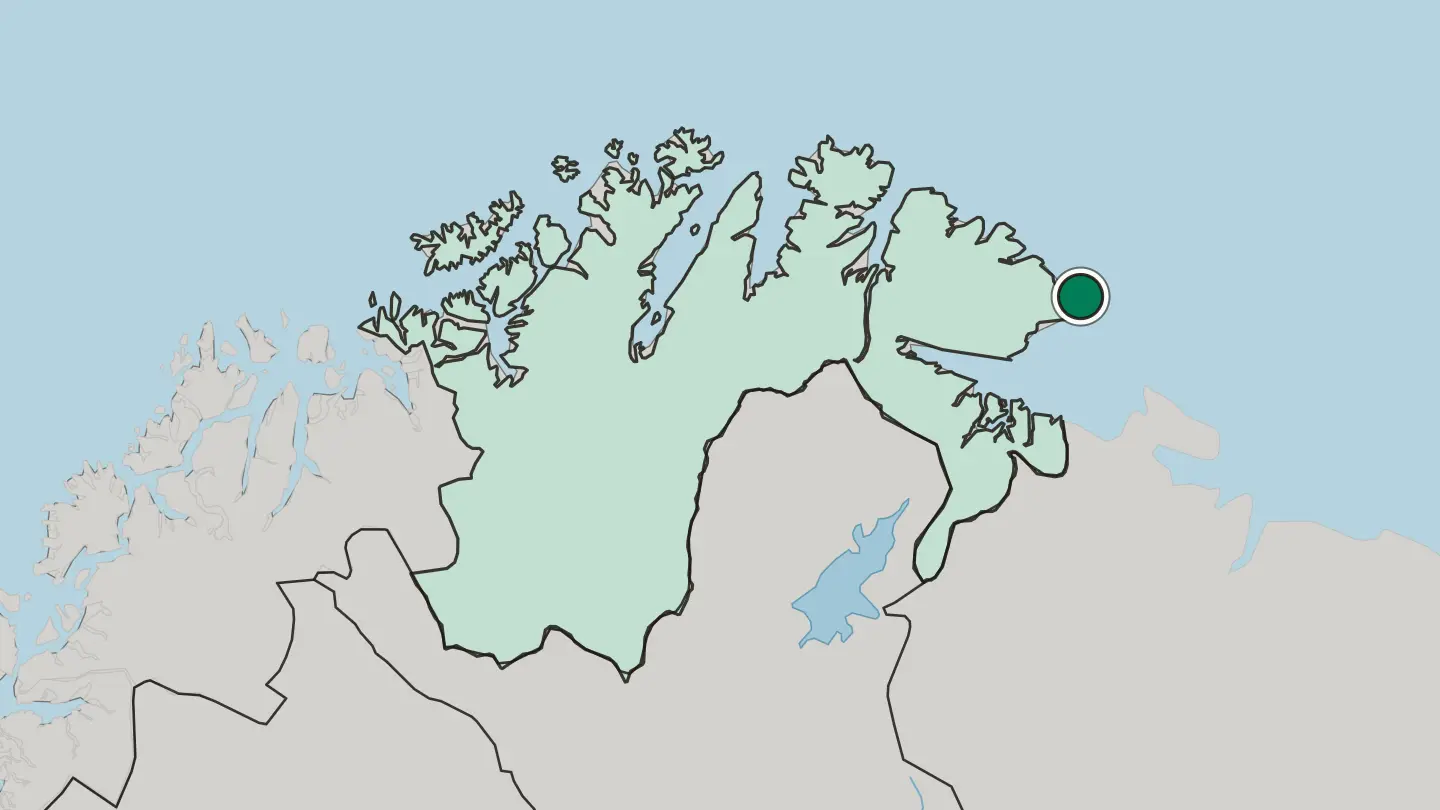
 Norway
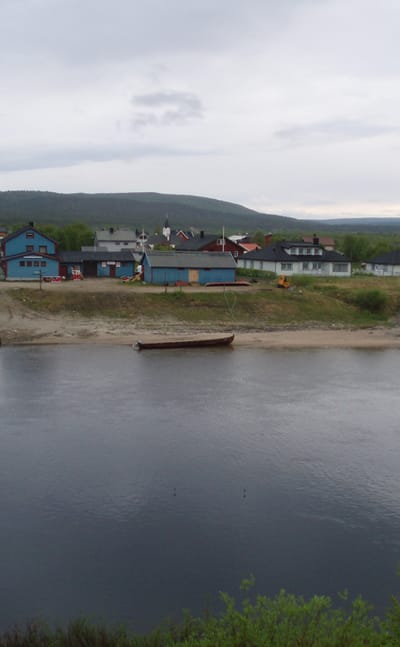
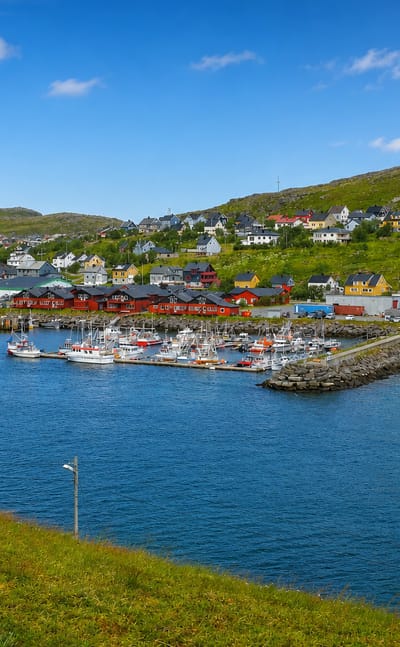
Kárášjohka
Kárášjohka, or Karasjok, is a Sámi town in the southern part of Finnmark, in northern Norway.Where to stay →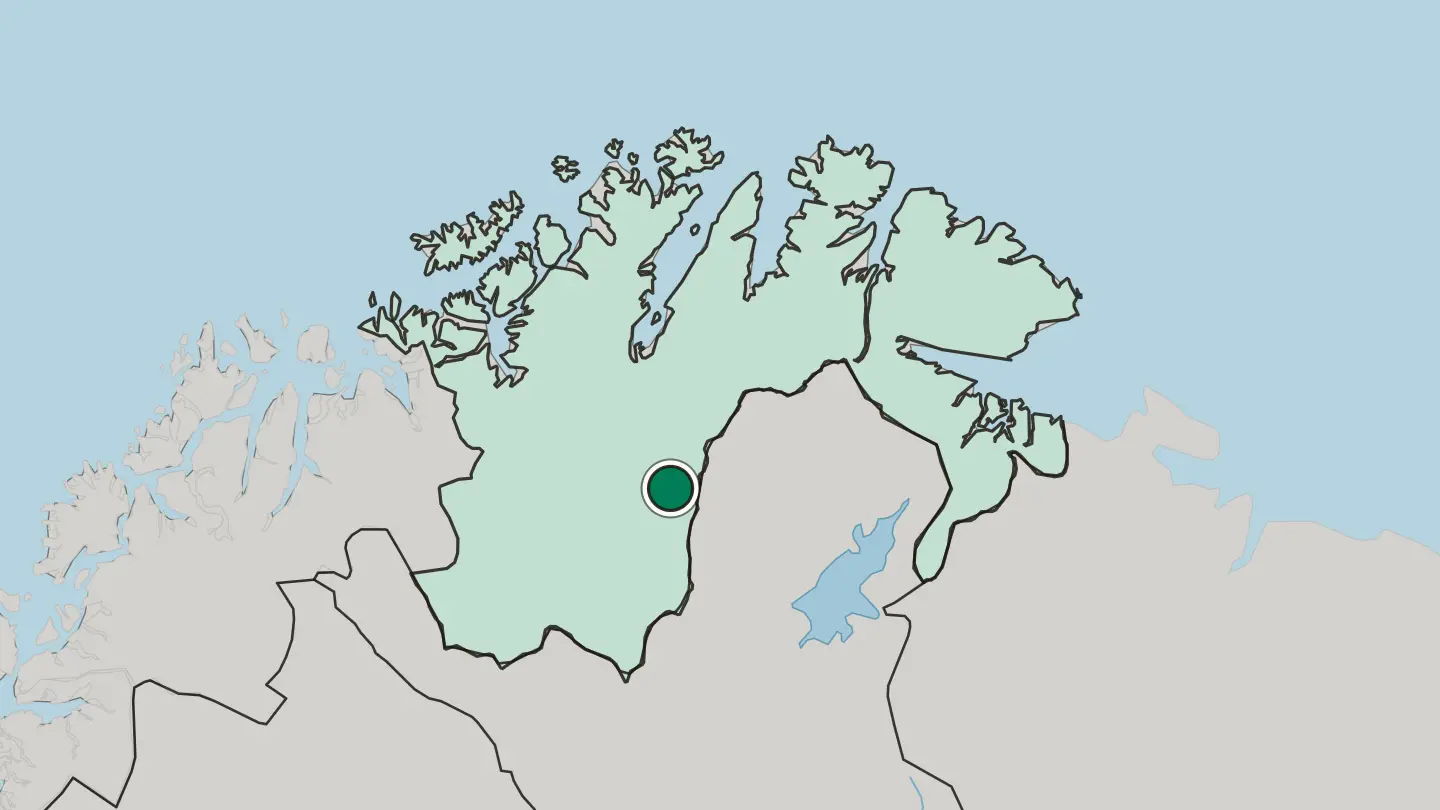
 Norway
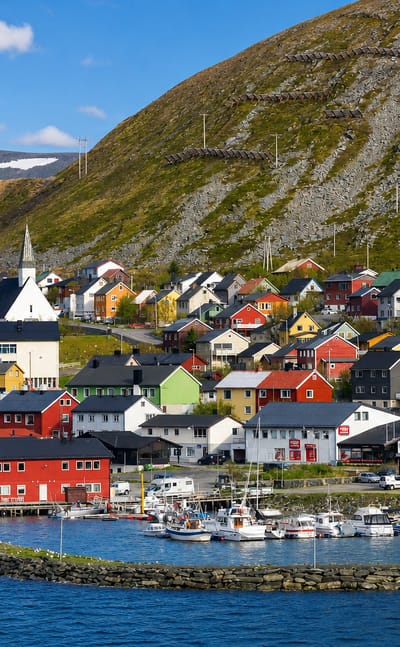
Ávanuorri
Ávanuorri, or Havøysund, is a coastal town in Måsøy, in the northern part of Finnmark, northern Norway.Where to stay →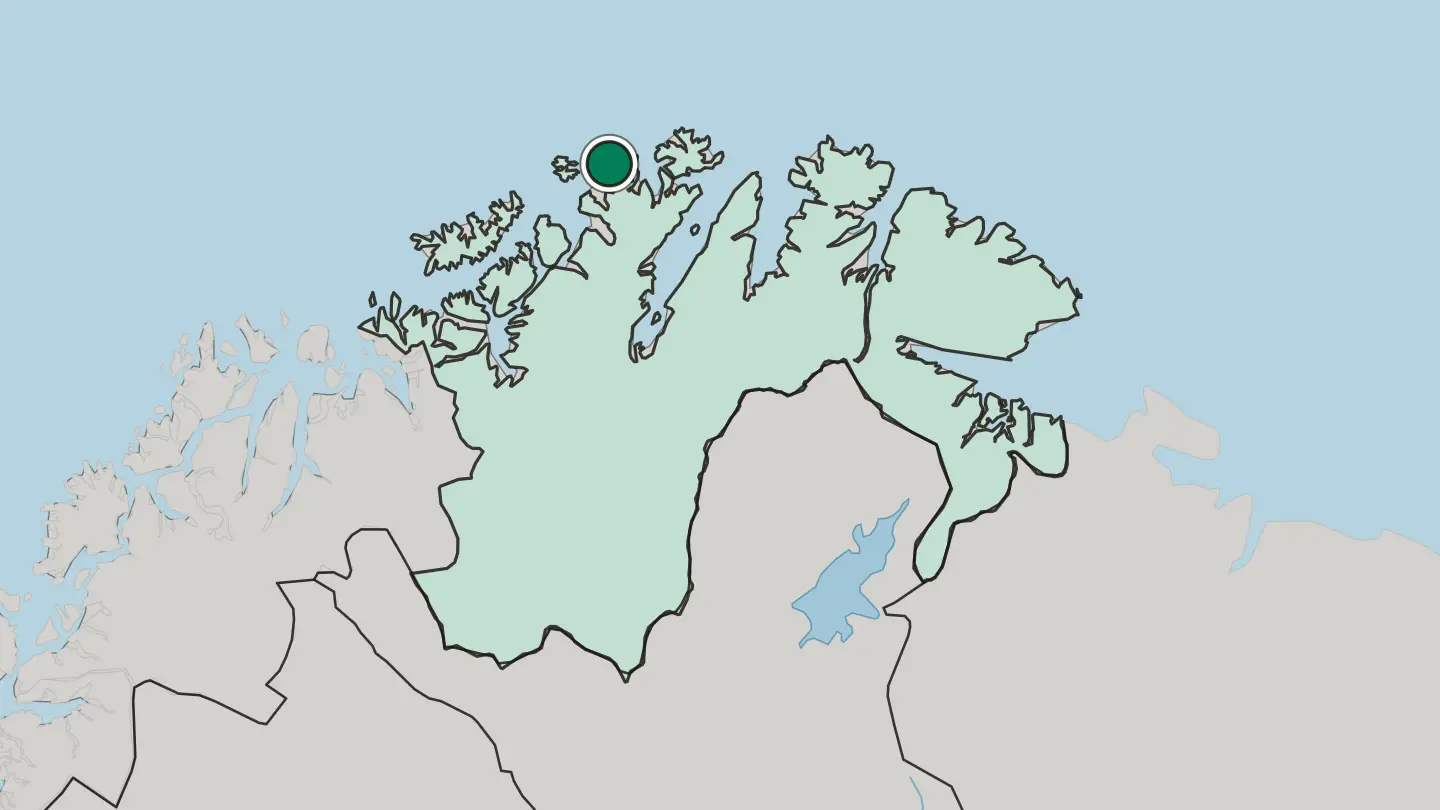
 Norway
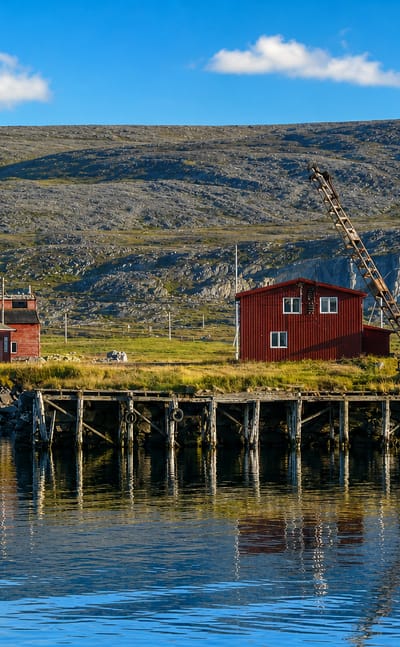
Kjøllefjord
Kjøllefjord is a coastal fishing town in Lebesby, in the north-eastern part of Finnmark, northern Norway.Where to stay →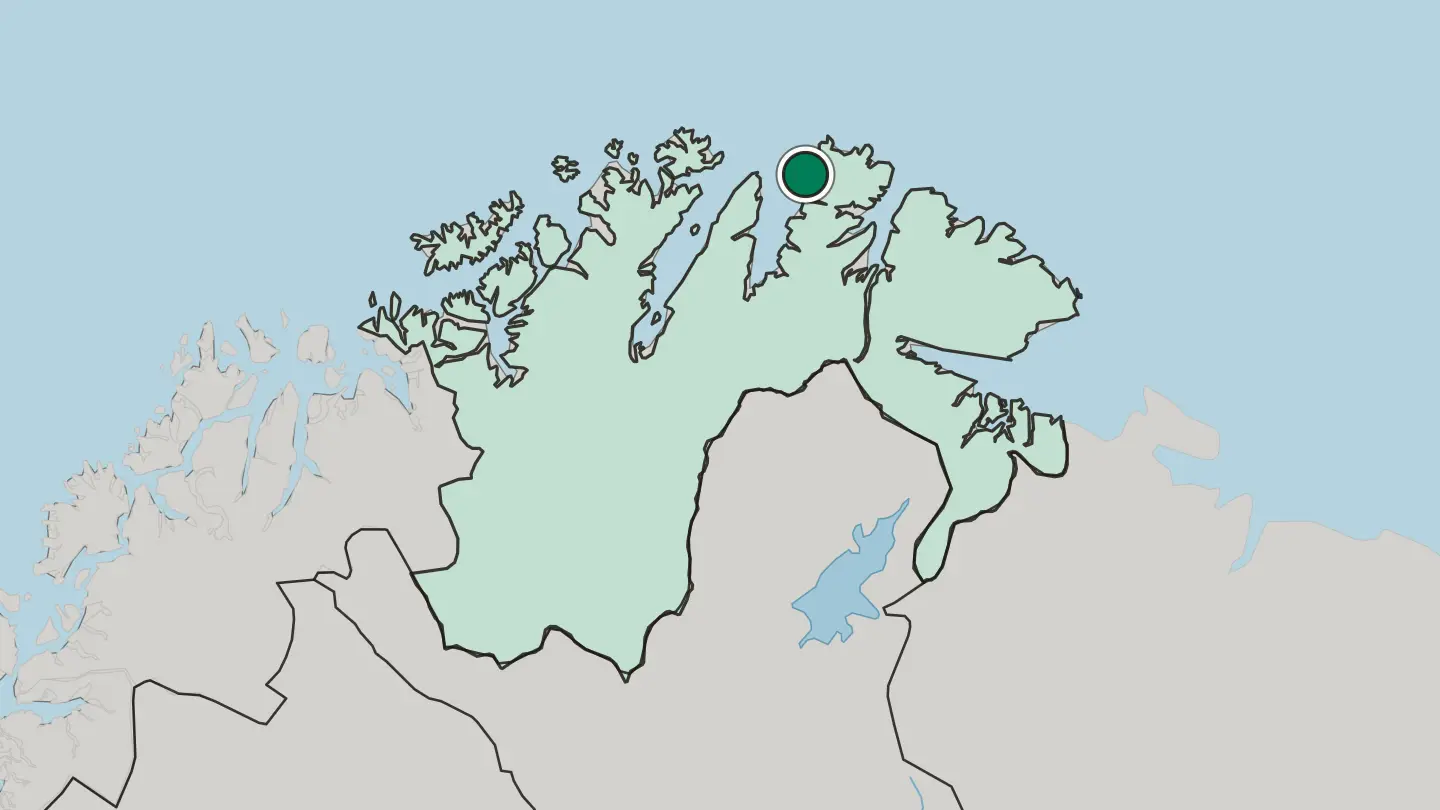
 Norway
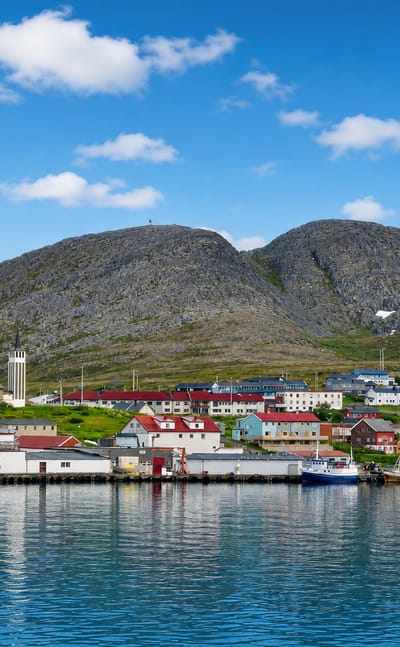
Berlevåg
Berlevåg is a coastal fishing town in the north-eastern part of Finnmark, in northern Norway.Where to stay →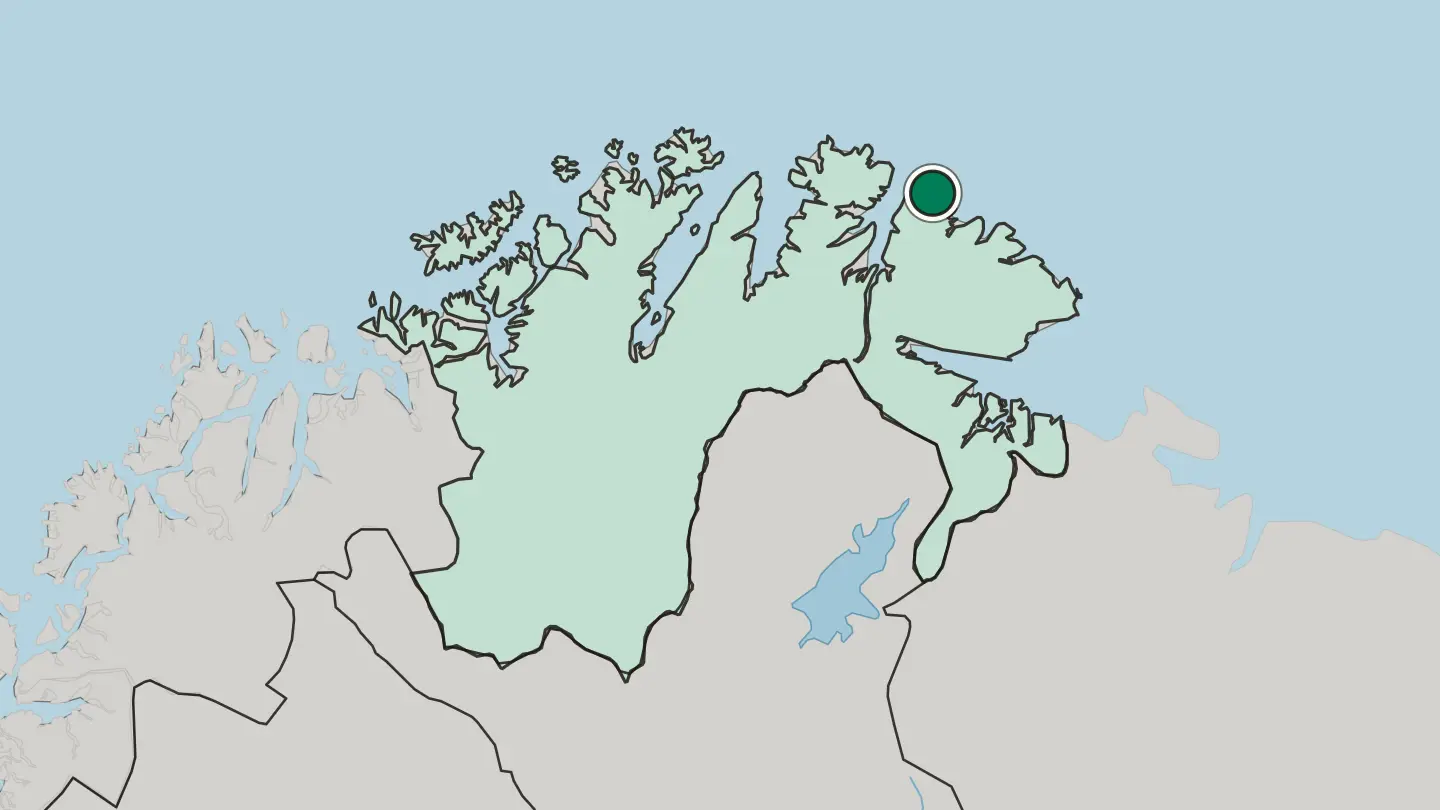
 Norway
Mehamn
Mehamn is a coastal fishing town in Gamvik, in the north-eastern part of Finnmark, northern Norway.Where to stay →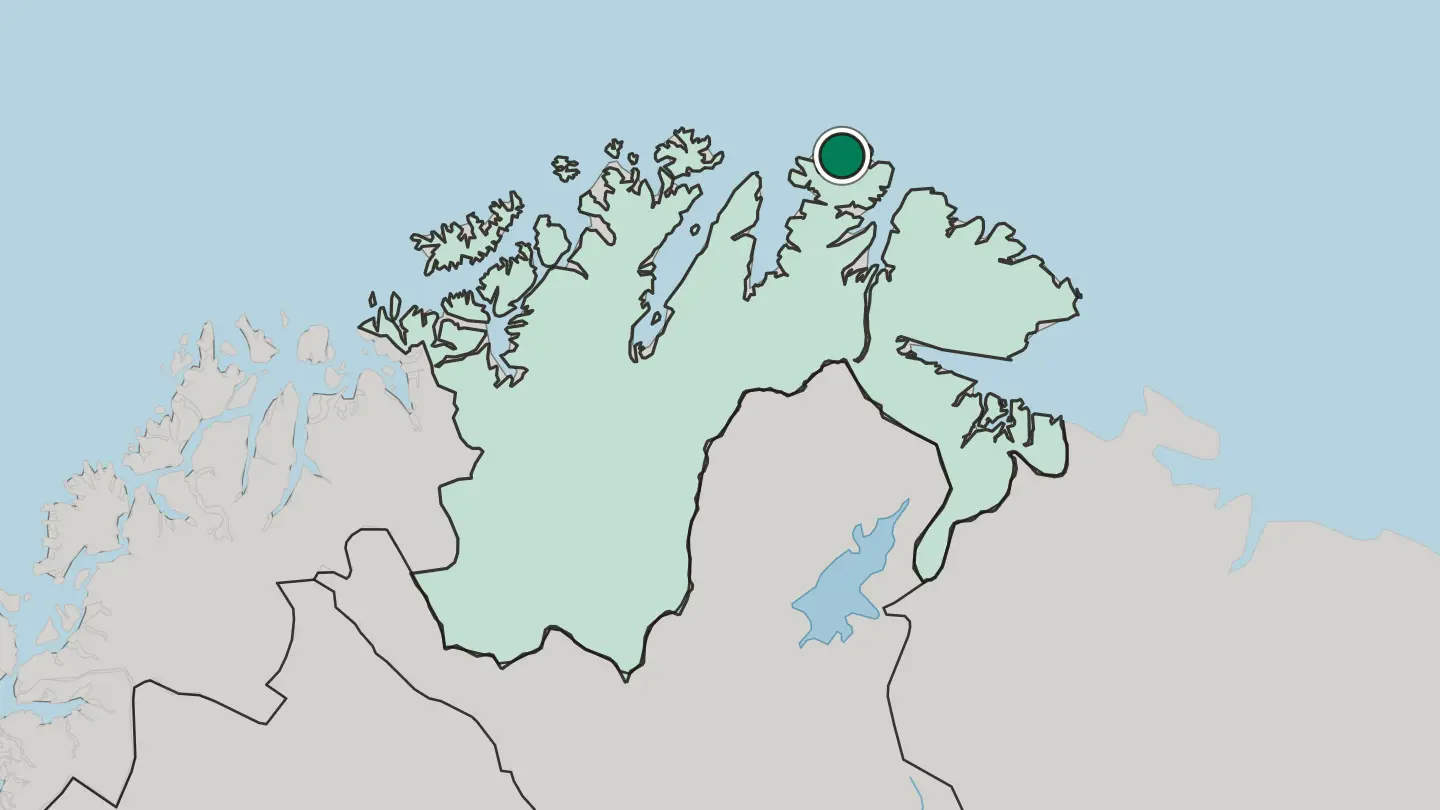
 Norway
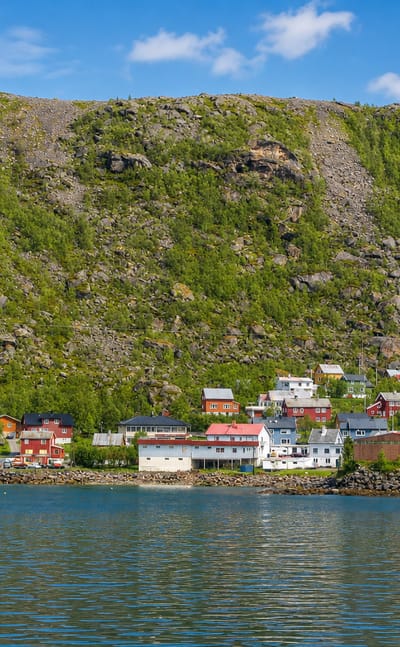
Øksfjord
Øksfjord is the small administrative centre of Loppa, a fjord-side ferry port in northern Norway.Where to stay →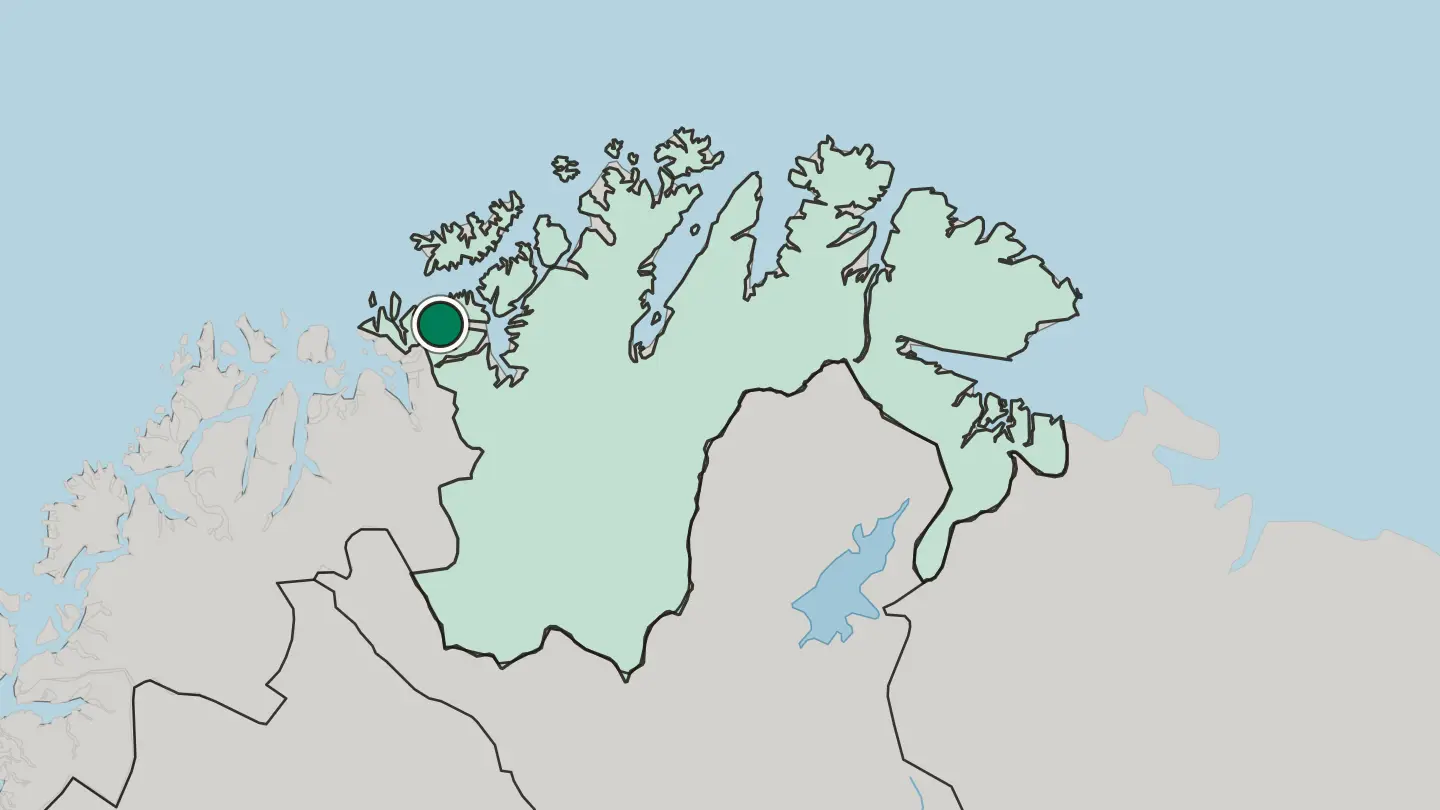 Norway
Breivikbotn
Breivikbotn is a fishing village on the island of Sørøya, the seat of Hasvik in northern Norway.Where to stay →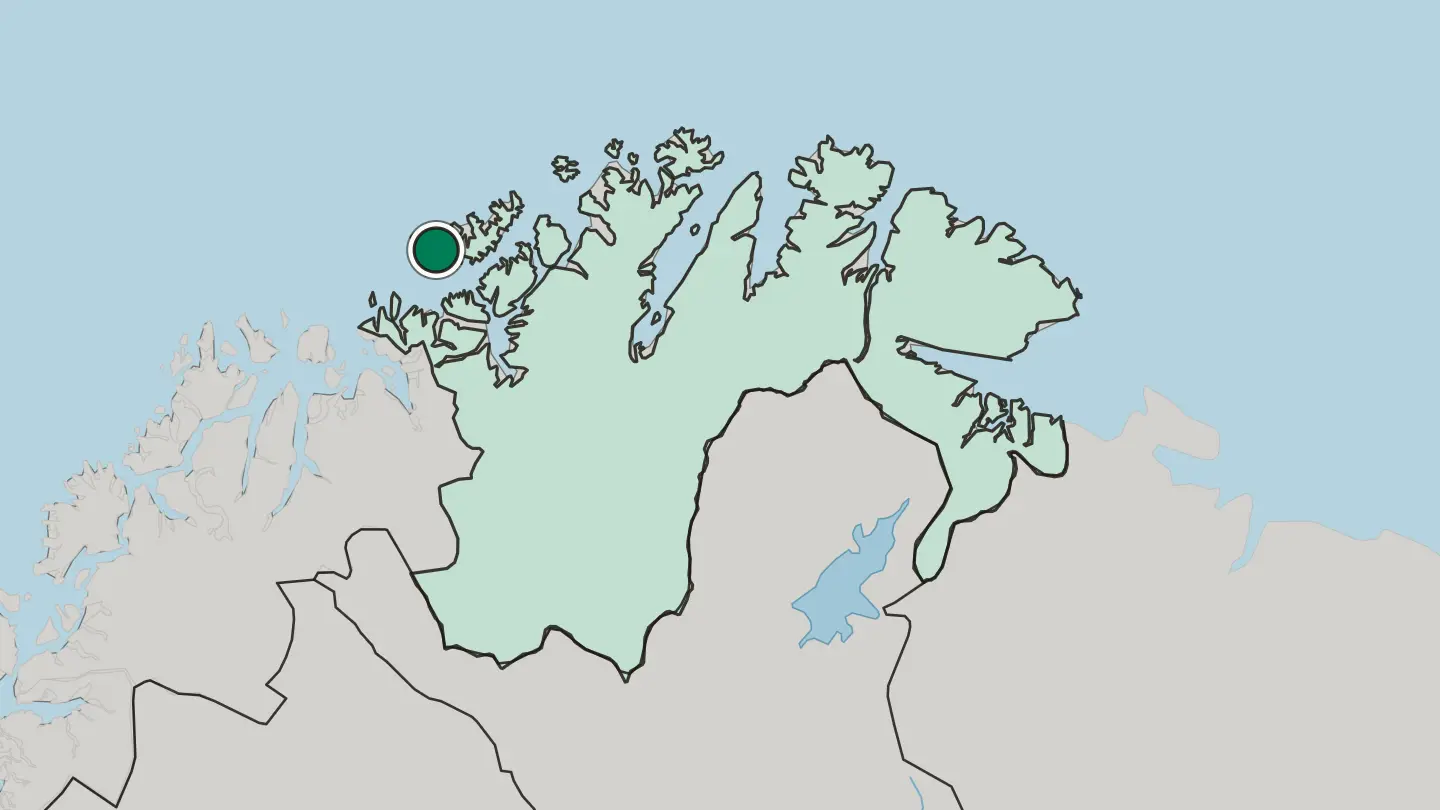
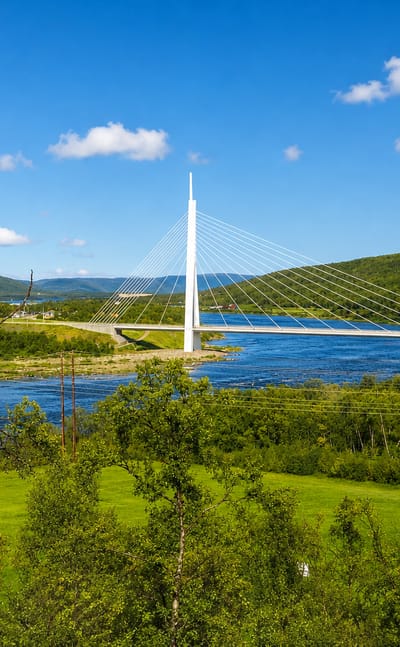 Norway
Tana Bru
Tana Bru is the seat of Deatnu-Tana, a riverside hub on the Tana River in eastern Finnmark.Where to stay →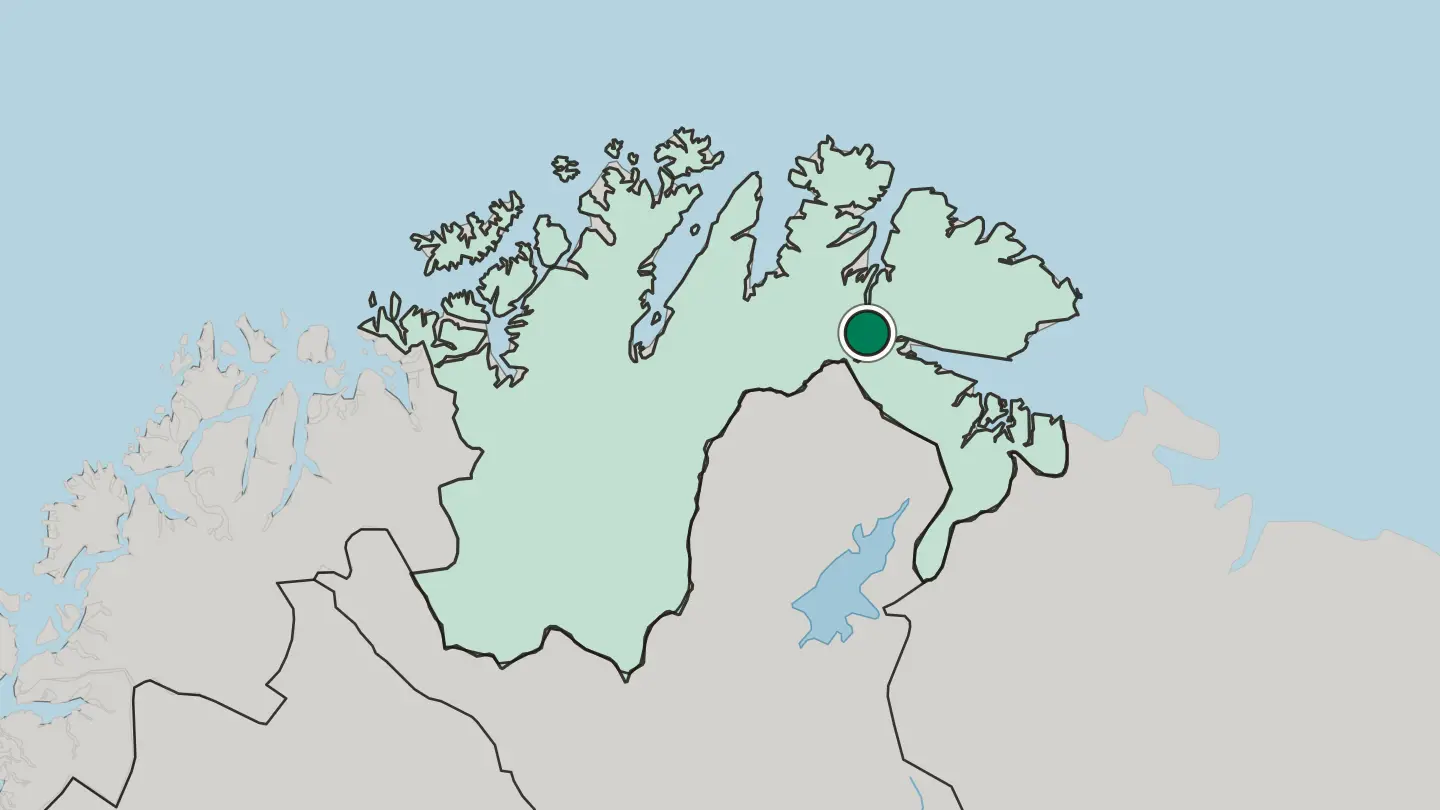
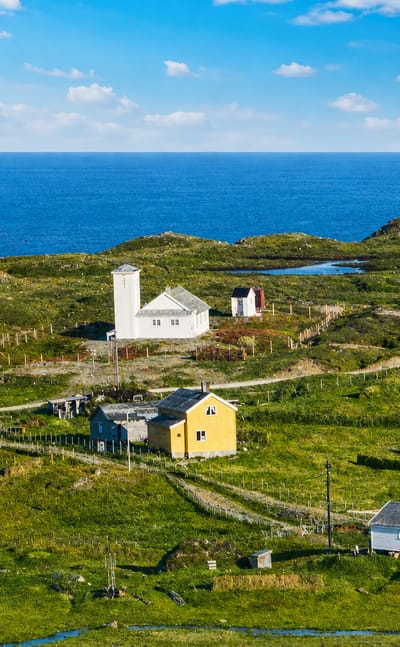 Norway
Vuonnabahta
Vuonnabahta, or Varangerbotn, sits at the head of the Varangerfjorden in eastern Finnmark, northern Norway.Where to stay →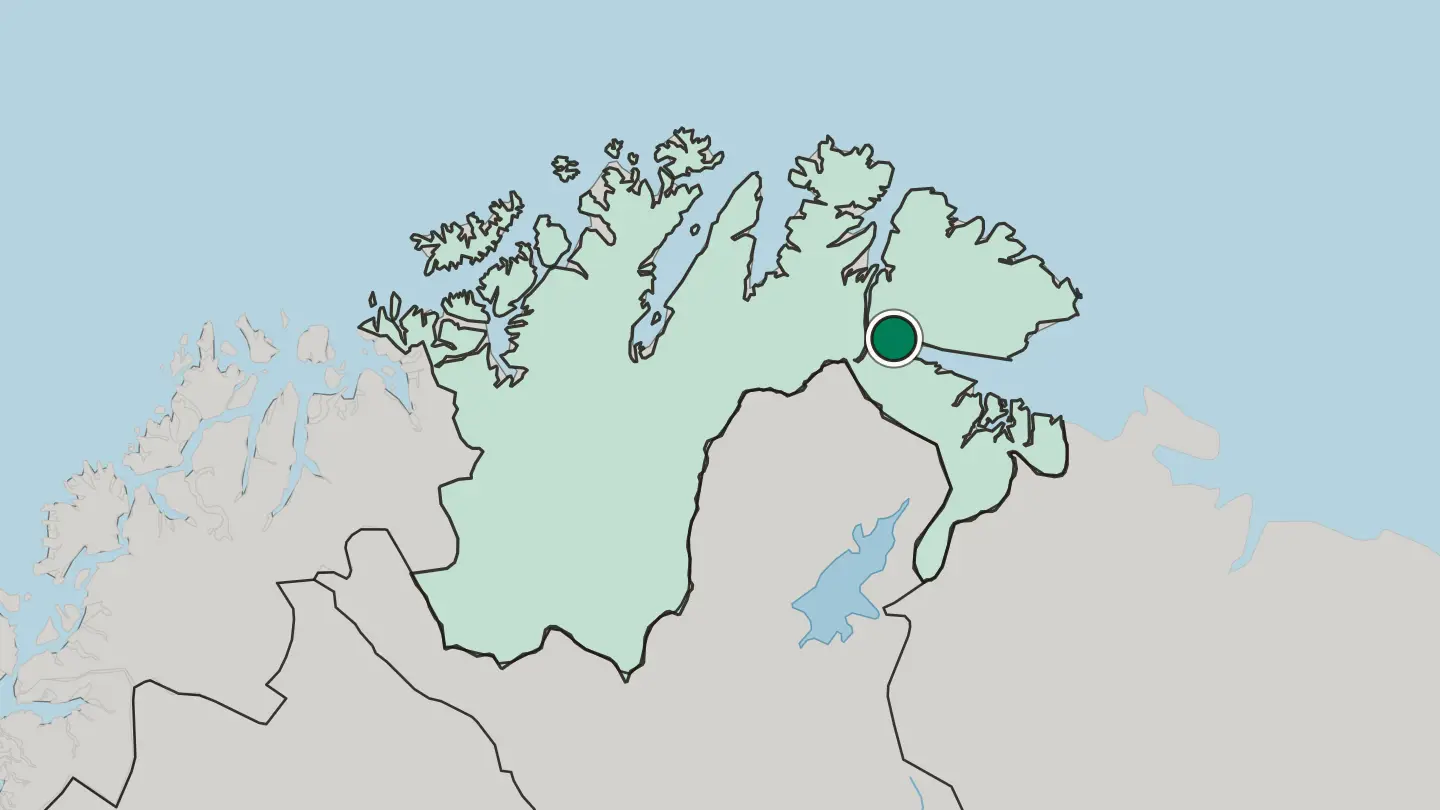
Hotel links are affiliate links: booking through them may earn us a commission, at no extra cost to you. It never affects how places are ranked. How this works
About Finnmark
Finnmark is the top of Norway.
What is Finnmark known for?
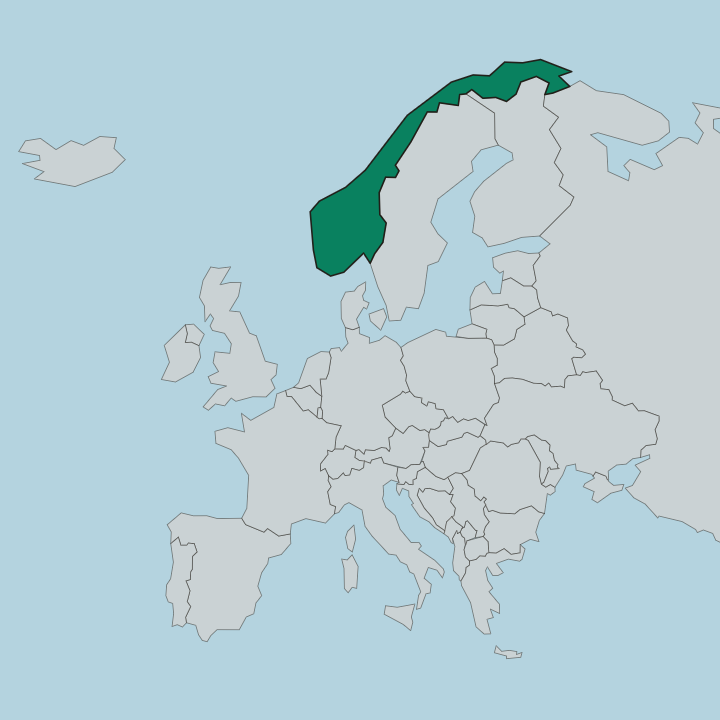
It is known as the country's northernmost county and the northernmost part of mainland Europe, the largest fylke by area yet the smallest in people, reaching across the far north of the Nord-Norge region toward the Barents Sea. The county also marks the easternmost part of Norway, bordering Finland and Russia. North, east, and Arctic.
Where is Finnmark?
Finnmark is Norway's northernmost and largest county by area, a vast Arctic fylke set within the Arctic Circle in the far north of the Nord-Norge region. The far north shapes all of it. The county stretches from the Troms border in the west to the frontier with Russia in the east, fronting the Norwegian Sea to the north-west and the Barents Sea to the north and north-east, a huge expanse of Arctic coast and tundra above the rest of the continent.
Biggest fylke, fewest people. It is the easternmost part of Norway. Finnmark borders Finland's Lapland to the south and reaches the northernmost point of mainland Europe, where the land of the Nord-Norge region runs out into the Barents Sea.
Known in Sámi as Finnmárkku fylka, the county spreads across an enormous Arctic interior of plateau and coast. The reach of this far-northern land is its defining trait. Arctic coast, vast tundra, and immense distance: that is the geography of Finnmark.
What is Finnmark like?
Finnmark carries the culture of the high Arctic. The county belongs to the far north of the Nord-Norge region, and its Sámi name, Finnmárkku fylka, marks the deep Sámi heritage that runs through this northernmost part of Norway alongside its Norwegian communities. Two peoples, one Arctic land.
The far north shapes the way of life. Its small communities are spread across an immense Arctic expanse between the Troms border and the frontier with Russia, giving Finnmark a remote northern character unlike anywhere further south. A deep Sámi presence is woven through the fylke, reflected in the very name Finnmárkku fylka, and the bordering reach of Finland to the south colours the cultural edges of the region.
Between Norwegian, Sámi, and Arctic frontier, Finnmark holds the layered culture of Norway's far north.
What is the history of Finnmark?
Finnmark took shape as a county in 1919. The northernmost fylke of Norway has held its name through the shifts of the country's administrative map, anchoring the far north-eastern corner of the Nord-Norge region. Its Sámi roots reach back much further.
The name Finnmárkku fylka reflects the long Sámi presence across this Arctic land between the Troms border and the frontier with Russia. The county endures as Norway's far-northern frontier.
What is the climate of Finnmark?
Finnmark lies within the Arctic Circle. Its far-northern position drives long and bitter winters and brief, bright summers across the Nord-Norge region, with the open water of the Barents Sea tempering the coast while the inland plateau turns sharply colder. Winter owns the dark months.
The Arctic reach that makes this the northernmost part of mainland Europe, known in Sámi as Finnmárkku fylka, sets a climate far harsher than the south of Norway. Polar nights run long here.
How do you get to Finnmark?
Finnmark lies at the top of Norway. Reaching the county means a long journey into the far north of the Nord-Norge region, past the Troms border and well above the rest of mainland Europe. The far north takes real effort.
Because Finnmark spreads from the Barents Sea coast to the frontiers with Finland and Russia, the way in depends on which corner of the county you are bound for. Plan the long approach to the Arctic.
Common questions
What is the best area to stay in Finnmark?
Coastal Finnmark: travellers wanting an Arctic base along the Barents Sea. Inland Finnmark: visitors heading toward the Finland and Russia frontiers.
Good for
More regions in Norway
Updated September 2026