Norway
Troms (fylke), Norway — Towns & Travel Guide
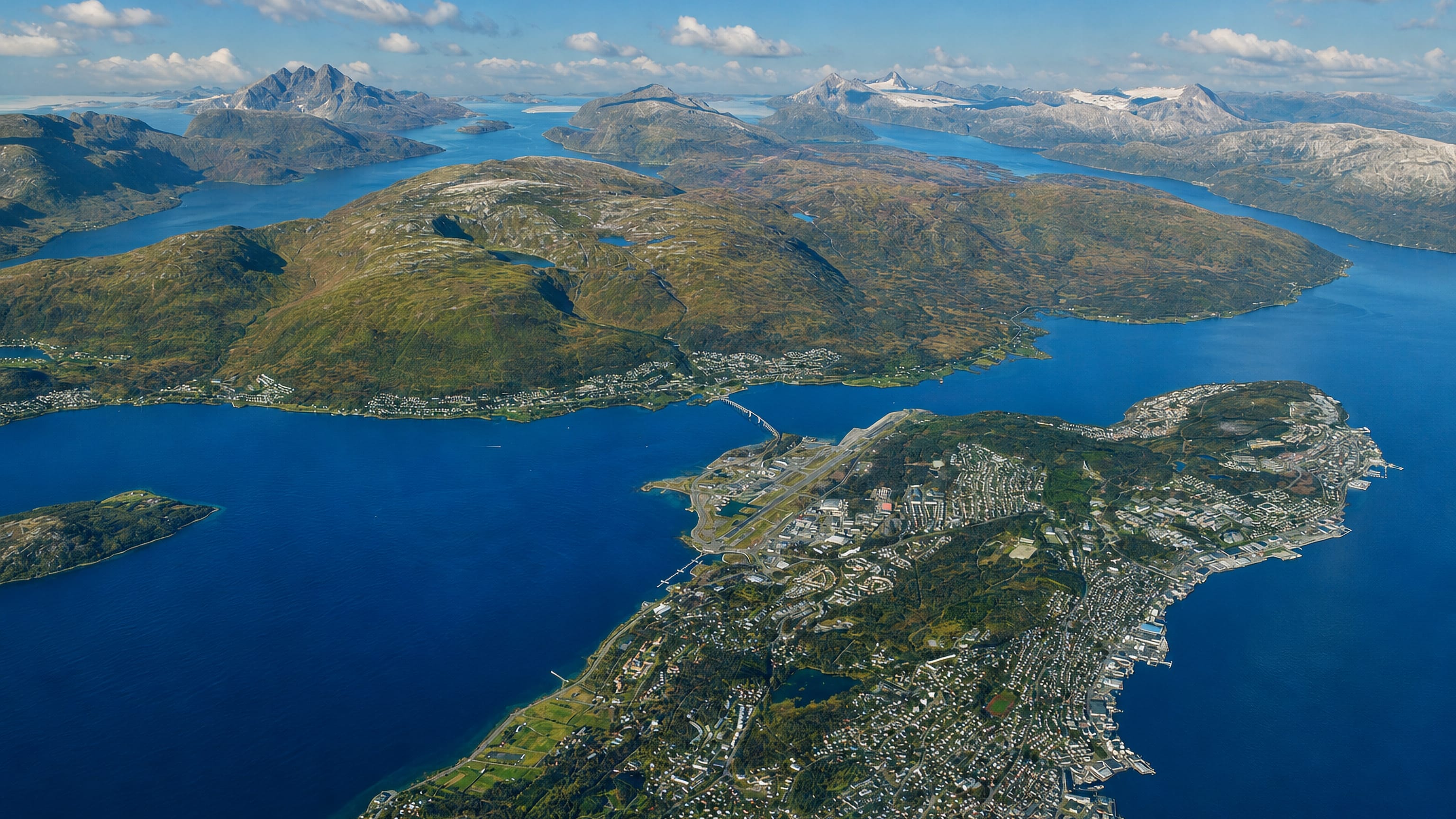
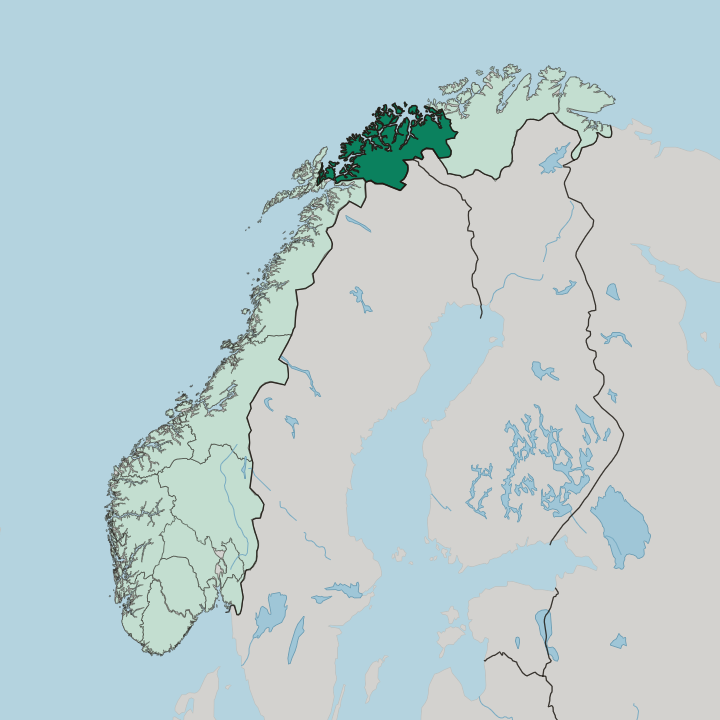
Troms is a county in northern Norway, a fylke of the Nord-Norge region also known by its Sámi name, Romssa fylka.
Hotel links are affiliate links: booking through them may earn us a commission, at no extra cost to you. It never affects how places are ranked. How this works


Towns & cities in Troms
Pick a town or city — each links to where to stay.
 Norway
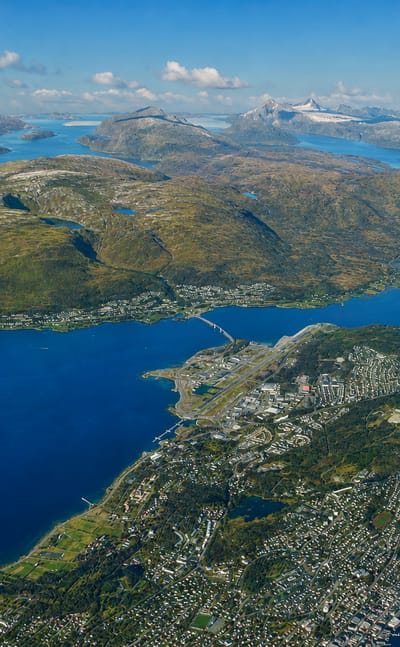
Tromsø
Tromsø is an Arctic island city on Tromsøya, in the northern part of Troms, in northern Norway.Where to stay →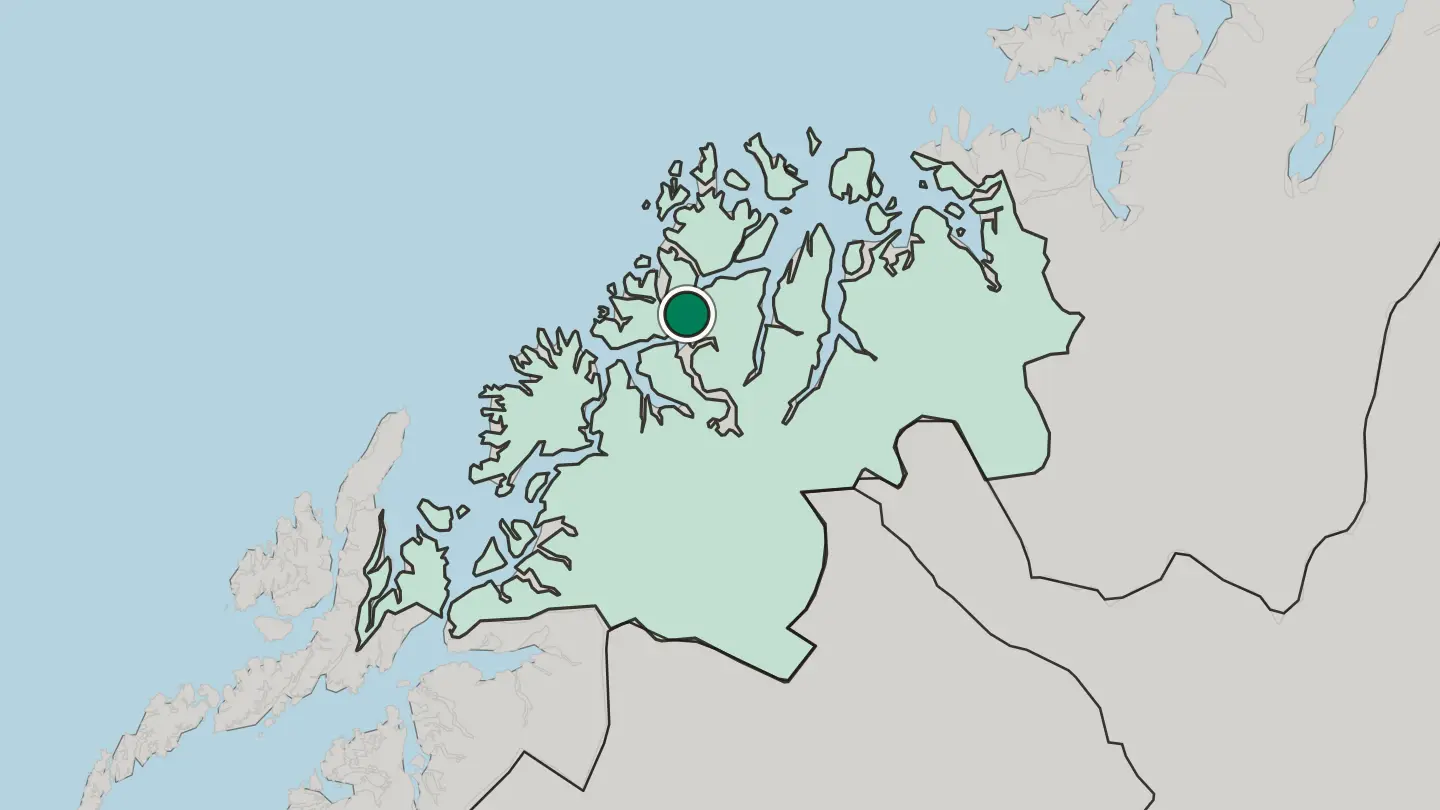
 Norway
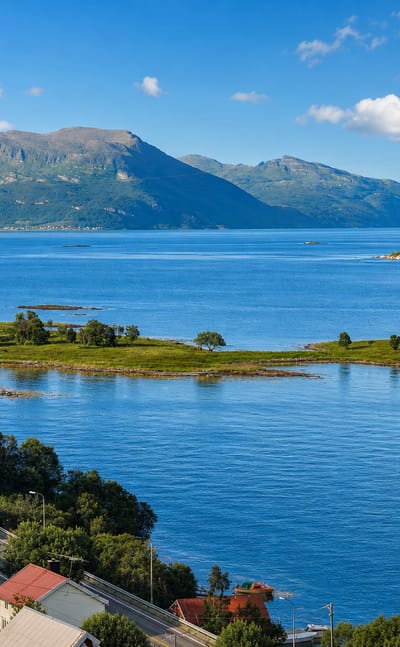
Harstad
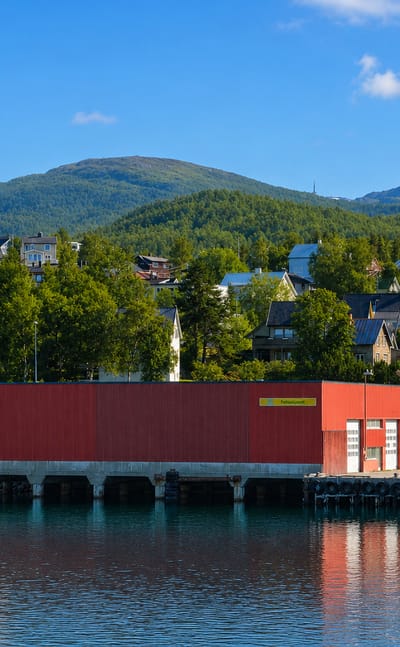
Harstad is a coastal city on the island of Hinnøya, in the south-western part of Troms, in northern Norway.Where to stay →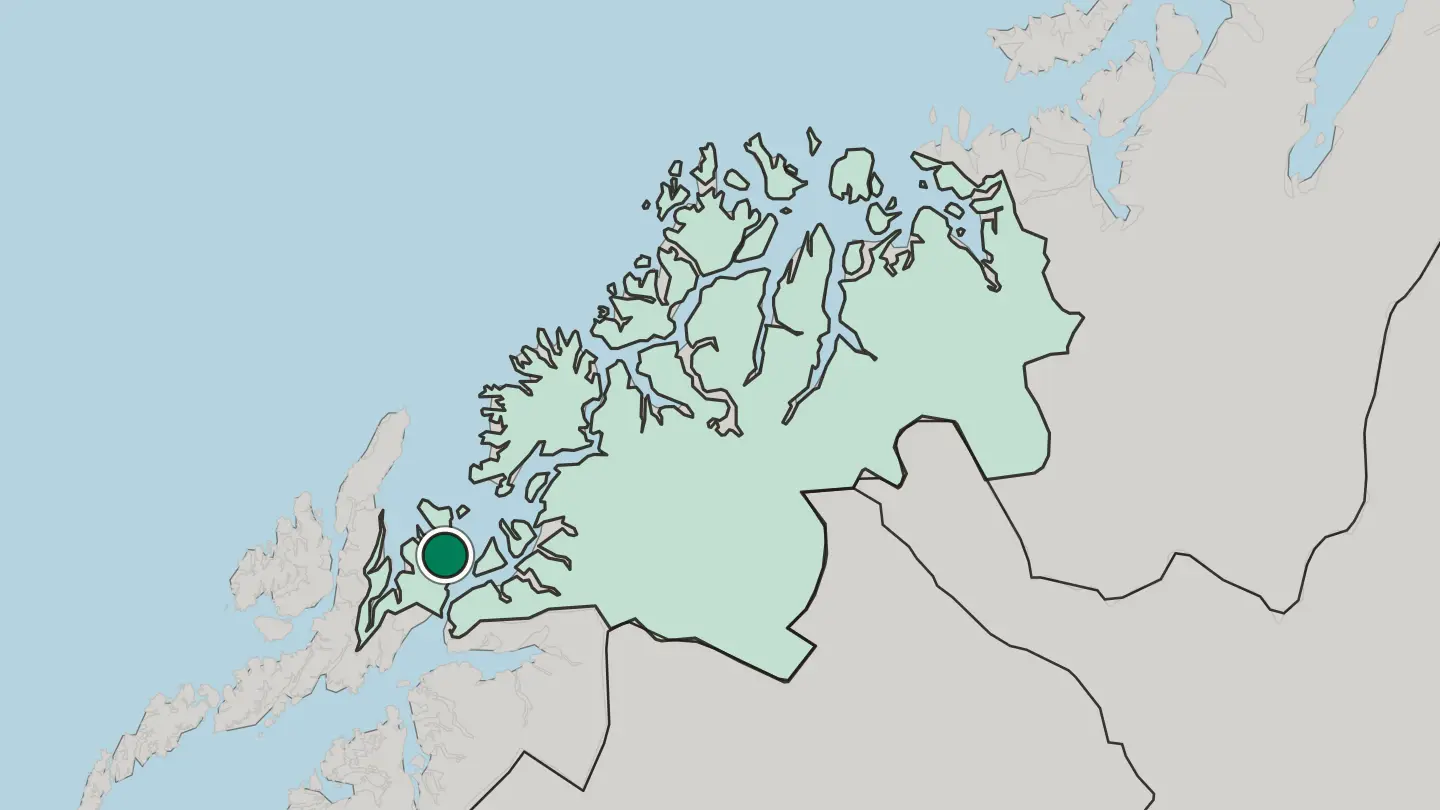
 Norway
Finnsnes
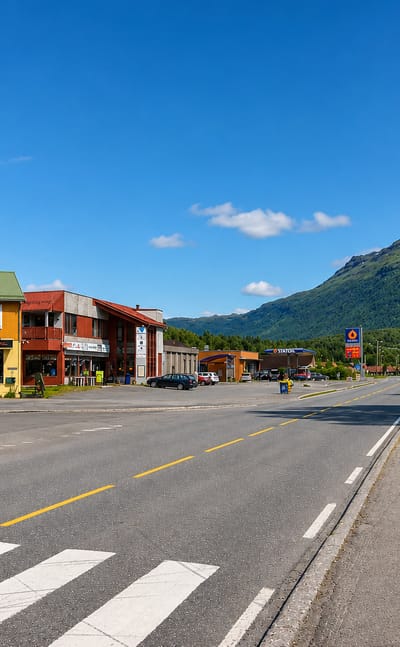
Finnsnes is a small coastal town in the western part of Troms, in northern Norway.Where to stay →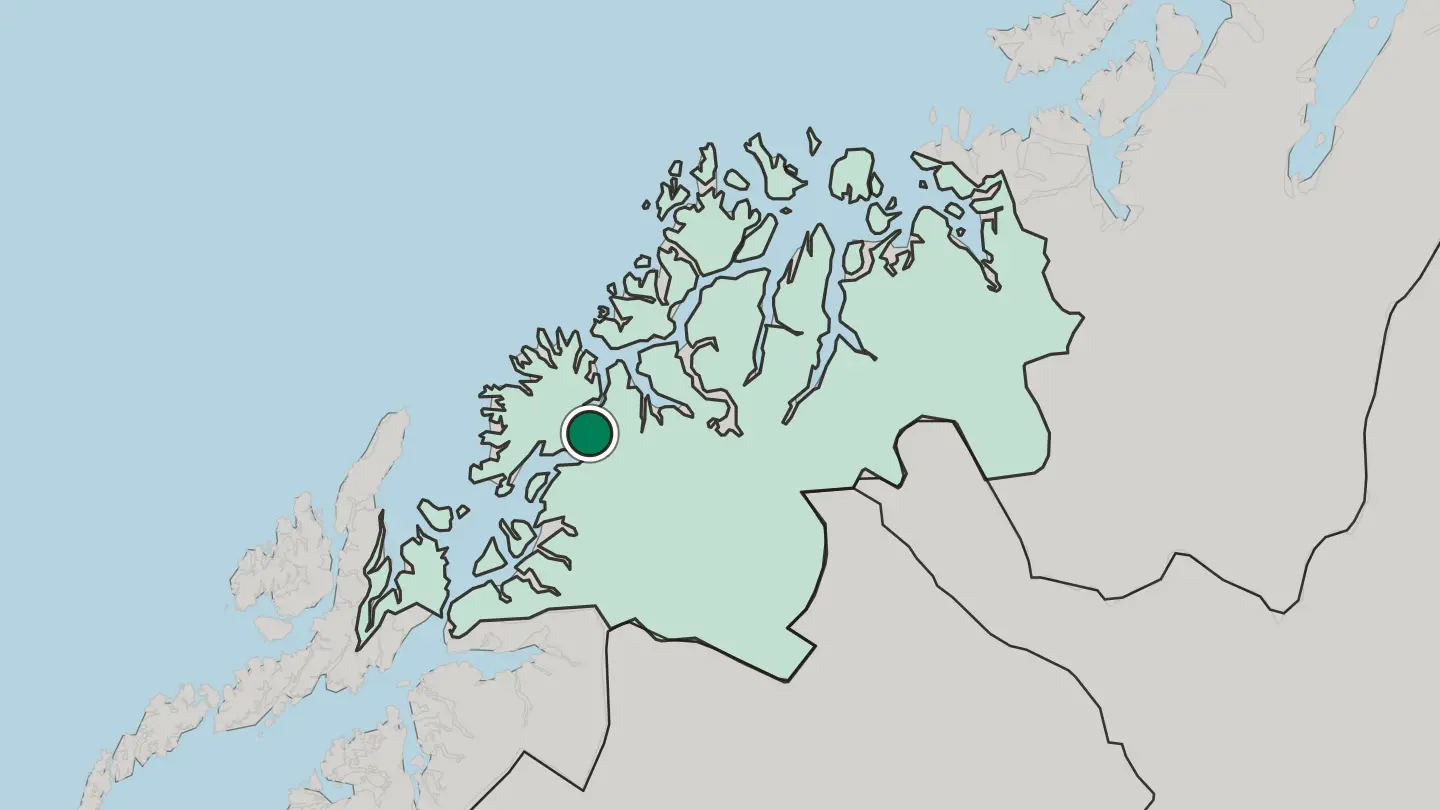
 Norway
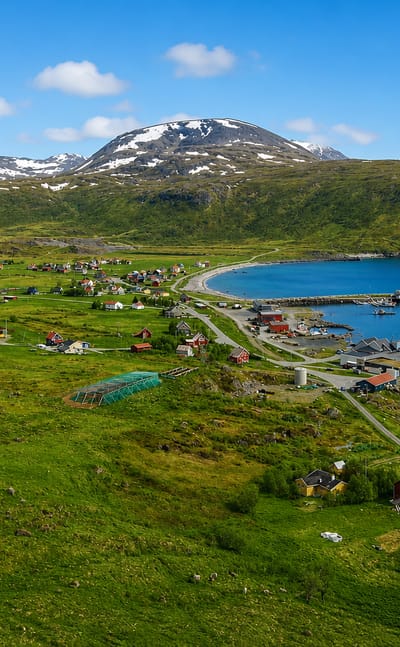
Setermoen
Setermoen is an inland town on the Barduelva river, in the south-western part of Troms, in northern Norway.Where to stay →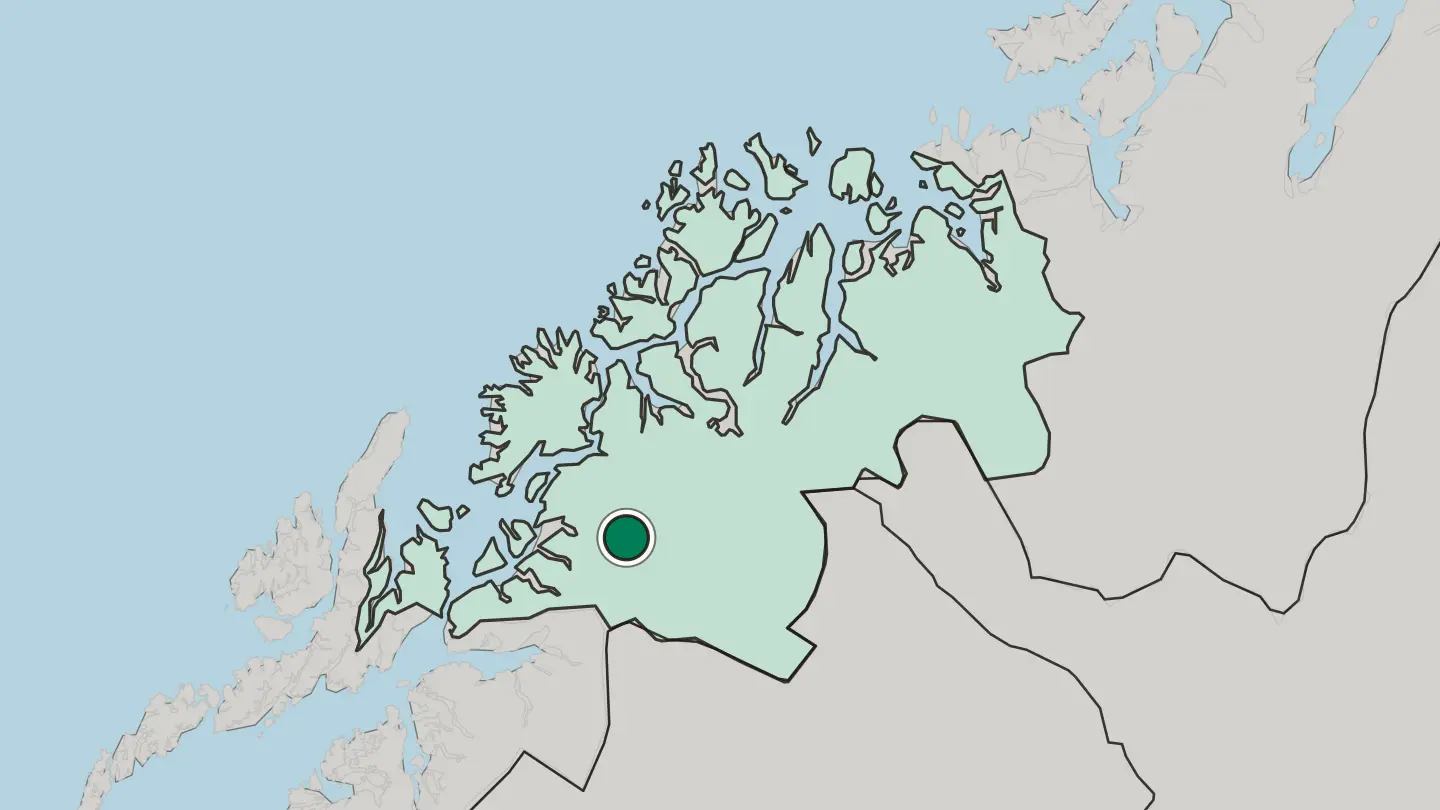
 Norway
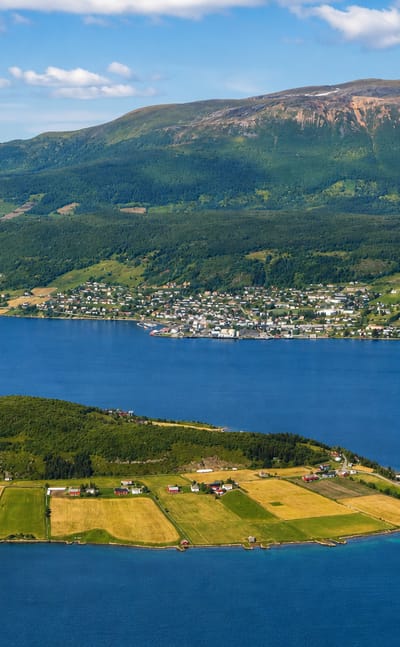
Skjervøy
Skjervøy is a coastal fishing town in the north-eastern part of Troms, in northern Norway.Where to stay →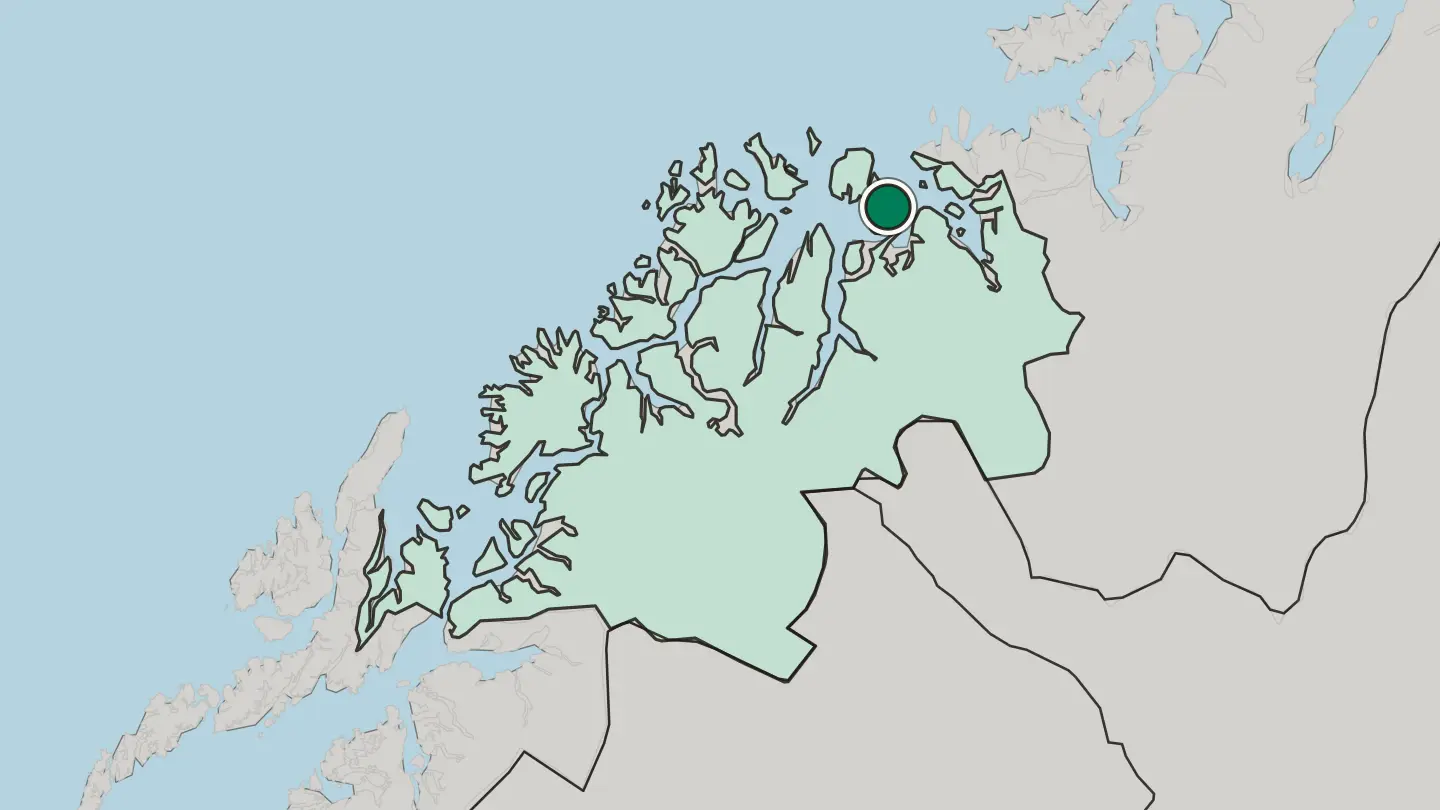
 Norway
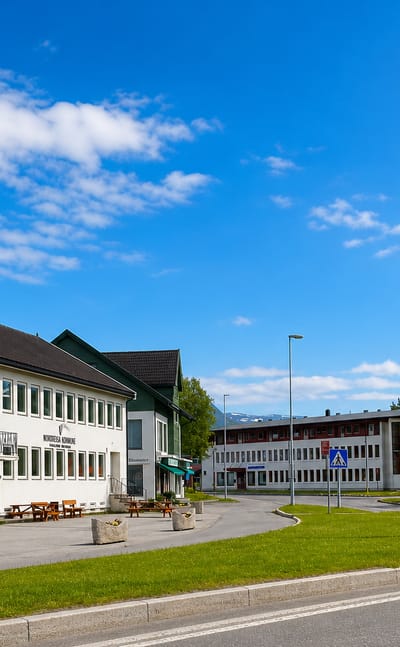
Borkenes
Borkenes is a small coastal town in the Kvæfjord district, in the south-western part of Troms, northern Norway.Where to stay →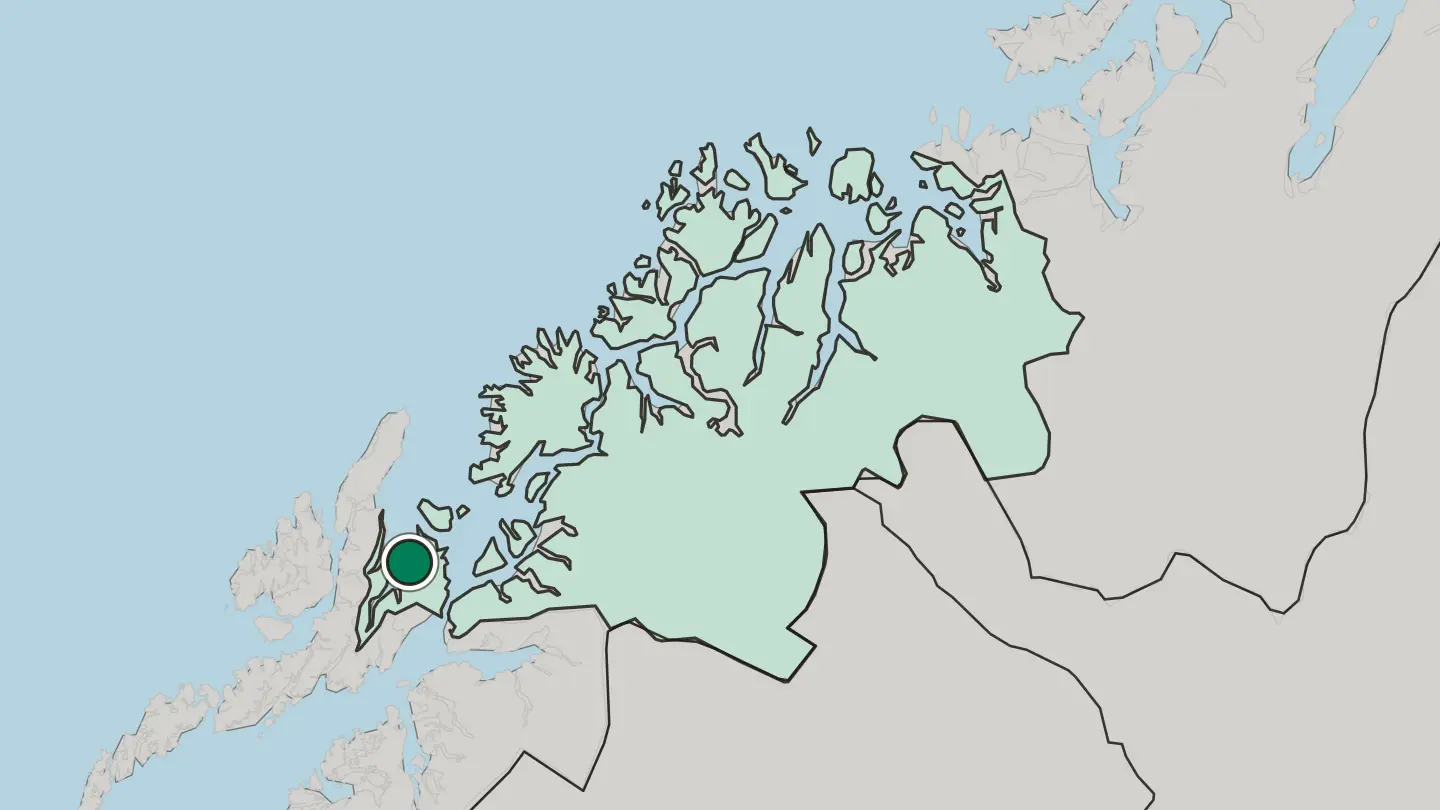
 Norway
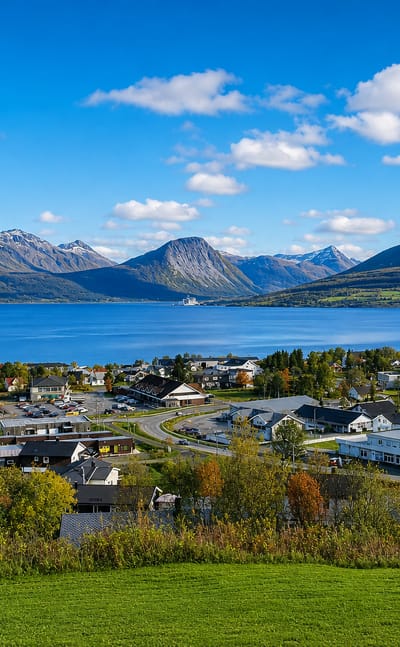
Storslett
Storslett is a small town and the centre of Nordreisa, in the north-eastern part of Troms, northern Norway.Where to stay →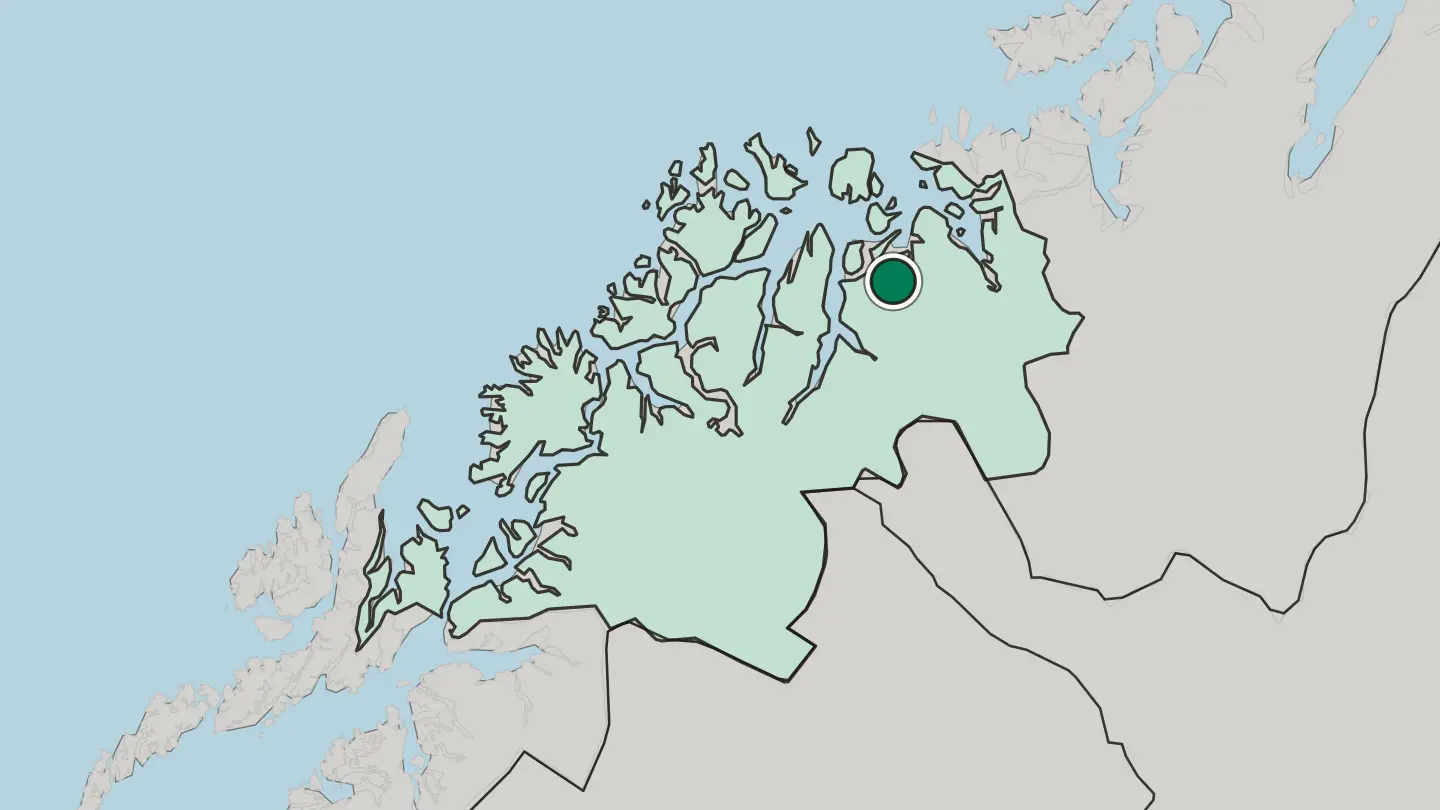
 Norway
Storsteinnes
Storsteinnes, called Eljasnjárga in Northern Sami, is the seat of Balsfjord Municipality on the Balsfjord shore in northern Norway.Where to stay →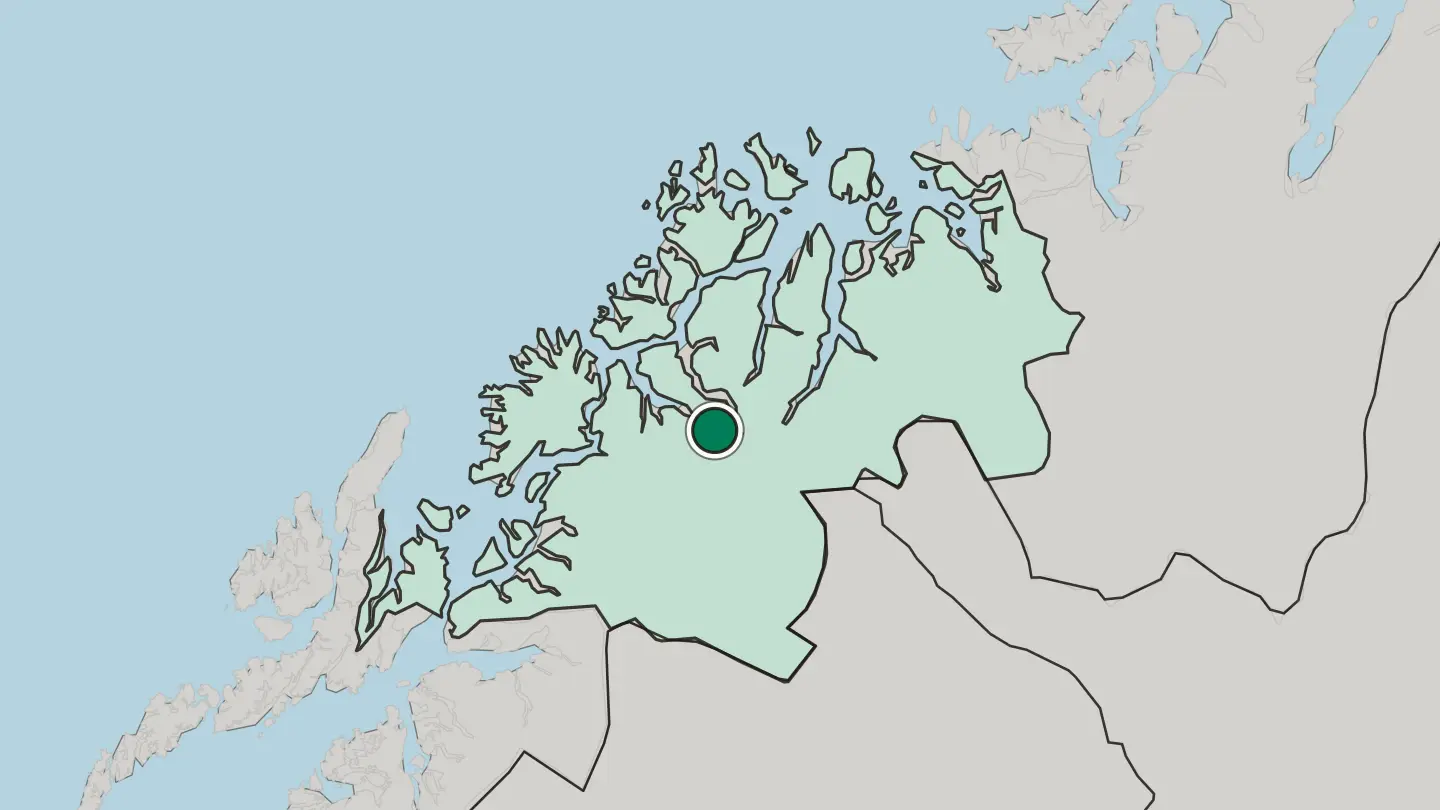
All towns & cities (21)
Norway
Moen
Moen is the administrative center of Målselv Municipality in the western part of Troms, in northern Norway, gathered around Målselv Church.Where to stay →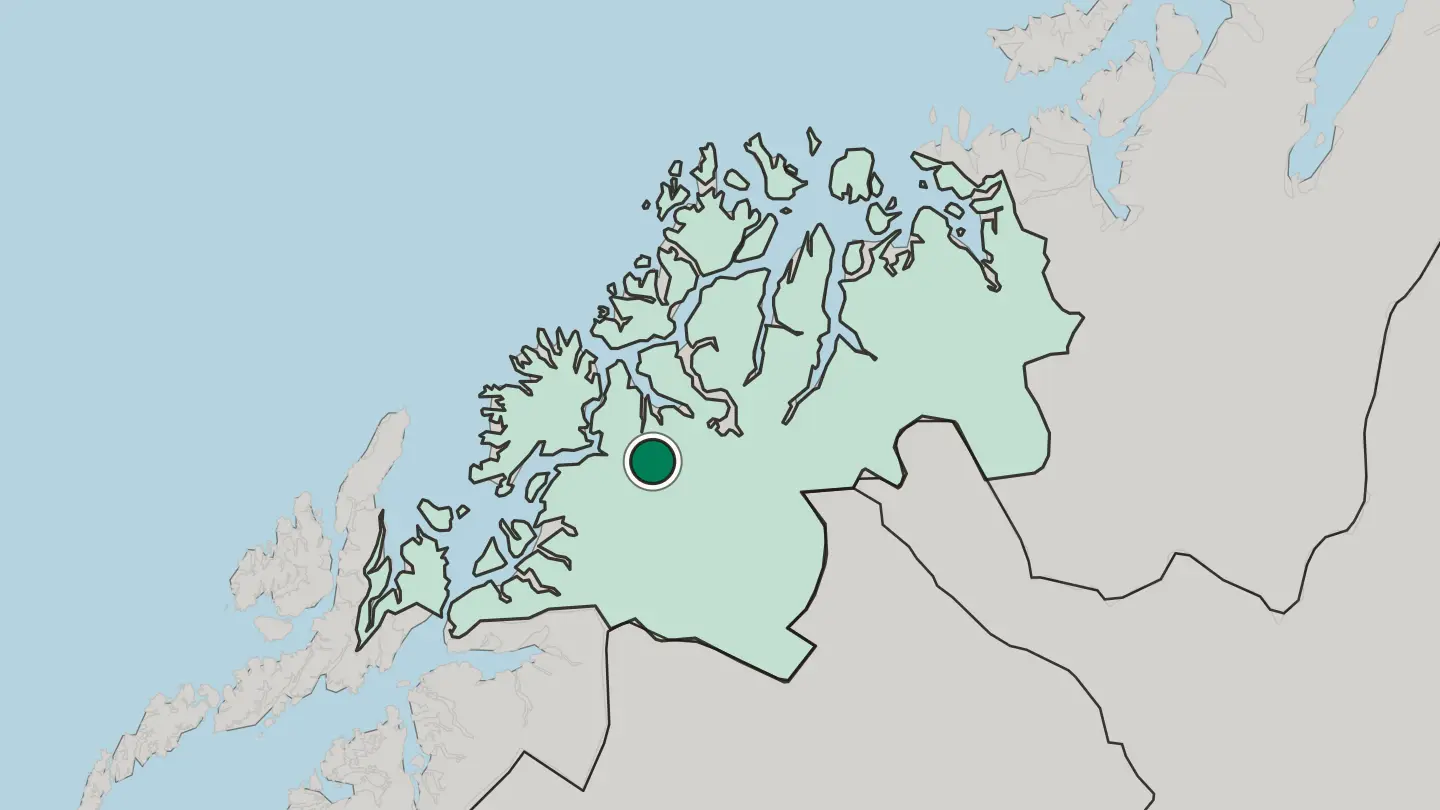
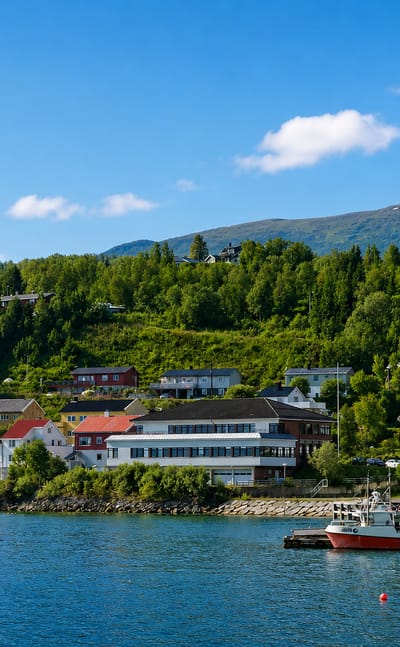 Norway
Lyngseidet
Lyngseidet is the administrative center of Lyngen Municipality in the north-eastern part of Troms, in northern Norway.Where to stay →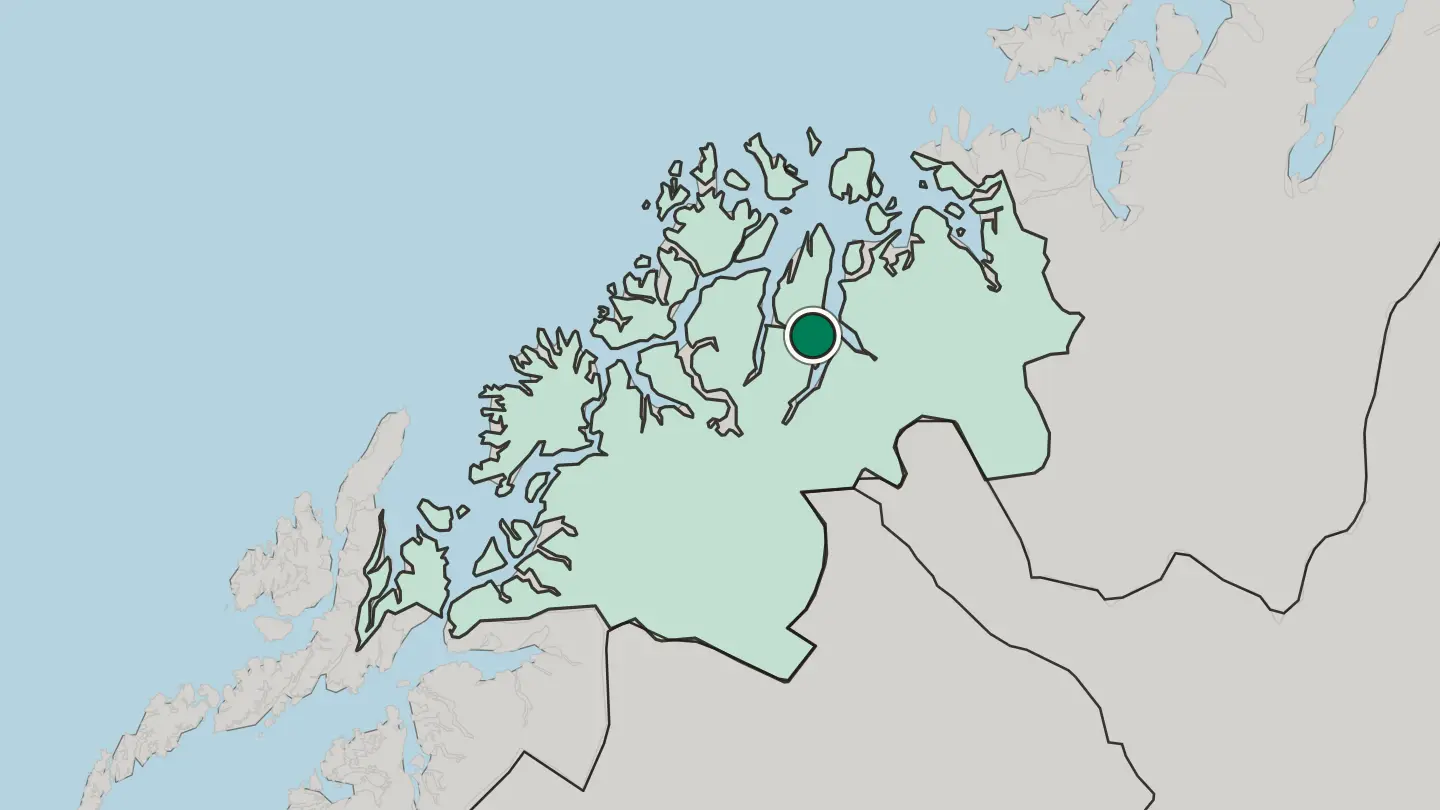
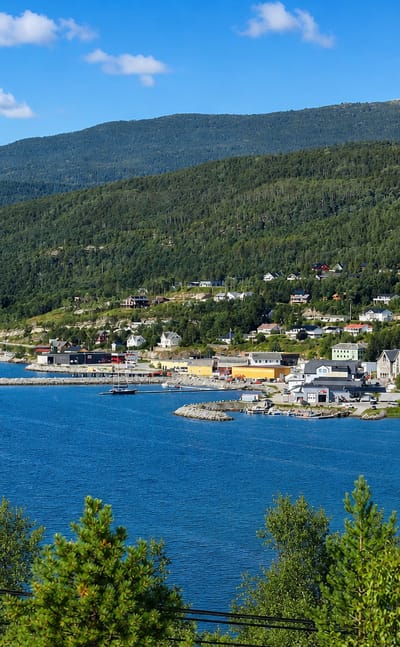 Norway
Sjøvegan
Sjøvegan, seat of Salangen Municipality, stands where the Salangselva river meets Sagfjorden in the south-western part of Troms, northern Norway.Where to stay →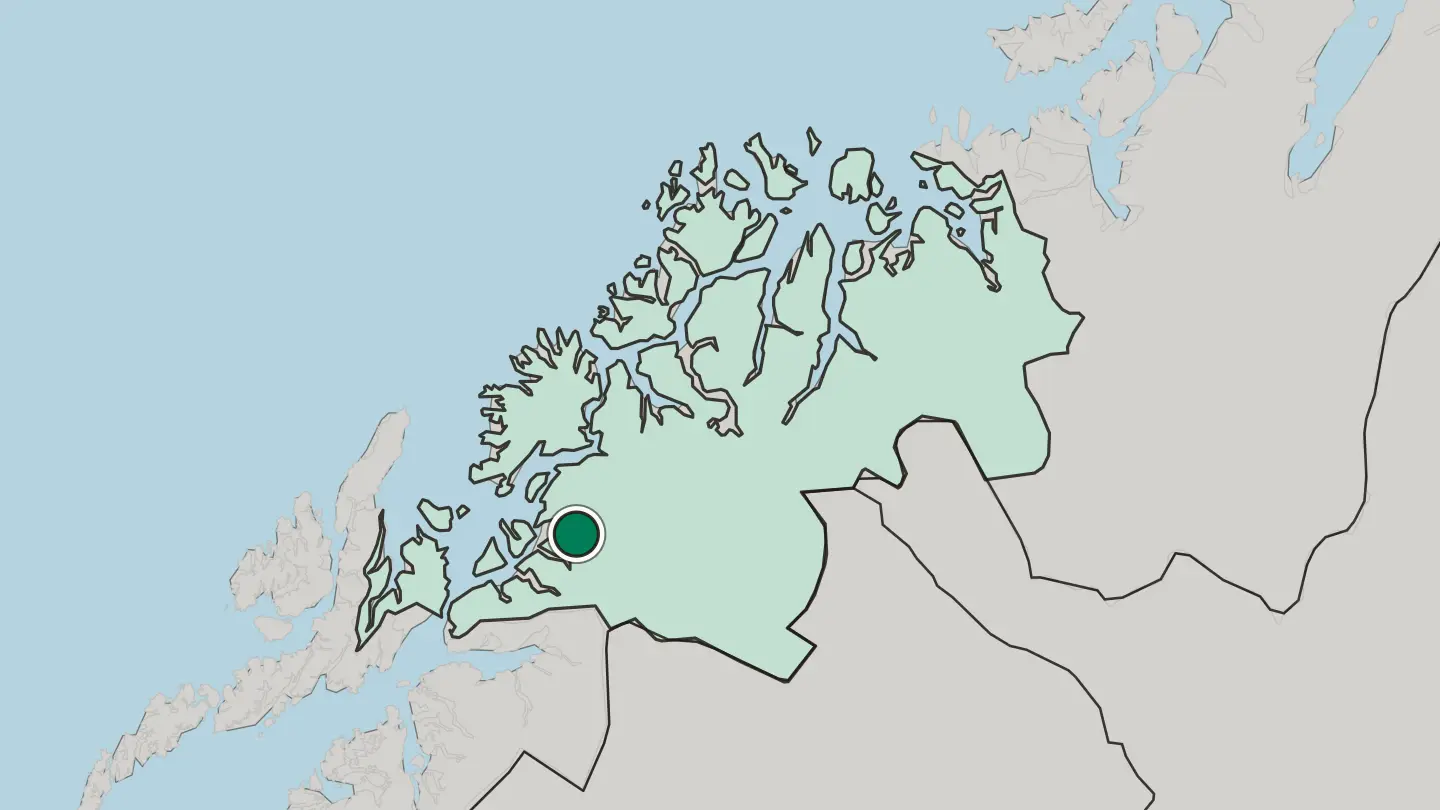
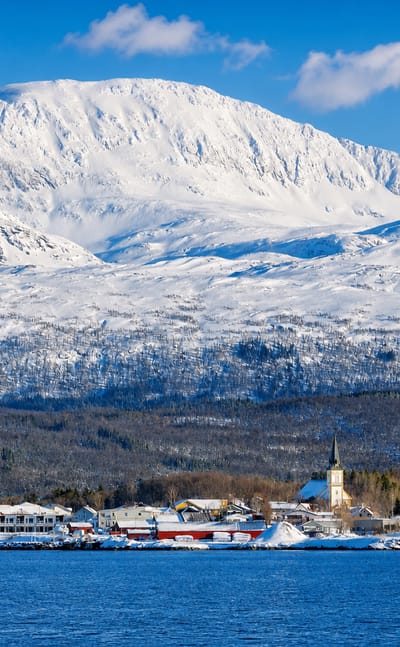 Norway
Evenskjer
Evenskjer is a coastal village and municipal seat in the south-western part of Troms, in northern Norway, near Skånland Church.Where to stay →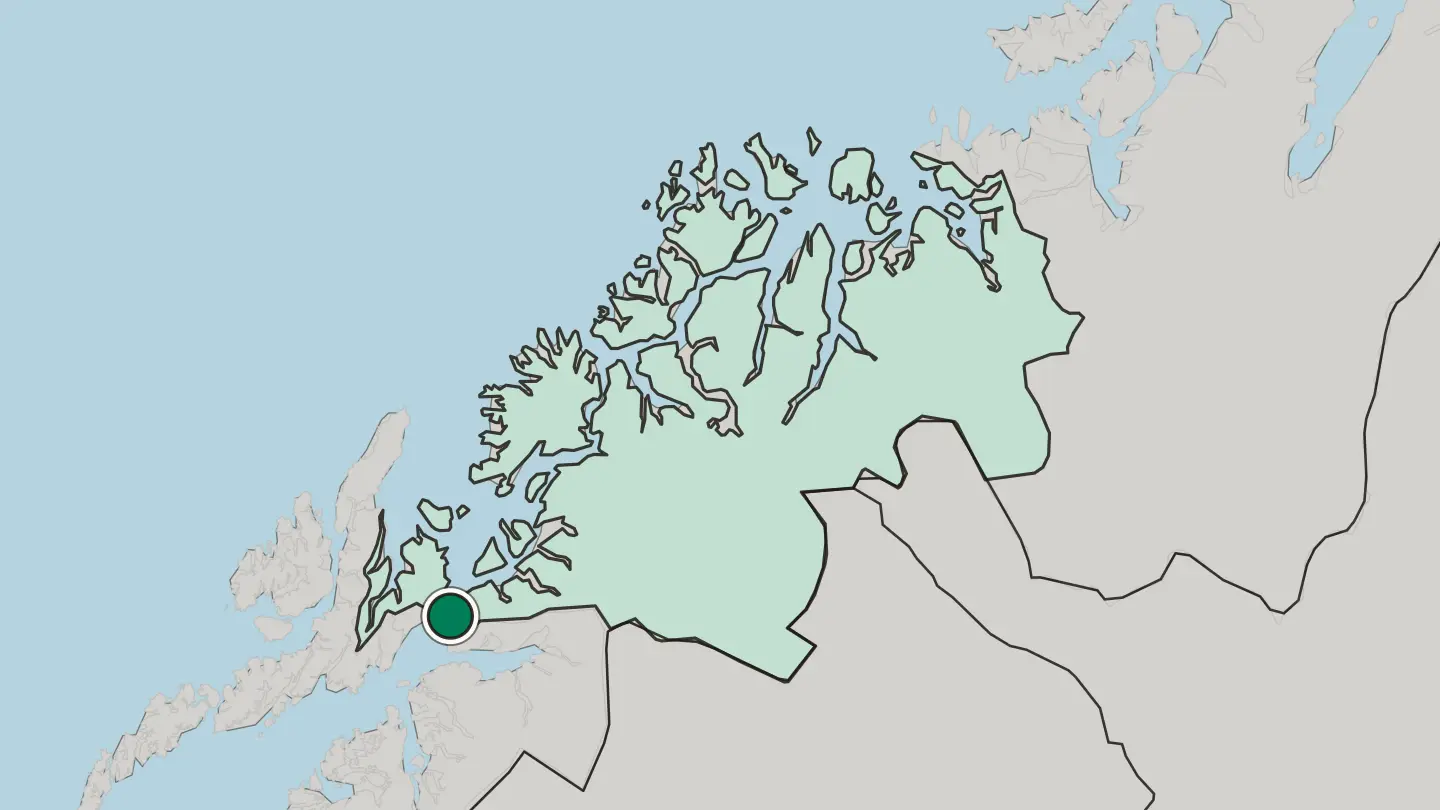
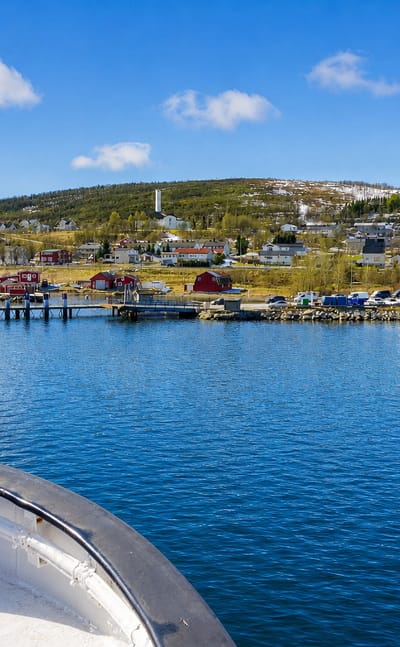 Norway
Hansnes
Hansnes, seat of Karlsøy Municipality, lies on the island of Ringvassøya along the Langsundet strait in northern Troms, northern Norway.Where to stay →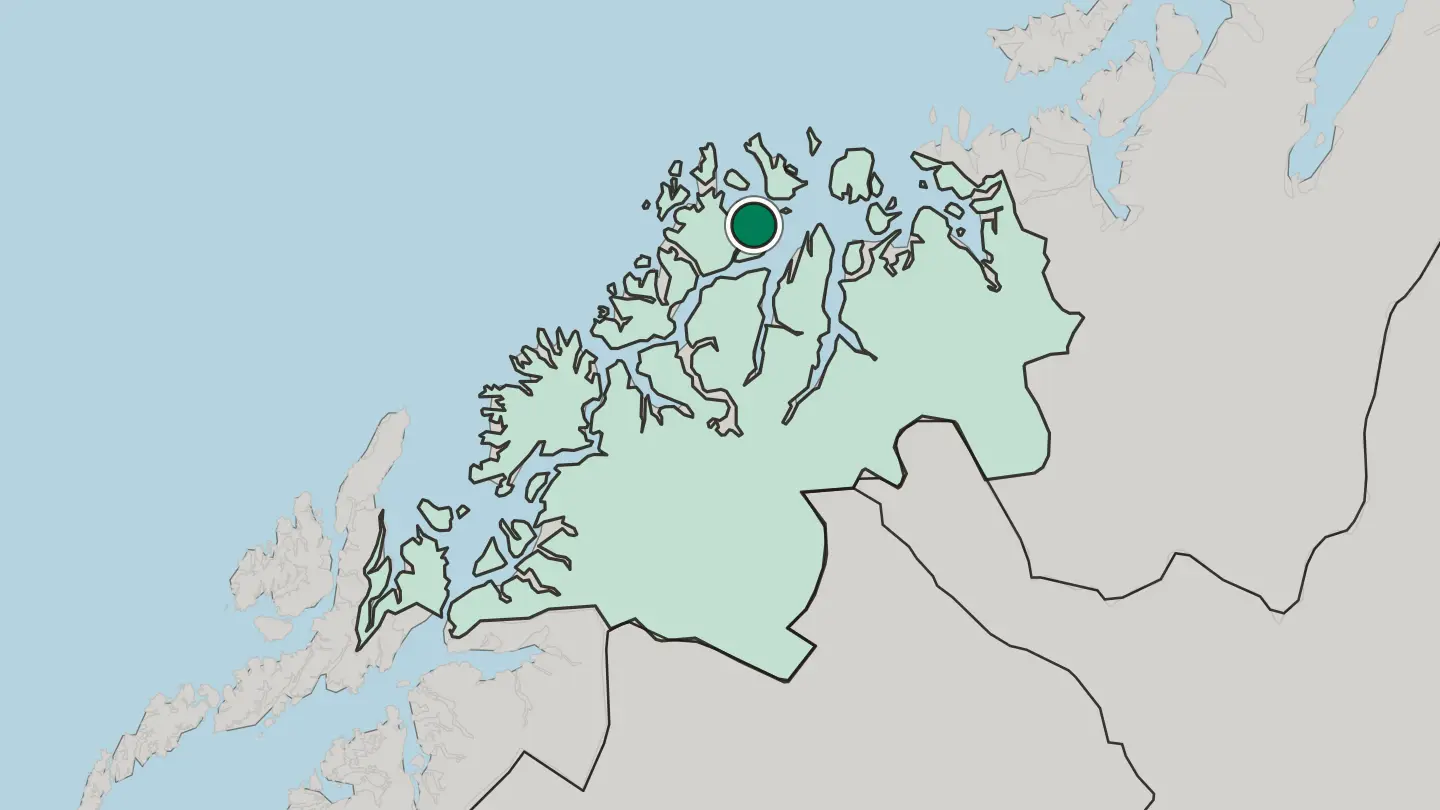
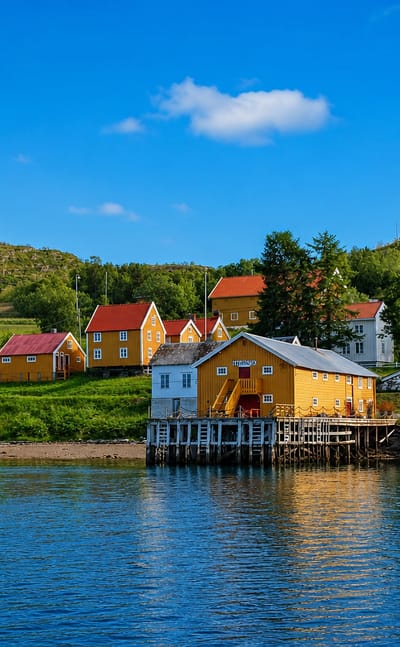 Norway
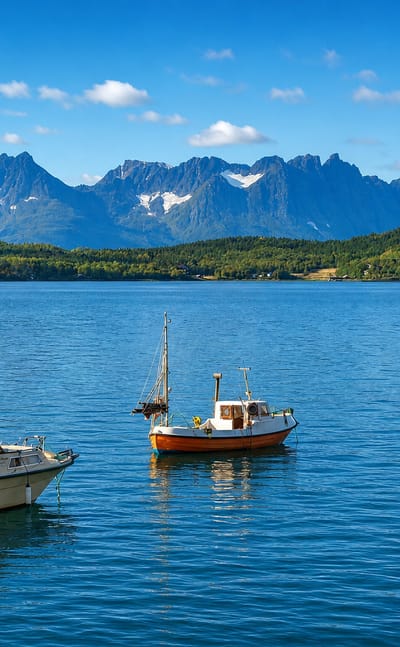
Hamnvik
Hamnvik, also called Ibestad, is the administrative centre of Ibestad Municipality in northern Norway, on the island of Rolla.Where to stay →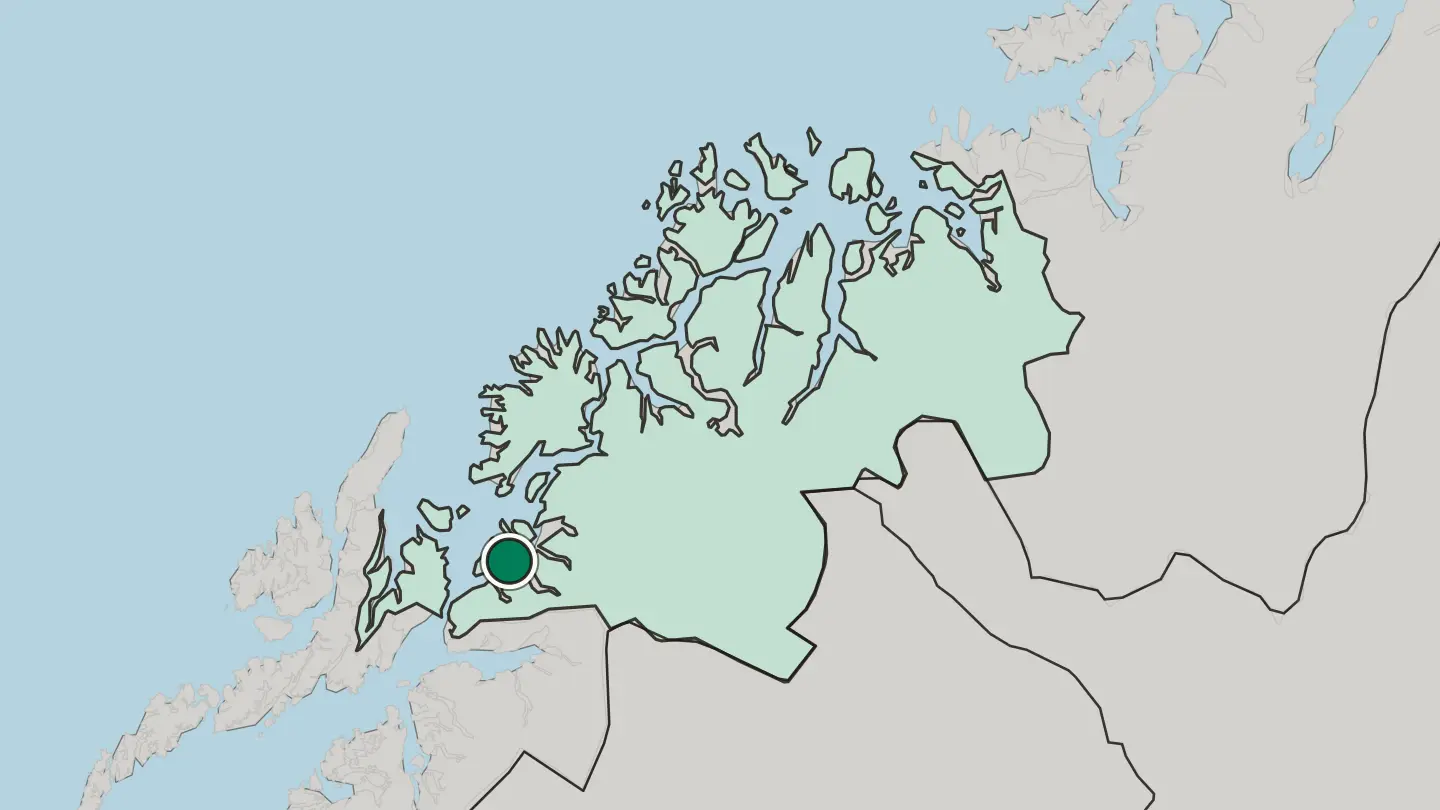
 Norway
Burfjord
Burfjord is the administrative centre of Kvænangen Municipality in northern Norway, a village at the head of a fjord in Troms.Where to stay →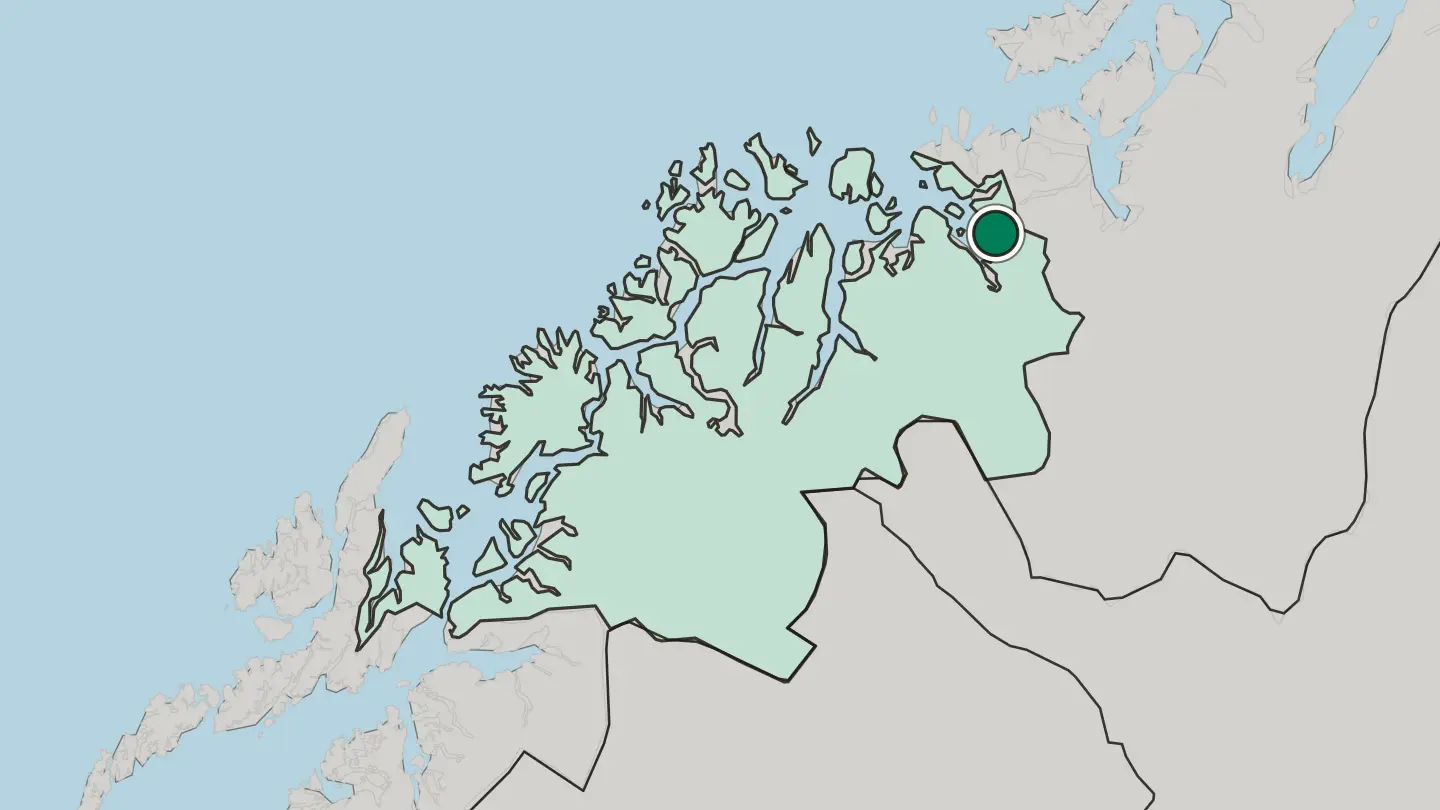
 Norway
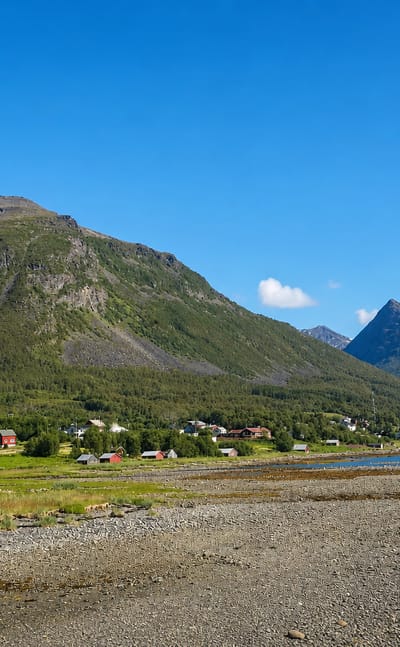
Olderdalen
Olderdalen is a village in the municipality of Gáivuotna-Kåfjord in northern Norway, on a fjord shore in Troms.Where to stay →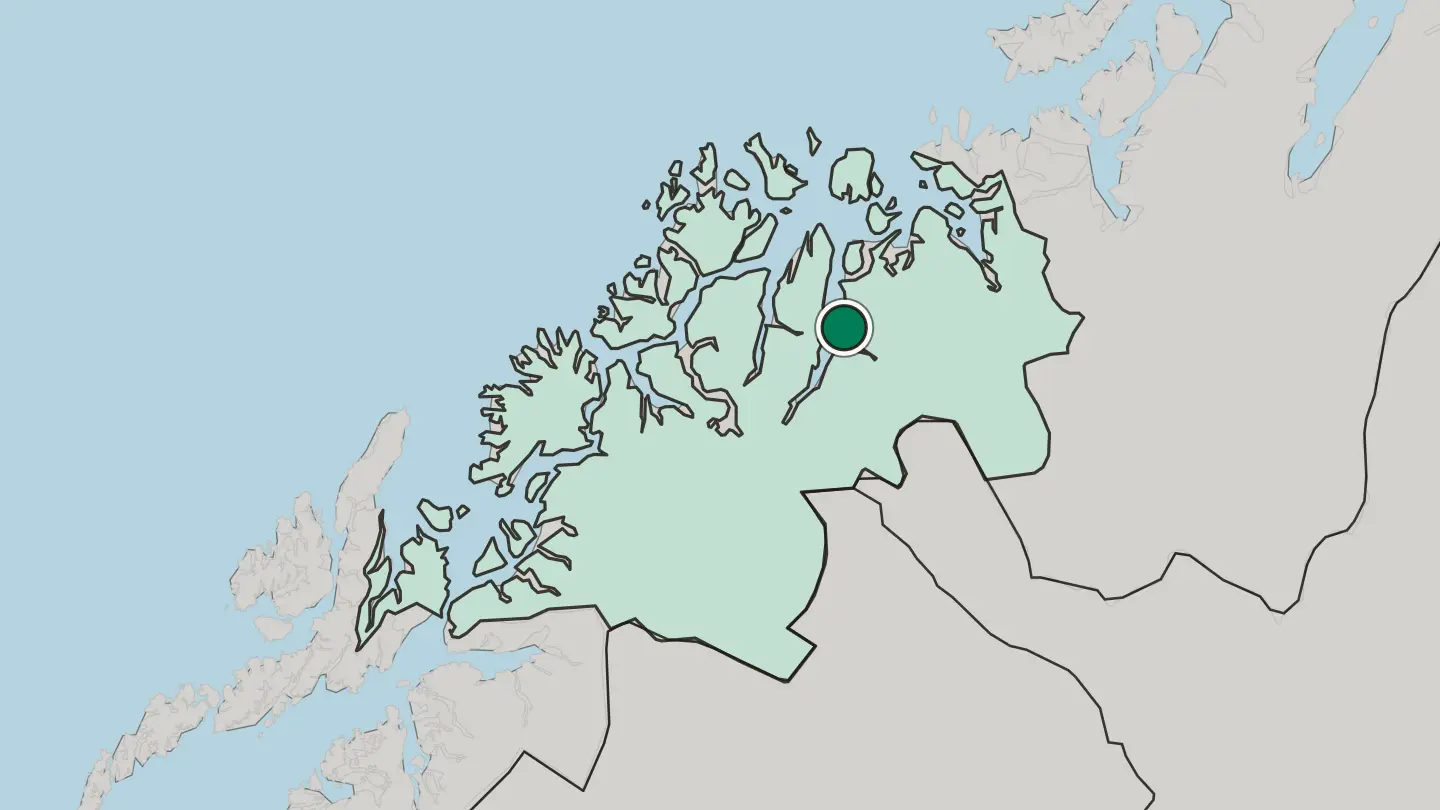
 Norway
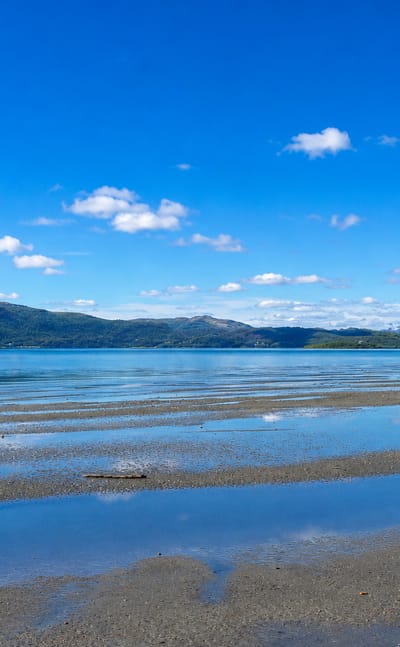
Brøstadbotn
Brøstadbotn is the small administrative seat of Dyrøy, a quiet municipality in the western part of Troms, northern Norway.Where to stay →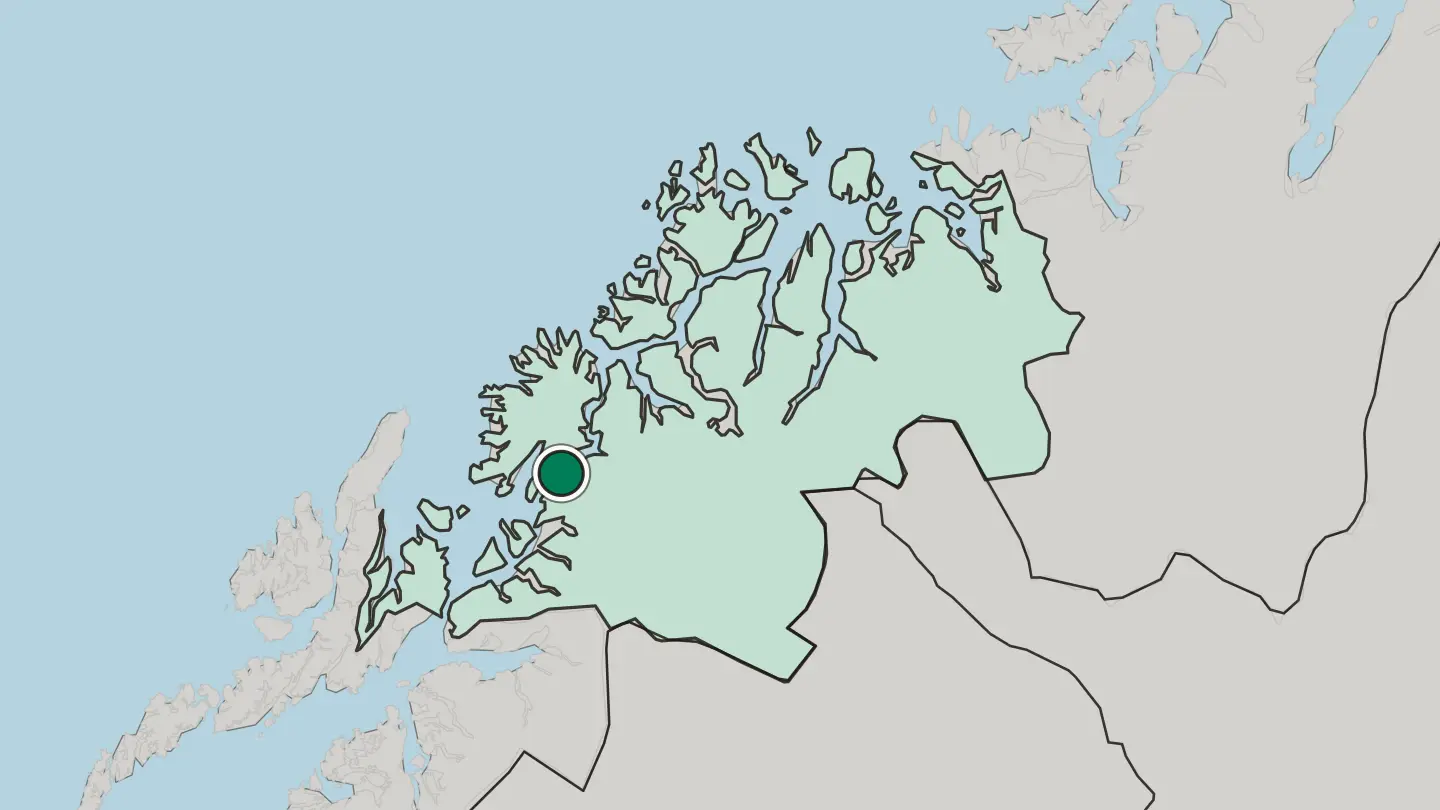
 Norway
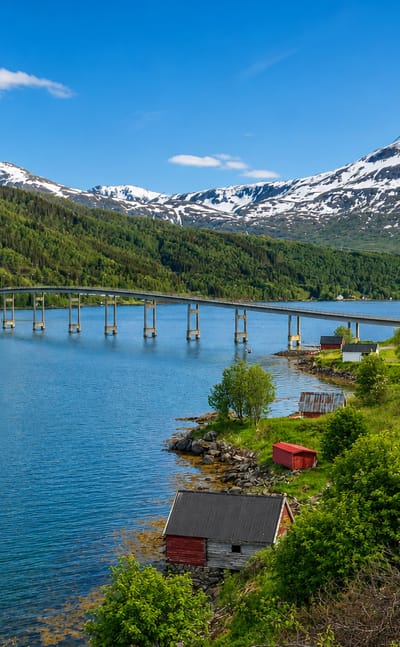
Gratangen
Gratangen is a municipality in northern Norway, in the south-western part of Troms, set around its namesake fjord.Where to stay →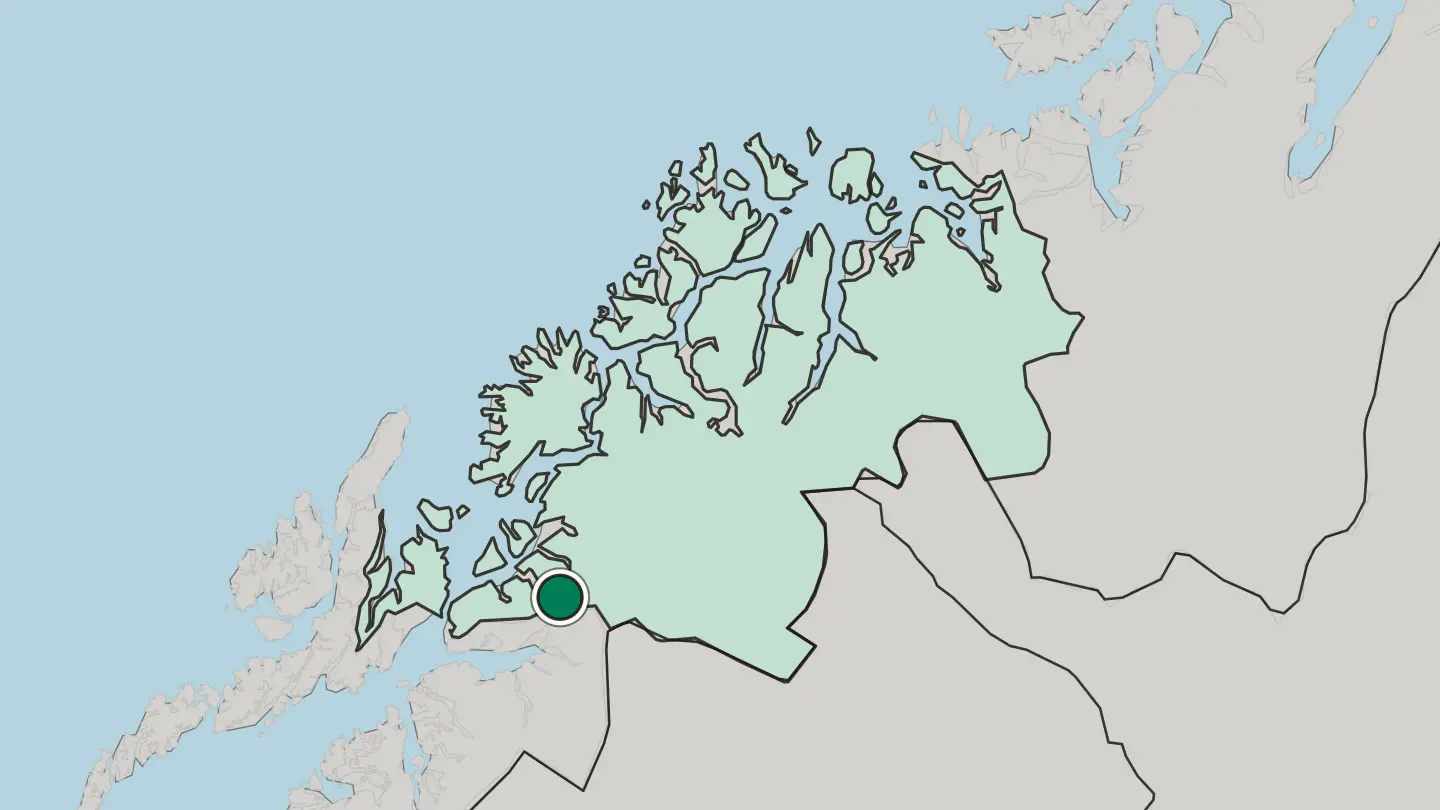 Norway
Hatteng
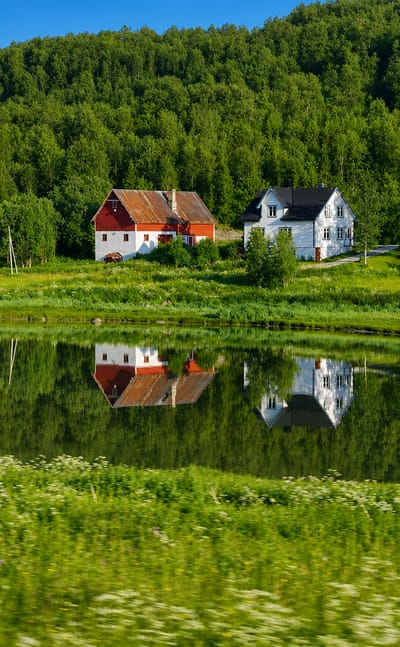
Hatteng is the administrative seat of Storfjord, a sparsely peopled fjord municipality in the eastern part of Troms, northern Norway.Where to stay →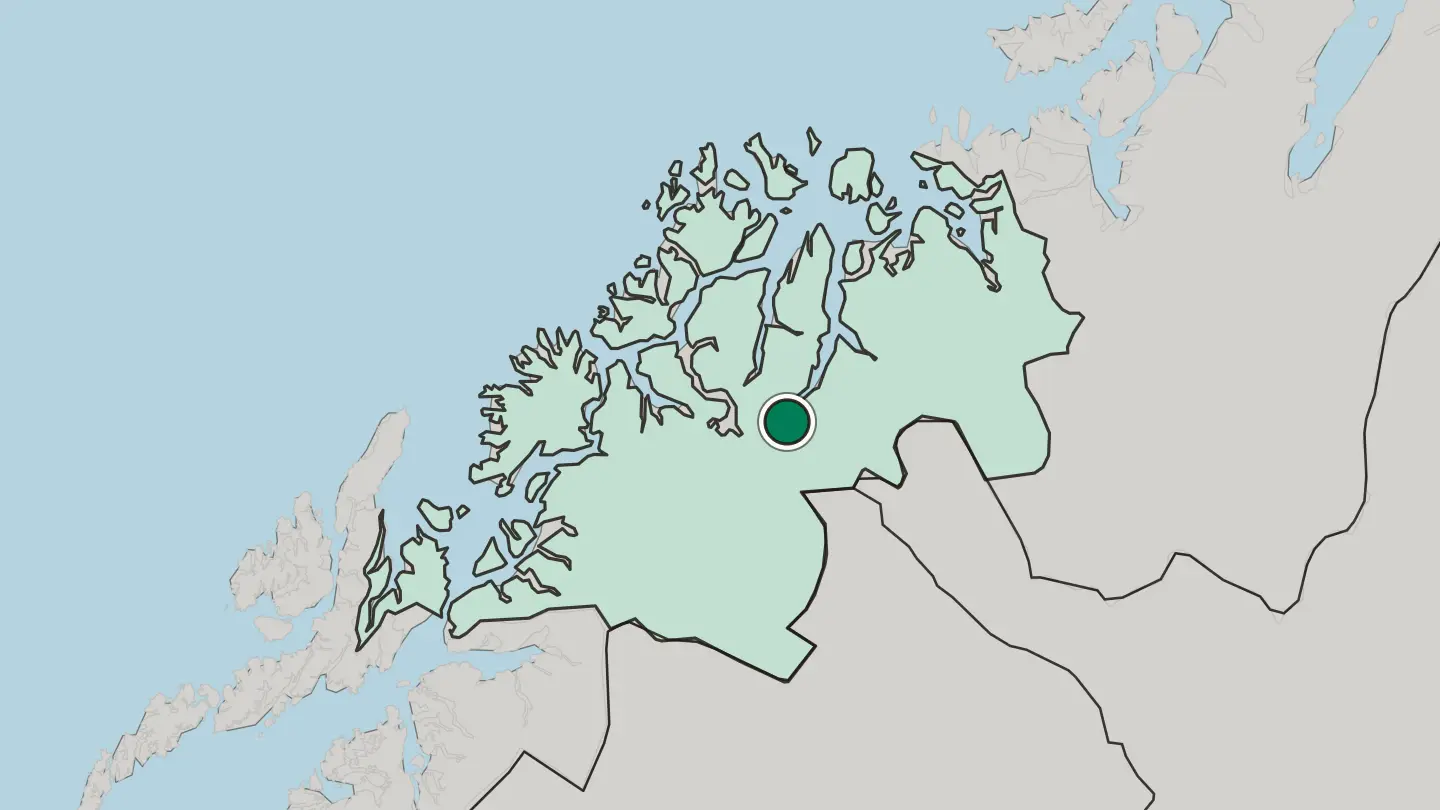
 Norway
Sørreisa
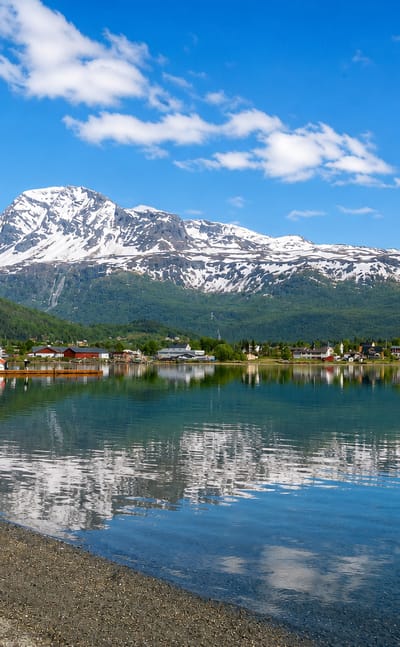
Sørreisa is a municipality in northern Norway, a fjord-shore community in the western part of Troms.Where to stay →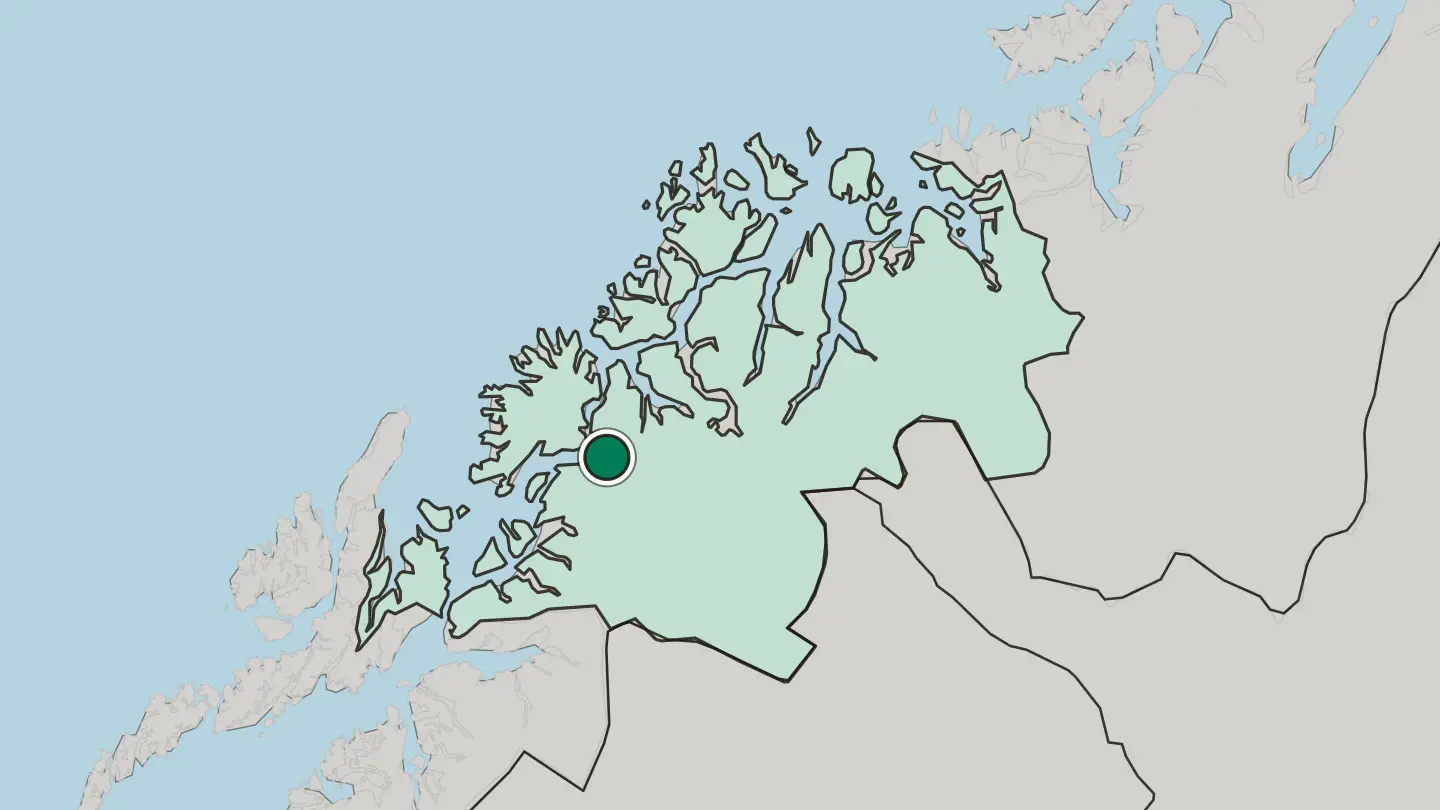
 Norway
Tennevoll
Tennevoll is the centre of Lavangen in northern Norway, a village by a fjord in the south-western part of Troms.Where to stay →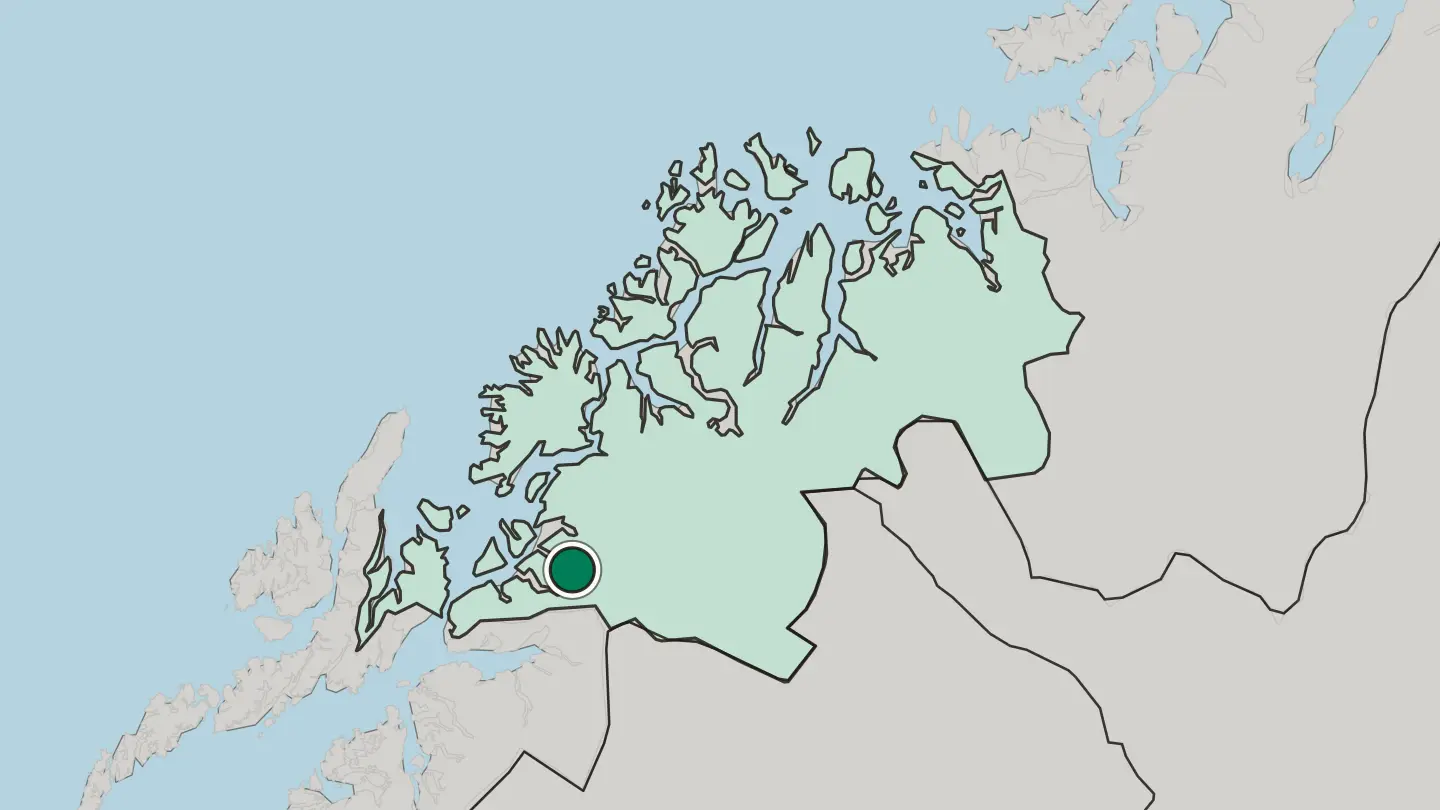
Hotel links are affiliate links: booking through them may earn us a commission, at no extra cost to you. It never affects how places are ranked. How this works
About Troms
Troms is a county of the far north.
What is Troms known for?
It is known as a fylke of northern Norway, deep in the Nord-Norge region and carried in Sámi as Romssa fylka, a stretch of country that lies well above the rest of the nation. The county sits in the north-eastern part of Norway, far from the southern centres. North, and then further north.
Where is Troms?
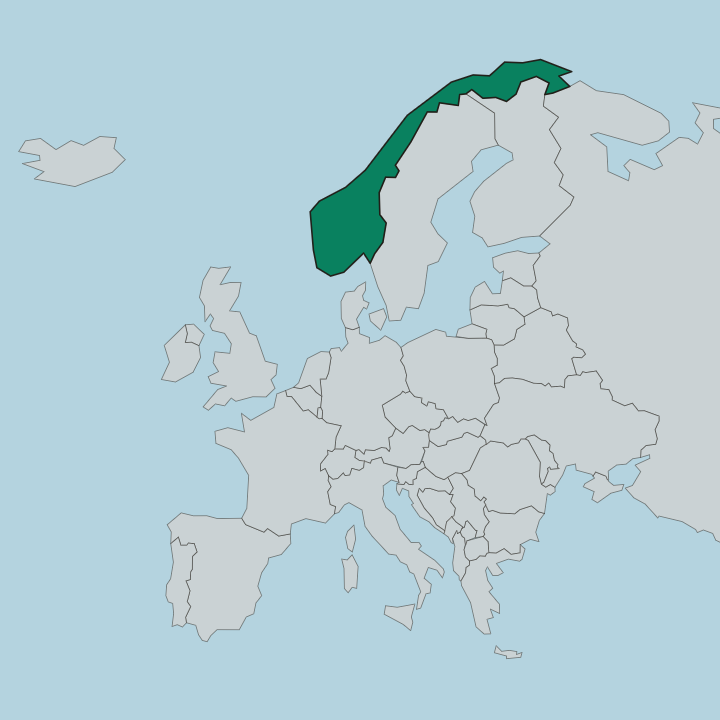
Troms is a far-northern county, a fylke of the Nord-Norge region set deep in the north-eastern part of Norway. The north defines it. The county lies well within the polar belt of northern Norway, a broad expanse of high country whose position above most of the nation shapes everything from its long light to its long distances.
Far north, and then some. Its reach is large. Troms spreads across a wide stretch of the far north, the kind of expanse that makes the county feel like a region in itself rather than a tidy district.
Known in Sámi as Romssa fylka, it occupies the northern edge of the country, where northern Norway runs toward the top of the mainland. The land sits high above the southern centres, deep in the Nord-Norge region. North, breadth, and distance: that is the geography of Troms.
What is Troms like?
Troms carries the culture of the far north. The county belongs to the Nord-Norge region, and its Sámi name, Romssa fylka, marks the deep Sámi heritage woven through this part of northern Norway alongside the Norwegian communities of the high north. Two languages, one north.
Life here is shaped by the far north. The county's communities have grown in the demanding light and distance of the high north, giving Troms a northern character distinct from the southern parts of Norway. The Sámi presence runs through the fylke, reflected in the very name Romssa fylka, and the Nord-Norge region frames an identity built on the rhythms of the high north.
Between Norwegian and Sámi tradition, Troms holds the layered culture of northern Norway.
What is the history of Troms?
Troms took shape as a county in 1919. The fylke of northern Norway has carried its name through the changes of the country's administrative map, holding its place in the Nord-Norge region of the far north. Its Sámi roots run deeper still.
The name Romssa fylka reflects the long Sámi presence in this northern stretch of Norway, a heritage older than any modern county line. The county endures as a distinct northern unit.
What is the climate of Troms?
Troms has a far-northern climate. Lying within the polar belt of northern Norway, the county runs to long, dark winters and bright, brief summers, the far-northern reach of the Nord-Norge region driving the extremes of light and cold across the fylke. Winter holds the dark.
The far-northern position, the same that gives the county its Sámi name Romssa fylka, sets a sharp seasonal rhythm unlike the milder south of Norway. Snow lies long in the high north.
How do you get to Troms?
Troms lies far north. Reaching the county means a long haul into northern Norway, since the fylke sits deep in the Nord-Norge region well above the southern centres of the country. The far north takes effort.
Because Troms, known in Sámi as Romssa fylka, spreads across a wide northern expanse, the way in depends on which part of the county you are bound for. Plan the approach to the high north.
Common questions
What is the best area to stay in Troms?
Northern Troms: travellers wanting a far-northern fylke base in the Nord-Norge region.
Good for
More regions in Norway
Updated September 2026