Norway · Troms
Where to Stay in Olderdalen, Troms
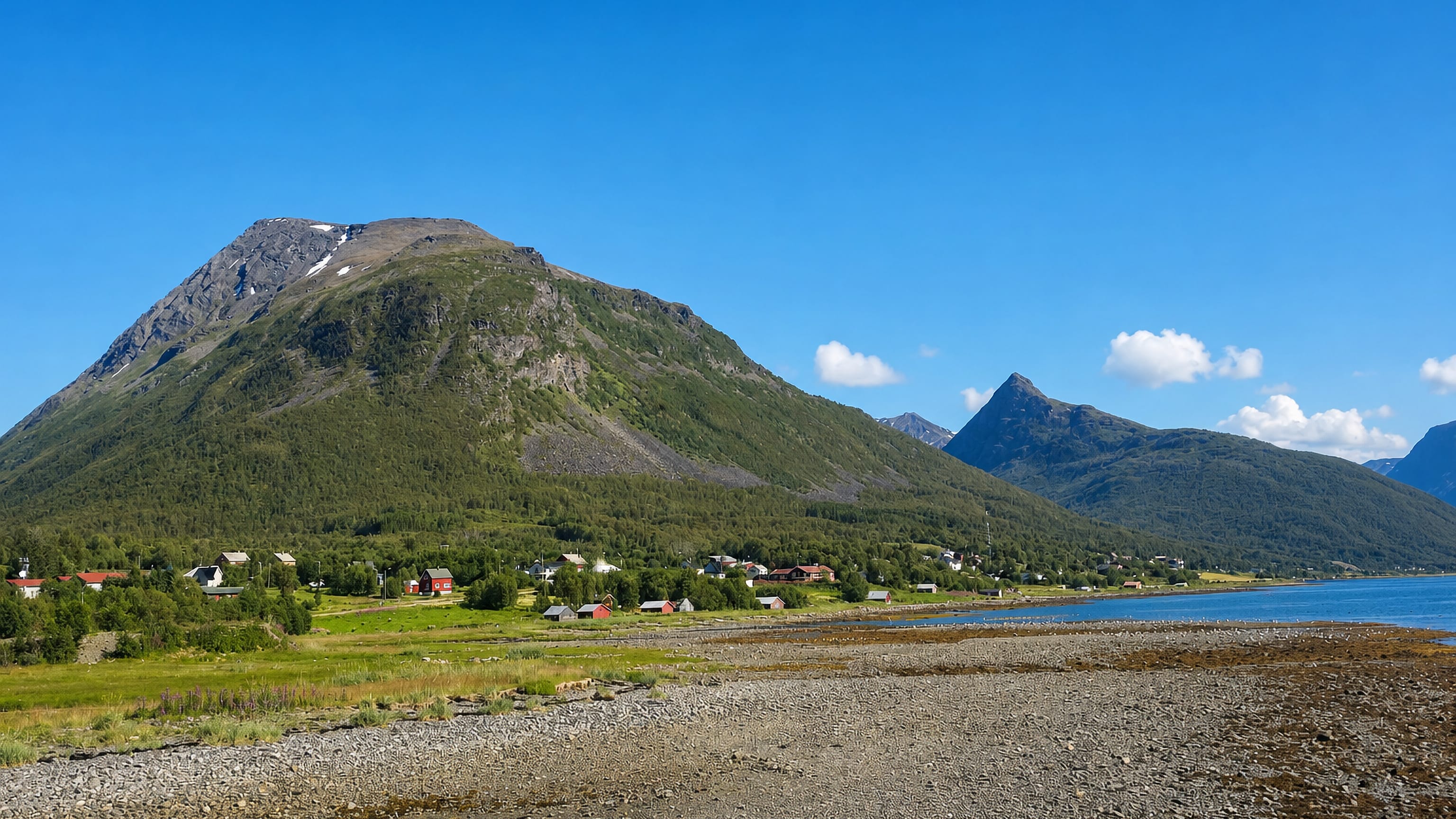
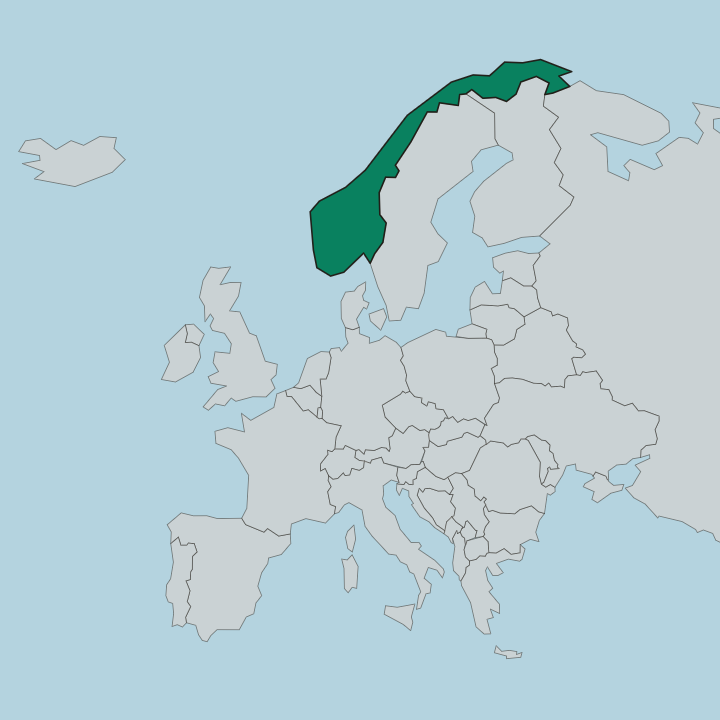
Olderdalen is a village in the municipality of Gáivuotna-Kåfjord in northern Norway, on a fjord shore in Troms.
Hotel links are affiliate links: booking through them may earn us a commission, at no extra cost to you. It never affects how places are ranked. How this works


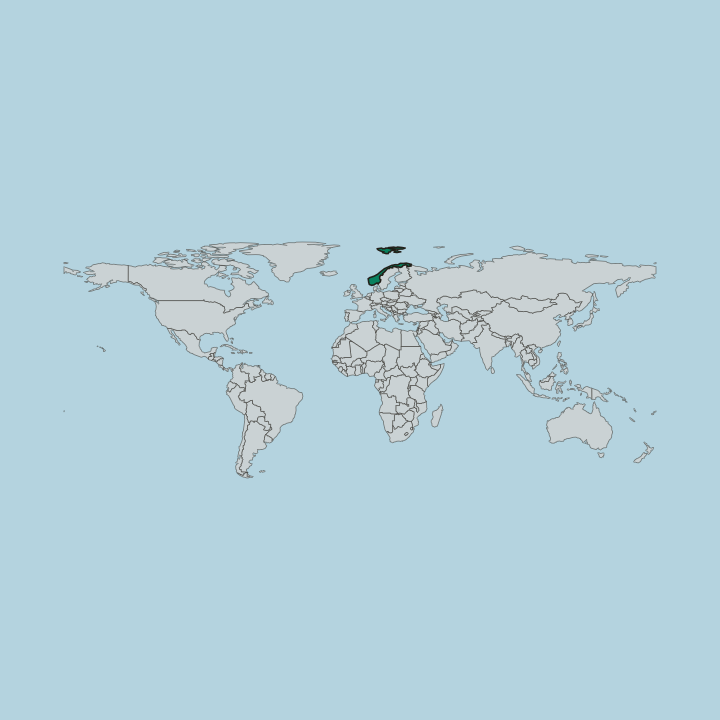
Where to stay in Olderdalen
How the choice of base plays out on the ground.
Beds in Olderdalen gather near the fjord shore and the village centre, within reach of Kåfjord Church and the road that runs along the water through the municipality of Gáivuotna-Kåfjord. The centre suits travellers who want the ferry quay, the church, and the local services close at hand. Rooms in the village are few.
Small guesthouses and roadside lodgings make up most of the supply, and they fill through the bright summer weeks when the long northern light draws walkers and anglers to the fjord. Further along the shore, scattered cabins reach toward Manndalen and the Museum for Northern Peoples, where the closeness of the village gives way to open water, steep slopes, and the Sami and Kven settlements of the valley. Reserve well in advance.
This part of northern Norway holds only a thin scattering of beds, and the short summer season presses on the few rooms that Olderdalen and the wider shore of Troms can offer.
Find hotels in Olderdalen
Direct booking searches for these neighbourhoods.
Olderdalen fjord centre
guesthouses near Kåfjord Church and the shore road of Gáivuotna–Kåfjord. Lodging is scarce in this area; reserve in advance.Find hotels in Olderdalen fjord centrethose drawn to the Sami and Kven heritageManndalen valley
cabins near the Museum for Northern Peoples in the valley above the fjord. Few places to stay nearby — book ahead.Find hotels in Manndalen valleyHotel links are affiliate links: booking through them may earn us a commission, at no extra cost to you. It never affects how places are ranked. How this works
About Olderdalen
What is Olderdalen known for?
Olderdalen is the centre of the municipality of Gáivuotna-Kåfjord, a fjord-shore village with a strong Sami and Kven heritage. Kåfjord Church stands as the parish landmark. The Museum for Northern Peoples at Manndalen tells the story of the region's northern cultures.
Sami and Kven traditions run deep through Olderdalen. Visitors come for the fjord setting, the church, and the museum, set among the steep slopes of northern Norway.
What are the main landmarks in Olderdalen?
Kåfjord Church is the chief landmark of the village, a protected building that has long served the parish of Gáivuotna-Kåfjord. The district holds more besides. The Museum for Northern Peoples at Manndalen gathers the heritage of the region's Sami and Kven communities, the prayer house of Manndalen bedehus serves the valley congregation, and the timber house known as Sjit helvedes kåken stands as a curiosity of local Kåfjord history.
Their fjord setting frames it all in northern Norway.
What is the history of Olderdalen?
Olderdalen grew on the shore of its fjord, in a district long shared by Sami, Kven, and Norwegian people whose farms, fishing grounds, and reindeer herds shaped the valley. The settlement gathered the holdings along the water and became the centre of the municipality of Gáivuotna-Kåfjord, its three-part name marking the three peoples of the area. The sea and the valley carried life.
Fishing, small farming, and the church bound the parish together through the long centuries of life on this northern coast of Troms. The church and the heritage anchored the place. Kåfjord Church served the parish by the fjord, while the valley at Manndalen kept its own traditions, later gathered in the Museum for Northern Peoples.
The roads and the ferries came in time. As Gáivuotna-Kåfjord took its modern shape, Olderdalen held its place as the village centre by the water, the small fjord settlement where the Sami and Kven history of this corner of northern Norway still lives.
Where is Olderdalen?
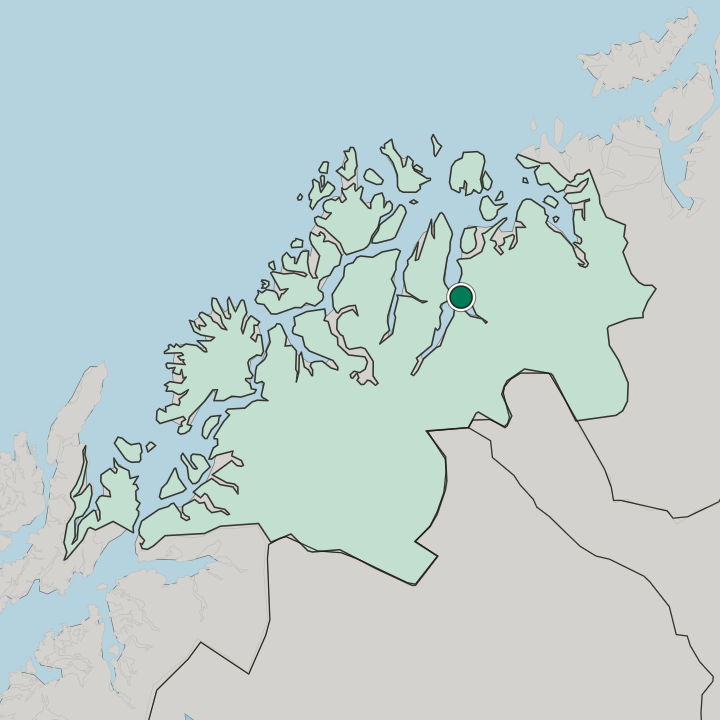
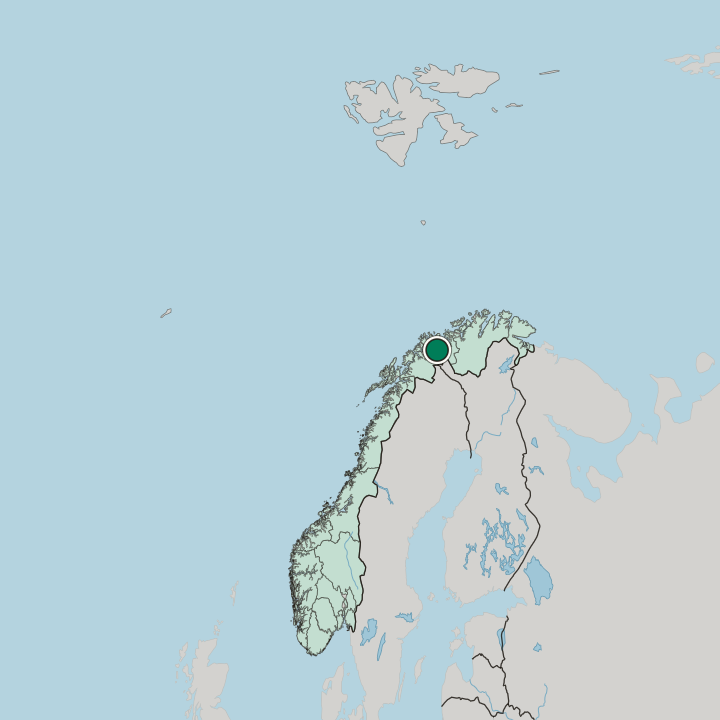
Olderdalen lies on a fjord shore in the north-eastern part of Troms, in northern Norway. Steep slopes climb close behind the village, and the fjord opens out toward the sounds of the coast. The fjord and the valley shape it.
Olderdalen sits where the shore meets the mouth of its valley, with the high ground of Gáivuotna-Kåfjord rising over the water and the valley at Manndalen reaching inland from the coast.
What is the climate of Olderdalen?
Olderdalen has a cool coastal climate softened by its fjord. Winters run long and dark this far north, yet the open water eases the deepest cold that settles over the high slopes and the valleys of Gáivuotna-Kåfjord through the dark months. Summers run short and light.
The long polar days bring pale, lit nights to the shore, while wind down the fjord and off the valley is common across the seasons in this part of northern Norway.
How do you get to Olderdalen?
Olderdalen sits on the shore road that follows the fjord through the municipality of Gáivuotna-Kåfjord. The coastal route carries traffic past the village between the regional centres of Troms, and a ferry link crosses the water from the village quay. The journey runs by road and ferry.
Travellers reach this part of northern Norway overland through the county before the final stretch down to the fjord shore and the village.
Common questions
What is the best area to stay in Olderdalen?
Olderdalen fjord centre: travellers wanting the ferry quay and church close. Manndalen valley: those drawn to the Sami and Kven heritage.
Good for
More cities in Troms
Updated September 2026