Norway · Trøndelag
Where to Stay in Ålen, Trøndelag
Ålen is a valley village in Holtålen municipality, in the south-eastern part of Trøndelag in central Norway.
Hotel links are affiliate links: booking through them may earn us a commission, at no extra cost to you. It never affects how places are ranked. How this works


Where to stay in Ålen
How the choice of base plays out on the ground.
Ålen has very little lodging to offer. This is a small valley village in Holtålen, not a resort, so lodging gathers in the cluster of houses near Ålen kirke rather than spreading across the hills. Stay in the village centre if you want to be within walking reach of the church and the everyday shops, with the upland slopes of Trøndelag rising straight from the back of the settlement.
You suit the place if quiet matters to you more than choice. Out along the valley toward Hessdalen, in the Renbygda herding country to the north, a scatter of farm rooms and cabins suits drivers and walkers who want the open fell on their doorstep, though these tend to book early in the walking season. Rooms here run thin.
Travellers who find nothing free in the village often base instead in the larger neighbouring centres of Holtålen and Røros, both within reach along the same valley railway, and ride in to Ålen for the day.
Find hotels in Ålen
Direct booking searches for these neighbourhoods.
Village centre by Ålen kirke
the small house cluster around Ålen kirke where the upland slopes meet the settlement. Beds are limited here, so book early.Find hotels in Village centre by Ålen kirkedrivers wanting open fell on the doorstepRenbygda valley toward Hessdalen
scattered farm rooms in the reindeer-herding country north toward Hessdalen kirke. Rooms are few around here — worth securing early.Find hotels in Renbygda valley toward HessdalenHotel links are affiliate links: booking through them may earn us a commission, at no extra cost to you. It never affects how places are ranked. How this works
About Ålen
What is Ålen known for?
Two old churches anchor the place. Ålen kirke stands over the village itself, while Hessdalen kirke serves the neighbouring valley a little to the north, and both carry heritage protection in this corner of Holtålen. The wider district is known by a second name, Renbygda, the reindeer settlement, a hint at the herding country that surrounds it. Travellers come to Ålen for quiet upland walking rather than crowds.
It sits in the south-eastern part of Trøndelag, deep among the hills.
What are the main landmarks in Ålen?
Ålen kirke is the village marker. It stands among the houses as the parish church of the place, a heritage-listed building watching over the valley floor. North of it, in the side valley that shares its name, Hessdalen kirke serves the herding farms of Hessdalen and carries the same heritage protection within Holtålen.
Beyond the two churches there is little built to see. The draw of Ålen is the fell itself, the open Trøndelag uplands of the Renbygda country that rise on every side of the settlement.
What is the history of Ålen?
Ålen grew from herding and farming. The valley earned its second name, Renbygda, from the reindeer that the people of these uplands have long followed across the open fell, and the scattered farms of Ålen and neighbouring Hessdalen were the work of generations who lived off the thin soil and the high pasture of south-eastern Trøndelag. Faith gathered the settlement. Ålen kirke rose to serve the village in the valley bottom, while Hessdalen kirke was built to serve the herding farms of the side valley to the north, and both still stand under heritage protection as the oldest fixed marks of the whole district.
For most of its life Ålen was its own small municipality among the hills. In time it joined with its neighbour to form the present municipality of Holtålen, the administrative unit that now holds both the village and the wider Renbygda country around it. The place stayed small throughout.
It remains a thin string of farms and houses along a high valley, holding to the fell rather than the town.
Where is Ålen?
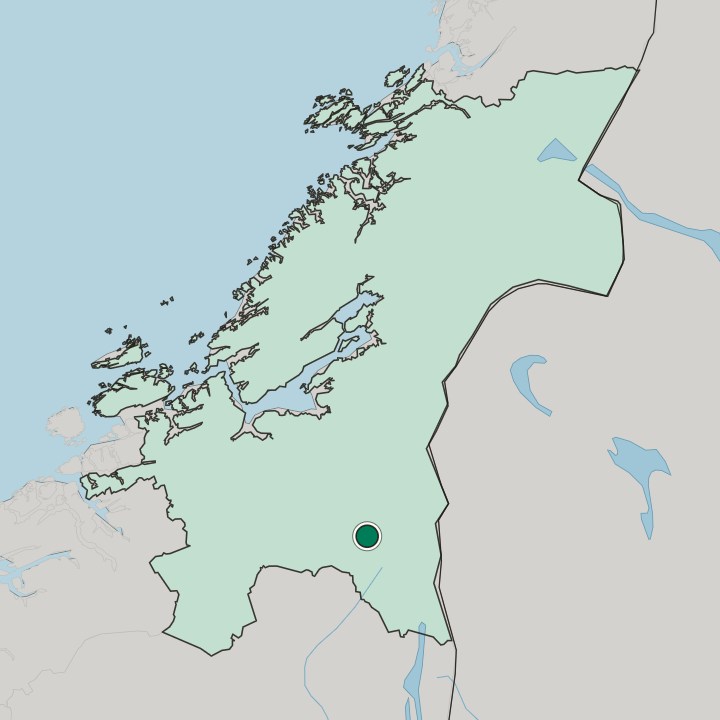
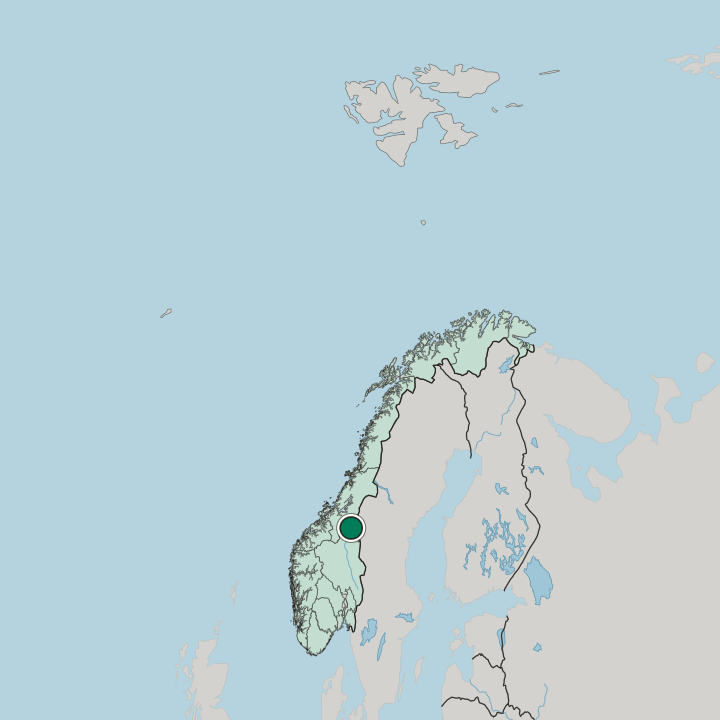
Ålen lies in a high valley in the south-eastern part of Trøndelag. The village sits on the valley floor in Holtålen, with open fell rising on either side and the side valley of Hessdalen branching away to the north toward its own church and herding farms. This is inland, upland country.
There is no coast and no large water here, only the high pasture of the Renbygda fells that gives the district its name and surrounds the settlement on every side.
What is the climate of Ålen?
Ålen sits high and inland, and the weather follows the fell. Winters run long and cold over the Renbygda uplands, with deep snow lying across the valley and the pasture for much of the year, while the short summers stay cool and green under the long subpolar daylight of south-eastern Trøndelag. Frost can come in any month here.
The open valley around Holtålen offers little shelter, so wind and weather sweep down off the surrounding hills onto the scattered farms below.
How do you get to Ålen?
The railway threads the valley. Ålen lies on the line that runs up through Holtålen toward Røros, so trains call at the village on their way between the lowlands and the high country, and this remains the simplest way in for travellers without a car. Drivers follow the valley road through the hills. The route runs along the same high valley that carries the railway, linking Ålen with Hessdalen to the north and with the larger centres of Trøndelag beyond, while no airport lies anywhere near this upland district.
Common questions
What is the best area to stay in Ålen?
Village centre by Ålen kirke: walkers wanting the church and shops on foot. Renbygda valley toward Hessdalen: drivers wanting open fell on the doorstep.
Good for
More cities in Trøndelag
Updated September 2026