Norway · Trøndelag
Where to Stay in Trondheim, Trøndelag
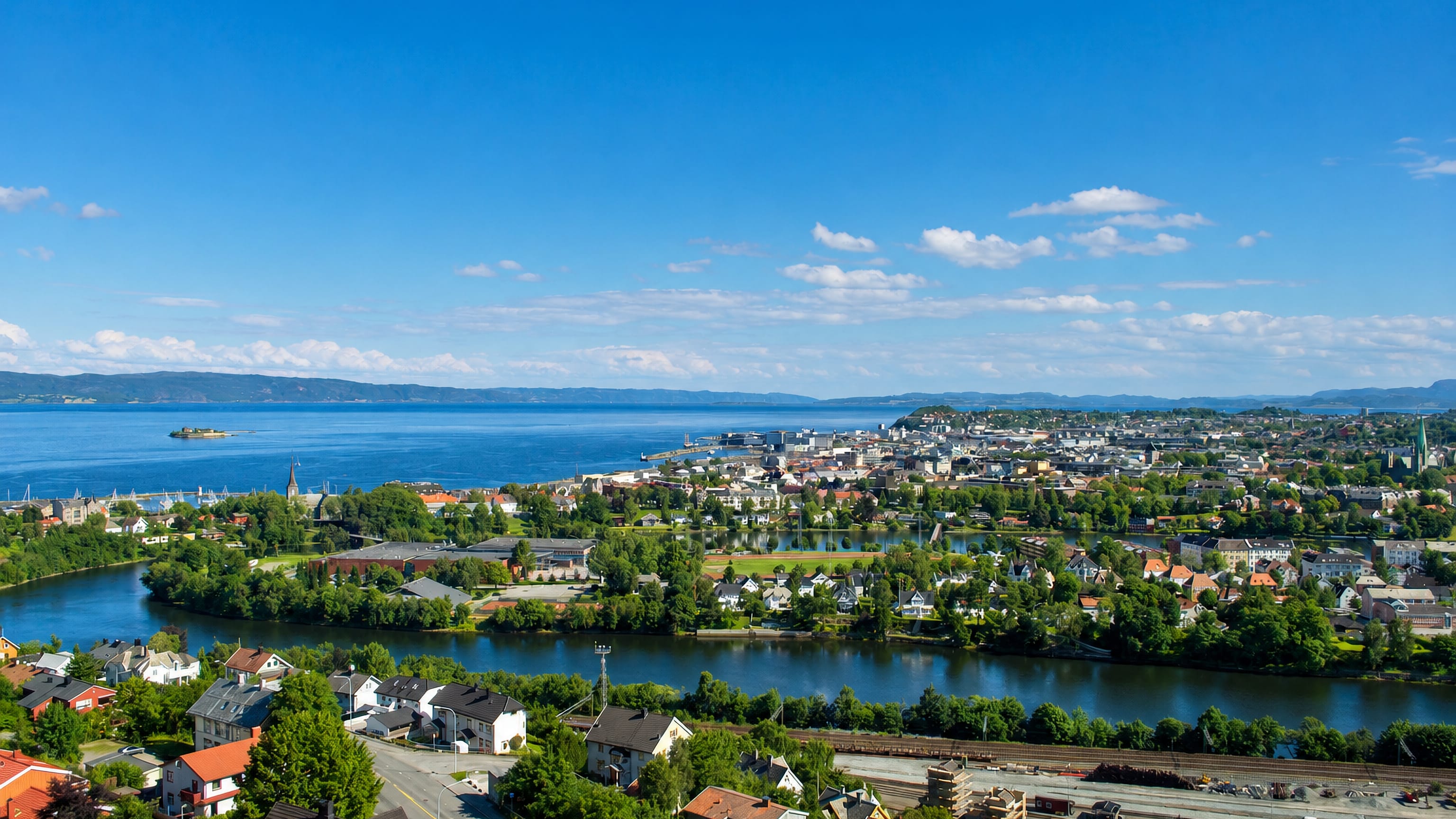
Trondheim is a cathedral city in central Norway, set where the Nidelva bends into the Trondheimsfjord beneath the spires of Nidarosdomen.
Hotel links are affiliate links: booking through them may earn us a commission, at no extra cost to you. It never affects how places are ranked. How this works


Where to stay in Trondheim
The right area depends on your trip — here's what each neighbourhood is best for.
 TrondheimNorway
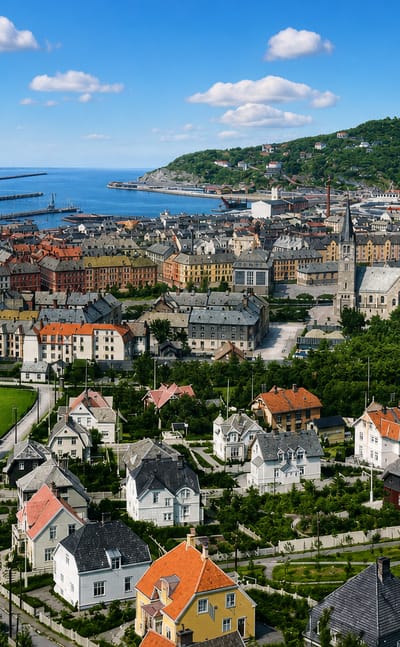
Lademoen
Lademoen is a district of eastern Trondheim, the harbour-edge quarter that runs out toward Rockheim and the fjord in central Norway (Trøndelag).Where to stay →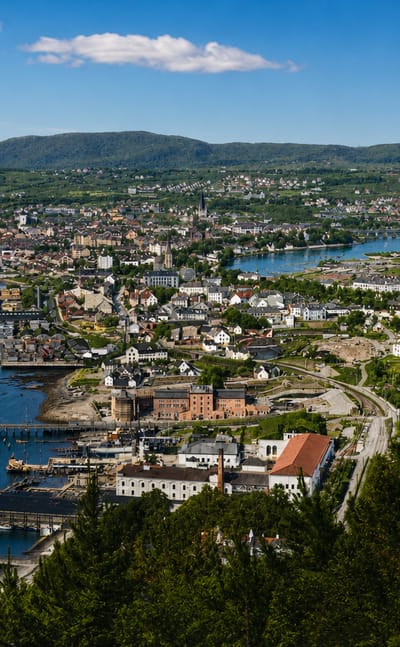 TrondheimNorway
Midtbyen
Midtbyen is the historic centre of Trondheim, the old quarter on the river peninsula crowned by Nidarosdomen.Where to stay →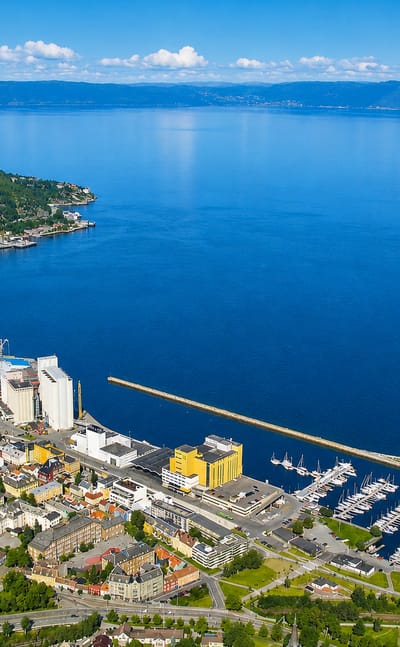 TrondheimNorway
Ila
Ila is a district on the south-western side of Trondheim in central Norway, just out from the city centre.Where to stay →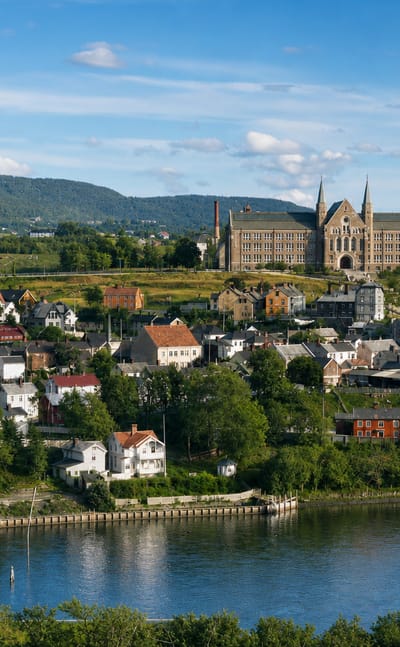 TrondheimNorway
Singsaker
Singsaker is a residential district of southern Trondheim in central Norway, on the slope toward Tyholt.Where to stay →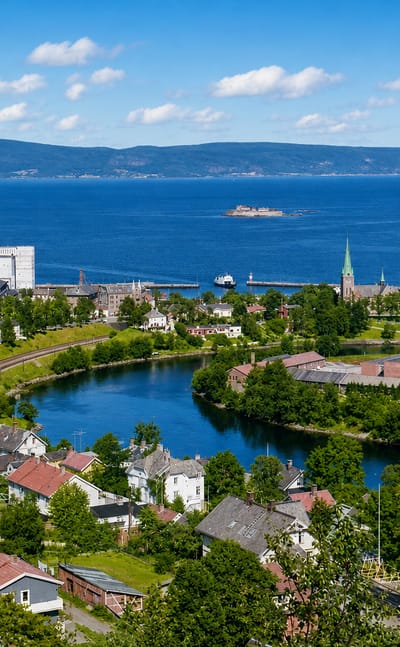 TrondheimNorway
Øya
Øya is a district of Trondheim in central Norway, a peninsula in the Nidelva just south-west of the city centre.Where to stay →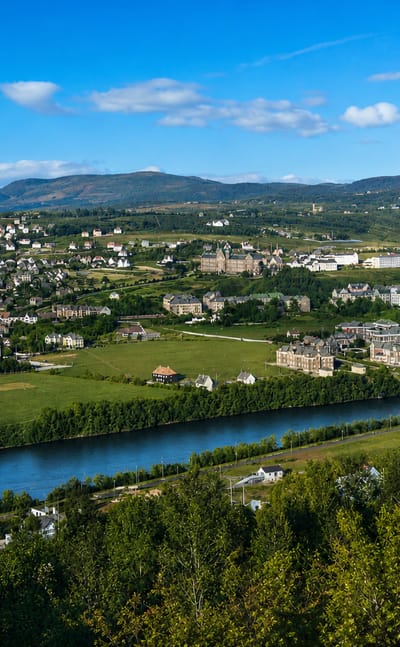 TrondheimNorway
Elgeseter
Elgeseter is a mainly residential part of Trondheim's Midtbyen borough, named after the old Elgeseter farm.Where to stay →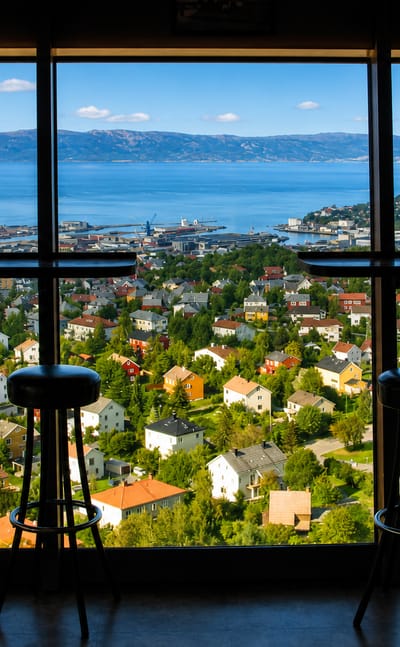 TrondheimNorway
Tyholt
Tyholt is a hillside part of Trondheim, the residential rise on the city's south-eastern side under the slender Tyholttårnet.Where to stay → TrondheimNorway
Strindheim
Strindheim is a part of Trondheim in the city's Østbyen borough, a residential and light-industrial quarter on its south-eastern side.Where to stay →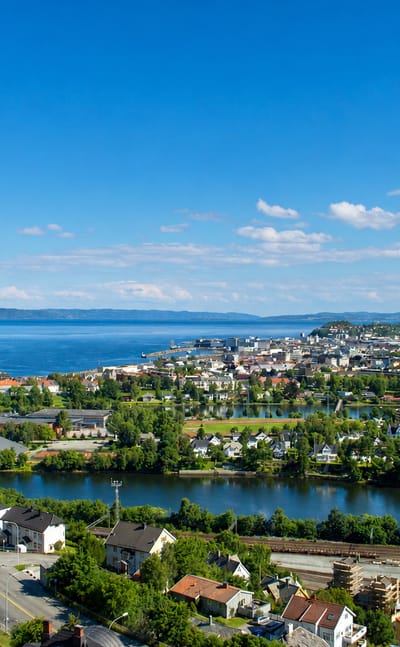 TrondheimNorway
Strinda
Strinda is a district of Trondheim in Trøndelag, Norway, and was a municipality in its own right from 1838 until 1964.Where to stay → TrondheimNorway
Nardo
Nardo is a residential part of Trondheim, the housing district on the city's south-eastern side around Hoeggen kirke.Where to stay →TrondheimNorwayNidarvoll
Nidarvoll is a part of Trondheim on the city's southern side, a residential and works area near Tempe kirke.Where to stay →TrondheimNorwayByåsen
Byåsen is a hillside district of south-western Trondheim, a residential ridge above the city in central Norway (Trøndelag).Where to stay →All neighbourhoods (17)
TrondheimNorwayMunkvoll
Munkvoll is a district of south-western Trondheim, a tram-stop neighbourhood on the Byåsen ridge in central Norway (Trøndelag).Where to stay →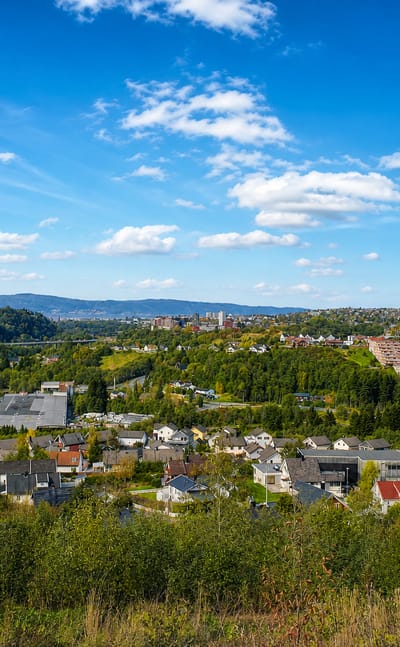 TrondheimNorway
Fossegrenda
Fossegrenda is a residential district in southern Trondheim, set above the Nidelva in central Norway (Trøndelag).Where to stay →TrondheimNorwayRanheim
Ranheim is a district of south-eastern Trondheim in central Norway, an outer quarter of the city.Where to stay →TrondheimNorwayFlatåsen
Flatåsen is a residential part of Trondheim, a hillside housing area on the city's south-western side.Where to stay → TrondheimNorway
Tiller
Tiller is a district of south-western Trondheim in central Norway, a former municipality now part of the city.Where to stay →Hotel links are affiliate links: booking through them may earn us a commission, at no extra cost to you. It never affects how places are ranked. How this works
Find hotels in Trondheim
Direct booking searches for these neighbourhoods.
The river bend
the old-centre loop of the Nidelva, with Nidarosdomen, Vår Frue kirke, and the riverside cafés a short walk apartFind hotels in The river bendlate arrivals and museum mornings by the waterHarbour quays
the blocks between the station and Rockheim, where the fjord piers meet Pirbadet and Trondhjems SjøfartsmuseumFind hotels in Harbour quaysgreen walks from Ringve Musikkmuseum to the shoreLade headland
guesthouse quiet around Lade kirke on the headland above the Trondheimsfjord. Lodging is scarce in this area; reserve in advance.Find hotels in Lade headlandHotel links are affiliate links: booking through them may earn us a commission, at no extra cost to you. It never affects how places are ranked. How this works
Things to do in Trondheim
Ranked by global recognition; descriptions from Wikidata (CC0).
Museums & Galleries
6- Rockheim Norwegian museum for pop and rock
- Trondheim art museum
- Rustkammeret "The Armoury", Norwegian Army Museum
- The Norwegian National Museum of Justice public museum in Kongens gate
- Jødisk museum Trondheim Jewish museum
Show 1 more →
- PoMo Norwegian art museum
Churches & Religious Sites
8- Nidaros Cathedral Heritage cathedral
- Vår Frue Church Heritage Parish church
- Nidarholm Abbey Heritage monastery in Monkholmen, Norwat
- Bakke Church Heritage
- Lade Church Heritage
Show 3 more →
- Ilen Church Heritage
- Lademoen Church Heritage
- Strinda Church Heritage
Castles & Historic Sites
1- Ringve Museum Heritage music museum
Stadiums & Sports
3- Husebyhallen
- Rosenborgbanen
- Rostenhallen
Landmarks & Notable Places
1- Tyholttårnet radio tower
worth knowingacross 5 categories in Trondheim
About Trondheim
Pilgrims still walk to Nidarosdomen.
What is Trondheim known for?
The cathedral has pulled travellers north since the Middle Ages, and the city around it runs on its students, with the Norwegian University of Science and Technology and the laboratories of SINTEF setting the weekday rhythm. Music claims the waterfront at Rockheim, the national museum for pop and rock, while Ringve Musikkmuseum keeps the older instruments. Old faith, young city.
What are the main landmarks in Trondheim?
Nidarosdomen rules the skyline. Pilgrim routes end at its west front, and a short walk through the centre links Vår Frue kirke to Rustkammeret, the army museum beside the cathedral precinct. Sverresborg Trøndelag Folkemuseum rebuilds the region's wooden farms on a hill south-west of the centre.
Out on the fjord, Nidarholm kloster keeps the memory of an island monastery, while Tyholttårnet watches from the eastern ridge.
What is the history of Trondheim?
The town began as Kaupangen, a trading place founded in 997 at the mouth of the Nidelva, and it soon took the name Nidaros and the role of a royal and religious centre for the country. Kings were crowned here. Pilgrims followed the roads north to the shrine inside Nidarosdomen, monks kept Nidarholm kloster on its island in the fjord, and the medieval parish raised Vår Frue kirke a few streets from the cathedral.
Fire and trade reshaped the later town. The name settled as Trondhjem and then Trondheim, timber wharves burned and rose again along the riverbank, and the rebuilt centre kept its place as a seat of church and garrison, with the army's arsenal preserved at Rustkammeret. Museums carry the record.
Sverresborg Trøndelag Folkemuseum gathers the region's wooden farm buildings on a hilltop, Det jødiske museum i Trondheim tells a harder twentieth-century story, and the working city grew around research once the Norwegian University of Science and Technology, SINTEF, and the Geological Survey of Norway made science the main trade, with St. Olavs University Hospital alongside.
Where is Trondheim?
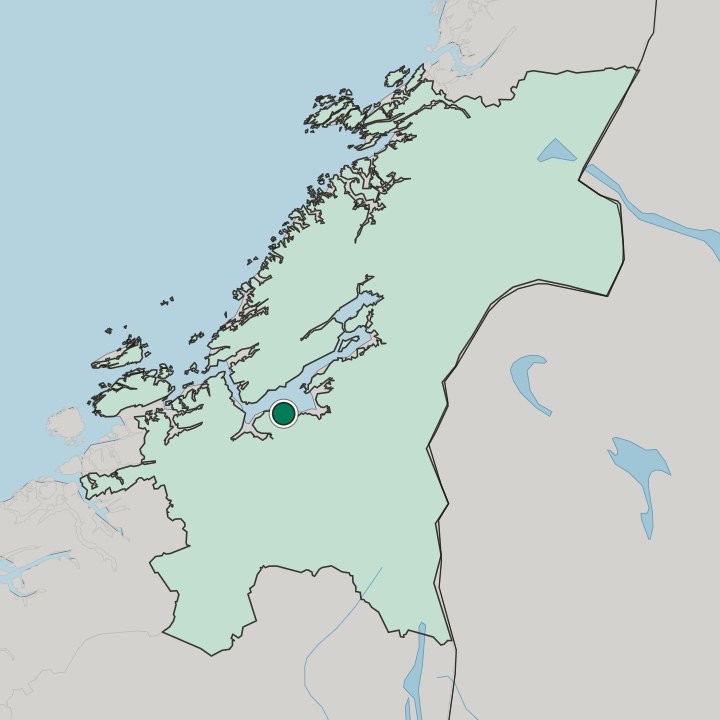
The Nidelva makes the city's shape. Its last bend wraps the old centre in a tight loop before the river empties into the Trondheimsfjord, the wide arm of sea that gives Trondheim a sheltered harbour in central Norway. Trøndelag spreads out from here.
Low ridges frame the bowl of the town, with the Tyholttårnet tower marking the eastern high ground and the Lade headland walking out into the fjord past Lade kirke.
What is the climate of Trondheim?
The fjord softens every season. Air off the Trondheimsfjord keeps winters milder than the deep valleys of Trøndelag, though snow still settles on the ridges above Tyholt, and the river bend can sit grey and wet for weeks when Atlantic weather streams in. Summer light runs long.
June evenings stretch far over the water, mild rather than hot, and the season turns crisp early as the city slides toward its dark, lamp-lit winter months.
How do you get to Trondheim?
Most journeys arrive along the fjord. Trains from the south run up the valleys of central Norway and pull in beside the harbour, a short walk from Rockheim and the piers, while coastal boats work the Trondheimsfjord and flights connect through an airport a short train ride along the shore. The station faces the quays.
From there the old centre is minutes away across the bridge into the river bend, with the spires of Nidarosdomen as the landmark to steer by.
Common questions
What is the best area to stay in Trondheim?
The river bend: a first visit on foot among the spires. Harbour quays: late arrivals and museum mornings by the water. Lade headland: green walks from Ringve Musikkmuseum to the shore.
Good for
More cities in Trøndelag
Updated October 2026