Norway · Trøndelag
Where to Stay in Røros, Trøndelag
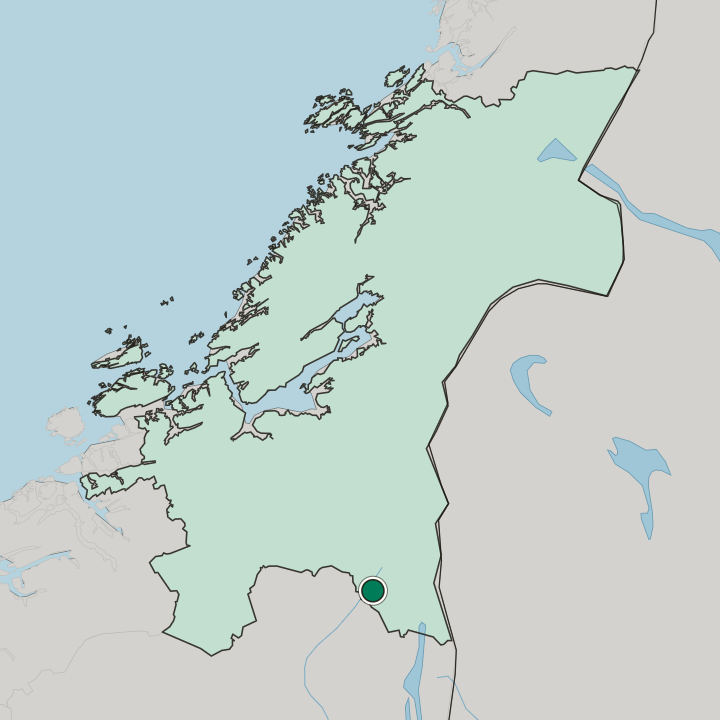
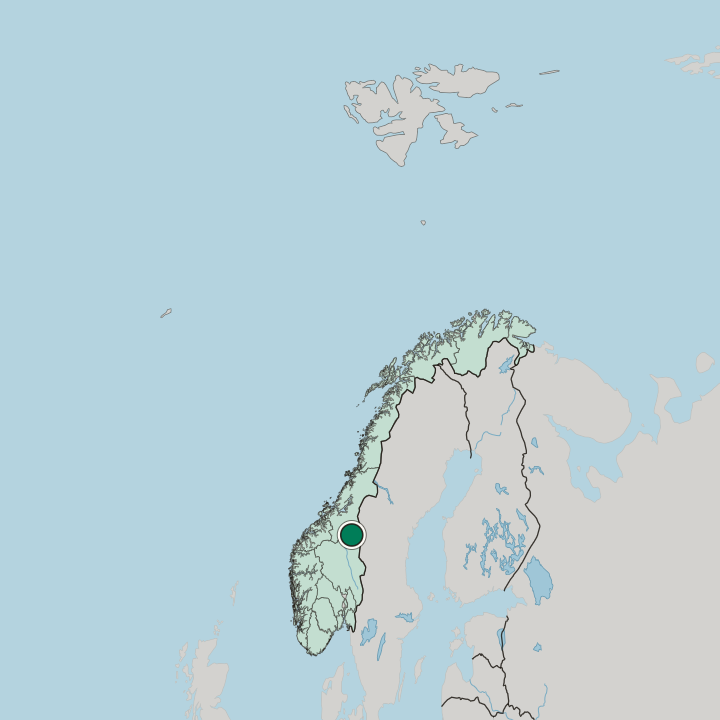
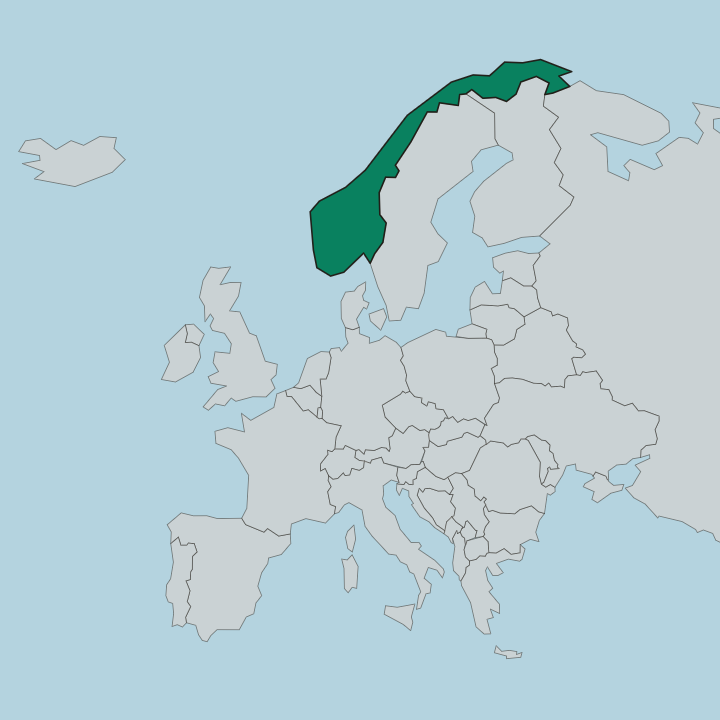
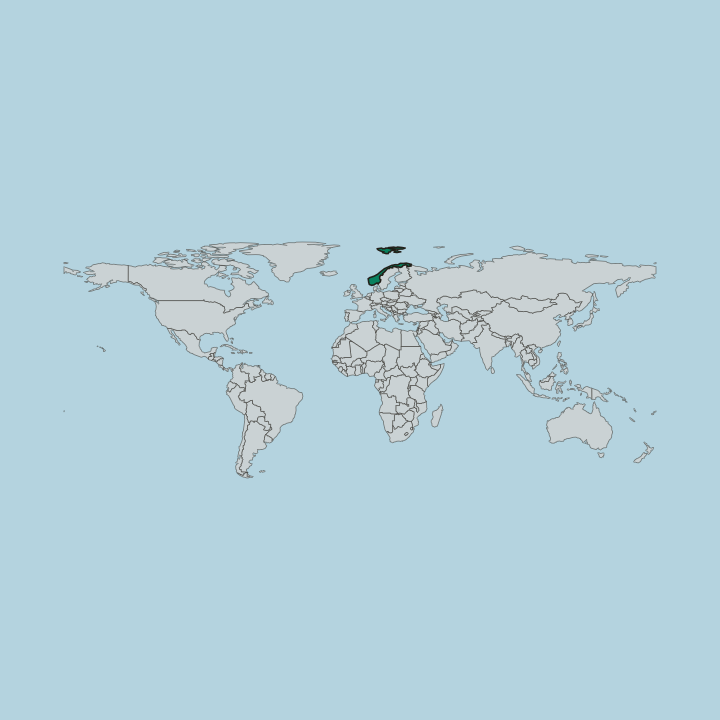
Røros is a historic copper-mining town in the south-eastern part of Trøndelag, in central Norway.
Hotel links are affiliate links: booking through them may earn us a commission, at no extra cost to you. It never affects how places are ranked. How this works


Where to stay in Røros
Where visitors usually base themselves, and why.
Røros keeps its rooms in the old wooden town, the obvious base for a traveller drawn to the mining heritage of this part of Trøndelag. The core around the Røros kirke holds the beds a visitor wants, set among the preserved houses of the World Heritage quarter and within a walk of the old works, and it suits you if you want the historic streets on foot. Stay here for the town itself.
Travellers drawn to the deeper record lean toward the ground near the Pressemuseet Fjeld-Ljom and the old timber house at Bekholdtgården, which keep the working memory of the place. Visitors using the town as a base keep to the edge of the centre, near the Røros kapell and within reach of the playing fields of Øra stadion. Beds fill fast in a heritage town this size.
Book the central rooms well ahead through the warm months, when the World Heritage quarter draws its visitors and the streets of Røros fill around the season.
Find hotels in Røros
Direct booking searches for these neighbourhoods.
World Heritage quarter
central rooms among the preserved houses by the Røros kirke. Lodging is scarce in this area; reserve in advance.Find hotels in World Heritage quartertravellers drawn to the deeper working recordMuseum ground
rooms near the Pressemuseet Fjeld-Ljom and the old house at Bekholdtgården. Rooms are few around here — worth securing early.Find hotels in Museum groundtravellers using the heritage town as a baseEdge of the centre
quieter ground near the Røros kapell and the fields of Øra stadion. Lodging is scarce in this area; reserve in advance.Find hotels in Edge of the centreHotel links are affiliate links: booking through them may earn us a commission, at no extra cost to you. It never affects how places are ranked. How this works
Things to do in Røros
Ranked by global recognition; descriptions from Wikidata (CC0).
Museums & Galleries
1- Pressemuseet Fjeld-Ljom
Churches & Religious Sites
2- Røros Church Heritage
- Røros Chapel
Stadiums & Sports
1- Øra stadion
Landmarks & Notable Places
1- Bekholdtgården house
worth knowingacross 4 categories in Røros
About Røros
Røros is the copper town.
What is Røros known for?
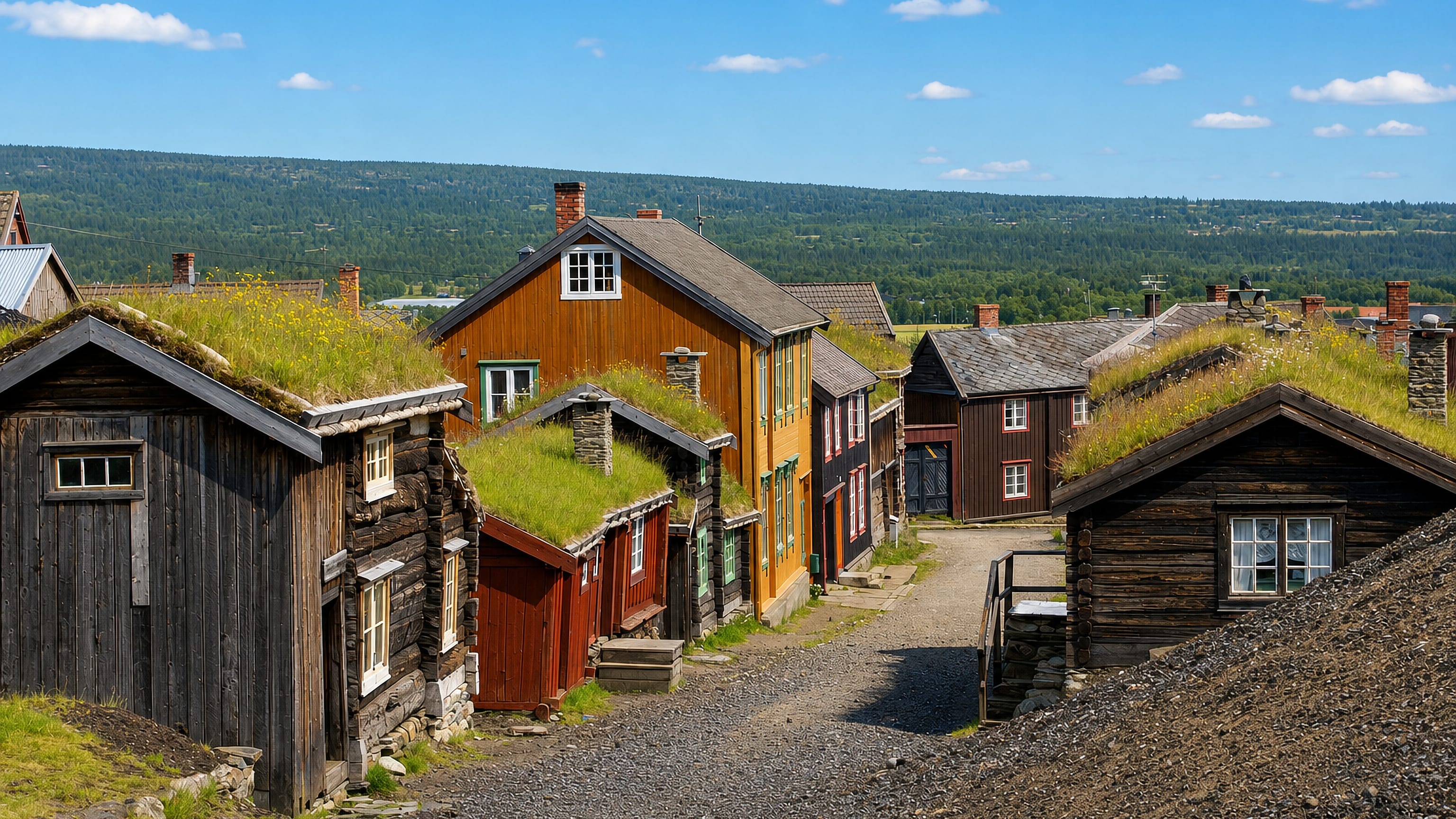
Its old mining quarter stands on the UNESCO World Heritage List as the Røros Mining Town and the Circumference, the record of a copper mine that worked for more than three centuries in the south-eastern part of Trøndelag. The copper made the place. The wooden town gathers below the Røros kirke, the great church of the mining settlement, and the streets keep the old houses of the works whole, holding the town's standing as the historic heart of this corner of central Norway.
What are the main landmarks in Røros?
The town itself is the great landmark. Its preserved wooden quarter stands on the UNESCO World Heritage List as the Røros Mining Town and the Circumference, and the Røros kirke rises over the streets as the imposing church of the old copper settlement. Smaller marks fill the centre.
The Røros kapell serves the town beside the great church, the Pressemuseet Fjeld-Ljom keeps a working museum of the place's record, and the old timber house at Bekholdtgården stands among the heritage streets in this south-eastern corner of Trøndelag.
What is the history of Røros?
Røros was born of copper. The town was established in the 1600s because of the copper mine that opened on the high inland ground of the south-eastern part of Trøndelag, and that mine worked for more than three centuries as the reason the settlement existed. The ore built everything.
Around the works the wooden town grew, raising the great Røros kirke over its streets as the church of the mining community and crowding the slopes with the timber houses of the miners and the smelters, the quarter that the UNESCO World Heritage List now protects as the Røros Mining Town and the Circumference. The Røros kapell came to serve the town beside the great church, and the working memory of the place is kept in the Pressemuseet Fjeld-Ljom and in old houses such as Bekholdtgården among the heritage streets. That unique history of the copper works still dominates the town.
The mine has closed, yet the World Heritage quarter holds the long story of Røros whole across this high corner of central Norway, and the old town remains its own greatest monument.
Where is Røros?
Røros lies on high inland ground in the south-eastern part of Trøndelag, in central Norway, where the copper town sits among open mountain country. The land around the town runs cold and bare, the wide upland plateau of the inland reaches spreading away from the streets toward the hills and the old mining ground beyond. High country rules the place.
The wooden quarter and the Røros kirke stand together on the slope above the works, and the wider region of Trøndelag stretches across the uplands and inland from the town.
What is the climate of Røros?
Røros carries the hard, cold weather of the high inland country in the south-eastern part of Trøndelag, set on an open upland in central Norway. Winters run long and bitter on the exposed plateau, the deep frost gripping the wooden quarter and the streets of the old copper town, while summers stay short and bright under the long northern daylight that lingers late over the heritage houses. The high ground bites hard.
The bare upland holds the cold long into the year, the frost settling over the town and the mining ground above it, and the wider district carries the same hard weather across the uplands of Trøndelag.
How do you get to Røros?
Rail reaches the high town. Røros sits on a railway that climbs to the upland in the south-eastern part of Trøndelag, so trains arrive through the inland country from the larger places of the region, and buses run from the centre across the open plateau to the outlying ground. The line climbs to the heights.
Drivers come in across central Norway on the mountain roads that thread the uplands to the old copper town, and the heritage quarter stands as the draw for the travellers who reach it.
Common questions
What is the best area to stay in Røros?
World Heritage quarter: visitors who want the old copper town on foot. Museum ground: travellers drawn to the deeper working record. Edge of the centre: travellers using the heritage town as a base.
Good for
More cities in Trøndelag
Updated October 2026