Norway · Trøndelag
Where to Stay in Levanger, Trøndelag
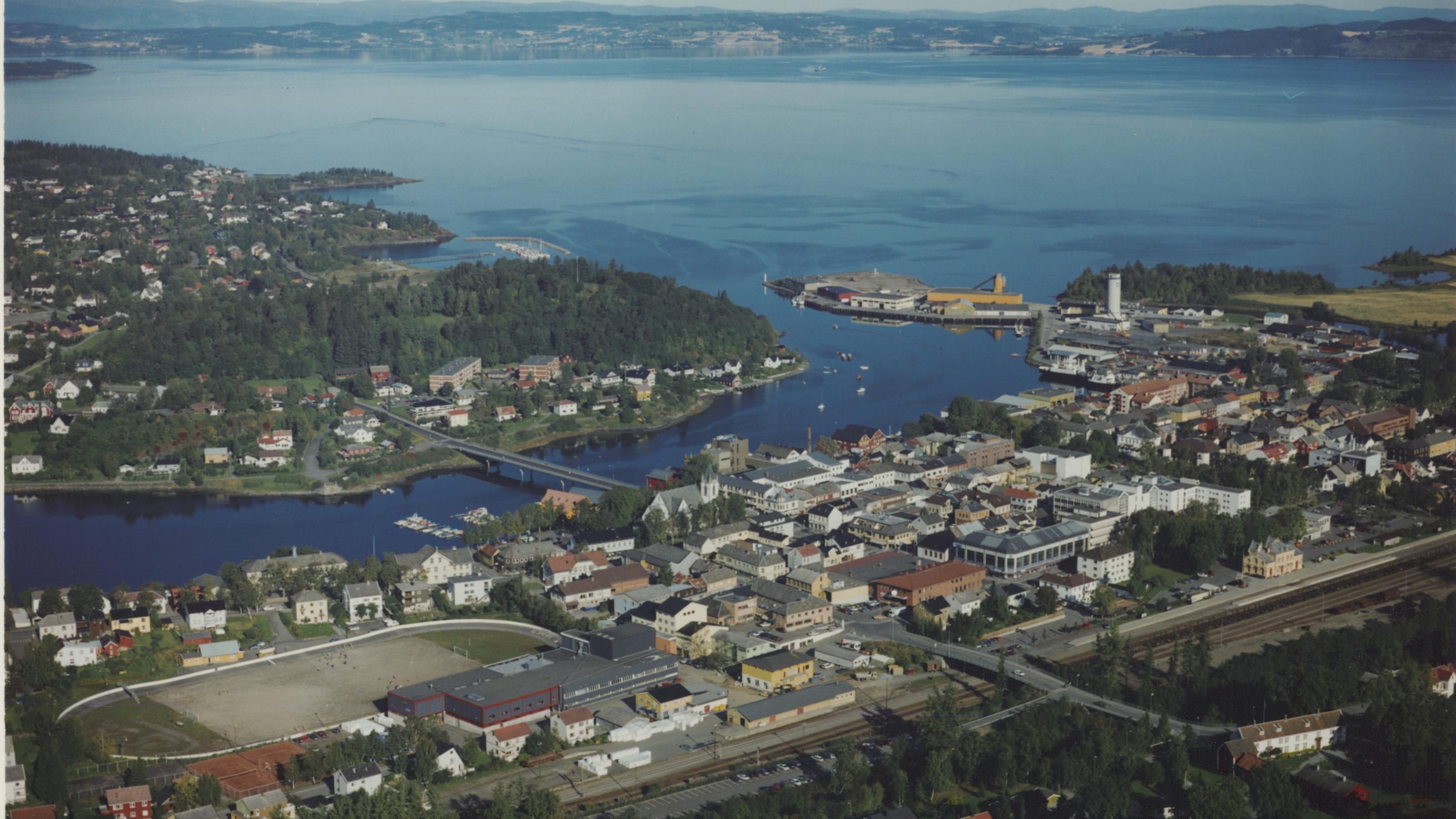
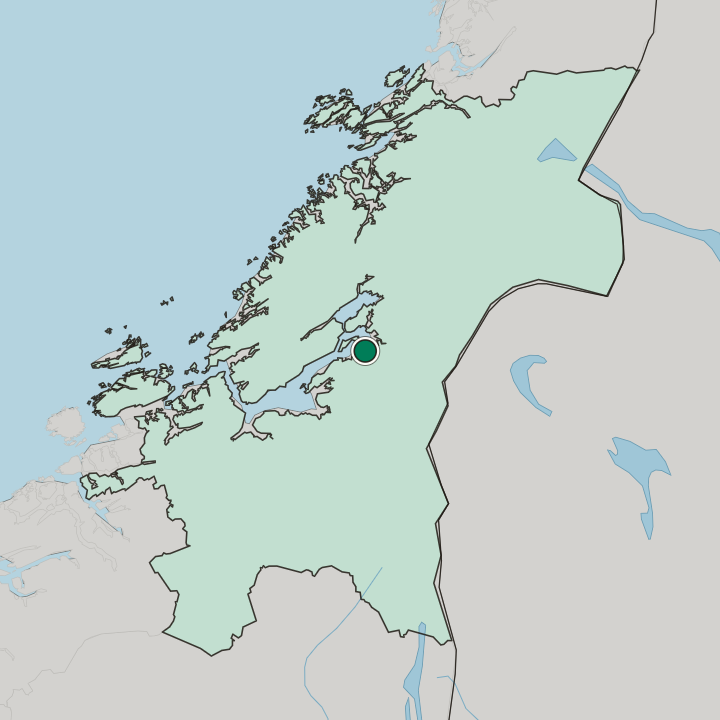
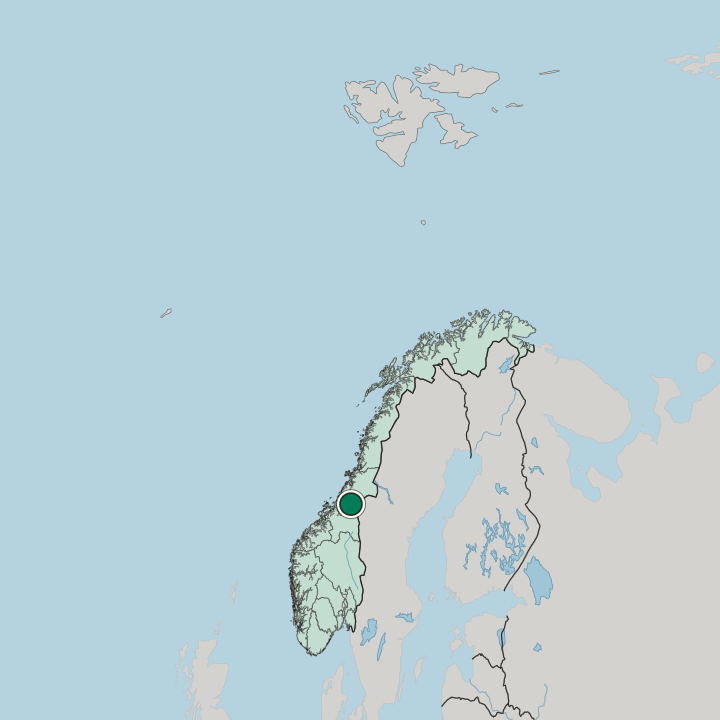
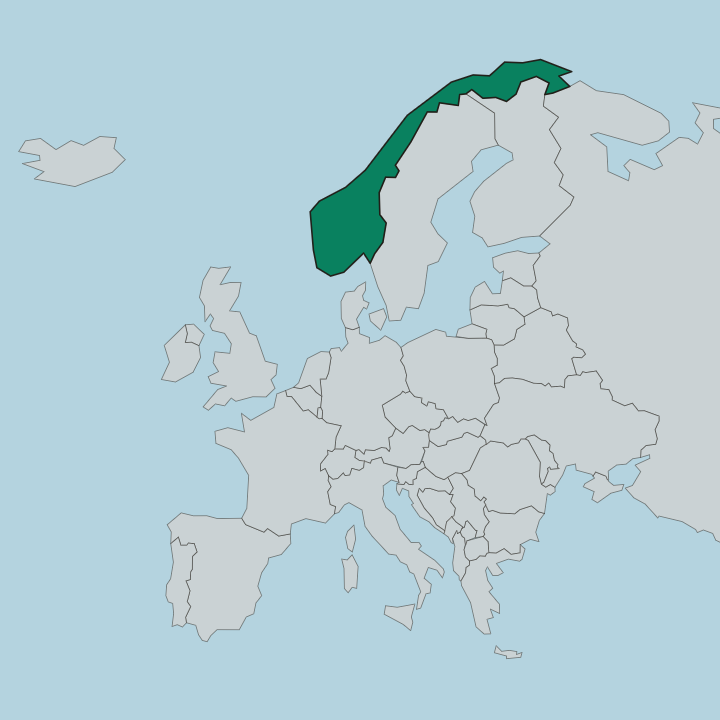
Levanger is a town and municipality in the north-eastern part of Trøndelag, in central Norway.
Hotel links are affiliate links: booking through them may earn us a commission, at no extra cost to you. It never affects how places are ranked. How this works


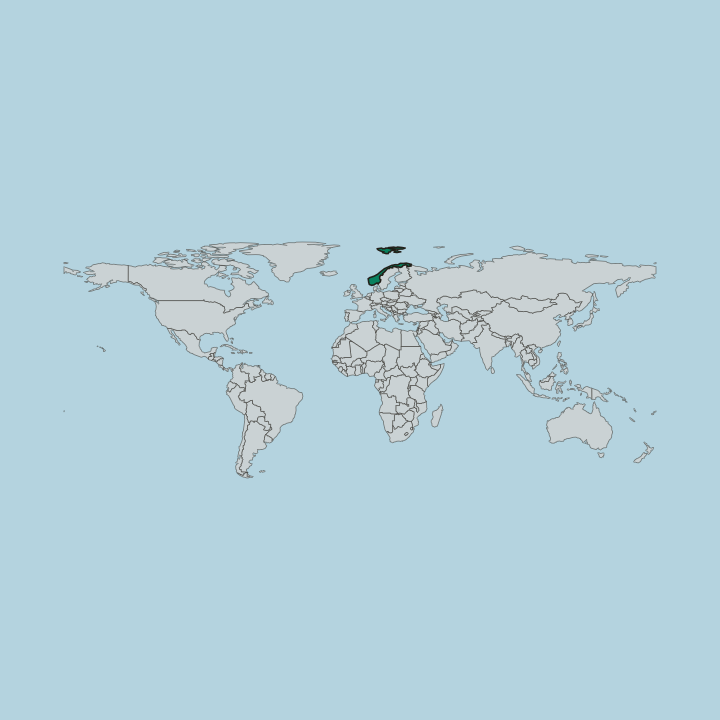
Where to stay in Levanger
Where visitors usually base themselves, and why.
Most beds gather in the old town. Levanger keeps its lodging in the wooden town centre around Levanger kirke, where the streets of timber houses hold the hotels, guesthouses, and rooms within walking reach of the museum and the waterfront. Stay here for the timber streets.
The centre is the natural base for visitors who come for the historic streets, the Levanger Fotomuseum, and the fjord-side setting of north-eastern Trøndelag. Out on the surrounding farmland, the quieter country near Alstadhaug kirke and Okkenhaug kirke offers farm stays and rural rooms for drivers and families touring the parishes. On the island of Ytterøy, reached by ferry, a few rooms near Ytterøy kirke suit travellers who want the calm of the water and the small farms there.
For sport and events, beds fill near Remyra stadion. Book the town-centre hotels ahead in the busy weeks, since central Levanger keeps the bulk of the rooms in the district.
Find hotels in Levanger
Direct booking searches for these neighbourhoods.
Levanger old town
timber-house hotels by Levanger kirke and Levanger FotomuseumFind hotels in Levanger old towndrivers touring the country parishesAlstadhaug farmland
farm stays near Alstadhaug kirke on the open ground. Few places to stay nearby — book ahead.Find hotels in Alstadhaug farmlandferry travellers seeking the quiet of the waterYtterøy island
a few rooms by Ytterøy kirke on the small offshore farms. Few places to stay nearby — book ahead.Find hotels in Ytterøy islandHotel links are affiliate links: booking through them may earn us a commission, at no extra cost to you. It never affects how places are ranked. How this works
Things to do in Levanger
Ranked by global recognition; descriptions from Wikidata (CC0).
Museums & Galleries
1- Levanger Museum of Photography
Churches & Religious Sites
4- Alstadhaug Church Heritage
- Levanger Church Heritage
- Okkenhaug Church Heritage
- Ytterøy Church Heritage
Stadiums & Sports
1- Remyra stadion
worth knowingacross 3 categories in Levanger
About Levanger
A wooden town centre defines it.
What is Levanger known for?
The municipality spreads across the north-eastern part of Trøndelag, gathering several historic parishes that run from Levanger kirke in the heart of the old timber streets out to Alstadhaug kirke standing alone on the open farmland. Visitors come for that church country, for the Levanger Fotomuseum in the old town, and for the quiet island of Ytterøy offshore. It is a settled fjord-side town of central Norway.
What are the main landmarks in Levanger?
The churches lead. Levanger kirke stands in the town centre, while the heritage churches of Alstadhaug kirke, Okkenhaug kirke, and Ytterøy kirke mark the older parishes across the farmland and the island of Ytterøy. The old town adds its museum.
The Levanger Fotomuseum keeps the photographic history of the district in the wooden streets, and sport gathers at Remyra stadion. Together the churches, the museum, and the timber town hold what there is to see in this corner of Trøndelag.
What is the history of Levanger?
Levanger grew up as a market and church town of inner Trøndelag. The old parishes took shape early, gathered around heritage churches such as Alstadhaug kirke and Okkenhaug kirke on the farmland and Ytterøy kirke out on its island, each the centre of a settled rural district. Trade gathered by the water.
The town itself rose by the fjord in the north-eastern part of Trøndelag, building the wooden streets that still stand around Levanger kirke, and over time it served as a meeting point for the farms and parishes of the inner country. Its old fabric held. The timber town survived where many wooden Norwegian towns burned, and its streets now carry the Levanger Fotomuseum and the everyday life of central Norway.
Levanger remained a town of farms, fjord, and church, keeping the character that its long history gave it at the inner edge of Trøndelag.
Where is Levanger?
Levanger lies by the fjord in the north-eastern part of Trøndelag, in central Norway. The town stands on the inner shore where farmland runs down to the water, with low hills and woods rising behind it and the island of Ytterøy lying offshore. The municipality spreads across this country of farms, fjord, and forest.
Water shapes the edge of it. Beyond the cultivated ground the inland hills of Trøndelag climb away from the fjord, and ferries link the town to Ytterøy and the smaller settlements on the water.
What is the climate of Levanger?
Levanger has the cool, changeable weather of inner Trøndelag. Winters are cold and snowy, with frost settling over the farmland and the fjord shore, while summers turn mild and green under a long northern daylight that keeps the wooden streets around Levanger kirke bright far into the evening. The fjord softens the edge.
Its water moderates the cold a little along the shore, though the inland hills behind the town hold sharper frost and deeper snow than the coast of central Norway.
How do you get to Levanger?
The railway runs through the town. Levanger sits on the main line up the inner country of Trøndelag, with trains calling at its station near the wooden town centre, so the town is an easy rail journey from the larger cities of central Norway. Roads follow the fjord shore.
Drivers reach Levanger along the main road through the north-eastern part of Trøndelag, and a ferry crosses the water to the island of Ytterøy. Buses link the station to the surrounding parishes and farms.
Common questions
What is the best area to stay in Levanger?
Levanger old town: the wooden town centre and museum. Alstadhaug farmland: drivers touring the country parishes. Ytterøy island: ferry travellers seeking the quiet of the water.
Good for
More cities in Trøndelag
Updated October 2026