Norway · Trøndelag
Where to Stay in Årnes, Trøndelag
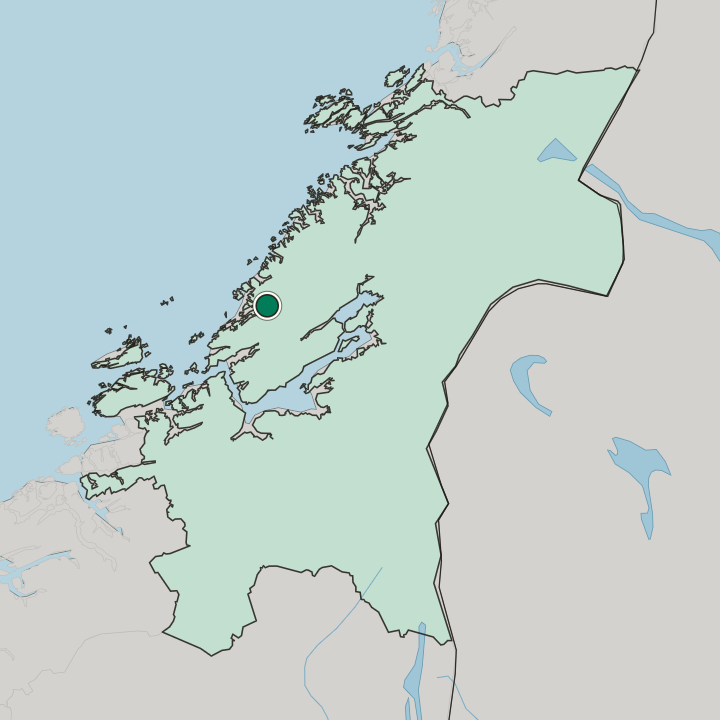
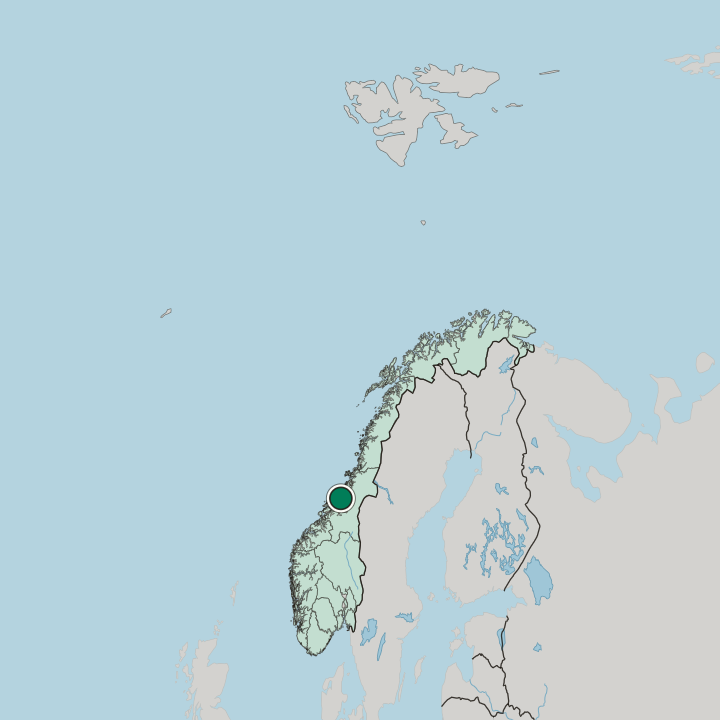
Årnes is a small centre in the northern part of Trøndelag, in central Norway, near Åfjord and Stoksund.
Hotel links are affiliate links: booking through them may earn us a commission, at no extra cost to you. It never affects how places are ranked. How this works


Where to stay in Årnes
Where visitors usually base themselves, and why.
Årnes is a small base for the coast and rivers of Åfjord rather than a hotel town. Lodging near the coast is limited. Travellers who reach this northern part of Trøndelag come for the salmon water and open shore, and they stay near the small centre, within reach of Åfjord kirke, Stoksund kirke, and the salmon museum at Fredmoen.
It suits you if the trip turns on fishing, boating, and walking the shoreline rather than on shops or nightlife. Rooms gather near the centre and the settlements around Åfjord and Stoksund, the practical cores where the road, the churches, and local services come together by the water. Beyond that the land thins into shore, river, and low hills with little built upon it.
Many visitors use Årnes as a quiet coastal base, sleeping near the centre and ranging out by day along the rivers and shore of this part of central Norway.
Find hotels in Årnes
Direct booking searches for these neighbourhoods.
Årnes and the Åfjord centre
the small core where the road, Åfjord kirke, and the salmon museum at Fredmoen gather near the water. Few places to stay nearby — book ahead.Find hotels in Årnes and the Åfjord centrethe open shore and quieter settlementsToward Stoksund
the coastal pockets out by Stoksund kirke, ranged into by day along the shoreline. Beds are limited here, so book early.Find hotels in Toward StoksundHotel links are affiliate links: booking through them may earn us a commission, at no extra cost to you. It never affects how places are ranked. How this works
About Årnes
What is Årnes known for?
Salmon water runs through it. Årnes anchors a coastal stretch of the northern part of Trøndelag near Åfjord and Stoksund, where the wooden Åfjord kirke and Stoksund kirke stand among the settlements and the salmon museum at Fredmoen tells the story of the rivers. People come for the fishing, the water, and the quiet shore rather than for any town. The pull here is the coast and rivers of this corner of central Norway.
What are the main landmarks in Årnes?
Three sights stand out. Åfjord kirke and Stoksund kirke are wooden churches of the district, both listed as protected heritage, while Fredmoen is a salmon museum at Åfjord that records the long story of the rivers. They sit among the settlements rather than apart. What truly marks this northern part of Trøndelag, though, is the coast and the salmon water itself, the shore, rivers, and low hills around Årnes that draw visitors to this reach of central Norway far more than any single building does.
What is the history of Årnes?
Årnes belongs to a coast of rivers. It grew as a small settlement in the northern part of Trøndelag, near Åfjord and Stoksund, where fishing, small farms, and the salmon rivers gave a scattered population its living long before any modern road tied the district to the rest of central Norway. The wooden churches anchored that community. Åfjord kirke and Stoksund kirke gave the farms and fishing families along the shore a shared place to gather, to mark the turning of the year, and to bind together people spread across a long coast.
The old life is kept at Fredmoen. A salmon museum at Åfjord still records how the rivers shaped work and trade, season after season, in a place where water mattered far more than any street. Årnes never grew large. Rather than become a market town, it kept its place as a modest coastal centre in a district whose true scale is measured in shore, river, and open sea rather than in buildings.
Where is Årnes?
The setting is coast and river. Årnes lies in the northern part of Trøndelag, near Åfjord and Stoksund, where shore, salmon rivers, and low hills spread across a sparsely peopled district along an indented seaboard. This is subpolar terrain, on the coast of central Norway, shaped by water and weather more than by any rise of land, with the rivers and open shore reaching past the small centre toward the wider sea.
What is the climate of Årnes?
The sea softens the cold. Årnes has a subpolar coastal climate, with long, dim winters of wind and weather drawing in over the shore around Åfjord, eased a little by the water, and short, bright summers when the northern light lingers late into the evening. Spring and autumn are brief and changeable. Out on this coast of central Norway, the year turns as much on darkness and light as on cold and warmth.
How do you get to Årnes?
Getting here takes a coastal drive. Årnes sits along the shore roads of the Åfjord district in the northern part of Trøndelag, reached chiefly by car and by the ferry and boat links that knit this stretch of coast together rather than by any close airport or rail line. Distances along the Åfjord shore add up. Roads wind between shore and hill, crossings keep their own timetables, and the journey itself becomes part of arriving in this coastal corner of central Norway.
Common questions
What is the best area to stay in Årnes?
Årnes and the Åfjord centre: a practical coastal base by the salmon rivers. Toward Stoksund: the open shore and quieter settlements.
Good for
More cities in Trøndelag
Updated September 2026