Norway · Trøndelag
Where to Stay in Berkåk, Trøndelag
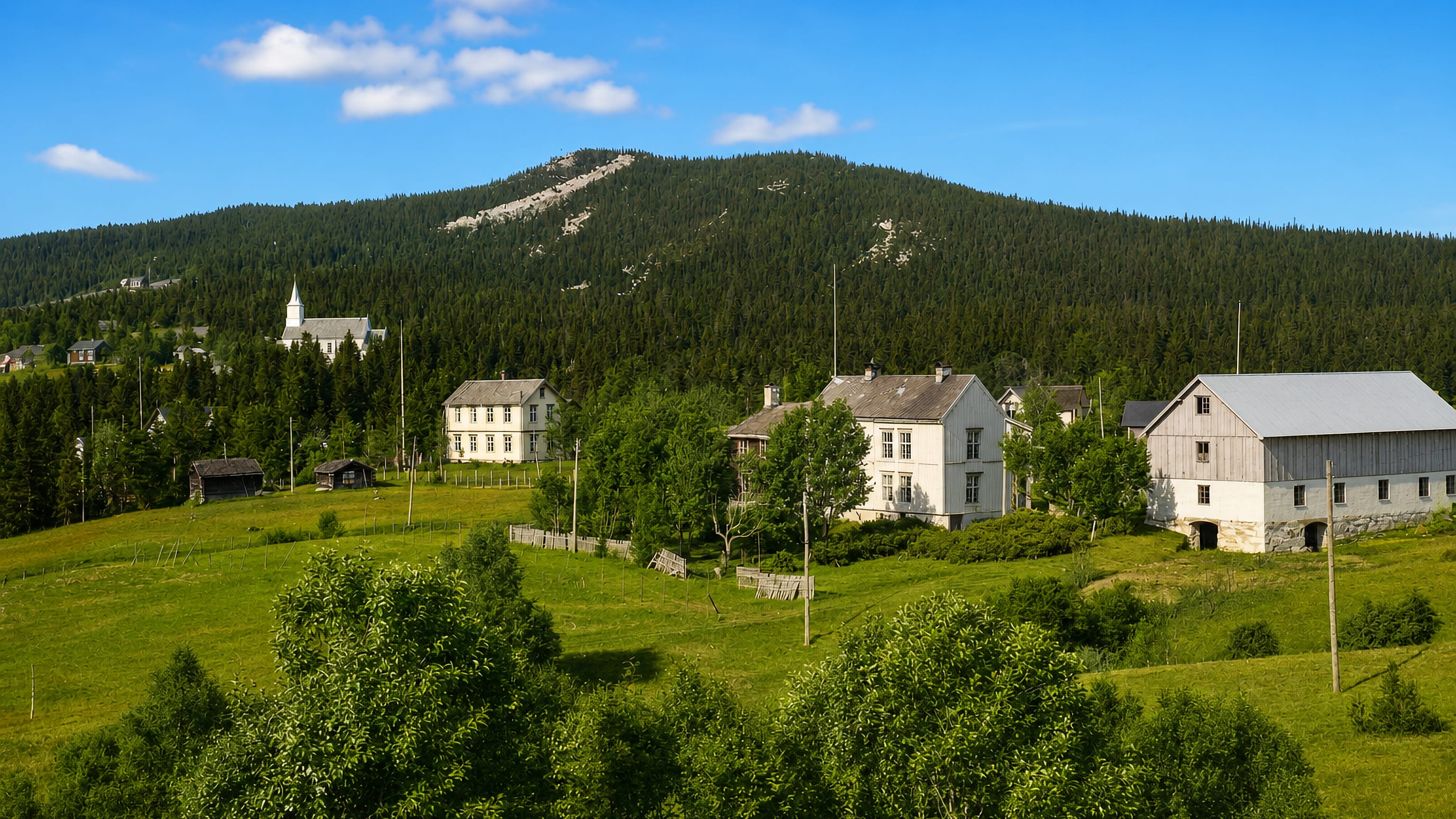
Berkåk is a roadside village in the Orkladalen valley in central Norway (Trøndelag), the seat of Rennebu Municipality.
Hotel links are affiliate links: booking through them may earn us a commission, at no extra cost to you. It never affects how places are ranked. How this works


Where to stay in Berkåk
How the choice of base plays out on the ground.
Beds in Berkåk follow the road. This is a small roadside centre in the Orkladalen valley, the seat of Rennebu Municipality, built for the traffic on the European route E6 rather than for sightseeing, so lodging gathers near the centre by Berkåk kirke and the through route. Stay here to break a long drive.
The core around the church and Berkåk Station carries what rooms there are, within easy reach of the everyday shops and the railway halt, and it suits travellers crossing the southern part of Trøndelag who want a night between longer stretches of road. Out along the Orkla toward Ulsberg, ten kilometres south, and Stamnan to the north-west, the houses thin and beds grow scarce among the valley farms. Drivers touring off the main route should fix a base before nightfall.
Rooms can tighten when the highway traffic peaks. Book ahead then, since the village holds no surplus of lodging beyond its working need.
Find hotels in Berkåk
Direct booking searches for these neighbourhoods.
Berkåk centre
rooms by Berkåk kirke and the through route near the railway haltFind hotels in Berkåk centrearrivals on the Dovrebanen lineAround Berkåk Station
lodging close to the railway halt and the everyday shopsFind hotels in Around Berkåk Stationdrivers touring off the highwayOrkla valley farms
thinning farmhouses along the Orkla toward Ulsberg and Stamnan. Few places to stay nearby — book ahead.Find hotels in Orkla valley farmsHotel links are affiliate links: booking through them may earn us a commission, at no extra cost to you. It never affects how places are ranked. How this works
About Berkåk
Berkåk is a road and rail stop.
What is Berkåk known for?
It stands in the Orkladalen valley along the river Orkla as the administrative centre of Rennebu Municipality, in the southern part of Trøndelag, with the European route E6 and the Dovrebanen line both running straight through it. Travellers know it mainly as a place to pause on the long route north or south. Berkåk kirke marks the village centre, and the older Rennebu kirke and Innset kirke stand out among the surrounding farms of this central-Norway valley.
What are the main landmarks in Berkåk?
Berkåk kirke is the village landmark. The listed church stands at the centre of the roadside settlement and gives it its focus, the parish church of Rennebu Municipality. Out among the farms of the Orkladalen valley stand two older churches, Rennebu kirke and Innset kirke, both listed and tied to the wider district along the river Orkla.
These churches are the things worth seeking out around the village. Berkåk Station, the halt on the Dovrebanen line, marks the centre as much as the church does.
What is the history of Berkåk?
Berkåk grew on a route. For long generations the Orkladalen valley along the river Orkla was farming and church country in the southern part of Trøndelag, its households scattered between the old congregations at Rennebu kirke and Innset kirke well before any centre gathered at Berkåk. The valley was a corridor.
Travellers and trade had always moved north and south through it, and when the Dovrebanen railway pushed across the high country the line stopped at Berkåk, drawing a small centre to the halt where Berkåk Station and later Berkåk kirke marked the village. The European route E6 followed the same valley, fixing the place as the road and rail stop for the wider district. The administrative role settled here, and the village became the seat of Rennebu Municipality.
Through it all Berkåk stayed small. A working stop on the route through central Norway.
Where is Berkåk?
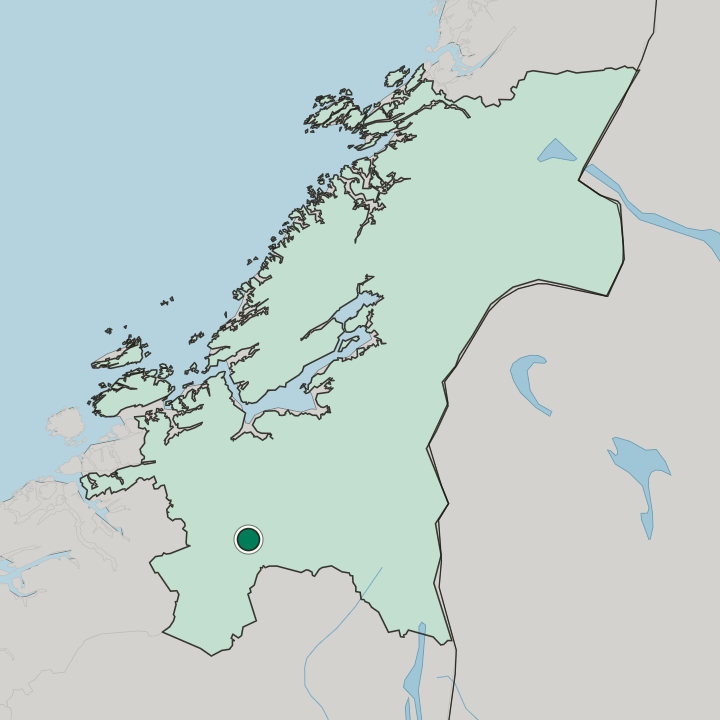
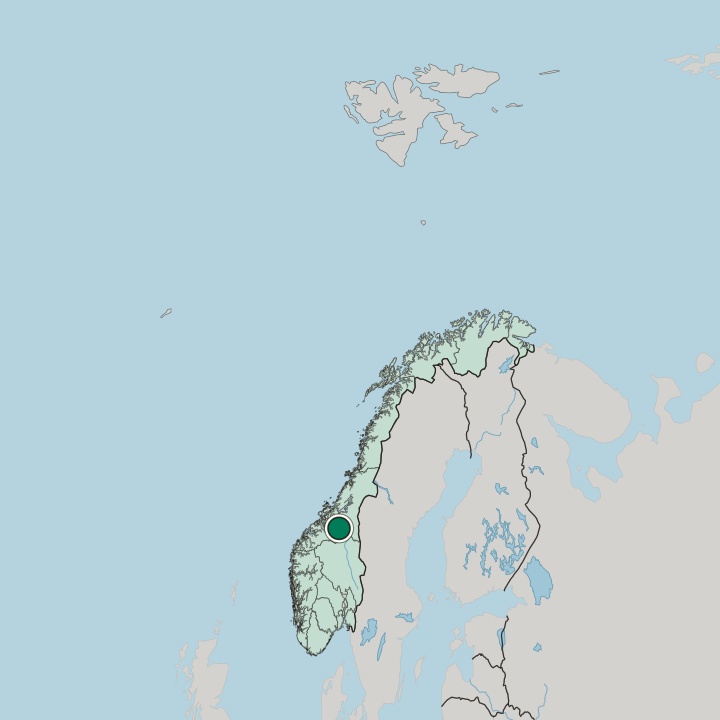
Berkåk lies in the Orkladalen valley in the southern part of Trøndelag. The village sits along the river Orkla where the valley carries the through route, with low farmland and wooded slopes around the centre near Berkåk kirke. Ulsberg lies about ten kilometres south.
Stamnan stands some eight kilometres to the north-west, and the valley runs on between the high country, threading the European route E6 and the Dovrebanen line through this corner of central Norway.
What is the climate of Berkåk?
Berkåk has a cold inland-valley climate. Winters run long and snowy along the Orkladalen valley, with hard frost holding over the river Orkla and the fields around Berkåk kirke through the dark months, while the short summers stay cool and green under a long northern daylight that lingers far into the bright sub-arctic evening over the valley. Spring comes late this far up.
Snow lies through much of the year on the high country either side, and the valley funnels the wind along its length.
How do you get to Berkåk?
The road and rail run through it. Berkåk sits on the European route E6 in the Orkladalen valley, in the southern part of Trøndelag, so most travellers reach it by car on the long highway north or south through central Norway. The train stops here too.
The Dovrebanen line calls at Berkåk Station in the village centre, and buses link the place to Ulsberg, Stamnan, and the wider Rennebu Municipality along the valley road.
Common questions
What is the best area to stay in Berkåk?
Berkåk centre: a stop on the long drive north. Around Berkåk Station: arrivals on the Dovrebanen line. Orkla valley farms: drivers touring off the highway.
Good for
More cities in Trøndelag
Updated September 2026