Norway · Trøndelag
Where to Stay in Botngård, Trøndelag
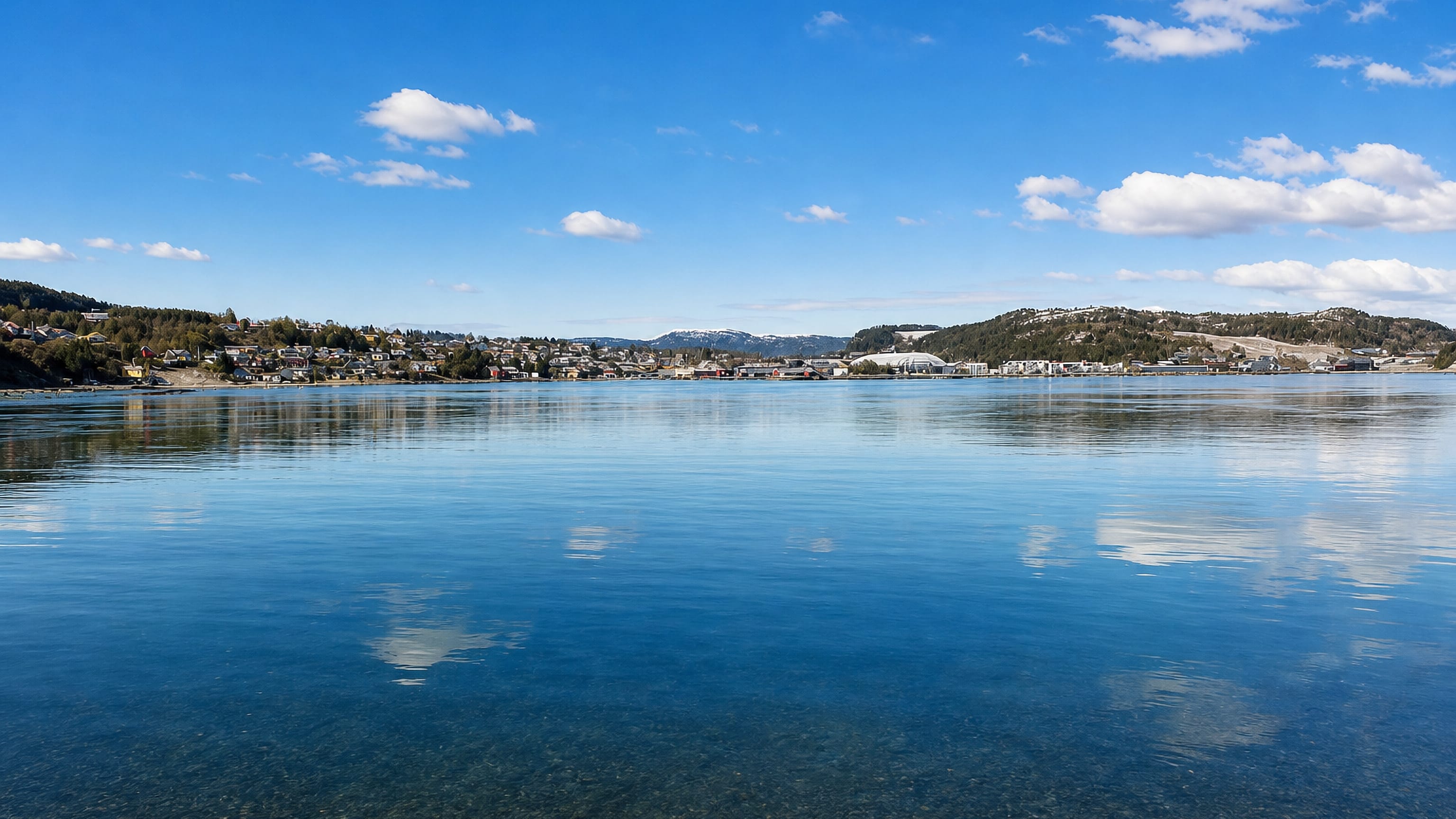
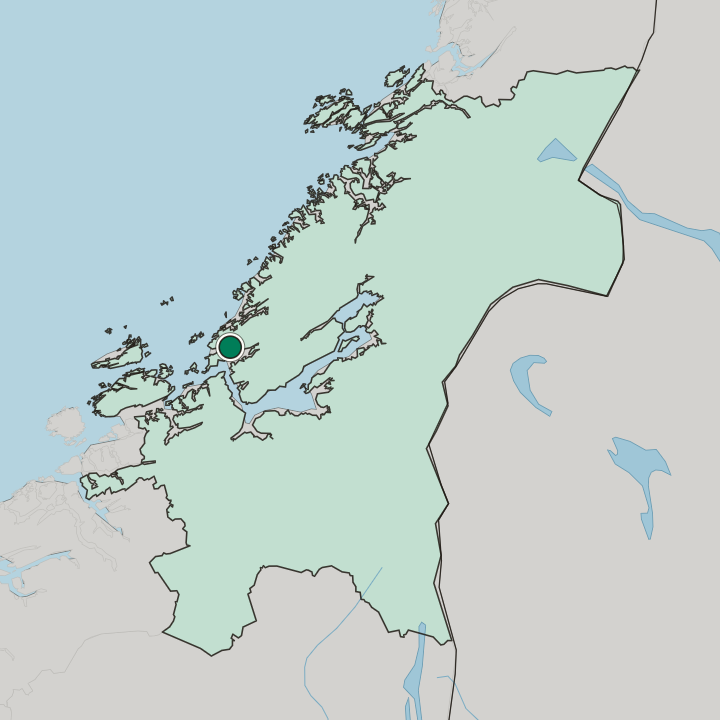
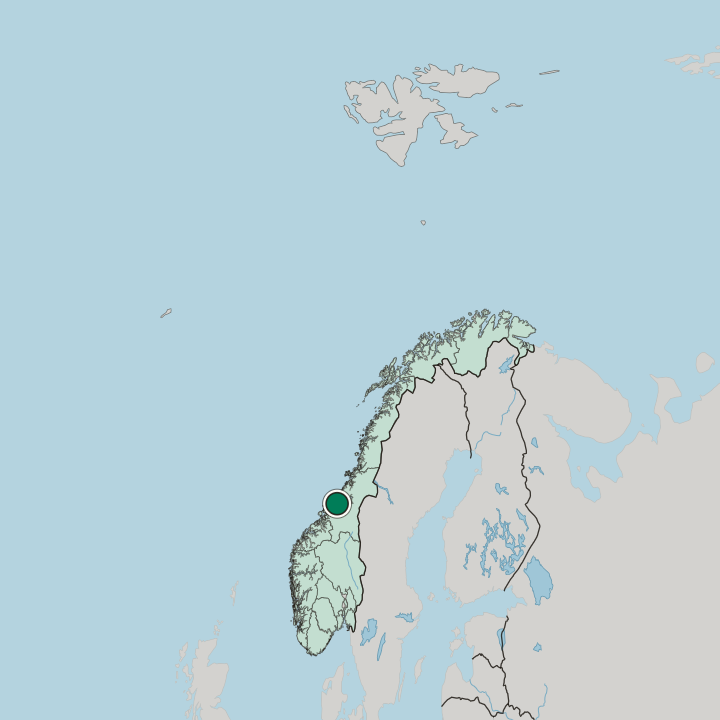
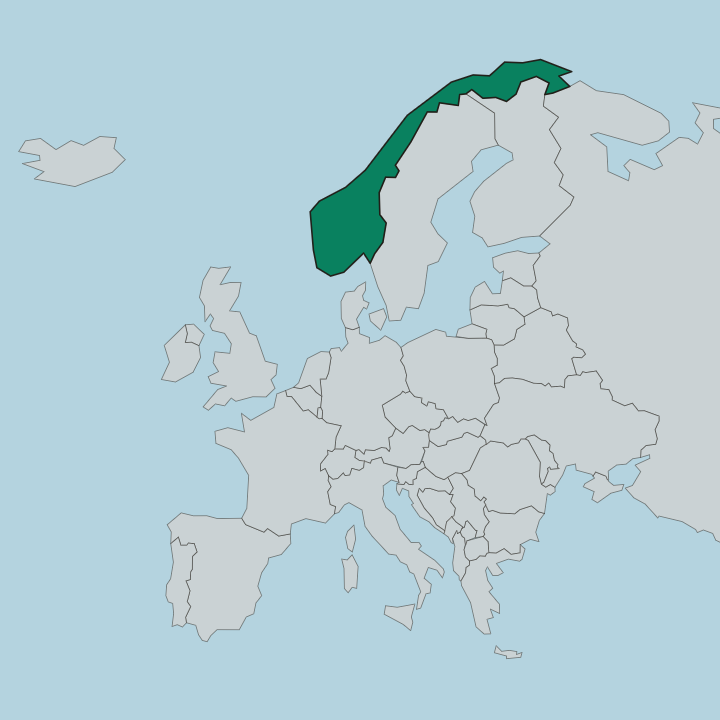
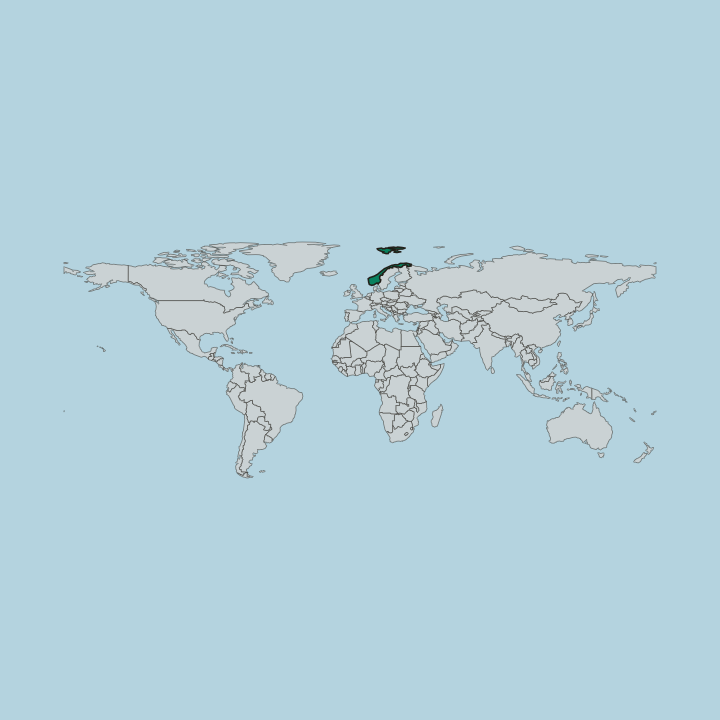
Botngård, or Bjugn, sits at the end of the Bjugnfjorden in central Norway (Trøndelag), the seat of Ørland Municipality.
Hotel links are affiliate links: booking through them may earn us a commission, at no extra cost to you. It never affects how places are ranked. How this works


Where to stay in Botngård
Where visitors usually base themselves, and why.
Lodging in Botngård runs thin. This is a small administrative centre at the head of the Bjugnfjorden, the seat of Ørland Municipality, so lodging gathers in the village core rather than along any tourist strip. Stay here for the fjord and the quiet.
The centre around Bjugn kirke holds what rooms there are, within easy reach of the council offices, the everyday shops, and the Hannah Ryggen-senteret, and it suits travellers who want a calm base on the north-western Trøndelag coast. Out toward Nes, twelve kilometres west, and the scattered church settlements at Hegvik and Jøssund, the houses thin and beds grow scarce, so drivers touring the peninsula should fix a base before nightfall. The wider Ørland area, where Ørland kirke and the old farm museum at Uthaugsgården stand, carries a little more lodging tied to the airbase and the coast.
Book ahead in the short bright summer. The village keeps no surplus of rooms beyond its own working need.
Find hotels in Botngård
Direct booking searches for these neighbourhoods.
Bjugn centre
the few rooms cluster by Bjugn kirke and the council offices. Few places to stay nearby — book ahead.Find hotels in Bjugn centredrivers touring the Bjugn and Ørland churchesNes and the church villages
thinning houses past Hegvik and Jøssund where beds grow scarce. Lodging is scarce in this area; reserve in advance.Find hotels in Nes and the church villagesvisitors to the airbase and old farmsØrland coast
more lodging near Ørland kirke and the Uthaugsgården museumFind hotels in Ørland coastHotel links are affiliate links: booking through them may earn us a commission, at no extra cost to you. It never affects how places are ranked. How this works
Things to do in Botngård
Ranked by global recognition; descriptions from Wikidata (CC0).
Museums & Galleries
2- Uthaugsgården
- Hannah Ryggen-senteret museum in Ørland
Churches & Religious Sites
5- Ørland Church Heritage church in Ørland
- Heggvik Church Heritage
- Jøssund Church Heritage
- Bjugn Church Heritage
- Nes Church Heritage church in Bjugn
worth knowingacross 2 categories in Botngård
About Botngård
Botngård is a fjord-head village.
What is Botngård known for?
Also called Bjugn, it stands at the inner end of the Bjugnfjorden as the administrative centre of Ørland Municipality, a working coastal community in the north-western part of Trøndelag rather than a tourist resort. The thing people associate with it is the Hannah Ryggen-senteret, the art centre devoted to the celebrated weaver, alongside the old church and farm museum at Uthaugsgården out toward Ørland. It is a quiet seat of local government on the Trøndelag coast.
What are the main landmarks in Botngård?
The Hannah Ryggen-senteret is the main draw. The centre honours the weaver whose tapestries gave the district its name in art, and it anchors the cultural life of the fjord village. Bjugn kirke stands at the heart of the settlement, one of a ring of listed churches that also includes Hegvik kirke, Jøssund kirke, and Nes kirke across the surrounding parishes.
Out toward the coast lie Ørland kirke and the preserved farm museum at Uthaugsgården. These churches and the old farmstead are the things worth seeking out around the Bjugnfjorden.
What is the history of Botngård?
Botngård grew at a fjord head. For long centuries this was farm and church country at the inner end of the Bjugnfjorden, a coastal parish in the north-western part of Trøndelag whose households gathered around Bjugn kirke and the older congregations at Hegvik and Jøssund. The sea shaped the work.
Fishing and farming carried the district, and the scattered parishes built their listed wooden churches one by one across the peninsula, from Nes kirke in the west to Ørland kirke out by the open coast. The village rose as the local centre, eventually taking the administrative role for the wider district and, after the municipal mergers reshaped the coast, becoming the seat of Ørland Municipality. The weaver Hannah Ryggen worked these shores, and the centre that carries her name now keeps that story.
Through it all Botngård stayed a small coastal seat. A working village at its fjord.
Where is Botngård?
Botngård lies at a fjord head. The village sits at the inner end of the Bjugnfjorden, in the north-western part of Trøndelag, where the water narrows among low coastal farmland and wooded rises around the centre near Bjugn kirke. Nes lies about twelve kilometres west, Høybakken some five kilometres south, and Oksvoll about nine kilometres north along the coast.
Beyond the peninsula the open sea spreads out toward Ørland kirke. It is an exposed central-Norway shore.
What is the climate of Botngård?
Botngård has a cool, wet coastal climate. The sea at the head of the Bjugnfjorden tempers the cold, so winters run grey and damp rather than deeply frozen, while the short summers stay mild and green under a long northern daylight that keeps the fjord and the surrounding fields bright far into the evening. Wind off the open coast is constant.
Rain falls across every season, heaviest in the dark months, and the exposed peninsula gives little shelter to the village at the fjord head.
How do you get to Botngård?
Travellers reach Botngård by road. Botngård sits at the head of the Bjugnfjorden in the north-western part of Trøndelag, reached by the coastal roads that run out along the peninsula past Høybakken to the south and on toward Oksvoll and Nes. No rail line runs out to the peninsula.
Buses link the village to the wider Ørland Municipality and the regional ferry and road network, while the nearby Ørland airbase and its airport tie this stretch of the Trøndelag coast to the rest of Norway for those coming from farther afield.
Common questions
What is the best area to stay in Botngård?
Bjugn centre: a quiet base at the fjord head. Nes and the church villages: drivers touring the Bjugn and Ørland churches. Ørland coast: visitors to the airbase and old farms.
Good for
More cities in Trøndelag
Updated October 2026