Norway · Trøndelag
Where to Stay in Frosta, Trøndelag
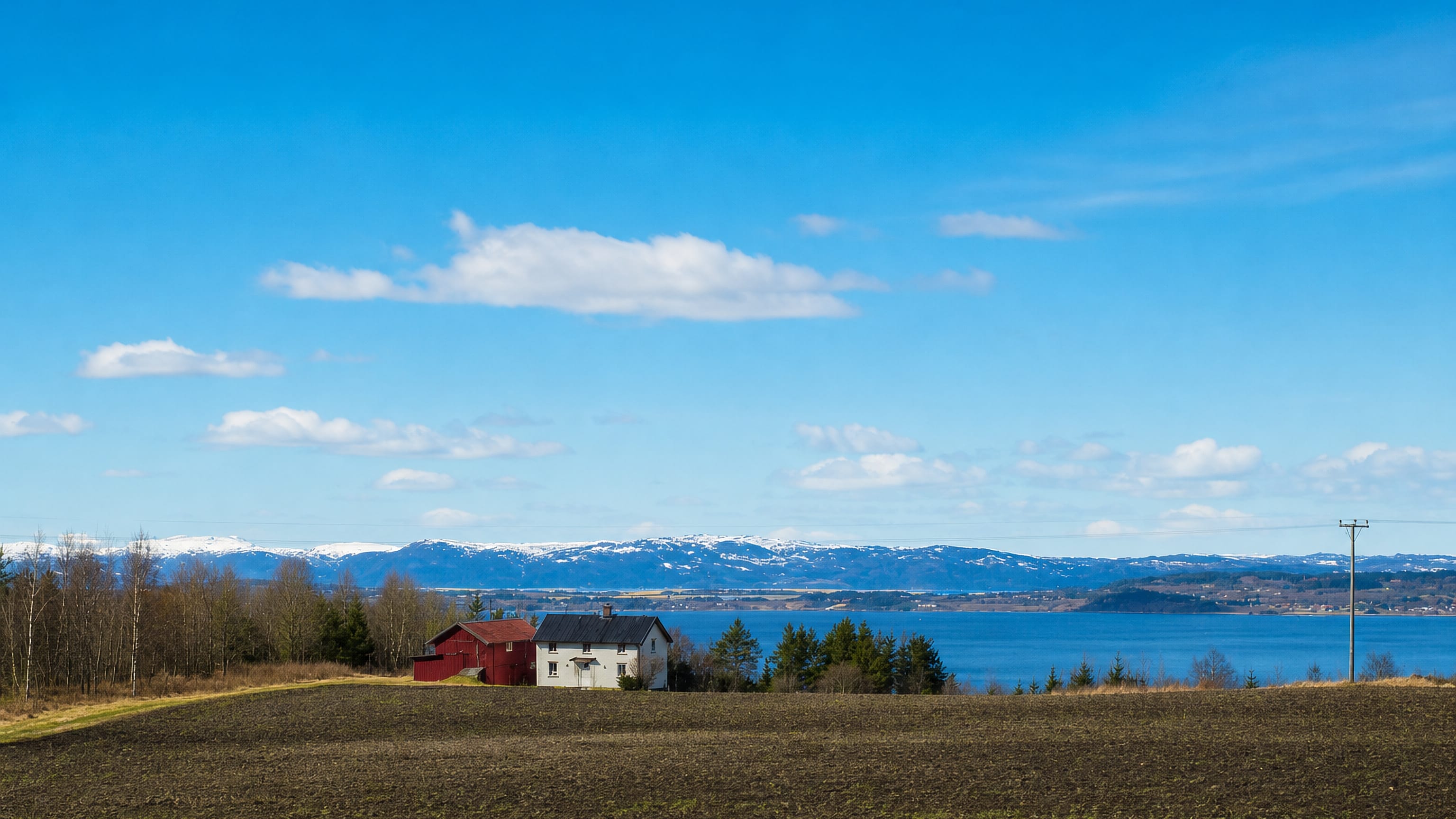
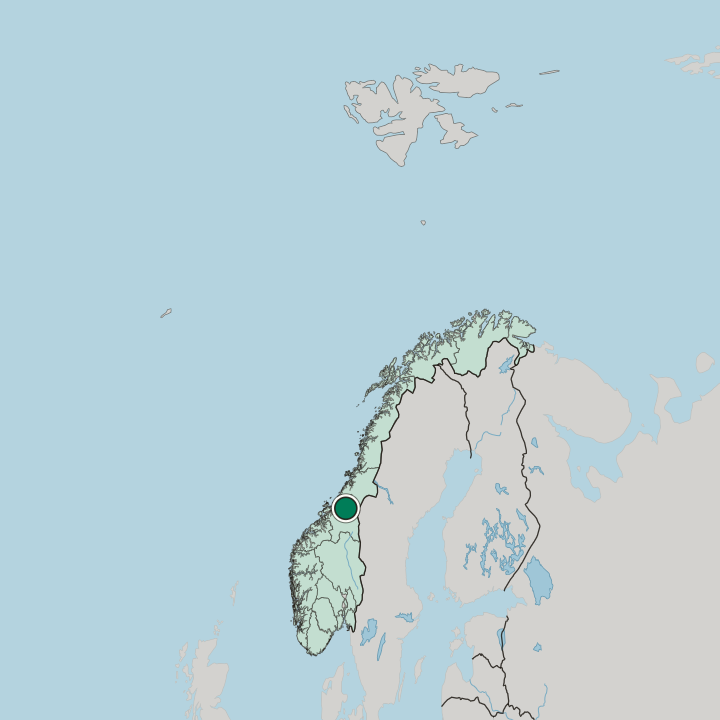
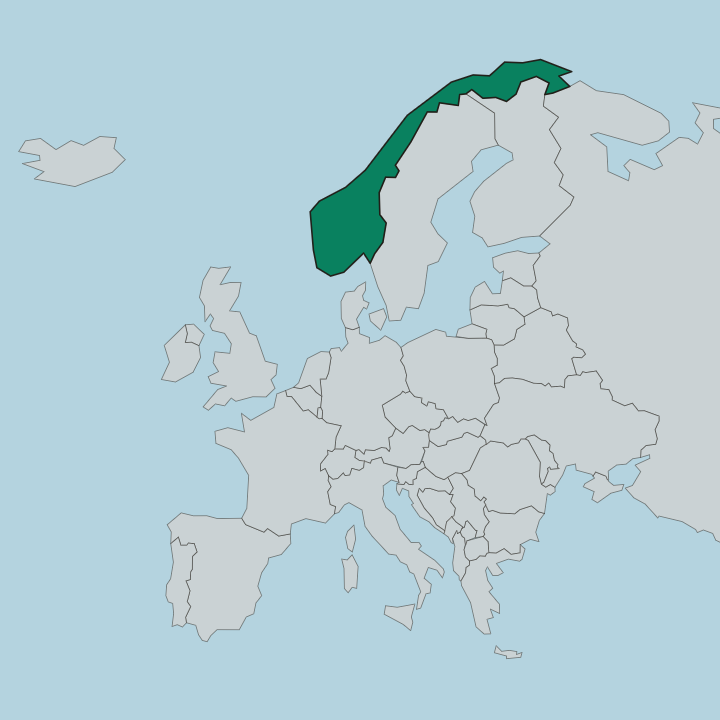
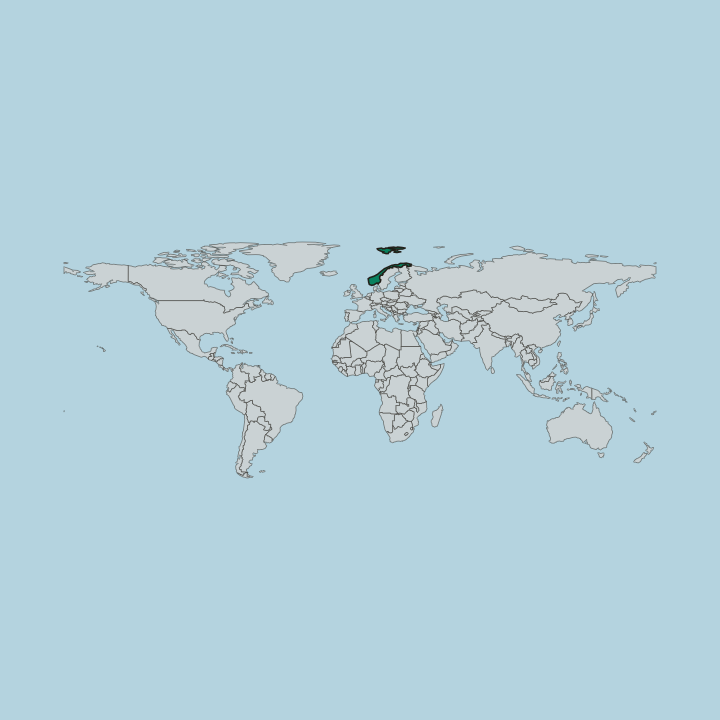
Frosta is a fjordside peninsula and old parish in the central part of Trøndelag, in central Norway.
Hotel links are affiliate links: booking through them may earn us a commission, at no extra cost to you. It never affects how places are ranked. How this works


Where to stay in Frosta
Where the beds are, and what that means for the visit.
Beds on Frosta are spread thin across the peninsula rather than gathered in one centre. The main parish around Frosta kirke and Logtun kirke holds the few guest rooms and farm stays of the district, an easy base for visitors who want the old churches, the shore and the working farmland on the doorstep. The parish is the natural choice.
Out toward the headland at Fånestangen and the Viking harbour, holiday houses sit close to the water, a quieter base for travellers drawn to the fjord shore and the early history of the coast. Rooms are very few. The island monastery of Tautra Mariakloster lies off the peninsula across the water, while most beds stay on the mainland of Frosta, so visitors usually book ahead and tour the central part of Trøndelag from a single base by car.
Find hotels in Frosta
Direct booking searches for these neighbourhoods.
Frosta parish by Frosta kirke
farm stays near Frosta kirke and Logtun kirke. Few places to stay nearby — book ahead.Find hotels in Frosta parish by Frosta kirketravellers drawn to the Viking harbour and the shoreFånestangen headland
holiday houses by the Viking harbour at Fånestangen. Lodging is scarce in this area; reserve in advance.Find hotels in Fånestangen headlandvisitors making for the island monasteryTautra island across the water
stays toward the crossing to Tautra Mariakloster. Beds are limited here, so book early.Find hotels in Tautra island across the waterHotel links are affiliate links: booking through them may earn us a commission, at no extra cost to you. It never affects how places are ranked. How this works
About Frosta
What is Frosta known for?
Frosta is a low fjordside peninsula and farming parish in the central part of Trøndelag. The old church at Logtun kirke marks the historic heart of the district, while out on the water the island monastery of Tautra Mariakloster gives Frosta its best-known religious landmark. The land runs to the fjord.
Along the shore the Viking harbour at Fånestangen recalls the early seafaring of the peninsula, the kind of deep history that sits beside the working farms of this corner of central Norway.
What are the main landmarks in Frosta?
Logtun kirke stands at the historic centre of Frosta, a protected church and the chief landmark of the old parish. Frosta kirke serves the modern parish nearby, another heritage church of the peninsula. The water holds more.
Off the shore the island monastery of Tautra Mariakloster rises across the fjord, while the Viking harbour at Fånestangen marks the early seafaring of this peninsula in the central part of Trøndelag, the two churches and the two coastal sites framing the long history of Frosta.
What is the history of Frosta?
Frosta has been settled since the early days of the coast, its sheltered shore drawing seafarers to the peninsula long before the parish churches rose. The Viking harbour at Fånestangen marks that early seafaring, a landing place on the shore that shows how old the use of these waters is in the central part of Trøndelag. The waters of this Trøndelag peninsula were used long before its churches.
Then the churches came. Around the old centre at Logtun kirke the medieval parish took shape, the heritage church standing at the historic heart of the peninsula while the farms spread across the low land toward the water. The island monastery of Tautra Mariakloster brought a religious life to the waters off Frosta, its community settled on the island across the fjord.
On the mainland the parish carried on around its churches, Frosta kirke serving the later congregation beside the older Logtun kirke. The peninsula became the municipality of Frosta in Trøndelag, keeping its old shape as a parish of farms and shore landings, the Viking harbour and the island cloister marking the deep history of this part of central Norway.
Where is Frosta?
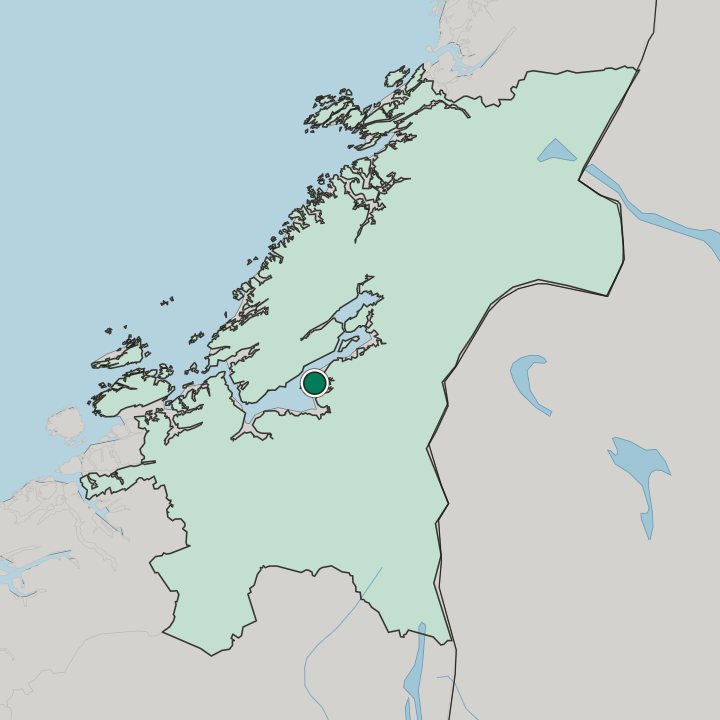
Frosta is a low peninsula reaching into the fjord in the central part of Trøndelag. Farmland and shore run out to the water, the old parish gathered around Logtun kirke at the centre and the fjord closing on three sides. The water frames the land.
At the seaward edge the headland of Fånestangen carries its Viking harbour, while the island holding Tautra Mariakloster lies across the water off the peninsula, the whole district low, green and open to the fjord in central Norway.
What is the climate of Frosta?
Frosta has the mild, damp fjord climate of the central part of Trøndelag. Winters stay cool rather than harsh on the low peninsula, the surrounding fjord water holding the hardest frost off the farmland and the shore around Logtun kirke through much of the season. Summer runs short and green.
The long northern daylight warms the open land under bright evenings, the sheltered fjord making the peninsula one of the kinder growing corners of the region, while cloud and rain off the water reach Frosta in every month of central Norway.
How do you get to Frosta?
Frosta is reached by the road that runs out along the peninsula in the central part of Trøndelag. The road carries most visitors to the parish around Logtun kirke and Frosta kirke and on to the headland at Fånestangen. Few come any other way.
The island monastery of Tautra Mariakloster is reached across the water off the peninsula, while the wider road and air links of the region handle the longer journeys of travellers arriving in this part of central Norway from farther afield.
Common questions
What is the best area to stay in Frosta?
Frosta parish by Frosta kirke: visitors wanting the old churches and farmland. Fånestangen headland: travellers drawn to the Viking harbour and the shore. Tautra island across the water: visitors making for the island monastery.
Good for
More cities in Trøndelag
Updated September 2026