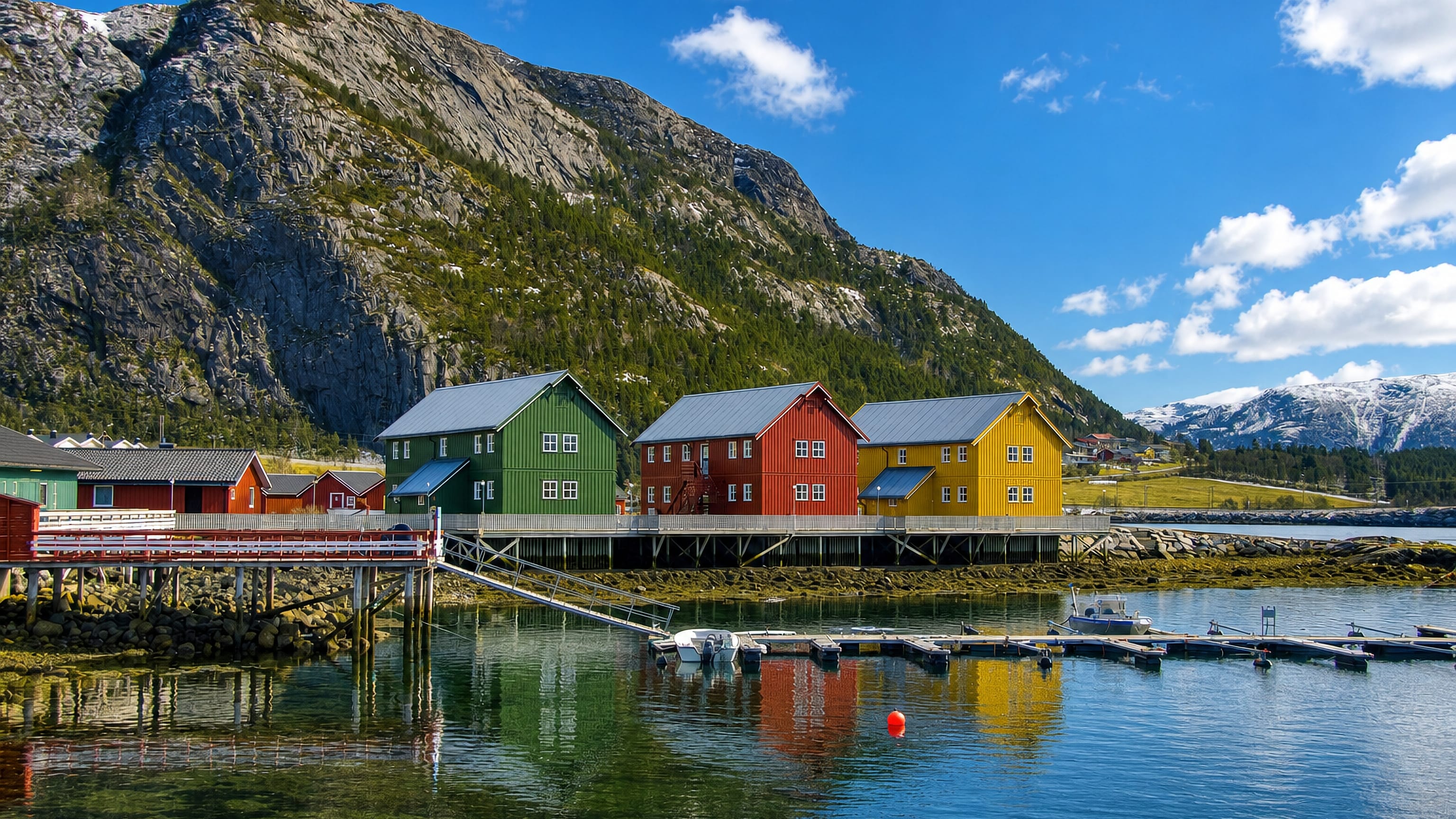
Norway · Trøndelag
Where to Stay in Lauvsnes, Trøndelag
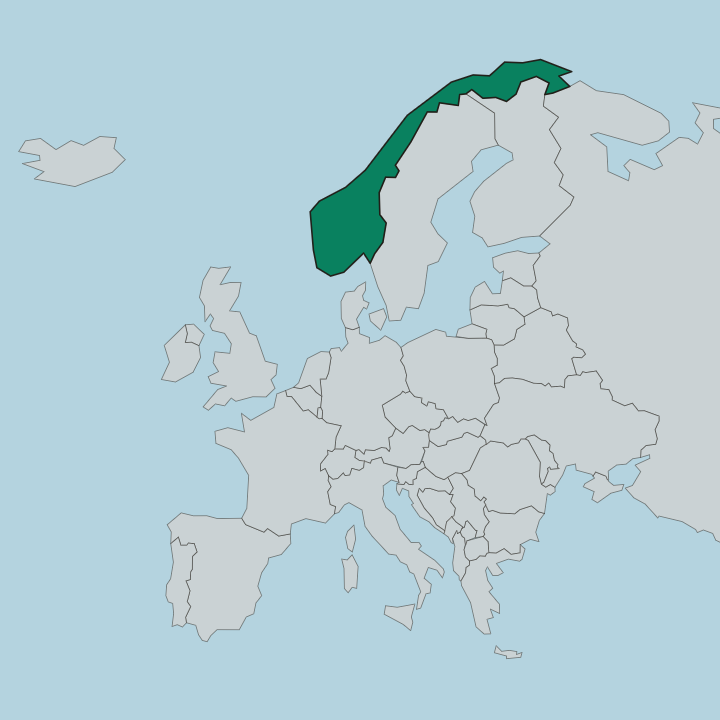
Lauvsnes is the centre of the coastal municipality of Flatanger, in the north-eastern part of Trøndelag, central Norway.
Hotel links are affiliate links: booking through them may earn us a commission, at no extra cost to you. It never affects how places are ranked. How this works


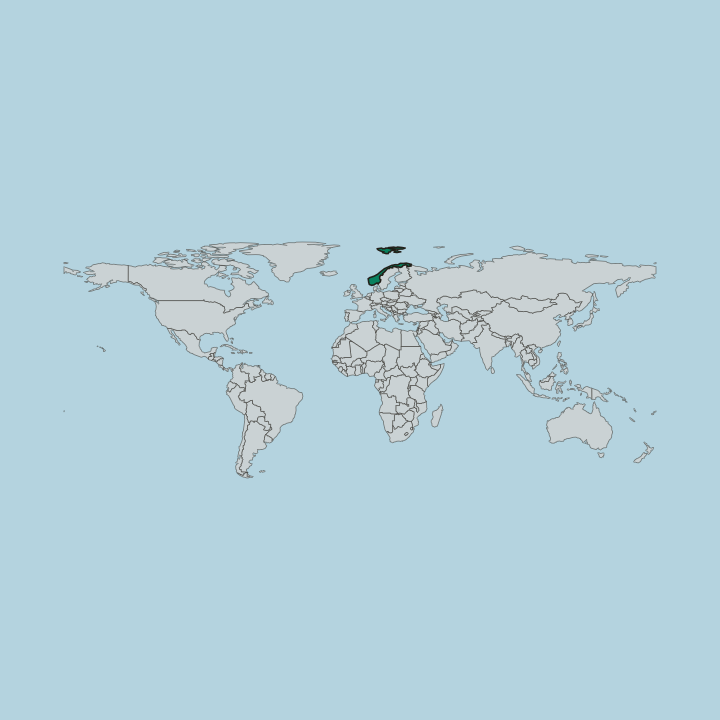
Where to stay in Lauvsnes
How the choice of base plays out on the ground.
Most beds in Lauvsnes gather in the village centre near Vik kirke and the shore, where a few rooms and guest lodgings stand within reach of the church, the waterfront and the roads through Flatanger. The centre suits you if you want the parish church and the coast close at hand as the base of the municipality. It is the natural footing for a stay.
Out toward the island of Løvøy kirke and the fishing settlements along the shore, sea cabins and farm stays spread among the coves, a quieter base for travellers touring this north-eastern reach of Trøndelag by boat and car. Stock is thin along the coast. Reserve well ahead in the fishing and summer seasons, when the sea and the long northern daylight draw visitors to this coastal corner of central Norway.
Find hotels in Lauvsnes
Direct booking searches for these neighbourhoods.
Lauvsnes centre by Vik kirke
rooms beside Vik kirke and the shore of LauvsnesFind hotels in Lauvsnes centre by Vik kirketravellers touring the north-eastern Trøndelag coast by boat and carLøvøy island and the shore parishes
sea cabins near the island church of Løvøy kirke and the coves. Lodging is scarce in this area; reserve in advance.Find hotels in Løvøy island and the shore parishesHotel links are affiliate links: booking through them may earn us a commission, at no extra cost to you. It never affects how places are ranked. How this works
About Lauvsnes
What is Lauvsnes known for?
Lauvsnes is the centre of the coastal municipality of Flatanger in the north-eastern part of Trøndelag. The sea defines the place. The heritage-listed Vik kirke marks the parish heart of the village, while out on its island the heritage-listed Løvøy kirke serves the scattered shore households, and between the two churches the place tells the quiet seafaring story of this north-eastern edge of central Norway.
What are the main landmarks in Lauvsnes?
Vik kirke stands at the heart of Lauvsnes. The heritage-listed parish church gives the village its fixed point and counts as the chief sight of Flatanger. A second old church marks the islands.
Out on its island the heritage-listed Løvøy kirke serves the shore households of the municipality, the two churches together holding the seafaring story of this north-eastern coast of Trøndelag.
What is the history of Lauvsnes?
Lauvsnes grew as a coastal settlement in the north-eastern part of Trøndelag. The parish gathered around Vik kirke, the heritage-listed church that long served the fishing and farming households of the shore and gave the village its centre on this north-eastern edge of central Norway. The sea ruled the coast.
Fish and the boat carried the life of Flatanger, and the island households were served further out by the heritage-listed Løvøy kirke among the skerries. Lauvsnes held its place as the centre of the coastal municipality. As the modern roads and crossings reached the shore, the village became the seat from which Flatanger was governed, the parish church of Vik kirke standing at its heart.
Out among the islands the older Løvøy kirke kept its watch over the scattered settlements, and the place settled into its role around Lauvsnes, the two heritage churches standing as the fixed marks of a community rooted on the north-eastern coast of Trøndelag.
Where is Lauvsnes?
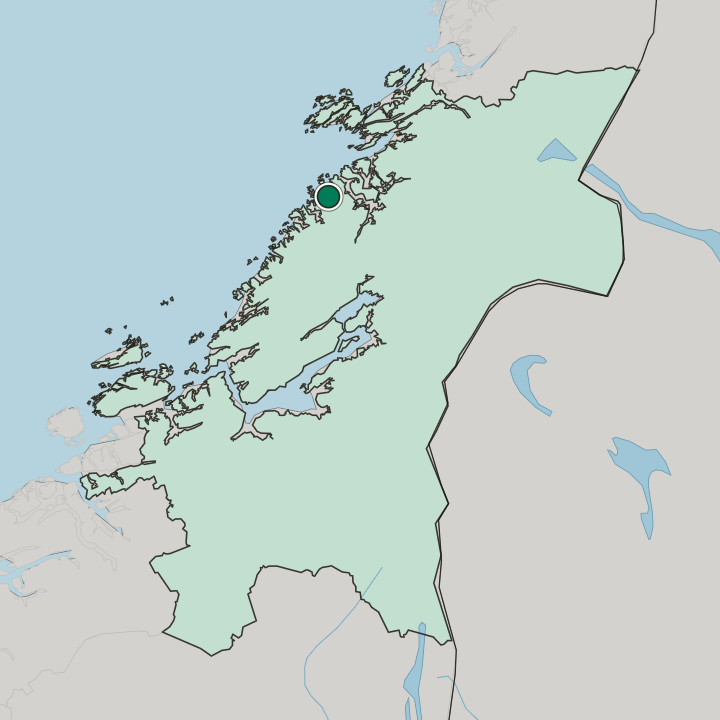
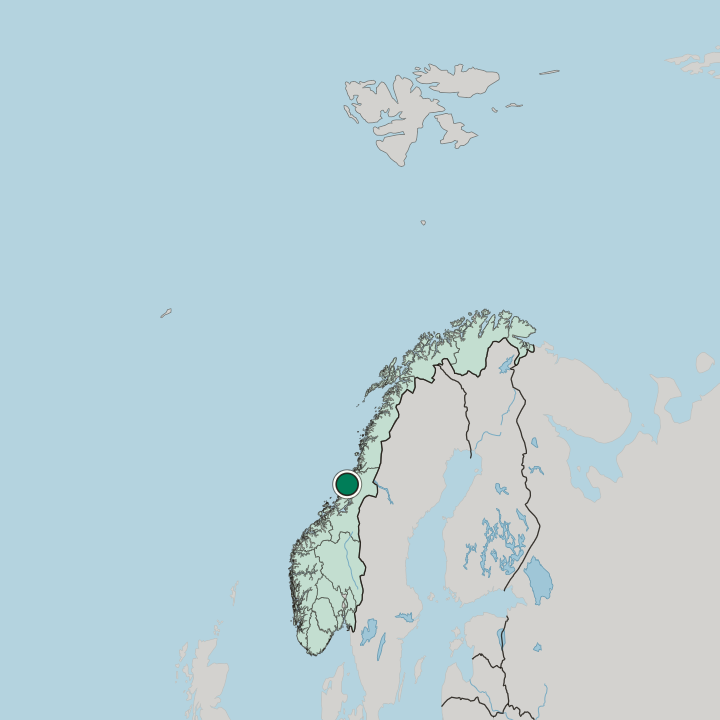
Lauvsnes lies on the coast of the north-eastern part of Trøndelag, in central Norway. The village gathers along the shore around Vik kirke, with the sea, the coves and the islands of the municipality reaching away on every side. Water frames it.
Beyond the centre, Flatanger spreads across the shore and the skerries, taking in the island parish of Løvøy kirke along this north-eastern coast of Trøndelag.
What is the climate of Lauvsnes?
Lauvsnes has the mild, wet coastal climate of the shore of north-eastern Trøndelag. Winters stay cool and grey rather than harsh, the open sea around Flatanger holding hard frost and lasting snow off the low shore ground around the village through most of the season. Summers stay cool and breezy.
The sea tempers the heat and feeds the wind under the long northern daylight, while cloud and rain off the open water reach this north-eastern corner of central Norway in every month of the year.
How do you get to Lauvsnes?
Lauvsnes sits at the road centre of coastal Flatanger. Road and crossing carry the traffic to the village, the main route running along the shore past Vik kirke at the heart of the municipality. Most come by car and ferry.
The wider road and sea links of Trøndelag connect the coast to the larger towns of central Norway, while the regional airports of the region handle the longer journeys of travellers reaching this north-eastern shore from farther off.
Common questions
What is the best area to stay in Lauvsnes?
Lauvsnes centre by Vik kirke: visitors wanting the parish church and the Flatanger waterfront. Løvøy island and the shore parishes: travellers touring the north-eastern Trøndelag coast by boat and car.
Good for
More cities in Trøndelag
Updated September 2026