Norway · Trøndelag
Where to Stay in Malm, Trøndelag
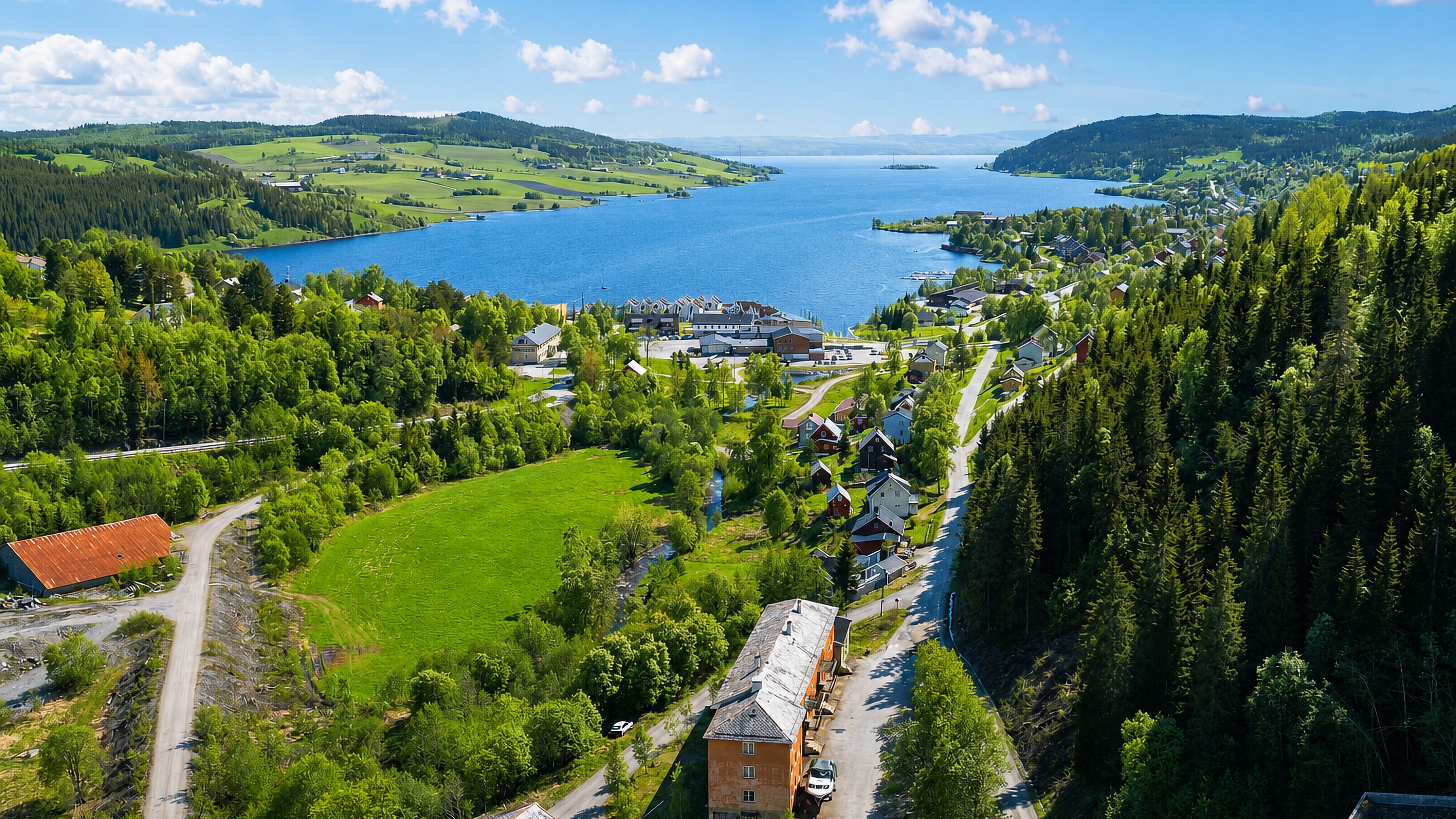
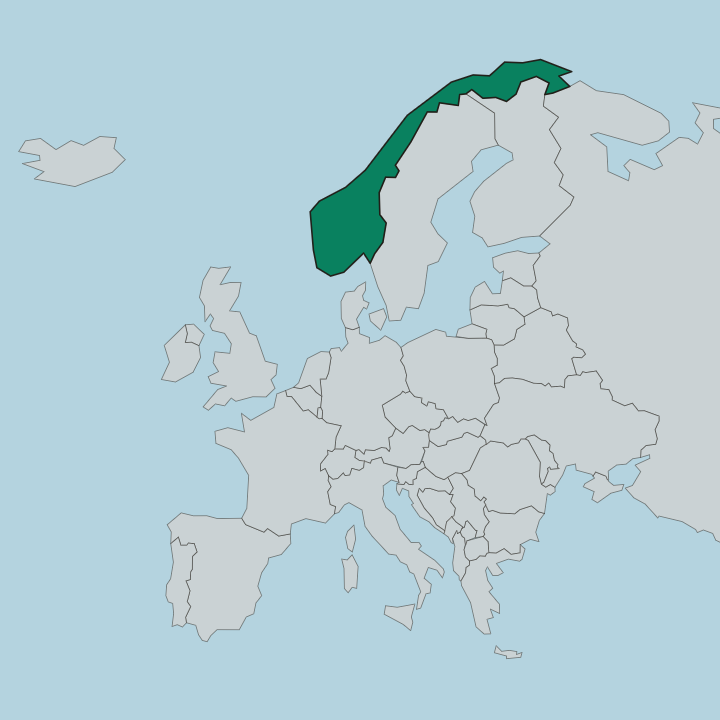
Malm is a small inland village in central Norway (Trøndelag), gathered around Malm kirke in the north-eastern part of the region.
Hotel links are affiliate links: booking through them may earn us a commission, at no extra cost to you. It never affects how places are ranked. How this works


Where to stay in Malm
Where the beds are, and what that means for the visit.
Malm keeps very few beds. This is a small inland village in Trøndelag, not a resort, so lodging is sparse and gathered close to the centre near Malm kirke rather than spread across the surrounding farms. Stay here for quiet.
The core of the village holds what little there is, within walking reach of the church and the everyday shops, and it suits travellers who want a calm base in the north-eastern part of Trøndelag away from any town bustle. Out toward Bartnes kapell and the scattered farmland the houses thin and rooms all but vanish, so anyone touring by car should plan a base rather than count on finding one late in the day. Larger Steinkjer, the regional town, carries the hotels and chain rooms that Malm cannot.
Book ahead in the short bright summer weeks. Beyond that the village holds no surplus of lodging past its own modest need.
Find hotels in Malm
Direct booking searches for these neighbourhoods.
Village centre
the few rooms cluster by the church and the everyday shops. Few places to stay nearby — book ahead.Find hotels in Village centredrivers wanting open countryBartnes farmland
scattered farms out past Bartnes kapell where beds all but vanish. Rooms are few around here — worth securing early.Find hotels in Bartnes farmlandtravellers needing hotels and chainsSteinkjer
the regional town carries the lodging Malm itself does not keepFind hotels in SteinkjerHotel links are affiliate links: booking through them may earn us a commission, at no extra cost to you. It never affects how places are ranked. How this works
About Malm
Malm is a quiet village.
What is Malm known for?
It stands in the north-eastern part of Trøndelag, a small settlement known above all for its churches and the farming country around them, with Malm kirke at the centre of the built-up area and Bartnes kapell out among the scattered farms. Travellers who stop here come for the calm of an inland Norwegian community rather than for crowds or sights. Nearby Steinkjer holds the larger town services that Malm itself does not keep.
What are the main landmarks in Malm?
Malm kirke is the village landmark. The listed church stands at the heart of the built-up area and gives the small place its focus. Out among the farms north of the centre sits Bartnes kapell, a protected chapel serving the scattered households.
The wider parish reaches toward Beitstad kirke in neighbouring Steinkjer and Follafoss kirke by the fjord, both old churches that tie this corner of Trøndelag together. These quiet wooden and stone churches are the things worth seeking out here.
What is the history of Malm?
Malm grew slowly. For most of its life this was farming and church country in the north-eastern part of Trøndelag, a scatter of households gathered loosely around the parish where Malm kirke now stands, looking toward the older congregations at Beitstad kirke and Follafoss kirke nearby. The land carried more weight than any town.
Over the long span the settlement stayed small and rural, its rhythm set by the seasons of the surrounding farms and by the chapels such as Bartnes kapell that served the outlying households when the main church lay too far for a winter journey on foot. Through every change of the wider region the village kept its modest scale, never gathering the trade or the people of larger Steinkjer. It remained what the farmland and the churches made it.
A quiet community in a quiet stretch of central Norway.
Where is Malm?
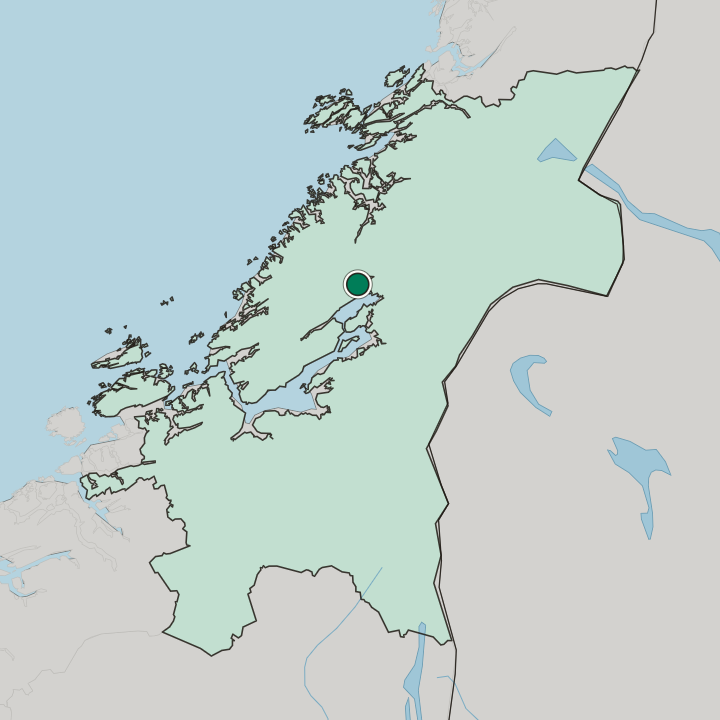
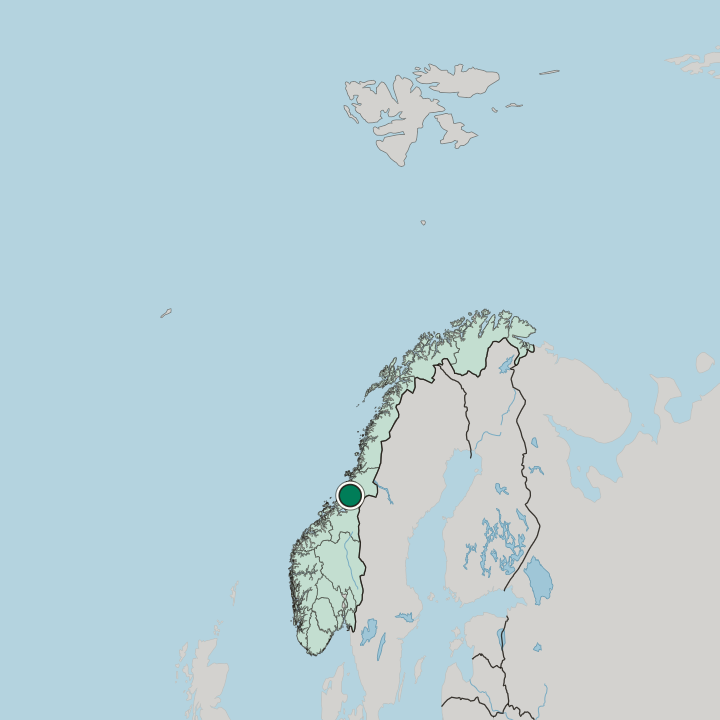
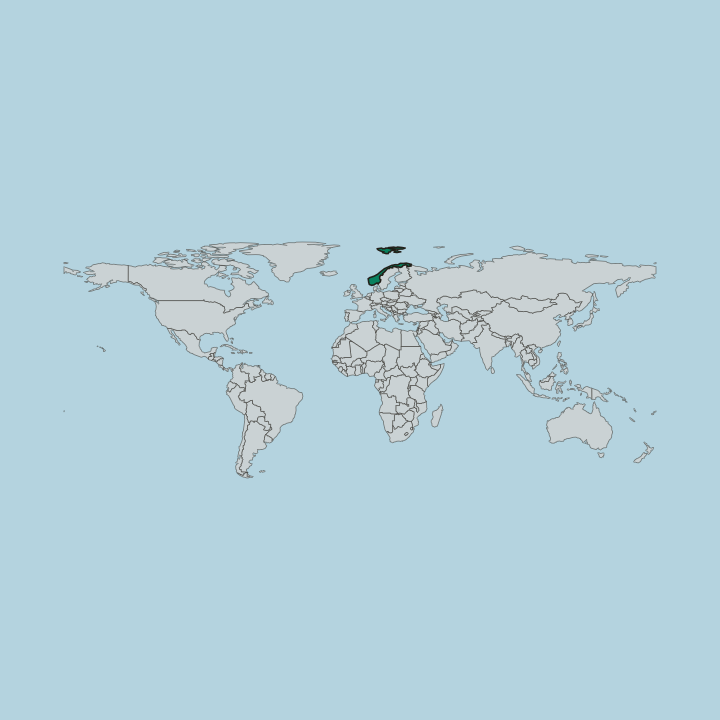
Malm lies inland in the north-eastern part of Trøndelag, in central Norway. The village sits among low farmland and wooded rises, a compact built-up area around Malm kirke with scattered farms reaching out toward Bartnes kapell. Steinkjer, the regional town, lies to the south-east, and the older church settlements of Beitstad and Follafoss spread between them across this northern stretch of fjord and farm country.
It is a small, rural place far from any city.
What is the climate of Malm?
Malm carries a cool inland climate. Winters here run long and snowy across the farmland of Trøndelag, with hard frost settling over the fields around Malm kirke through the dark months, while the short summers stay mild and green under the long northern daylight that lingers late into the bright sub-arctic evening. Spring comes late this far north.
Rain and snow fall through much of the year, and the open inland country gives little shelter from the wind off the surrounding rises.
How do you get to Malm?
The car is the way in. Malm sits inland in the north-eastern part of Trøndelag, reached by the regional roads that thread up through the farm and fjord country from Steinkjer, the nearest larger town. There is no city close by.
Buses link the village to Steinkjer and the wider region, but services are sparse in a small rural place like this, so most travellers arrive by road and use Steinkjer as the point where train and longer-distance connections meet.
Common questions
What is the best area to stay in Malm?
Village centre: a quiet base by Malm kirke. Bartnes farmland: drivers wanting open country. Steinkjer: travellers needing hotels and chains.
Good for
More cities in Trøndelag
Updated October 2026