Norway · Trøndelag
Where to Stay in Namsskogan, Trøndelag
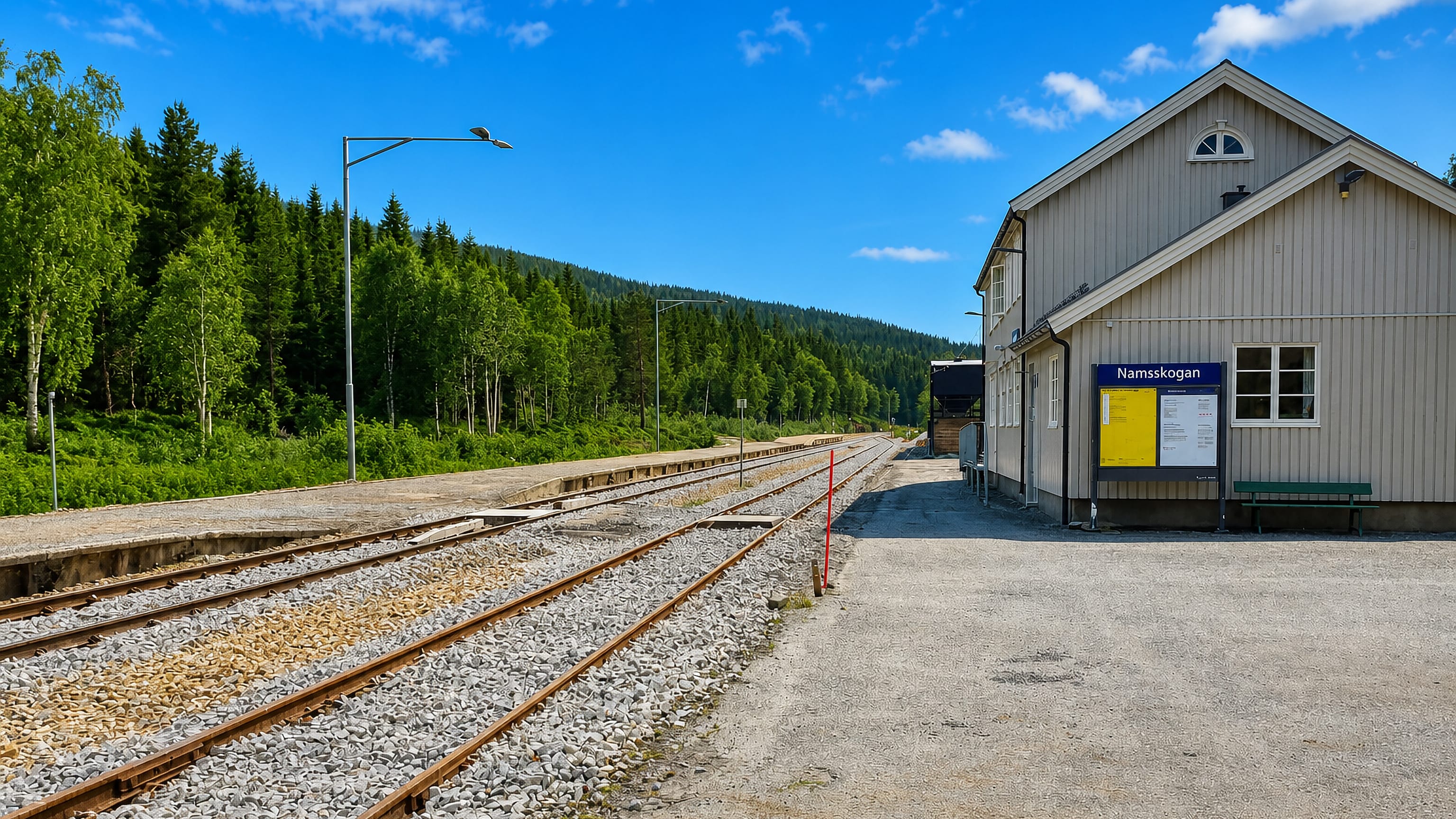
Namsskogan is a remote forest municipality in the north-eastern part of Trøndelag, in central Norway, gathered around Bjørhusdal kapell.
Hotel links are affiliate links: booking through them may earn us a commission, at no extra cost to you. It never affects how places are ranked. How this works


Where to stay in Namsskogan
Where visitors usually base themselves, and why.
Namsskogan is somewhere you stay to be in the forest, not to be in a town. Options are sparse. The municipality threads through a long stretch of northern Trøndelag, and the handful of places to sleep sit near the small built-up cores along the route, within reach of Bjørhusdal kapell and the everyday services that keep a remote district running.
It suits you if the reason for the trip is the wild interior of central Norway: hiking, fishing, animals, snow, and the kind of dark, clear nights that only deep forest country gives. Beds gather near the settled pockets, where the road, the church, and the local services come together among the trees. Step away and the land turns quickly to woodland and water with little built upon it.
Most visitors use Namsskogan as a forest base, sleeping near the small centres and heading out by day into the broad, quiet reaches of this far inland part of Trøndelag.
Find hotels in Namsskogan
Direct booking searches for these neighbourhoods.
The settled cores along the route
the built-up pockets where the road, Bjørhusdal kapell, and local services gather among the trees. Lodging is scarce in this area; reserve in advance.Find hotels in The settled cores along the routewildlife, snow, and dark clear nightsThe wider Namsskogan forest
woodland and water beyond the centres, ranged into by day across the far inland district. Lodging is scarce in this area; reserve in advance.Find hotels in The wider Namsskogan forestHotel links are affiliate links: booking through them may earn us a commission, at no extra cost to you. It never affects how places are ranked. How this works
About Namsskogan
This is wild country.
What is Namsskogan known for?
Namsskogan is known above all for its deep northern forests and the vast, lightly peopled reach of land that fills this corner of Trøndelag, a district where the wooden Bjørhusdal kapell stands as one of the few fixed marks among the trees. People come for the open ground, not for a townscape. The pull of the place is the silence and the wide forested distances of central Norway.
What are the main landmarks in Namsskogan?
The standout structure is Bjørhusdal kapell, a small wooden chapel that serves the forest community of Namsskogan and counts as protected heritage. It is a modest timber building, set among the trees rather than in any square. The rest is land.
What marks this part of Trøndelag is not architecture but the surrounding forest, lakes, and high ground that run away in every direction toward the wider interior of central Norway, and that wild setting is the real attraction here.
What is the history of Namsskogan?
Namsskogan was forged by forest and distance. It took shape as a thinly settled district in the north-eastern part of Trøndelag, where small farms and the timber trade gave a scattered population its living long before any modern road tied the area to the rest of central Norway. The wooden Bjørhusdal kapell anchored the community.
A chapel among the trees gave the farms a shared place to gather, to mark the turning of the year, and to hold together a population spread across great forested distances. Life here followed the woods. Logging, hunting, and upland smallholdings set the rhythm of a district where winter ruled half the year and the land mattered far more than any street.
Namsskogan stayed small by nature. Rather than grow into a market town, it settled into life as a remote forest municipality, holding the everyday administration of a district whose true measure is in trees, water, and distance rather than in buildings.
Where is Namsskogan?
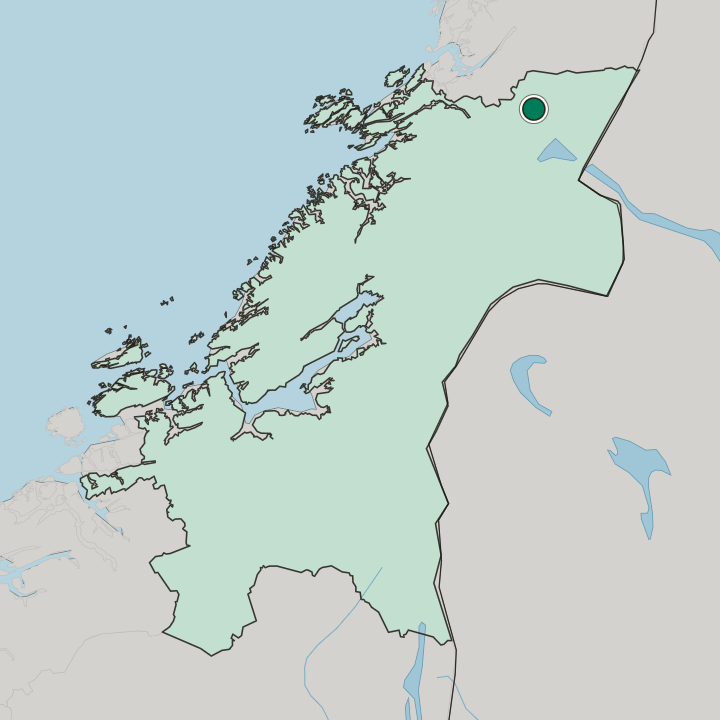
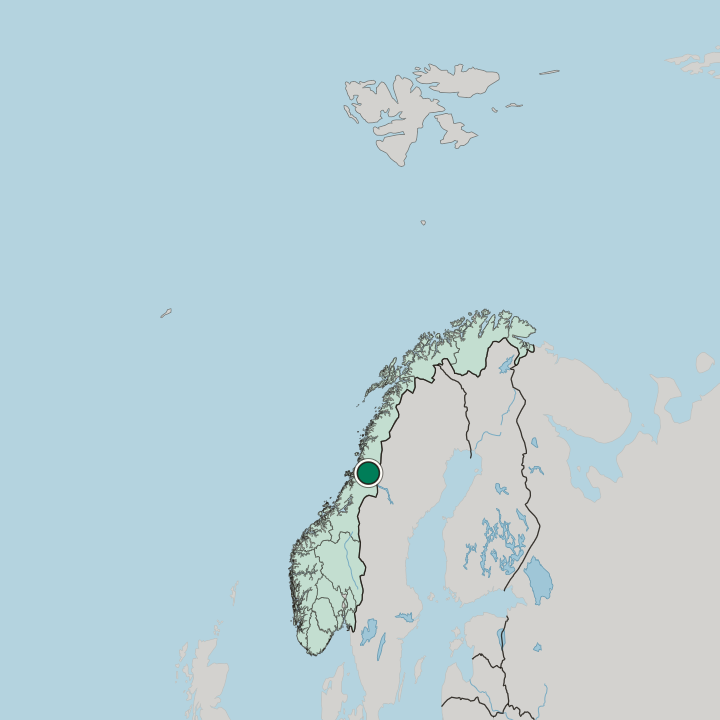
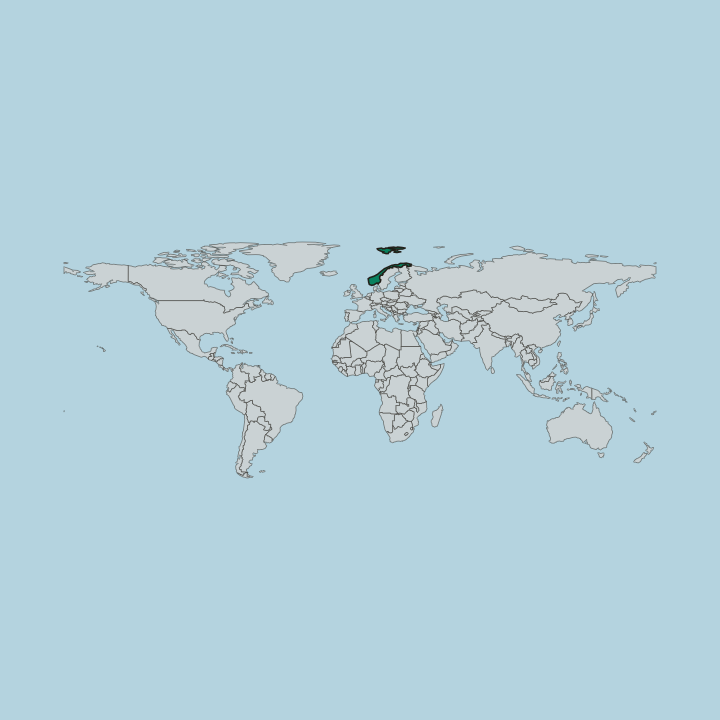
The setting is forest. Namsskogan fills a long, narrow stretch of the north-eastern part of Trøndelag, far from the coast, where woodland, lakes, and high ground spread across a wide and sparsely peopled district that climbs toward the country's interior heights. This is subpolar terrain, deep within central Norway, shaped by trees and water rather than by any town and threaded only by the slimmest of road links.
What is the climate of Namsskogan?
Cold runs the calendar here. Namsskogan has a subpolar, firmly inland climate, with long, snow-locked winters gripping the forests of north-eastern Trøndelag for much of the year, balanced by short and luminous summers that pass almost before they begin. Between them, spring and autumn are brief.
Far from the sea, this part of central Norway swings hard between deep cold and bright warmth as the seasons turn.
How do you get to Namsskogan?
Plan the drive. Namsskogan lies along the inland routes of northern Trøndelag, reached chiefly by car or by the long-distance road and rail corridors that thread the interior of central Norway rather than by any nearby airport. Distances in the interior add up.
Roads run quiet and winding through the forest, and winter snow can slow them, so allow plenty of time for the journey into this far-flung district.
Common questions
What is the best area to stay in Namsskogan?
The settled cores along the route: a practical forest base in Namsskogan. The wider Namsskogan forest: wildlife, snow, and dark clear nights.
Good for
More cities in Trøndelag
Updated September 2026