Norway · Trøndelag
Where to Stay in Rindal, Trøndelag
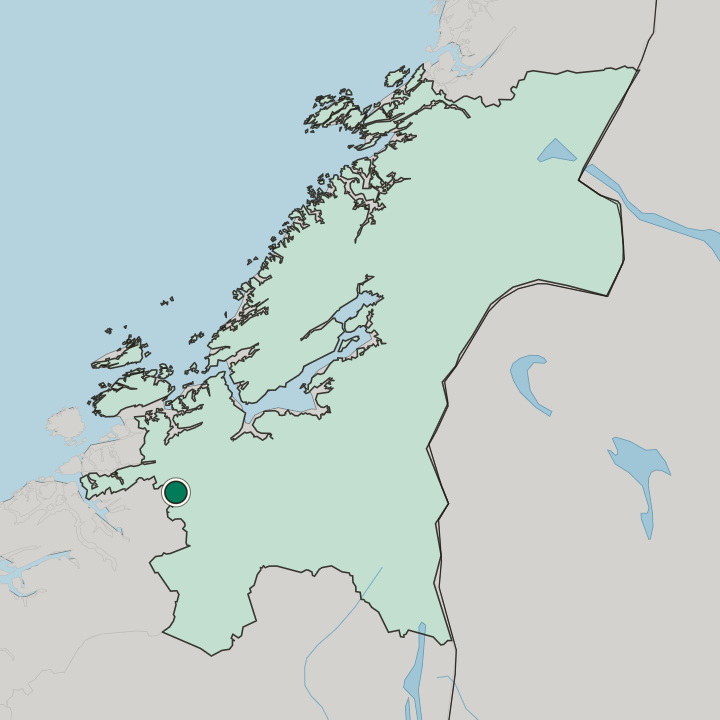
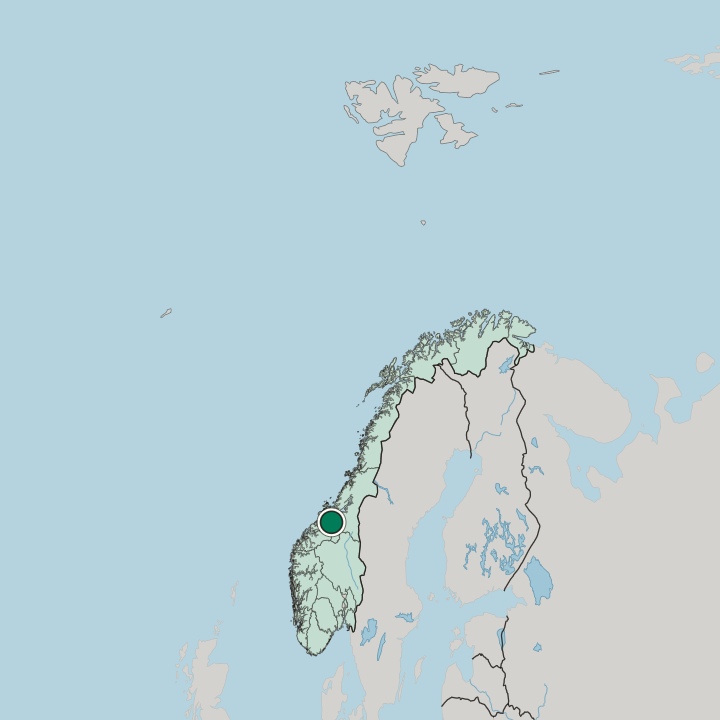
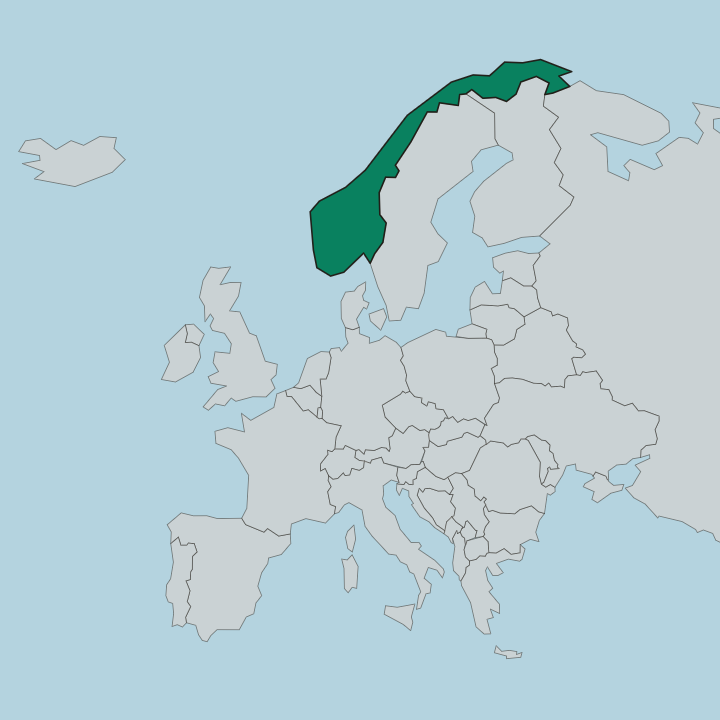
Rindal is an inland municipality in the south-western part of Trøndelag, in central Norway.
Hotel links are affiliate links: booking through them may earn us a commission, at no extra cost to you. It never affects how places are ranked. How this works


Where to stay in Rindal
The practical side of choosing where to sleep.
Most beds in Rindal gather in the village centre near Rindal kirke and the Rindal Bygdemuseum, where a few rooms and guest lodgings stand within reach of the church, the museum and the roads through this south-western corner of Trøndelag. The centre suits you if you want the parish church and the country museum close at hand. For most stays it is the natural place to settle.
Further up the valley toward Øvre Rindal kapell, farm stays and holiday cabins spread among the outlying settlements, a quieter choice for travellers touring this inland part of central Norway by car. Stock is thin throughout the district. Reserve well ahead for the winter and summer seasons, when the snow trails and the long northern daylight draw visitors to this rural reach of Trøndelag.
Find hotels in Rindal
Direct booking searches for these neighbourhoods.
Village centre by Rindal kirke
rooms beside Rindal kirke and the Rindal Bygdemuseum collectionFind hotels in Village centre by Rindal kirketravellers touring the south-western Trøndelag uplands by carUpper valley toward Øvre Rindal kapell
farm stays and cabins among the settlements near Øvre Rindal kapell. Rooms are few around here — worth securing early.Find hotels in Upper valley toward Øvre Rindal kapellHotel links are affiliate links: booking through them may earn us a commission, at no extra cost to you. It never affects how places are ranked. How this works
About Rindal
What is Rindal known for?
Rindal is a rural municipality in the south-western part of Trøndelag, gathered around the parish church of Rindal kirke. The church marks the centre. The local Rindal Bygdemuseum keeps the farming and craft history of the district, while up the valley the smaller Øvre Rindal kapell serves the outlying settlements, and between the two churches and the museum the place tells the quiet story of this inland corner of central Norway.
What are the main landmarks in Rindal?
Rindal kirke stands at the heart of the village. The heritage-listed parish church gives the settlement its fixed point and counts as the chief sight of the district. Nearby, the Rindal Bygdemuseum holds the rest.
That country museum gathers the farming tools, buildings and craft of this part of Trøndelag, while up the valley the heritage-listed Øvre Rindal kapell serves the outlying settlements of the municipality in south-western central Norway.
What is the history of Rindal?
Rindal grew as a farming district in the south-western part of Trøndelag. The parish gathered around Rindal kirke, the heritage-listed church that long served the scattered households of the valley and gave the settlement its centre in this inland reach of central Norway. The church held the parish together.
As the farms spread up the valley, the smaller Øvre Rindal kapell was raised to serve the households of the outlying settlements too far from the main church. That old rural life left its mark on the place. The Rindal Bygdemuseum was gathered to keep the farming tools, buildings and craft of the district, setting down the history of the valley for the generations that followed.
Through it all the settlement held its role as the seat of the municipality, the parish church of Rindal kirke, the upper chapel of Øvre Rindal kapell and the country museum standing together as the fixed marks of a community rooted in the south-western country of Trøndelag.
Where is Rindal?
Rindal lies inland in the south-western part of Trøndelag, in central Norway. The village gathers around Rindal kirke and the Rindal Bygdemuseum, with the valley and the wooded hills of the municipality rising away on every side. Forest and farmland frame it.
The wider municipality spreads up the valley toward Øvre Rindal kapell and the high ground beyond, taking in the scattered farms and settlements of this inland corner of south-western Trøndelag.
What is the climate of Rindal?
Rindal has the cold inland climate of south-western Trøndelag. Winters run long and snowy, the inland setting away from the coast holding hard frost and deep snow over the valley and the wooded hills around the village through much of the season. Summers arrive short.
Long days of high northern daylight warm the valley floor, while the inland air of central Norway brings the cold back to the country around Rindal once the brief warm months give way.
How do you get to Rindal?
Rindal sits on the inland roads of south-western Trøndelag. Road carries nearly all the traffic to the village, the main route running through the valley and past Rindal kirke and the Rindal Bygdemuseum at the centre of the municipality. Almost all arrive by road.
The wider road and rail links of Trøndelag connect the district to the larger towns of central Norway, while the regional airports of the region handle the longer journeys of travellers reaching this inland corner from farther off.
Common questions
What is the best area to stay in Rindal?
Village centre by Rindal kirke: visitors wanting the parish church and the country museum. Upper valley toward Øvre Rindal kapell: travellers touring the south-western Trøndelag uplands by car.
Good for
More cities in Trøndelag
Updated September 2026