Norway · Trøndelag
Where to Stay in Sandvika, Trøndelag
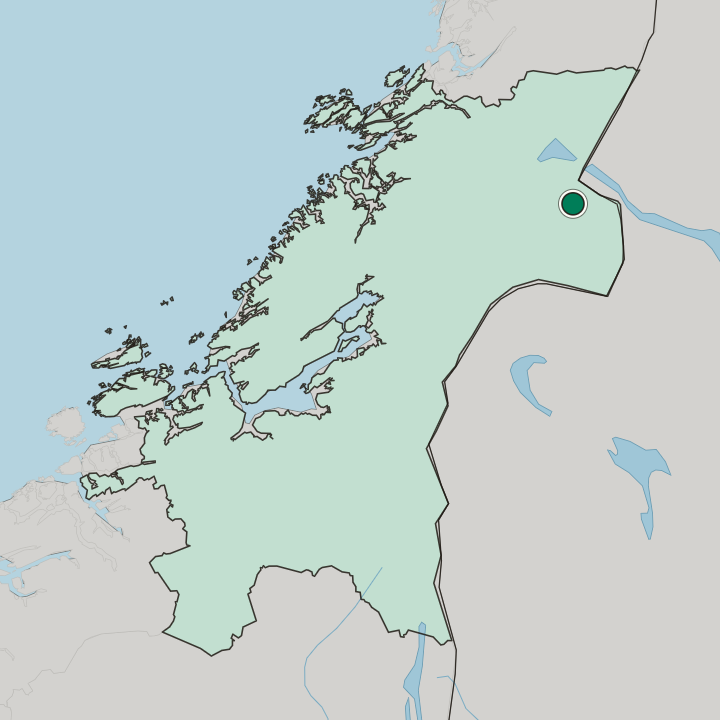
Sandvika is a small administrative centre in the north-eastern part of Trøndelag, in central Norway, near the village of Lierne.
Hotel links are affiliate links: booking through them may earn us a commission, at no extra cost to you. It never affects how places are ranked. How this works


Where to stay in Sandvika
Where visitors usually base themselves, and why.
Sandvika is a base for the quiet inland of Trøndelag rather than a hotel town. Places to sleep around Sandvika are limited. Most travellers who reach this north-eastern corner come for the forests and the long valley roads, and they stay close to the small centre, within reach of Nordli kirke and the everyday services that the administrative seat holds for the wider parish of Lierne.
It suits you if your trip turns on hiking, fishing, or simply the deep stillness of central Norway away from the coast. Rooms cluster around the centre itself, the practical heart where the daily errands, the church, and the road junctions meet. Beyond that, the settlement thins fast into woodland and water, so plan your nights before you arrive.
Many visitors treat Sandvika as a staging point for the surrounding wilds, sleeping near the seat and ranging out by day across the broad, forested reach of Lierne.
Find hotels in Sandvika
Direct booking searches for these neighbourhoods.
Sandvika centre
the administrative seat where Nordli kirke, daily services, and the valley road junctions sit together. Lodging is scarce in this area; reserve in advance.Find hotels in Sandvika centrehiking and fishing away from the seatThe forested reach toward Lierne
woodland and water beyond the centre, ranged out by day across the broad parish. Rooms are few around here — worth securing early.Find hotels in The forested reach toward LierneHotel links are affiliate links: booking through them may earn us a commission, at no extra cost to you. It never affects how places are ranked. How this works
About Sandvika
Few outsiders arrive here by chance.
What is Sandvika known for?
Sandvika anchors a thinly settled corner of Trøndelag, a place defined by its forests, its quiet roads, and the wooden Nordli kirke that gives the surrounding settlement of Lierne its parish heart. The draw is the land itself, far inland in central Norway, where distances are long and the seasons swing hard. People come for the calm.
What are the main landmarks in Sandvika?
The landmark here is the wooden Nordli kirke, the church that serves Lierne and gives the scattered settlement around Sandvika a fixed point. It is listed as protected heritage, a quiet timber building set against the forest. Around it the country opens out.
There is little else built; the appeal of this part of Trøndelag lies in the surrounding land rather than in monuments, in the woods and lakes that stretch away from the small administrative centre toward the wider reaches of central Norway.
What is the history of Sandvika?
Sandvika's story is the story of a parish seat. It grew not as a port or a fortress but as the practical centre of a remote farming and forest district in the north-eastern part of Trøndelag, the spot where roads, church, and administration came together for the people of Lierne. The wooden Nordli kirke fixed that centre.
A church on this site gave the scattered farms a place to gather, to mark births and burials, and to organise the slow rhythm of an inland year governed by snow and thaw. Generations worked the woods and the water around here. Timber, hunting, and small upland farms shaped the economy long before any road network tied the valley to the rest of central Norway, and that inheritance still marks the look and pace of the place.
Sandvika never became large. Instead it settled into its role as the modest administrative heart of its municipality, a seat rather than a market town, holding the everyday business of a district whose true scale is measured in forest and distance rather than in streets and squares.
Where is Sandvika?
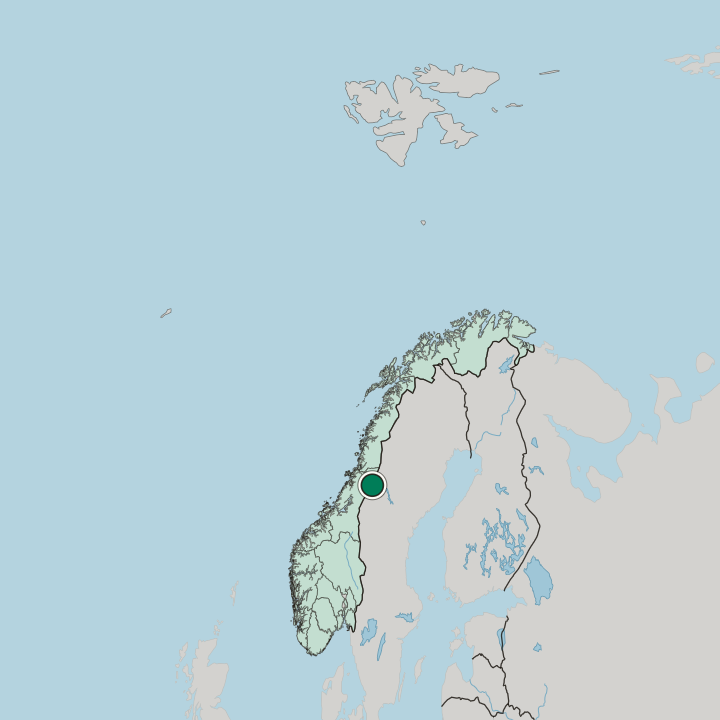
Sandvika sits far inland. It lies in the north-eastern part of Trøndelag, deep in the forested and lake-strewn upland that runs toward the country's mountainous spine, well away from any coast. This is subpolar country, where woodland and water dominate and the settlement of Lierne spreads thin across a wide, sparsely peopled district of central Norway.
The land rises and falls in long forested swells.
What is the climate of Sandvika?
The climate is subpolar and firmly inland. Winters bite hard and long in this north-eastern corner of Trøndelag, with deep snow lying over the forests around Sandvika and Lierne for months on end, while summers are short, bright, and quick to fade. Spring and autumn pass in a rush between the two.
Far from the moderating sea, the air swings sharply between the seasons across this stretch of central Norway.
How do you get to Sandvika?
Reaching Sandvika means driving. The administrative seat lies in a remote part of Trøndelag, tied to the rest of central Norway by long valley roads rather than rail or air, so most arrivals come by car through the forested approaches toward Lierne. Allow time for the distances.
Roads here are quiet and winding, and winter snow can slow the run, so the journey itself is part of the trip into this inland district.
Common questions
What is the best area to stay in Sandvika?
Sandvika centre: errands and a base for inland Lierne. The forested reach toward Lierne: hiking and fishing away from the seat.
Good for
More cities in Trøndelag
Updated September 2026