Norway · Trøndelag
Where to Stay in Sistranda, Trøndelag
Sistranda is a small island village on Frøya in central Norway (Trøndelag), in the north-western part of the region.
Hotel links are affiliate links: booking through them may earn us a commission, at no extra cost to you. It never affects how places are ranked. How this works


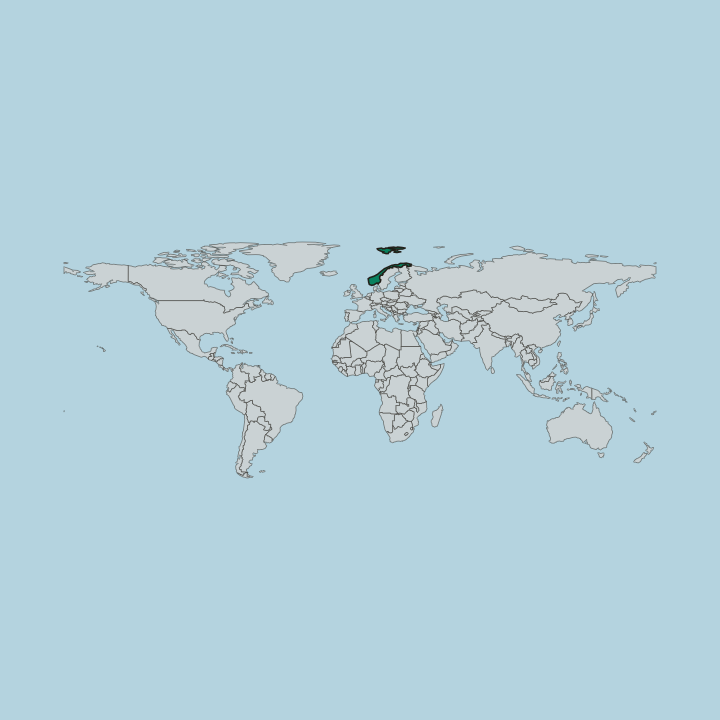
Where to stay in Sistranda
How the choice of base plays out on the ground.
Lodging on Sistranda amounts to only a handful of rooms. This is the small island centre of Frøya, an offshore community in the north-western part of Trøndelag rather than a mainland resort, so lodging gathers near the harbour and the village core rather than spread across the open island. Stay here for the sea.
The centre holds what rooms there are, within reach of the quay, the everyday shops, and the boats that work the surrounding waters, and it suits travellers who want a calm island base in central Norway off the Trøndelag coast. Out toward Sletta kirke and the scattered settlements around Hallaren kirke the houses thin and beds grow scarce among the windswept ground. Drivers and visitors arriving by sea should fix a base before nightfall.
Rooms can tighten when the fishing and the short summer draw people to the island. Book ahead then, since the village holds no surplus of lodging beyond its own need.
Find hotels in Sistranda
Direct booking searches for these neighbourhoods.
Harbour centre
the few rooms gather near the quay and the boats that work the waters. Lodging is scarce in this area; reserve in advance.Find hotels in Harbour centredrivers crossing the open islandToward Sletta kirke
thinning houses out toward Sletta kirke on the windswept ground. Rooms are few around here — worth securing early.Find hotels in Toward Sletta kirkevisitors to the older parishesHallaren settlements
scattered homes around Hallaren kirke where beds grow scarce. Beds are limited here, so book early.Find hotels in Hallaren settlementsHotel links are affiliate links: booking through them may earn us a commission, at no extra cost to you. It never affects how places are ranked. How this works
About Sistranda
Sistranda is an island settlement.
What is Sistranda known for?
It serves as the centre of Frøya, an offshore community in the north-western part of Trøndelag known above all for fishing, the open sea, and the churches that gather its scattered people. Travellers who reach it come for the coast and the calm of an island in central Norway rather than for crowds. Sletta kirke and the older Hallaren kirke mark the settled parts of Frøya, and the working harbour life of the island is the thing visitors remember.
What are the main landmarks in Sistranda?
The churches of Frøya are the things to seek out. Hallaren kirke is a listed church standing among the settlements of the island, while Sletta kirke serves another part of the scattered community on this stretch of the Trøndelag coast. Together they mark the settled ground of the island.
Beyond the two churches the appeal of Sistranda lies in the harbour, the boats, and the open sea of central Norway that rings Frøya on every side.
What is the history of Sistranda?
Sistranda lives by the sea. For long generations the island of Frøya, off the north-western part of Trøndelag, was fishing and farming country whose scattered households gathered around the parishes where Hallaren kirke and Sletta kirke still stand. The water set the rhythm of life.
Boats worked the rich grounds offshore, and the island's people built their churches and clustered their homes where the harbours and the better land allowed, with the settlement at Sistranda growing into the centre of the island community over time. The sea both fed and isolated the place, so it stayed small and tied to fishing rather than spreading into a town. Through every change of the wider region Frøya kept its island scale, a working coastal community in central Norway.
It remained what the sea and the churches made it. A harbour village on an open island.
Where is Sistranda?
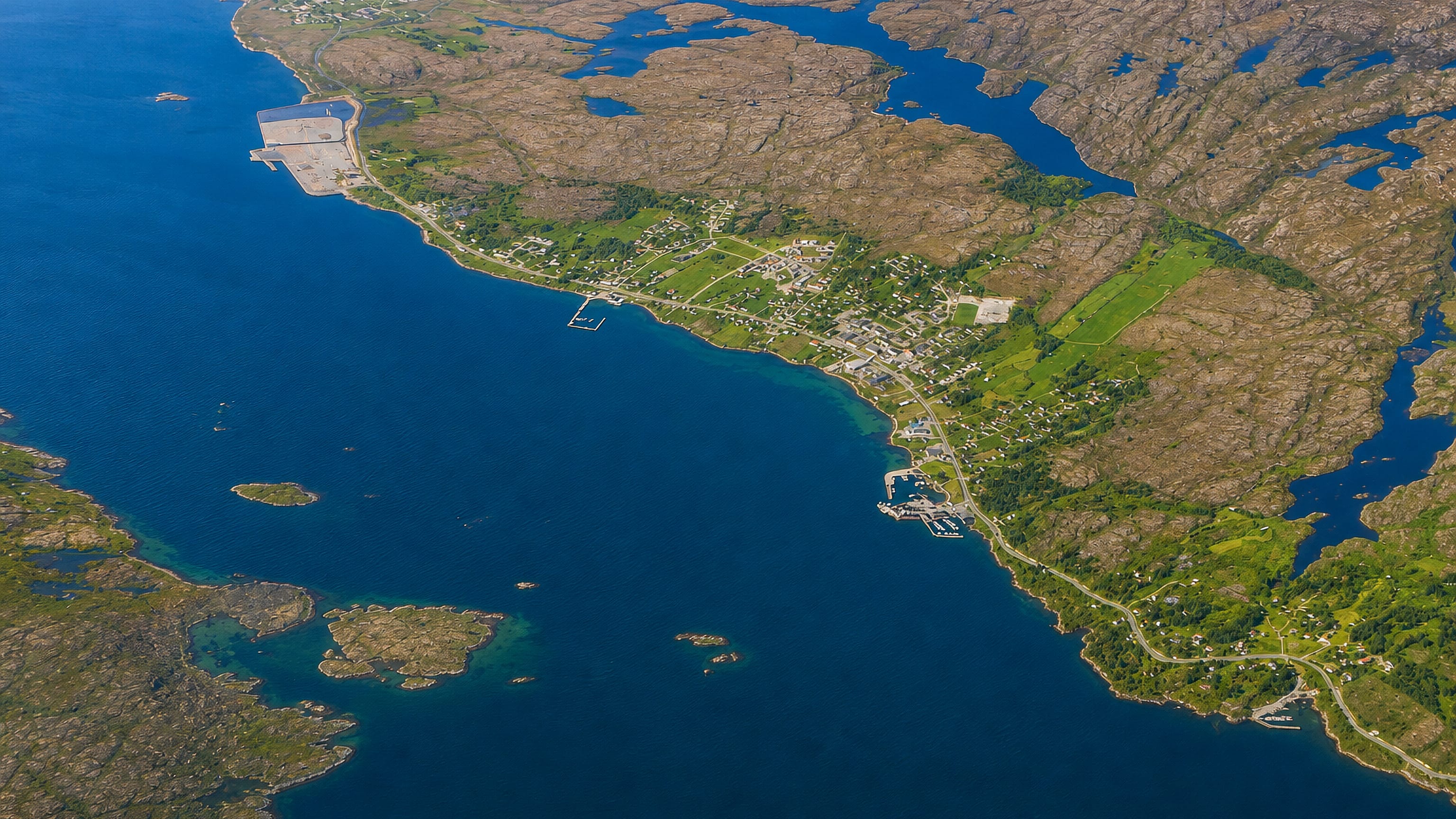
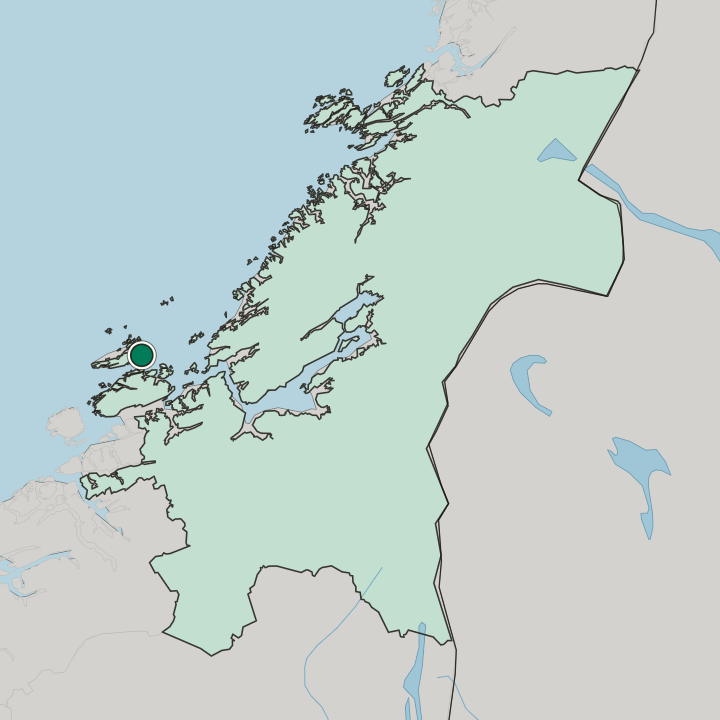
Sistranda sits on the island of Frøya, in the north-western part of Trøndelag. The village lies by the harbour on low, open coastal ground, with the sea wrapping the island and the scattered settlements spreading inland toward Hallaren kirke and Sletta kirke. There is no mainland here.
The waters of central Norway reach out in every direction from the island, and the windswept terrain of Frøya rises only gently above the surrounding coast.
What is the climate of Sistranda?
Sistranda has a cool, wet island climate. The open sea around Frøya tempers the cold, so winters run grey and damp rather than deeply frozen, while the short summers stay mild and green under a long northern daylight that keeps the island bright far into the bright sub-arctic evening. Wind off the ocean is constant.
Rain and salt spray fall across every season, heaviest in the dark months, and the low, open island gives almost no shelter from the weather coming in off the Trøndelag coast.
How do you get to Sistranda?
Reaching the island takes some doing. Sistranda lies on Frøya off the north-western part of Trøndelag, so travellers come by the road and tunnel links and the ferry connections that tie the island to the mainland coast of central Norway. Frøya has no airport of its own.
Buses link the village to the wider crossings, but services are sparse on a small island like this, so most arrive by car along the coastal route or by boat into the harbour at the heart of the settlement.
Common questions
What is the best area to stay in Sistranda?
Harbour centre: a calm island base by the sea. Toward Sletta kirke: drivers crossing the open island. Hallaren settlements: visitors to the older parishes.
Good for
More cities in Trøndelag
Updated September 2026