Norway · Vestland
Where to Stay in Fedje, Vestland
Fedje is an island municipality in western Norway, far out on the North Sea coast beyond the rest of Vestland.
Hotel links are affiliate links: booking through them may earn us a commission, at no extra cost to you. It never affects how places are ranked. How this works


Where to stay in Fedje
The practical side of choosing where to sleep.
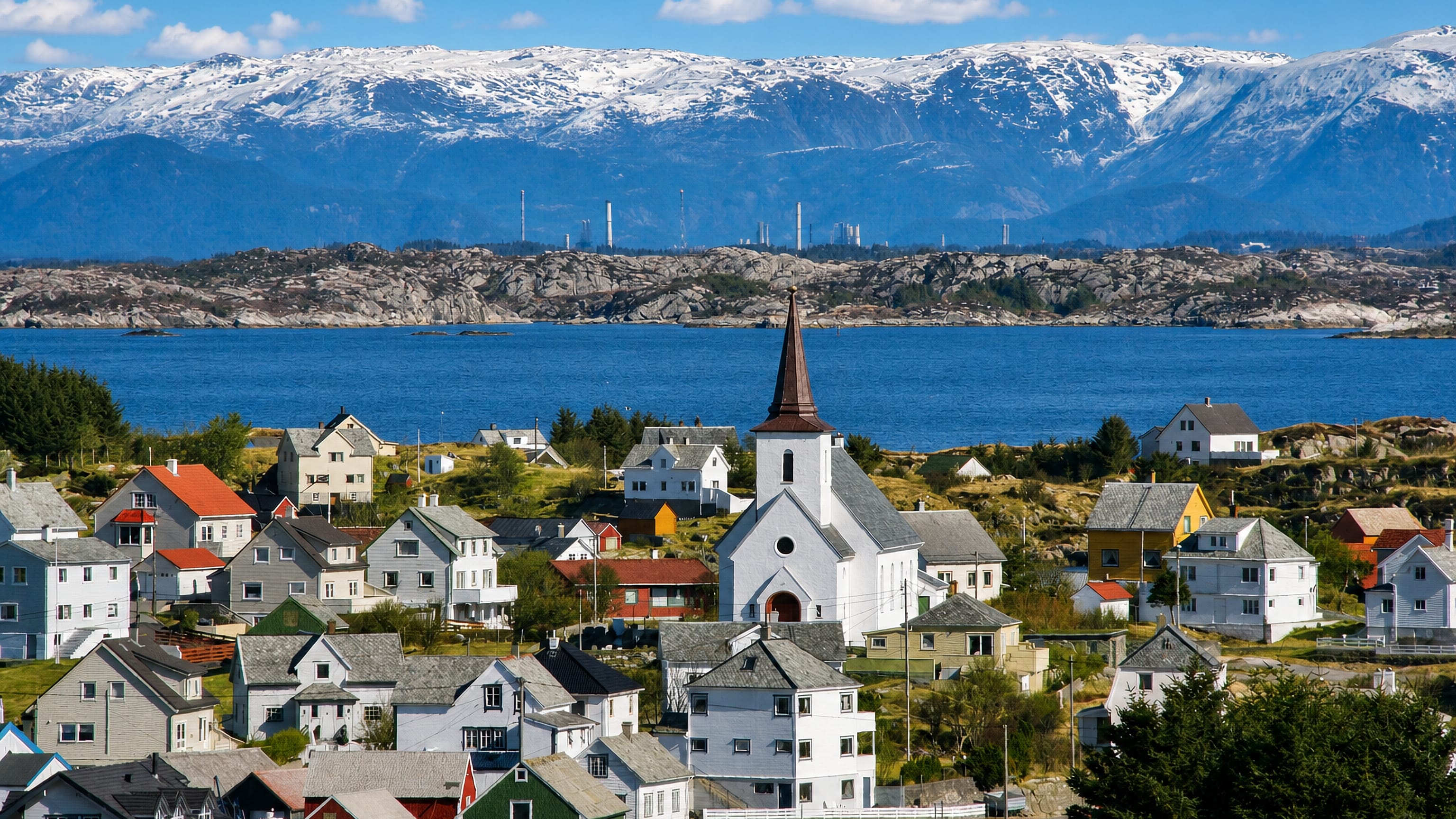
Beds on Fedje are few, because this is a working island far from the mainland rather than a resort. The handful of rooms cluster in the main village around Fedje kirke, where the harbour, the shop, and the ferry quay sit within a short walk of one another on the sheltered eastern side of the island. Stay here to be near the boat.
Travellers drawn by the sea fishing and the bird life base themselves in these same village guesthouses and rented rooms, since the rest of the island holds little but heath, low hills, and the lighthouse coast facing the North Sea. The old trading post at Kræmmerholmen anchors the historic shoreline a short way off, a reminder of when sailing traffic kept the island busy. Rooms run out fast in summer.
Book well ahead for the warm months, because Fedje keeps no surplus of lodging beyond what its small population and the visiting anglers need across the year.
Find hotels in Fedje
Direct booking searches for these neighbourhoods.
Fedje village
rooms by the harbour and the white Fedje kirke on the sheltered eastern shore. Few places to stay nearby — book ahead.Find hotels in Fedje villagehistory near the old trading postKræmmerholmen shore
lodging close to the trading-post shoreline that recalls the coastal sailing route. Lodging is scarce in this area; reserve in advance.Find hotels in Kræmmerholmen shoreHotel links are affiliate links: booking through them may earn us a commission, at no extra cost to you. It never affects how places are ranked. How this works
About Fedje
The open sea is the whole point.
What is Fedje known for?
Fedje sits unsheltered off the coast of western Norway, the outermost inhabited island of a scattered archipelago of more than a hundred islands, skerries, and islets. People come for the exposure itself, for the squat white Fedje kirke that marks the settlement, and for the old trading post at Kræmmerholmen that recalls the island's days on the coastal sailing route. It is the westernmost municipality in this part of Vestland.
What are the main landmarks in Fedje?
Fedje kirke is the island's marker. The protected church stands above the main village, visible from the sea as boats come in across the sound from the Vestland mainland. Down on the historic shore, the old trading post at Kræmmerholmen preserves the look of the island's sailing-era commerce, when Fedje sat on the coastal route north.
Beyond the buildings, the draw is the bare island itself, ringed by skerries and open to the North Sea.
What is the history of Fedje?
Fedje has always faced the sea. Long before any road or ferry reached it, the island lived by the water that surrounds it, an outpost on the unsheltered fringe of western Norway where the fishing grounds and the coastal sailing lane gave it a reason to exist far from the mainland. Trade gathered at the shore.
The old post at Kræmmerholmen marks where sailing traffic on the route north put in for shelter and goods, and the small community on the island grew around that maritime livelihood rather than around farmland, of which the bare ground holds little. The white Fedje kirke rose to serve the scattered island households and remains the settlement's chief building, now protected for its place in that story. Through the centuries the island administered itself and the more than a hundred islands of its archipelago as a municipality of Vestland, set apart by the water.
It stayed what the sea made it. Fedje is a fishing and pilot-station island, exposed to the North Sea, holding on at the western edge of the country.
Where is Fedje?
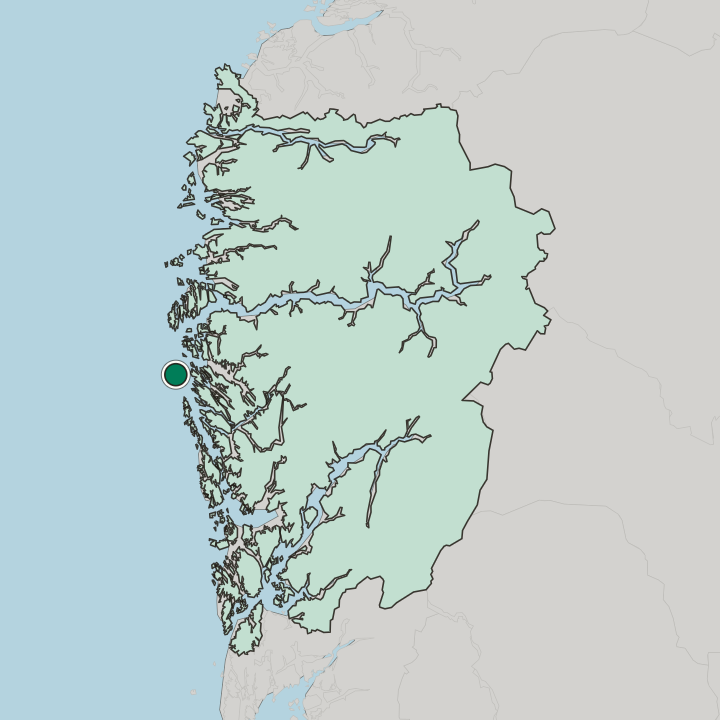
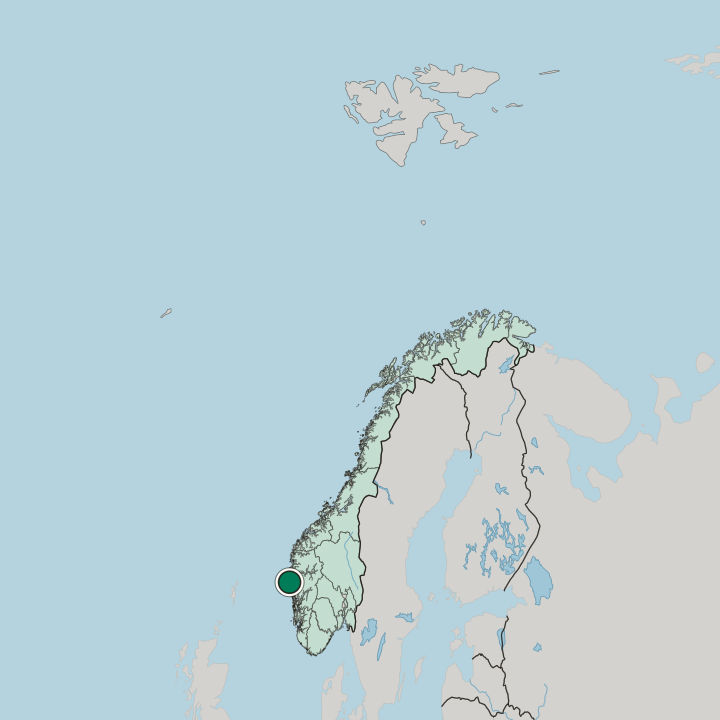
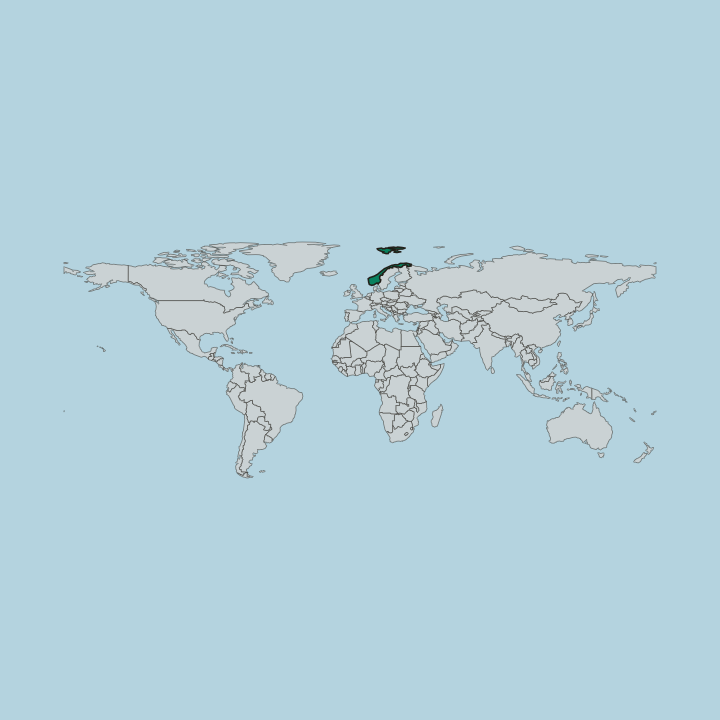
Fedje lies far out. It sits in the western part of Vestland, well beyond the rest of the coast in the open North Sea, the main island low and treeless and ringed by the more than a hundred islands, skerries, and islets that share its name as an archipelago. No mainland shelters it.
The water reaches the shore on every side, while the village and Fedje kirke keep to the calmer eastern flank, facing the sound that separates the island from the Vestland coast.
What is the climate of Fedje?
Fedje has a rough, open coastal climate. The island's unsheltered place far out in the North Sea keeps the winters mild and the summers cool, with the surrounding water steadying the temperature through the year while the wind comes in hard off the open sea with little on the bare ground to break it. Cloud and rain move through often.
The exposure that defines the island's weather is the same exposure that shaped its life around the harbour and the sheltered eastern shore.
How do you get to Fedje?
The boat is the only way. Fedje has no bridge to the mainland, so the island is reached by car ferry across the sound from the Vestland coast, the crossing that links the village and its quay to the road network beyond. The ferry runs to a quay near Fedje kirke and the harbour.
From there the wider region around Bergen lies south down the coast, a drive and a crossing away across the western edge of Vestland.
Common questions
What is the best area to stay in Fedje?
Fedje village: anglers near the ferry quay. Kræmmerholmen shore: history near the old trading post.
Good for
More cities in Vestland
Updated September 2026