Norway · Vestland
Where to Stay in Voss, Vestland
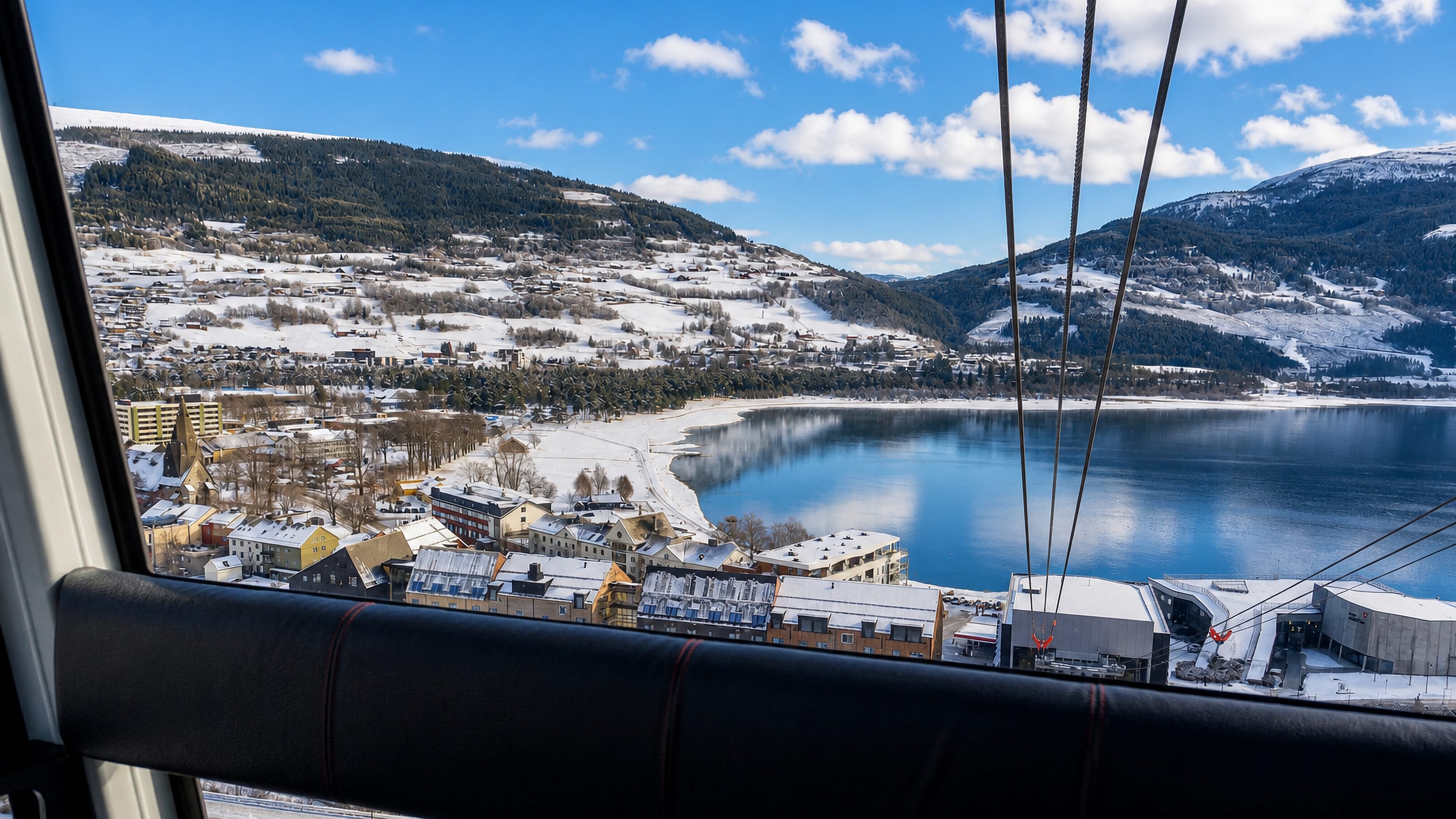
Voss is an inland town around the centre of Vossevangen, in the southern part of Vestland.
Hotel links are affiliate links: booking through them may earn us a commission, at no extra cost to you. It never affects how places are ranked. How this works


Where to stay in Voss
The practical side of choosing where to sleep.
Most beds in Voss gather around Vossevangen, the town centre near Voss kirke and the lake, where the hotels and guest rooms stand within easy reach of the station, the shops and the waterfront. Vossevangen is the natural base. It suits visitors who want the inland town and the rail line of the southern part of Vestland on the doorstep, with the museum and the church a short walk away.
Rooms there fill in the ski season. Up toward the fells, lodging gathers near the Bavallsbakken and the slopes above the town, a footing for skiers and walkers heading into the high ground. Stock thins beyond the resort.
Across the rest of the municipality, holiday houses and farm stays spread among the valleys near the Voss folkemuseum, a quieter base for travellers touring this corner of western Norway by car. Reserve well ahead in winter and high summer, when the slopes and the valley draw visitors to Voss and the country around Vossevangen.
Find hotels in Voss
Direct booking searches for these neighbourhoods.
Vossevangen centre by Voss kirke
rooms near Voss kirke and the station at VossevangenFind hotels in Vossevangen centre by Voss kirkeskiers and walkers heading into the fellsBavallsbakken slopes
lodging up toward the Bavallsbakken above the townFind hotels in Bavallsbakken slopestravellers touring the valley country by carValley parishes by Voss folkemuseum
farm stays near the Voss folkemuseum in the valleys. Rooms are few around here — worth securing early.Find hotels in Valley parishes by Voss folkemuseumHotel links are affiliate links: booking through them may earn us a commission, at no extra cost to you. It never affects how places are ranked. How this works
About Voss
What is Voss known for?
Voss is the centre of its municipality in the southern part of Vestland, an inland town gathered around Vossevangen between the lake and the fells. The medieval Voss kirke stands at the heart of the town, the chief landmark, with the old stone Olavskrossen nearby as a marker of the early Christian past. Winter draws people to the fells.
Above the town the Bavallsbakken rises as its ski ground, while the Voss folkemuseum keeps the old farm life of the valley on show in this corner of western Norway.
What are the main landmarks in Voss?
The medieval Voss kirke is the chief sight of the town. The stone church stands at the heart of Vossevangen, the fixed point of the centre. Beside it, the old Olavskrossen marks the early Christian history of the valley as a heritage cross of Voss.
The fells and farms hold more. The Bavallsbakken rises above the town as its ski ground, while the Voss folkemuseum gathers the old farm buildings and rural life of the southern Vestland valley across its open-air grounds.
What is the history of Voss?
Voss grew as the gathering place of an inland valley in the southern part of Vestland, where the farms met around the lake at Vossevangen. An early Christian past runs deep here, marked by the stone Olavskrossen and the medieval Voss kirke that rose at the centre of the settlement, a stone church among the farms of the valley. Farming made the place.
Old buildings and rural life of the valley, later gathered at the Voss folkemuseum, show how the people worked the slopes and the lakeside fields of this corner of western Norway. The town rose as the centre of its district. Voss drew the trade and services of the surrounding valley to Vossevangen, and the coming of the rail line tied the inland town to the coast and the wider country beyond the fells.
Skiing later claimed the heights. The fells above the settlement grew into ski ground, with the Bavallsbakken built on the slopes, and Voss settled into its role as the working centre of the southern Vestland valleys, an inland town where the medieval church, the old farms and the high fells still mark the long story of the place.
Where is Voss?
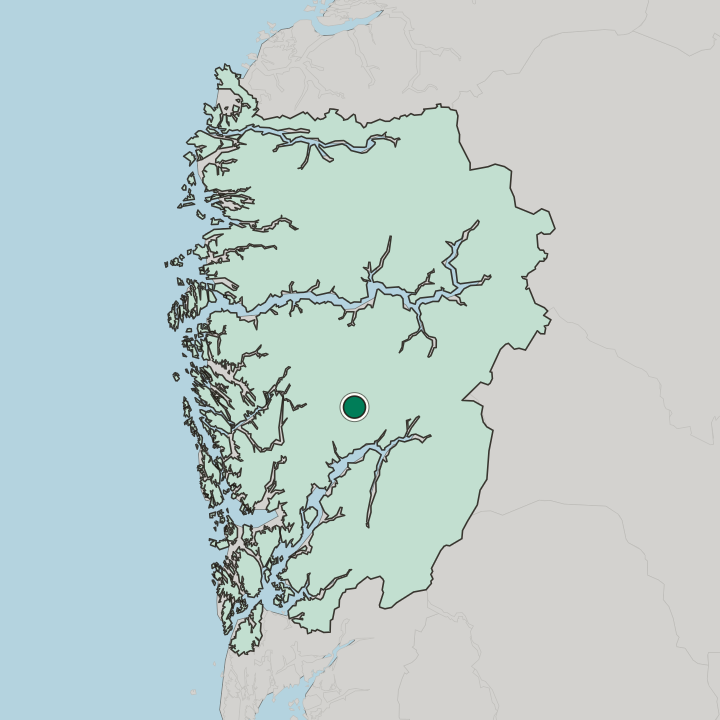
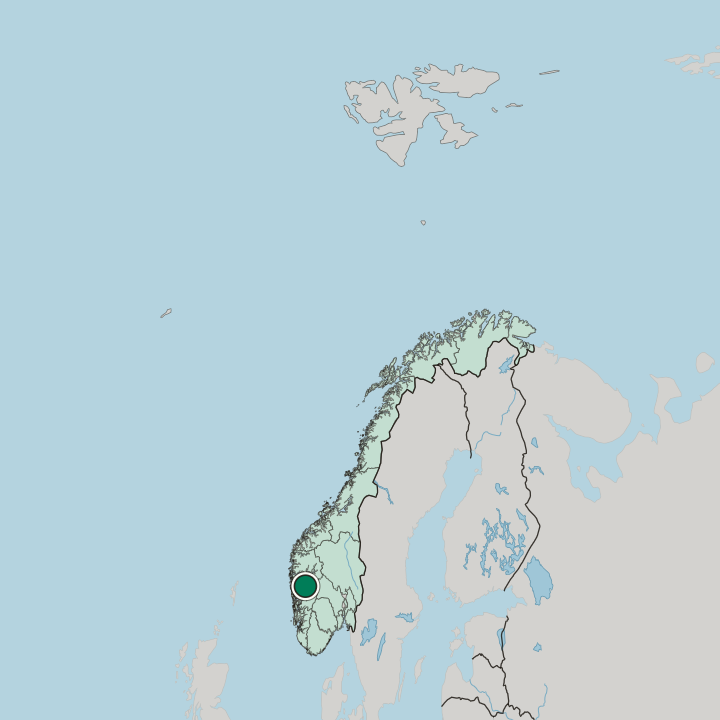
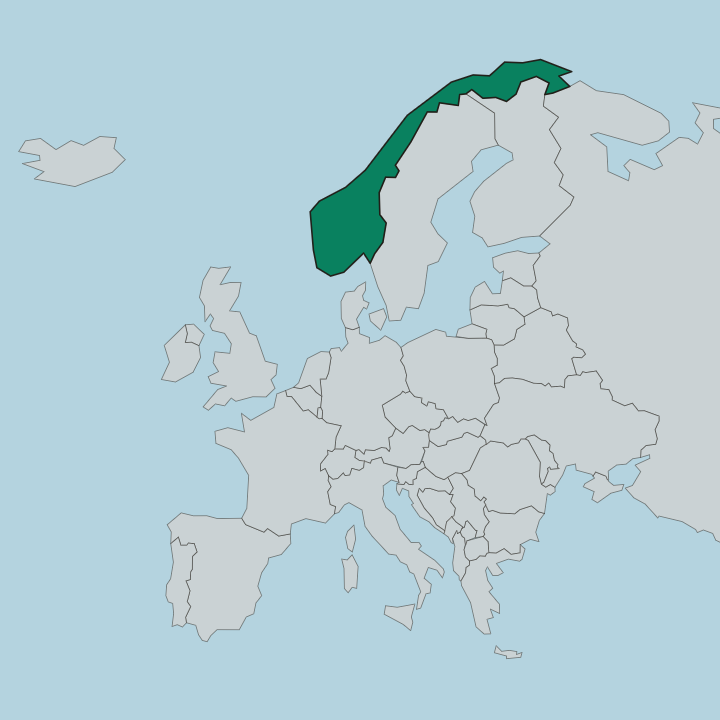
Voss lies in the southern part of Vestland, in western Norway, an inland town set among the fells. The centre gathers around Vossevangen by the lake, with Voss kirke at its heart between the water and the rising slopes. Mountains and valley frame the place.
The municipality reaches up from the lakeside fields into the high fells where the Bavallsbakken stands, and out along the valleys whose farms, kept on show at the Voss folkemuseum, work the land between the slopes and the inland waters.
What is the climate of Voss?
Voss has a cooler, more continental climate than the open coast, set inland among the fells of western Norway. Winters are cold and snowy, the high ground holding deep snow on the fells above Vossevangen and feeding the ski slopes around the Bavallsbakken through the long season. Warm months stay brief inland.
Rain and milder air reach the valley off the Atlantic in the warmer season, watering the lakeside fields around the town, while the long northern daylight brings the brighter spells to this inland corner of the southern part of Vestland.
How do you get to Voss?
Voss stands on the rail line that crosses the fells of the southern part of Vestland. Trains stop at Vossevangen on the route between the coast and the inland country, and the station lies a short walk from Voss kirke and the lake. Many also drive.
The main roads thread the valleys and fells of western Norway toward the town, and the nearer airport handles the longer journeys of travellers reaching the inland slopes around the Bavallsbakken from farther afield.
Common questions
What is the best area to stay in Voss?
Vossevangen centre by Voss kirke: visitors wanting the lakeside town and rail line. Bavallsbakken slopes: skiers and walkers heading into the fells. Valley parishes by Voss folkemuseum: travellers touring the valley country by car.
Good for
More cities in Vestland
Updated September 2026