Norway · Vestland
Where to Stay in Florø, Vestland
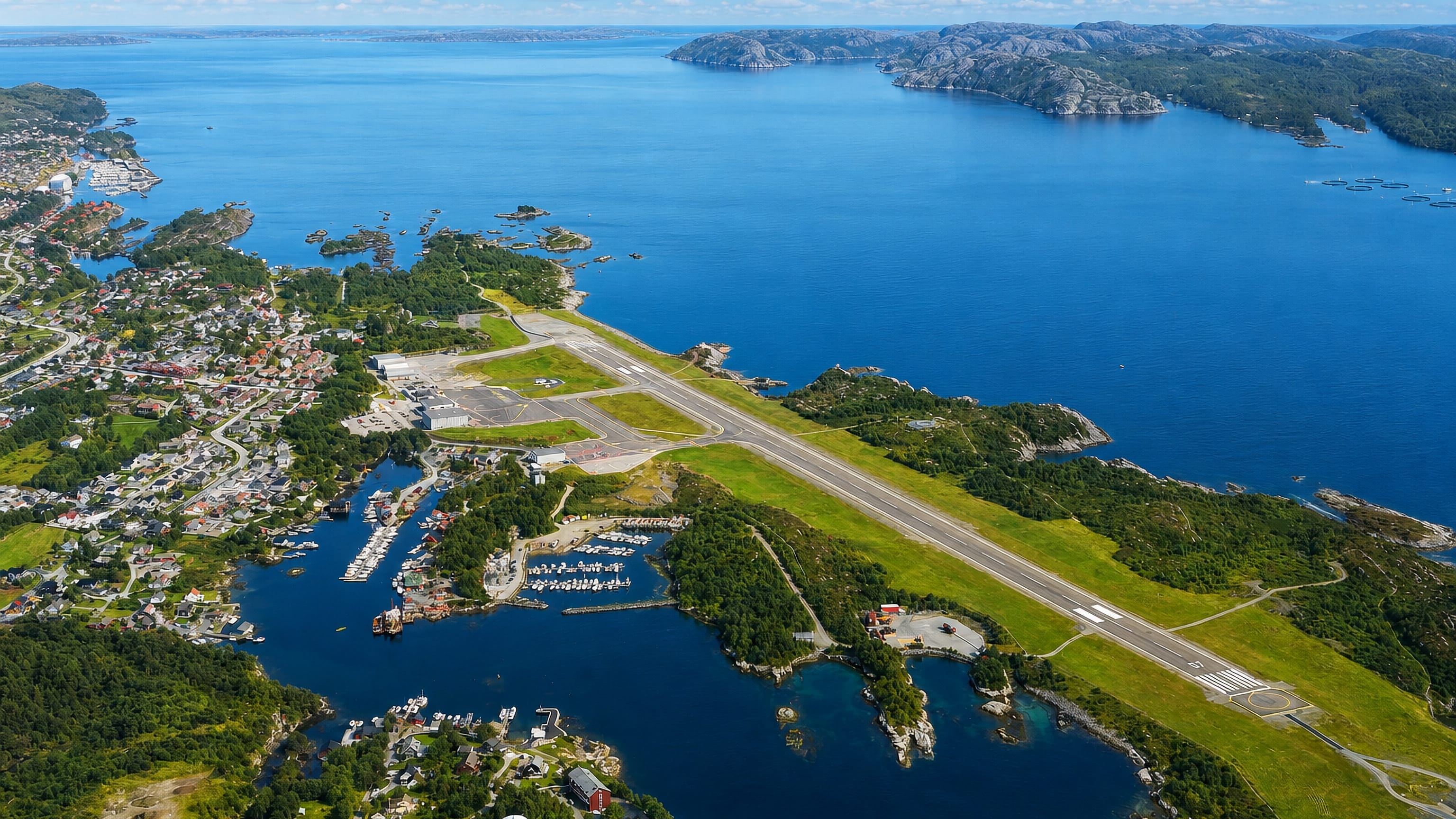
Florø is a coastal town on the island of Florelandet, the westernmost town of mainland Norway.
Hotel links are affiliate links: booking through them may earn us a commission, at no extra cost to you. It never affects how places are ranked. How this works


Where to stay in Florø
Where visitors usually base themselves, and why.
Most beds in Florø gather in the town centre on Florelandet, close to Florø kirke and the harbour, where the hotels and guest rooms stand within easy reach of the quays, the shops and the Kystmuseet i Sogn og Fjordane down by the water. The harbour centre makes the natural base. It suits visitors who want the coast and the fishing-port history of this westernmost mainland town on the doorstep, with the ferries and the boats of Kinn Municipality close at hand.
Those central rooms fill through the summer. Out toward the approach roads and the airport, motels and roadside lodging sit handy for travellers arriving by car or plane to this corner of western Norway. Beds grow scarce beyond the town.
Across the wider municipality, holiday houses and farm stays spread among the island parishes near Stavang kirke and Askrova bedehuskapell, a quieter footing for visitors touring the coast and islands by boat and car. Reserve well ahead in the warm months, when the sea, the museum and the outer islands draw people to Florø between the Botnafjorden and the Solheimsfjorden.
Find hotels in Florø
Direct booking searches for these neighbourhoods.
Florelandet centre by Florø kirke
rooms near Florø kirke and the Kystmuseet i Sogn og Fjordane by the quaysFind hotels in Florelandet centre by Florø kirketravellers arriving by plane or car to western NorwayAirport and road approaches
roadside lodging near the airport off the Florelandet approachFind hotels in Airport and road approachesvisitors touring the outer islands by boatIsland parishes of Kinn
farm stays among the island parishes near Stavang kirke and Askrova bedehuskapell. Few places to stay nearby — book ahead.Find hotels in Island parishes of KinnHotel links are affiliate links: booking through them may earn us a commission, at no extra cost to you. It never affects how places are ranked. How this works
Things to do in Florø
Ranked by global recognition; descriptions from Wikidata (CC0).
Museums & Galleries
1- Coastal Museum in Sogn og Fjordane folk museum
Churches & Religious Sites
3- Florø Church Heritage church building in Kinn
- Stavang Church Heritage
- Askrova Chapel
Stadiums & Sports
1- Florø Idrettssenter sports complex
worth knowingacross 3 categories in Florø
About Florø
What is Florø known for?
Florø is the administrative centre of Kinn Municipality and the westernmost town on the Norwegian mainland. The Kystmuseet i Sogn og Fjordane tells the story of the coast and the fishing life that built the place, the chief draw for visitors to this part of western Norway. Fishing and the coast built Florø.
Florø kirke marks the centre on Florelandet between the Botnafjorden and the Solheimsfjorden, and the town keeps the character of the days when boats, not roads, carried everything along this stretch of Vestland.
What are the main landmarks in Florø?
The Kystmuseet i Sogn og Fjordane stands among the chief sights of Florø. The coastal museum keeps the story of the fishing and the sea life that shaped the town, the leading draw down by the water. Close by, Florø kirke marks the centre on Florelandet and gives the streets their fixed point.
Older churches stand across the islands. Stavang kirke and the Askrova bedehuskapell serve the outer parishes of Kinn Municipality, while the Florø Idrettssenter gives the town its sports ground near the centre of this westernmost mainland town of western Norway.
What is the history of Florø?
Florø was founded by royal decree in 1860 as a ladested, a small chartered trading port on the island of Florelandet between the Botnafjorden and the Solheimsfjorden. The herring fishery drew the town into being, and the boats and quays of the coast made Florø the leading place of the district in the days when the sea was the highway of western Norway. The harbour ran the town.
Florø kirke rose for the new port, while Stavang kirke and the chapels of the outer islands served the older parishes scattered along the coast of what is now Kinn Municipality. The focus shifted as the roads came. Road transport drew much of the regional trade inland toward the industrial town of Førde, yet Florø held its place by the sea and its role as administrative centre of its municipality.
The Kystmuseet i Sogn og Fjordane settled in the town to keep the coastal and fishing heritage alive, and Florø stayed the westernmost town of mainland Norway, a working port on Florelandet where the long history of boats, herring and the open Atlantic still shapes the place in this corner of Vestland.
Where is Florø?
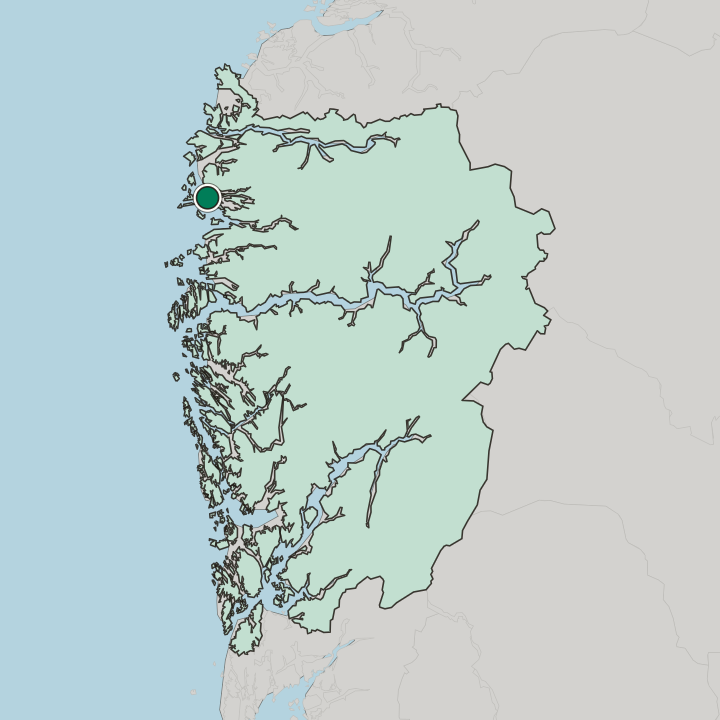
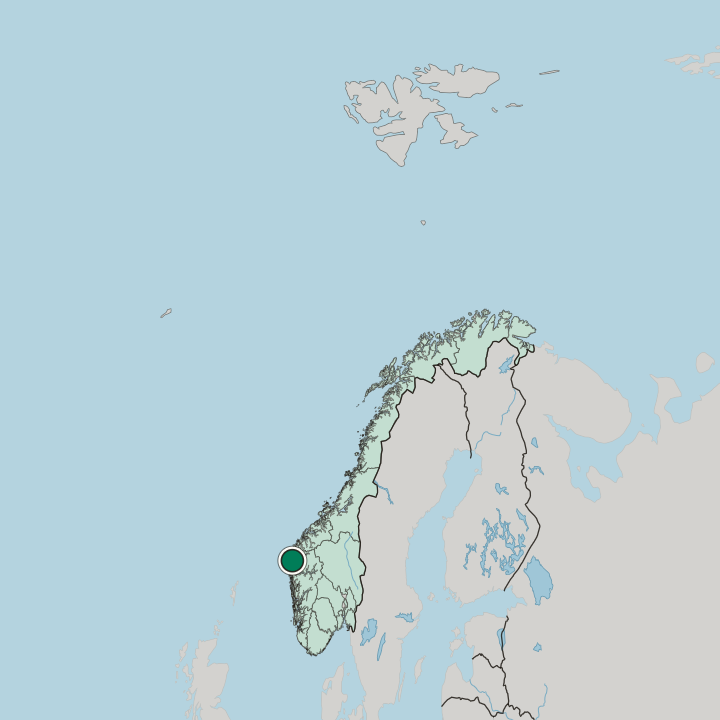
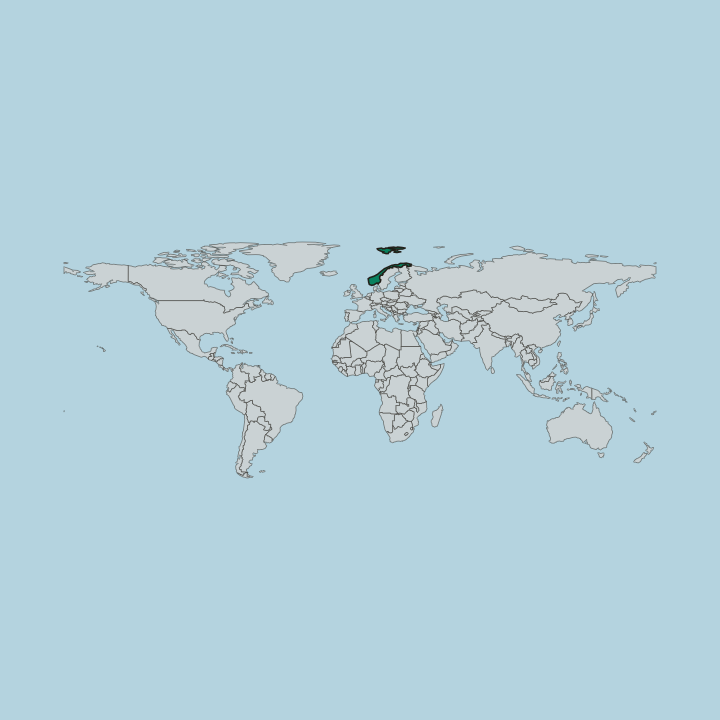
Florø lies on the island of Florelandet, in the north-western part of Vestland, in western Norway. The town sits between the Botnafjorden and the Solheimsfjorden, the westernmost mainland town in the Nordic countries, its centre gathered by the harbour around Florø kirke. Sea and islands frame the place.
Kinn Municipality reaches out across the outer skerries and the coastal parishes whose churches, among them Stavang kirke and the Askrova bedehuskapell, stand on the islands beyond the open water around the town.
What is the climate of Florø?
Florø has the wet, mild maritime climate of the outer coast of western Norway. Winters stay cool and stormy rather than harsh, the open Atlantic and the surrounding fjords holding hard frost and lasting snow off the low ground of Florelandet through most of the season. Summers stay cool and breezy.
Heavy rain and Atlantic wind reach the westernmost mainland town in every month, sweeping the islands and the open water between the Botnafjorden and the Solheimsfjorden, while the long northern daylight brings the brighter spells to the harbour town.
How do you get to Florø?
Florø sits at the end of the coastal road network of Kinn Municipality. The main routes of the north-western part of Vestland carry the traffic out to the town on Florelandet, and the centre lies a short walk from Florø kirke and the harbour. Many arrive by boat or plane.
The coastal ferries link Florø with the outer islands and the towns along the shore of western Norway, while the local airport handles the longer journeys of travellers reaching the westernmost mainland town from farther afield.
Common questions
What is the best area to stay in Florø?
Florelandet centre by Florø kirke: visitors wanting the harbour and coastal museum. Airport and road approaches: travellers arriving by plane or car to western Norway. Island parishes of Kinn: visitors touring the outer islands by boat.
Good for
More cities in Vestland
Updated October 2026