Norway · Vestland
Where to Stay in Høyanger, Vestland
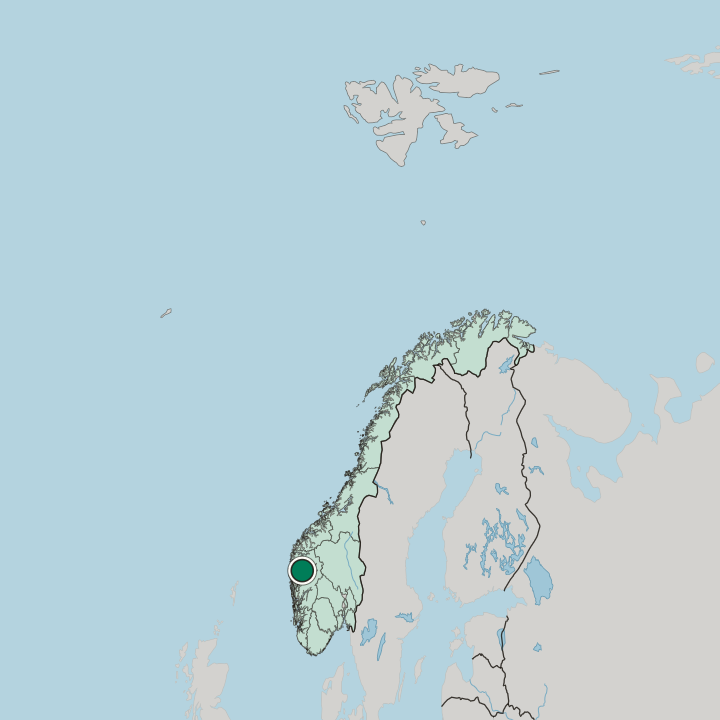
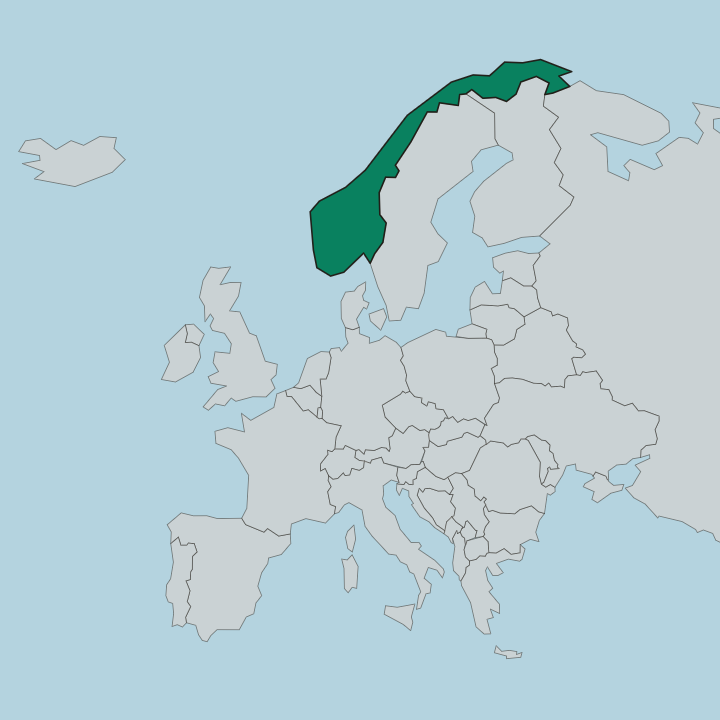
Høyanger is the administrative centre of Høyanger Municipality in western Norway, a fjord-head town below steep mountains in northern Vestland.
Hotel links are affiliate links: booking through them may earn us a commission, at no extra cost to you. It never affects how places are ranked. How this works


Where to stay in Høyanger
Where the beds are, and what that means for the visit.
Beds gather in the small centre. The streets of Høyanger below Høyanger kirke hold the town's everyday hotels and rooms, set near the fjord quay, so the waterfront and the shops are a short walk away. Stay here for the fjord head and the centre.
Travellers along the water sometimes look toward the older church settlement at Kyrkjebø, further down the shore, where the historic Kyrkjebø kirke stands among farms and the lodging thins to the occasional rented room. Drivers crossing northern Vestland keep their base in the centre, since the mountain road and the fjord ferry both meet at Høyanger. Rooms are limited in this small place.
Book ahead in summer and around any fjord gatherings, when the visitors drawn to the head of the water fill what little lodging Høyanger Municipality keeps near its centre.
Find hotels in Høyanger
Direct booking searches for these neighbourhoods.
Høyanger fjord centre
everyday rooms below Høyanger kirke near the quay. Beds are limited here, so book early.Find hotels in Høyanger fjord centredrivers along the older fjord settlementsKyrkjebø church shore
rented rooms among the farms by the historic Kyrkjebø kirke. Beds are limited here, so book early.Find hotels in Kyrkjebø church shoreHotel links are affiliate links: booking through them may earn us a commission, at no extra cost to you. It never affects how places are ranked. How this works
About Høyanger
This is the service town for its fjord.
What is Høyanger known for?
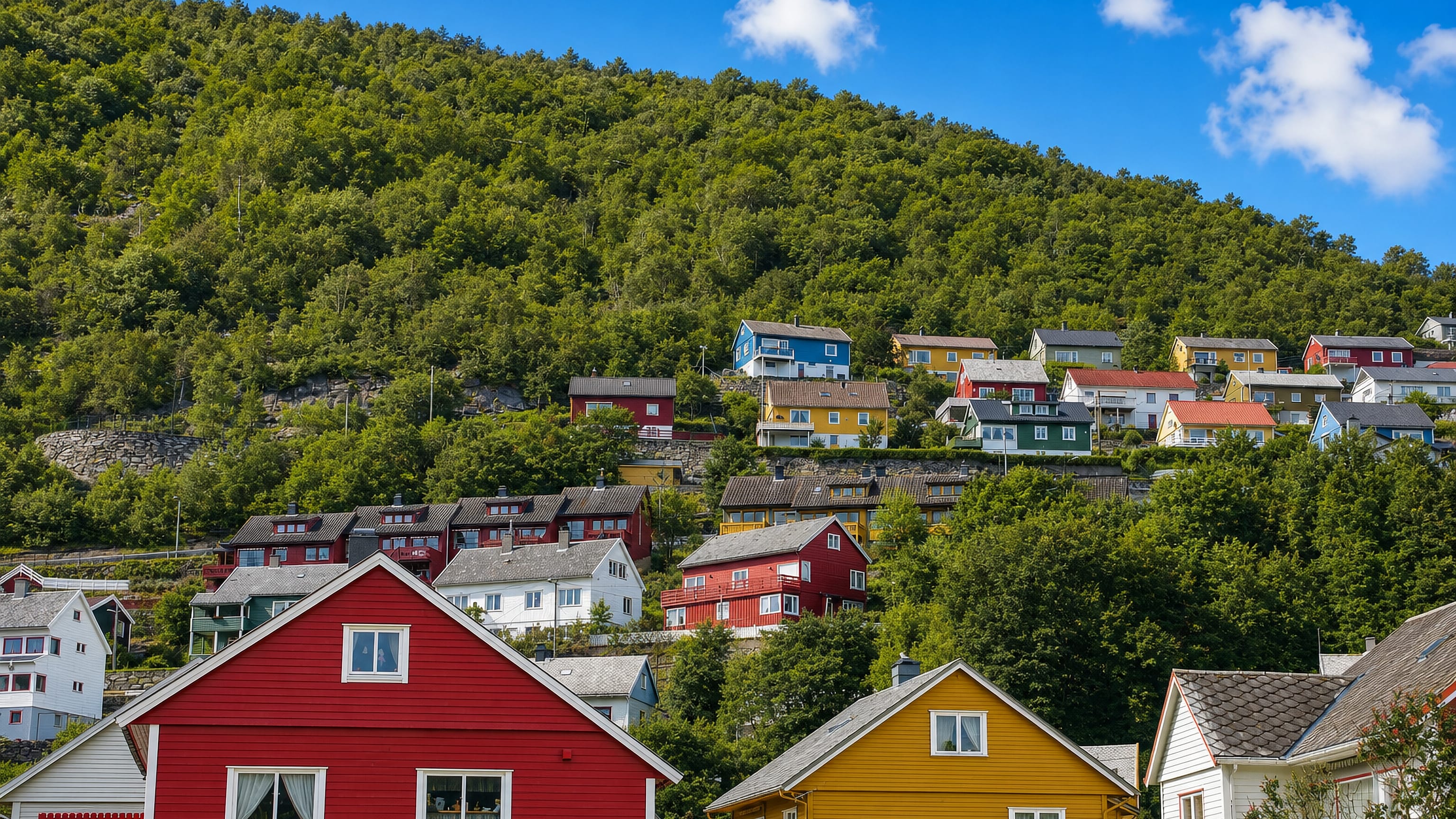
Høyanger gathers the shops, schools, and offices that the farms and hamlets at the head of the fjord depend on, set on a narrow shelf below high mountain walls, and most who pass through come for that everyday business rather than for sights. The white Høyanger kirke crowns the centre. The fjord water is never far from the streets.
What are the main landmarks in Høyanger?
Two churches anchor the district. Høyanger kirke stands at the heart of the town, a protected church below the mountain walls, serving the community at the head of the fjord. Down the fjord shore the older Kyrkjebø kirke serves the farming hamlet of Kyrkjebø, a protected church of an earlier age.
Both are listed for protection. Between them they hold the faith of Høyanger, from the centre at the fjord head to the old village on the water.
What is the history of Høyanger?
The fjord farms came first. Long before the centre gathered, the old congregation worked the shore around Kyrkjebø, and the protected Kyrkjebø kirke records a settled farming district that lived by the water and the land on the inner reaches of the fjord. Worship held the people together.
The parish met at Kyrkjebø kirke down the shore while the scattered farms tilled the narrow strips of flat land at the head of the fjord, the only ground that the steep mountains allowed. A centre rose at the fjord head. As trade and services drew together on the shelf below the slopes, the settlement at Høyanger grew, and Høyanger kirke was raised to crown the gathering community.
The role made it the seat. The town became the administrative centre of Høyanger Municipality, the place through which the fjord communities now do their business, with the old village of Kyrkjebø folded into the same commune.
Where is Høyanger?
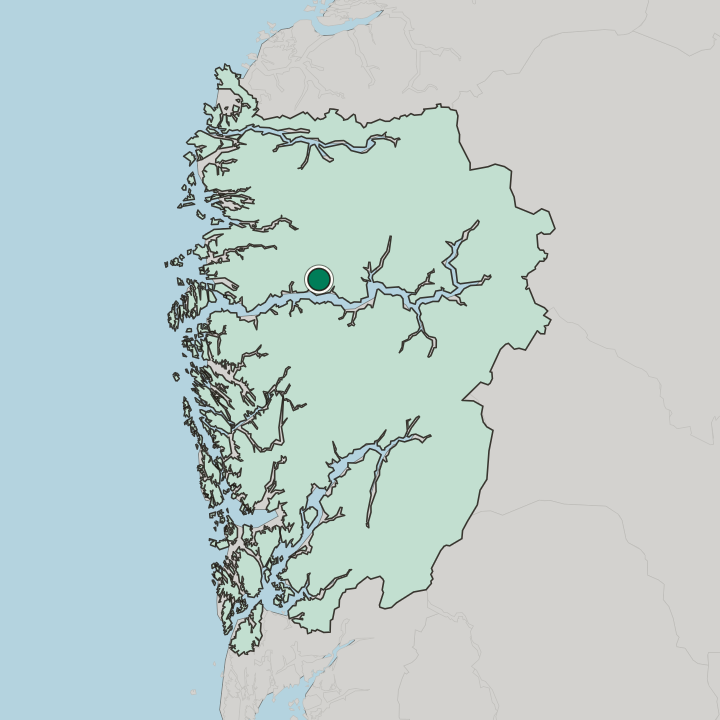
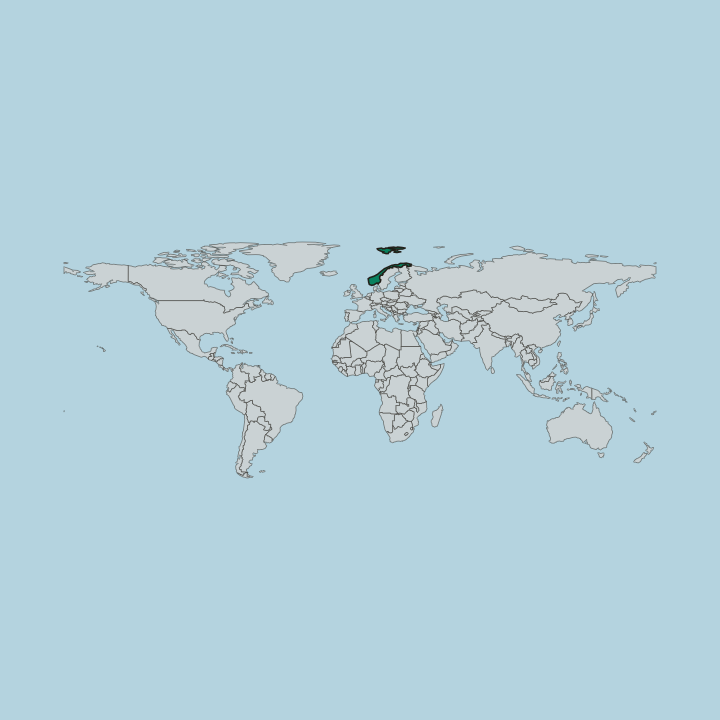
Høyanger lies in western Norway. The town fills a narrow shelf at the head of a fjord arm, in the northern part of Vestland, hemmed in tight by steep mountain walls that rise almost straight from the deep water. There is little flat land.
The streets press between the slope and the shore below Høyanger kirke, while down the fjord the older settlement of Kyrkjebø spreads across gentler farmland, and the deep water carries the town's link out toward the wider fjords of Vestland.
What is the climate of Høyanger?
The deep fjord softens the winter. Far inland at the head of the water, Høyanger keeps a milder cold than the open coast, though the high mountain walls that ring the town hold shadow and snow on the slopes well above it. Rain is frequent through the year.
The steep sides gather heavy fall and the falling streams, while the long subpolar summer light lingers late over the shore and the farmland down toward Kyrkjebø.
How do you get to Høyanger?
Road and ferry bring you in. Høyanger sits where the mountain road through northern Vestland meets the fjord, reached by bus and car over the passes and by ferry across the water, since no rail runs to this inner-fjord town. The quay handles the crossings.
Roads run down the shore toward Kyrkjebø and out to the ferry points, and the traffic of the district passes back through Høyanger as the centre where its routes gather.
Common questions
What is the best area to stay in Høyanger?
Høyanger fjord centre: first-timers at the fjord head. Kyrkjebø church shore: drivers along the older fjord settlements.
Good for
More cities in Vestland
Updated September 2026