Norway · Vestland
Where to Stay in Kinsarvik, Vestland
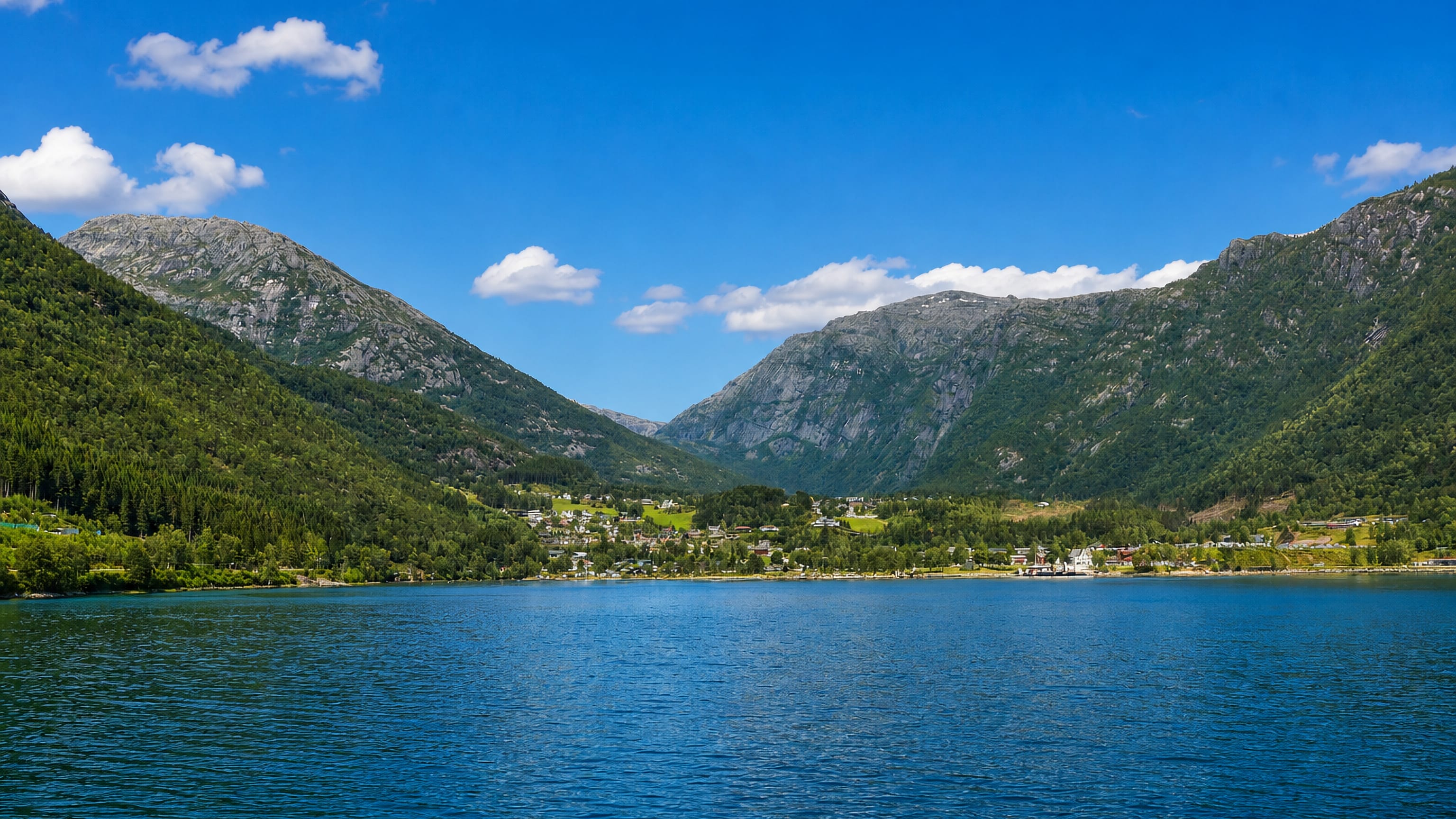
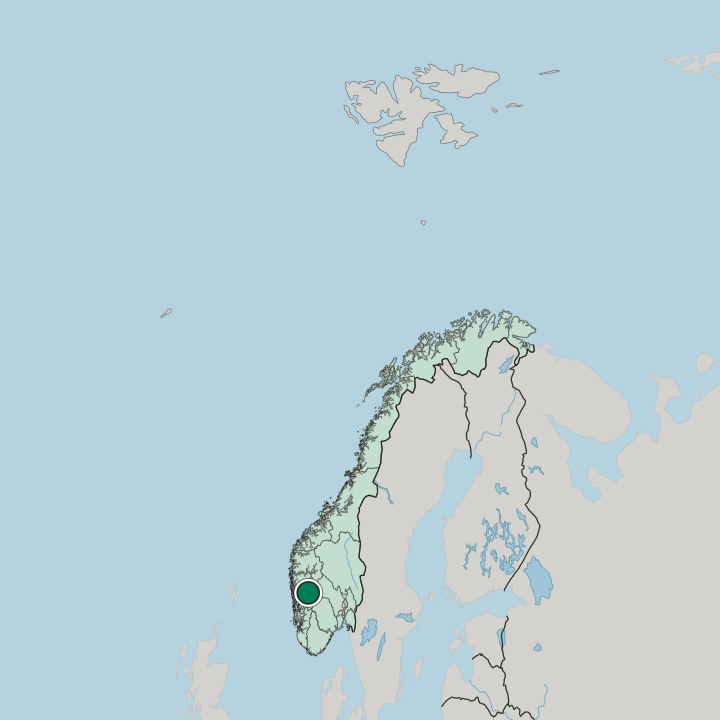
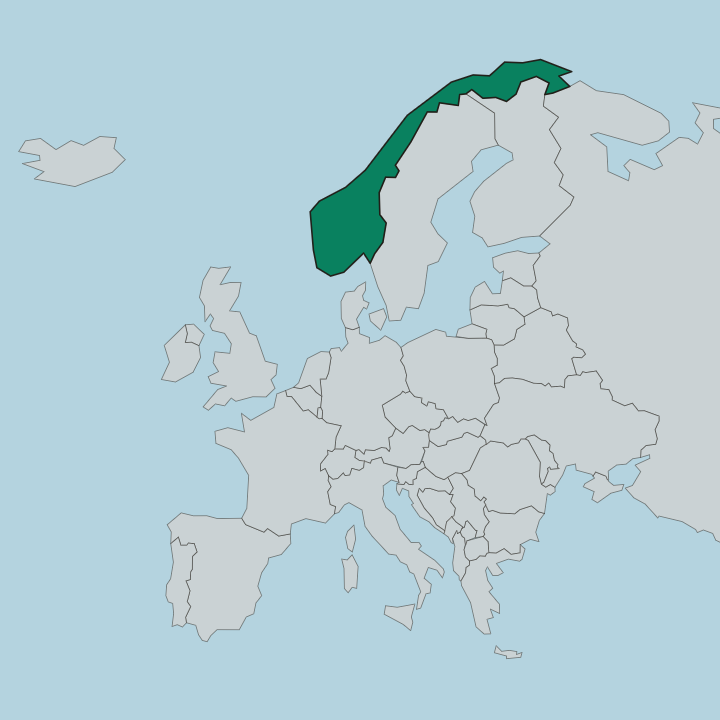
Kinsarvik is a fjord village in western Norway, the centre of Ullensvang where the Sørfjorden and Eidfjorden meet the Hardangerfjorden.
Hotel links are affiliate links: booking through them may earn us a commission, at no extra cost to you. It never affects how places are ranked. How this works


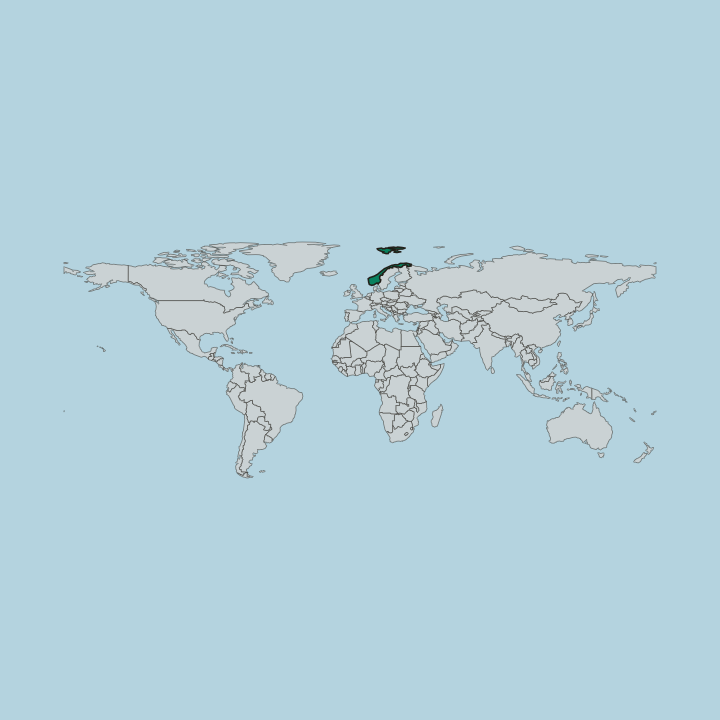
Where to stay in Kinsarvik
Where the beds are, and what that means for the visit.
Kinsarvik makes a natural base on the Hardangerfjorden, because the village sits at the very junction of the fjords with the ferry quay and the main road both at hand. The lodging gathers in and around the centre by the bay, near the old Kinsarvik kirke and the ferry port, where rooms and guesthouses stand within a short walk of the water and the National Road 13 that runs along the shore. Stay here for the fjord.
Travellers touring the Hardanger country use these waterside rooms to reach the museums of Ullensvang, from the medieval farm cluster at Agatunet to the Hardanger Folkemuseum across the fjord at Utne. Drivers and walkers also base here for the slopes above the Sørfjorden and the crossing to Utne and Kvanndal. Beds fill through the warm months.
Book ahead for summer, since Kinsarvik is a small village that keeps no large surplus of lodging beyond what the fjord traffic and touring season bring.
Find hotels in Kinsarvik
Direct booking searches for these neighbourhoods.
Kinsarvik centre
waterside rooms near the medieval Kinsarvik kirke and the National Road 13 along the bay. Rooms are few around here — worth securing early.Find hotels in Kinsarvik centrevisitors to the Hardanger folk museumsUtne across the fjord
lodging by Utne kirke and the Hardanger Folkemuseum, reached by ferry across the Hardangerfjorden. Rooms are few around here — worth securing early.Find hotels in Utne across the fjordHotel links are affiliate links: booking through them may earn us a commission, at no extra cost to you. It never affects how places are ranked. How this works
Things to do in Kinsarvik
Ranked by global recognition; descriptions from Wikidata (CC0).
Museums & Galleries
2- Hardanger Folkemuseum Museum of cultural heritage
- Skredhaugen open-air museum in Ullensvang
Churches & Religious Sites
3- Kinsarvik Church Heritage church building in Ullensvang
- Ullensvang Church Heritage
- Utne Church Heritage
Castles & Historic Sites
1- Agatunet Heritage museum in Ullensvang
worth knowingacross 3 categories in Kinsarvik
About Kinsarvik
The fjord junction is its setting.
What is Kinsarvik known for?
Kinsarvik sits at the end of a small bay where the Sørfjorden and the Eidfjorden join to form the main branch of the Hardangerfjorden, and it serves as the administrative centre of Ullensvang in the southern part of Vestland. Visitors come for that meeting of waters, for the medieval Kinsarvik kirke above the bay, and for the ferry that crosses the fjord to Utne. It is a working fjord village in western Norway, set where road and water meet.
What are the main landmarks in Kinsarvik?
Kinsarvik kirke is the village marker. The protected medieval stone church stands above the bay where the fjords meet, the chief monument of the old settlement. Across the water at Utne stand the wooden Utne kirke and the Hardanger Folkemuseum, the regional museum of folk life, while up the Sørfjorden the medieval farm cluster of Agatunet is kept as a museum of an older Hardanger.
The open-air collection at Skredhaugen and the historic Ullensvang kirke round out the heritage that Kinsarvik administers across the municipality of Ullensvang.
What is the history of Kinsarvik?
Kinsarvik is an old place on the fjord. The settlement grew at the head of its small bay where the Sørfjorden and the Eidfjorden meet, a natural gathering point on the water long before any road reached the shore, and the medieval Kinsarvik kirke stands as the mark of that early life in this corner of western Norway. The fjord carried everything.
Goods and people moved by boat along the Hardangerfjorden, and the old farms of the district, among them the medieval cluster preserved at Agatunet up the Sørfjorden, kept the rhythms of a Hardanger that lived by water and steep ground. The church at Kinsarvik, like Utne kirke and Ullensvang kirke across the municipality, anchored the scattered parishes through the centuries. When the modern municipality of Ullensvang took shape in the southern part of Vestland, Kinsarvik became its administrative centre, the seat of a district that gathers these old fjord communities.
The road and the ferry came to bind it to the wider region. Kinsarvik holds its character still, a fjord village at the meeting of waters, keeping the museums and churches that carry the long story of Hardanger.
Where is Kinsarvik?
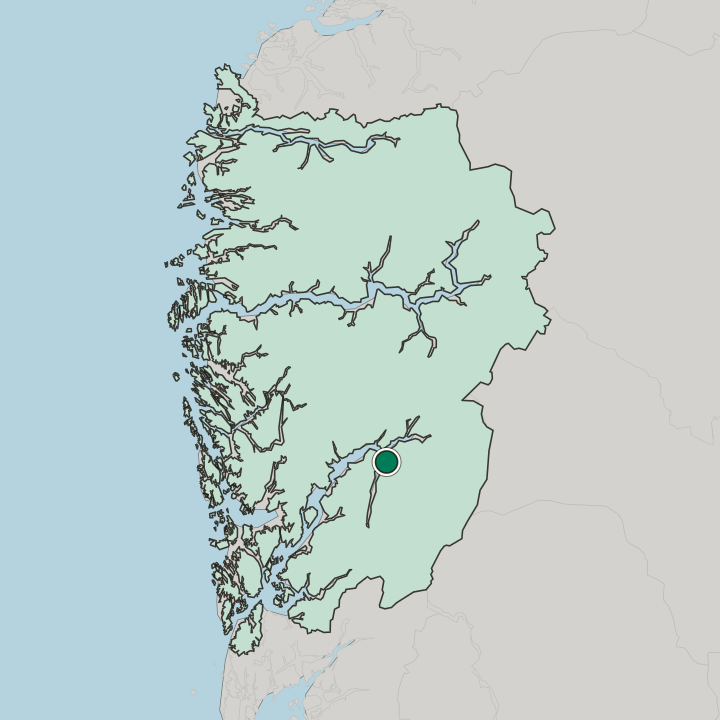
Kinsarvik sits where fjords meet. The village lies at the end of a small bay in the southern part of Vestland, at the point where the Sørfjorden and the Eidfjorden join to form the main branch of the Hardangerfjorden in western Norway. Steep ground rises behind the shore.
The settlement runs along the water beside the National Road 13, with the fjord opening west toward Utne and Kvanndal across the crossing and the high country of Ullensvang climbing inland from the bay.
What is the climate of Kinsarvik?
Kinsarvik has the sheltered, wet climate of the inner Hardangerfjorden. Deep among the mountains of western Norway rather than on the open coast, the village sees winters that turn cold and snowy on the high ground above the Sørfjorden while the summers stay mild and green along the sheltered water of the bay. Rain comes through much of the year.
The arms of the fjord temper the cold and feed the orchards and farms that line the steep shores around the meeting of the waters.
How do you get to Kinsarvik?
Road and ferry both serve it. Kinsarvik lies along the Norwegian National Road 13, which runs the shore of the Hardangerfjorden and links the village into the wider road network of western Norway. The ferry port carries regular routes across the fjord.
From the quay, boats cross to Utne and Kvanndal, tying Kinsarvik to the far shore, while the road south up the Sørfjorden and on through Vestland reaches the larger centres of the region.
Common questions
What is the best area to stay in Kinsarvik?
Kinsarvik centre: fjord touring by the ferry quay. Utne across the fjord: visitors to the Hardanger folk museums.
Good for
More cities in Vestland
Updated October 2026